- Company Articles
- Products and Technology
- Installation And Maintenance
- How to Troubleshoot Common Issues with 40 Aluminum Roller Track Green

How to Troubleshoot Common Issues with 40 Aluminum Roller Track Green
Related Product
40 Aluminum Roller Track Green
Durable and smooth-running modular roller rails. The system is fully assembled. The roller rail profile contains plastic rollers mounted on steel axles. Aluminum frame with plastic wheel make it anti corrosion,and material convey more smooth.
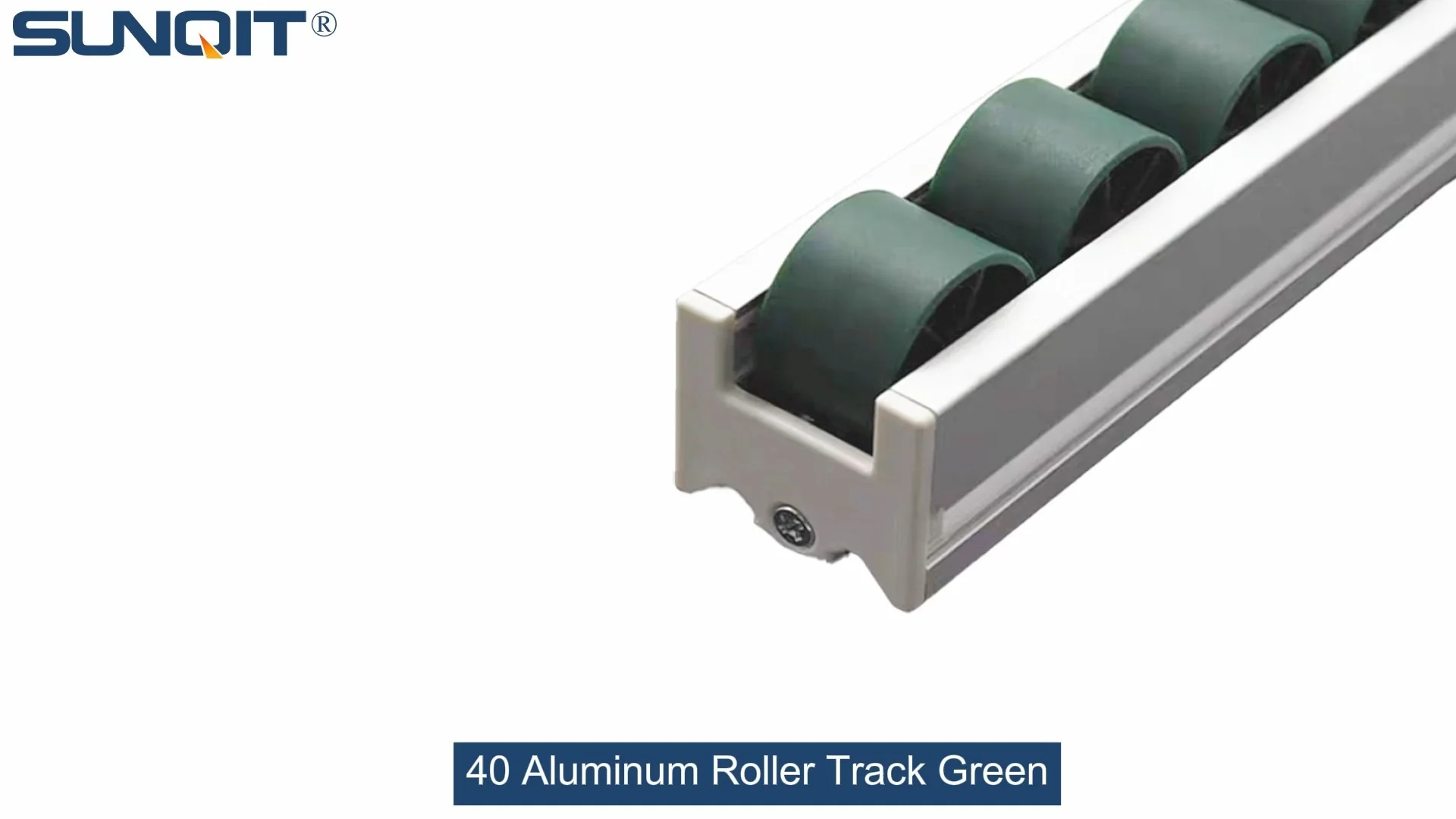
If you've ever worked with material handling systems, you know how crucial smooth, reliable movement is for keeping operations on track. The 40 Aluminum Roller Track Green is a workhorse in many industries—from warehouse flow racks to production line conveyors, and even as part of lean pipe workbench setups. But like any piece of equipment, it can run into issues that slow down your workflow, waste time, and frustrate your team. In this guide, we'll walk through the most common problems you might face with your 40 Aluminum Roller Track Green, why they happen, and step-by-step solutions to get things moving again. We'll also share prevention tips to keep these issues from popping up in the first place. Whether you're a warehouse manager, a production technician, or someone who just wants to keep their equipment running smoothly, this guide has you covered.
1. Roller Jamming or Sticking: When Movement Grinds to a Halt
Let's start with one of the most frustrating issues: rollers that won't roll. You push a box or part onto the track, and it stops halfway—no matter how much force you apply. Or maybe the rollers spin slowly, making it hard to move items efficiently. This problem is common, but it's usually easy to fix once you know the cause.
Possible Causes
- Dirt and Debris Buildup: Dust, small particles (like metal shavings from a lean pipe workbench area), or even spilled liquids can get stuck between the rollers and the track frame, or inside the roller bearings. Over time, this buildup creates friction that stops the rollers from spinning freely.
- Misaligned Rollers: If the rollers aren't properly aligned with the track frame, they might rub against the sides or sit at an angle. This can happen if the roller brackets (part of aluminum profile accessories) were installed incorrectly, or if the roller track connectors holding the track sections together have loosened.
- Worn-Out Bearings: Every roller has a bearing inside that allows it to spin. With constant use, these bearings can wear down—especially if they're not lubricated regularly. A worn bearing will make the roller spin slowly or not at all, and it might even make a grinding noise.
- Loose Roller Track Connectors: The 40 Aluminum Roller Track Green is often made of multiple sections joined by connectors. If these connectors are loose, the track sections can shift, causing rollers to misalign and jam.
Step-by-Step Troubleshooting Guide
- Clean the Track Thoroughly: First, remove all items from the track. If the track is part of a conveyor system, turn it off. Use a soft-bristled brush to sweep away loose dust and debris from the rollers and the track frame. Then, take a damp cloth (avoid harsh chemicals—they can damage the aluminum) and wipe each roller and the frame. Dry everything with a clean cloth to prevent rust or corrosion.
- Check Roller Alignment: Grab a small level and place it across each roller. If the roller isn't horizontal, adjust the bracket that holds it to the track frame. Most brackets have screws that let you move the roller up or down, or left or right. Tighten the screws once the roller is level.
- Inspect Bearings: Spin each roller by hand. If it doesn't spin freely, or if it makes a grinding or squeaking noise, the bearing is worn out. To replace it, you'll need to remove the roller from the bracket (usually by unscrewing a cap or clip). Take the old bearing out and insert a new one—make sure it's the right size for your 40 Aluminum Roller Track Green.
- Tighten Connectors: Go along the entire track and check each roller track connector. Use a wrench to tighten any loose connectors—be careful not to over-tighten, as this can damage the aluminum profile.
Prevention Tips to Keep Rollers Rolling Smoothly
Prevention is always better than fixing a problem after it happens. Here are some tips to keep your track running smoothly:
- Set a weekly cleaning schedule: Assign someone to clean the track every Friday afternoon. This will keep debris from building up.
- Lubricate bearings monthly: Use a light machine oil (like 3-in-1 oil) to lubricate each roller's bearing. Avoid heavy oils—they attract dust and make the problem worse.
- Check connectors every two weeks: Spend 10 minutes each fortnight tightening any loose connectors. This will prevent misalignment and jamming.
- Train your team: Make sure everyone who uses the track knows not to drop heavy items on it—this can bend rollers or damage bearings.
2. Uneven Material Flow: When Items Move Too Fast, Too Slow, or Get Stuck
Another common issue is uneven material flow. Maybe boxes slide down the flow rack too fast and crash at the bottom, or they move so slowly you have to push them. Or perhaps items get stuck halfway, blocking the entire track. This is not just annoying—it can lead to damaged products, missed deadlines, and safety hazards.
Possible Causes
- Inconsistent Roller Height: If some rollers are higher than others, items will get stuck on the higher rollers or jump over them. This can happen if the brackets were adjusted incorrectly, or if the track frame is bent.
- Damaged Track Sections: A bent roller, a dented frame, or a cracked bracket can disrupt the flow of items. Even a small dent can cause an item to get stuck.
- Incorrect Slope Angle: For flow racks, the slope of the track is crucial. If it's too steep, items move too fast; if it's too shallow, they move too slow. The ideal slope depends on the weight and size of the items you're moving—usually between 2° and 5°.
- Worn Aluminum Profile Accessories: Guides, end caps, or other accessories that help direct items can wear out over time. A worn guide might let items drift off the track, while a missing end cap can cause items to fall off the end.
Step-by-Step Troubleshooting Guide
- Check Roller Height: Use a level to measure the height of each roller relative to the track frame. If some rollers are higher, adjust their brackets until all rollers are at the same height. For bent frames, you might need to replace the section—contact your supplier for a new piece.
- replace Damaged Sections: Look for any bent rollers, dented frames, or cracked brackets. Remove the damaged parts and replace them with new ones. Make sure to use the right aluminum profile accessories to attach the new sections—this will ensure a secure fit.
- Adjust the Slope Angle: If the track is part of a flow rack, check the slope using a protractor. To adjust it, you can raise or lower the legs of the rack. For example, if items are moving too fast, lower the front legs (or raise the back legs) to reduce the slope. If they're moving too slow, do the opposite.
- Inspect Accessories: Check all guides, end caps, and other accessories. If any are worn or missing, replace them. For example, if a guide is cracked, it won't keep items on the track—install a new one to fix the issue.
Prevention Tips
- Test the slope before using the rack: When setting up a flow rack, test the slope with the items you'll be moving. Adjust it until the items flow smoothly without crashing.
- Avoid overloading the track: Each track has a weight limit—don't exceed it. Overloading can bend rollers or damage the frame.
- replace accessories regularly: Check guides and end caps every month. replace them if they show signs of wear.
- Train your team: Tell your team to place items gently on the track—dropping them can damage the rollers or frame.

3. Track Misalignment: When Sections Don't Fit Together Properly
Track misalignment is another common problem—especially in longer tracks or conveyor systems. This happens when the sections of the track aren't joined correctly, leading to gaps or unevenness. Misalignment can cause jams, uneven flow, and even damage to items.
Possible Causes
- Loose Roller Track Connectors: As mentioned earlier, loose connectors can cause sections to shift. This is the most common cause of misalignment.
- Worn-Out Aluminum Profile End Caps: End caps are used to join sections of the track. If they're worn out, the sections won't fit together tightly.
- Improper Assembly: If the track was assembled incorrectly—like using the wrong connectors or not aligning the sections properly—it will be misaligned from the start.
Step-by-Step Troubleshooting Guide
- Realign the Sections: First, loosen the connectors joining the misaligned sections. Then, push or pull the sections until they're in line. Use a straight edge (like a long piece of wood) to check if the sections are aligned. Tighten the connectors once they're in place.
- replace End Caps: If the end caps are worn out, remove them and install new ones. Make sure to use end caps that are designed for the 40 Aluminum Roller Track Green—using the wrong size will cause misalignment.
- Check Assembly Instructions: If the track was assembled incorrectly, refer to the manufacturer's instructions. Disassemble the misaligned sections and reassemble them correctly. This might take some time, but it's worth it to get the track working properly.
Prevention Tips
- Follow assembly instructions carefully: Don't skip steps or use the wrong parts. If you're unsure, ask the manufacturer for help.
- Use quality connectors: Cheap connectors are more likely to loosen or break. Invest in genuine roller track connectors from a reliable supplier.
- Check alignment regularly: Every month, use a straight edge to check if the track sections are aligned. Fix any misalignment immediately.

4. Excessive Noise During Operation: When the Track Squeaks or Rattles
A noisy track is more than just annoying—it's a sign that something is wrong. Squeaks, rattles, or grinding noises can indicate worn bearings, loose parts, or misalignment. If left unaddressed, these issues can lead to more serious problems.
Possible Causes
- Dry Bearings: Bearings that aren't lubricated will squeak or grind when they spin.
- Loose Parts: Loose connectors, brackets, or rollers can rattle when the track is in use.
- Misaligned Track: Misaligned sections can rub against each other, causing a grinding noise.
- Worn Casters: If the track is part of a mobile conveyor or flow rack, worn casters can cause rattling or squeaking.
Step-by-Step Troubleshooting Guide
- Lubricate Bearings: As before, lubricate each roller's bearing with light machine oil. This will fix most squeaks.
- Tighten All Parts: Go along the track and tighten any loose connectors, brackets, or rollers. Use a wrench for connectors and a screwdriver for brackets.
- Realign the Track: If the track is misaligned, follow the steps in the previous section to fix it. This will stop grinding noises from rubbing sections.
- Check Casters: If the track is mobile, spin each caster by hand. If it squeaks or doesn't spin freely, lubricate it or replace it.
Prevention Tips
- Lubricate bearings monthly: This will keep them from drying out and squeaking.
- Tighten parts every two weeks: A quick check can prevent rattles and loose parts.
- replace casters regularly: If you use mobile tracks, replace casters every six months (or sooner if they show signs of wear).

Quick Reference Troubleshooting Table
| Common Issue | Possible Causes | Immediate Fixes | Long-Term Prevention |
|---|---|---|---|
| Roller Jamming or Sticking | Dirt buildup, misaligned rollers, worn bearings, loose connectors | Clean track, adjust roller alignment, replace bearings, tighten connectors | Weekly cleaning, monthly lubrication, bi-weekly connector checks |
| Uneven Material Flow | Inconsistent roller height, damaged sections, incorrect slope, worn accessories | Adjust roller height, replace damaged parts, adjust slope, replace accessories | Test slope before use, avoid overloading, monthly accessory checks |
| Track Misalignment | Loose connectors, worn end caps, improper assembly | Realign sections, replace end caps, reassemble correctly | Follow assembly instructions, use quality connectors, monthly alignment checks |
| Excessive Noise | Dry bearings, loose parts, misalignment, worn casters | Lubricate bearings, tighten parts, realign track, replace casters | Monthly lubrication, bi-weekly part checks, six-month caster replacement |
Final Thoughts: Proactive Maintenance is Key
The 40 Aluminum Roller Track Green is a durable, reliable piece of equipment—but it needs care to keep working its best. By following the troubleshooting steps and prevention tips in this guide, you can reduce downtime, save money on repairs, and keep your operations running smoothly. Remember: Small issues can turn into big problems if left unaddressed. Take a few minutes each week to check your track—clean it, tighten parts, and lubricate bearings. These small steps will go a long way in extending the life of your track and keeping your team happy. If you're ever unsure about how to fix an issue, don't hesitate to contact your supplier. They can provide you with the right parts (like roller track connectors or aluminum profile accessories) and advice to get your track back in shape. Here's to smooth, trouble-free material handling!