- Company Articles
- Products and Technology
- Installation And Maintenance
- How to Troubleshoot Loose Castor Install Bases on Lean Manufacturing Workstations

How to Troubleshoot Loose Castor Install Bases on Lean Manufacturing Workstations
Related Product
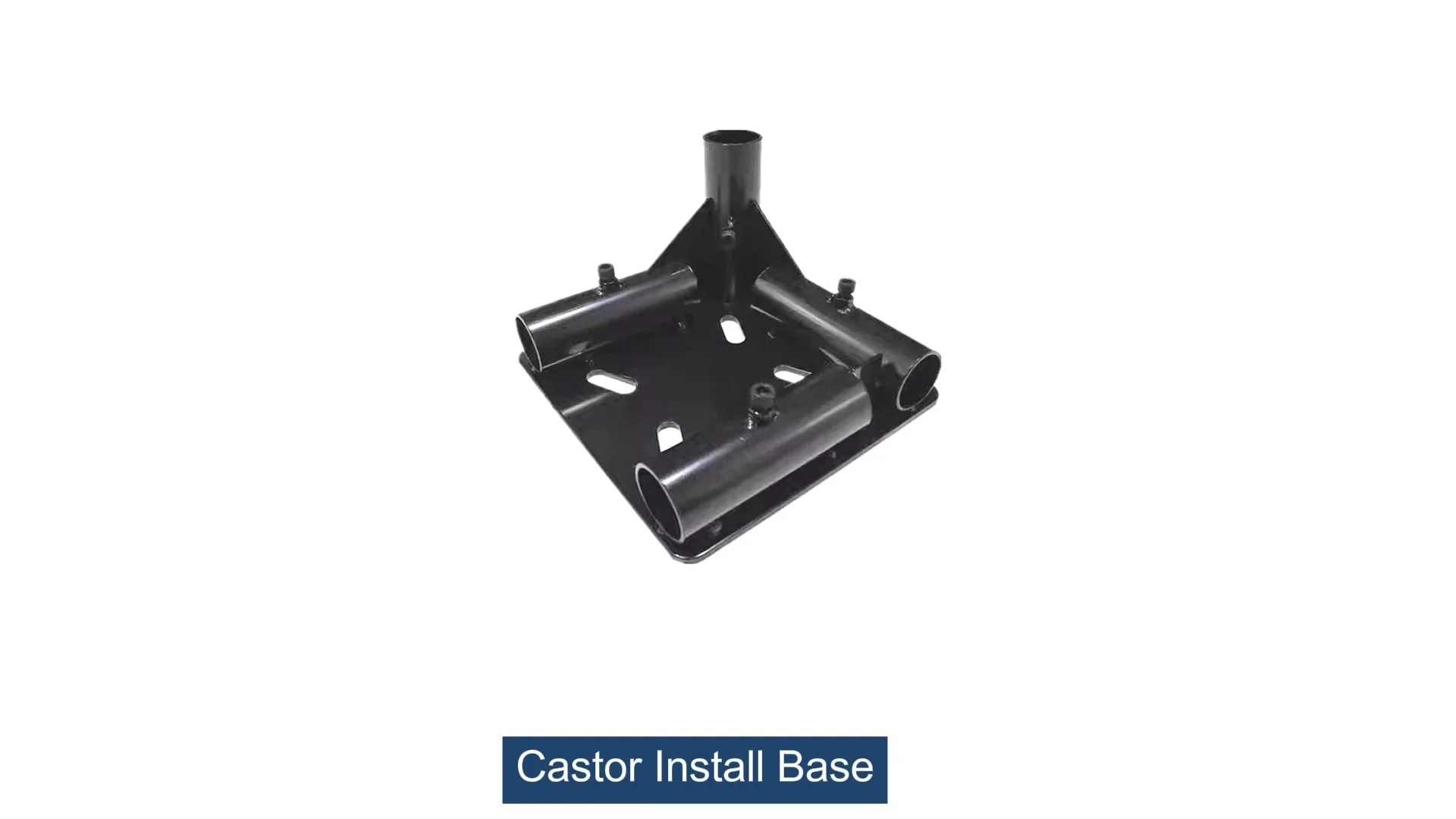
Castor Install Base
Castor install base, used for connection between pipe and castor, it can connect 4 pcs pipe by 1 pcs castor base, to make the structure strong and stable.
In the fast-paced world of lean manufacturing, every component of your workflow matters—especially the stability of your workstations. A wobbly lean pipe workbench or a turnover trolley with loose casters isn't just an annoyance; it can disrupt production, compromise safety, and throw off the carefully calibrated efficiency that lean systems are built on. One of the most common culprits behind instability? Loose castor installation bases. These small but critical components secure casters to your equipment, and when they fail, the ripple effects can be significant. In this guide, we'll walk through why castor installation bases loosen, how to diagnose the problem, and step-by-step solutions to get your workstation back to peak performance. We'll also cover preventive maintenance to keep issues at bay, ensuring your lean system runs smoothly for the long haul.
Understanding the Role of Castor Installation Bases in Lean Workstations
Before diving into troubleshooting, let's clarify what a castor installation base is and why it's so important. Think of it as the bridge between your caster wheel and the frame of your equipment—whether that's a lean pipe workbench, a material rack, or a turnover trolley. The base is typically a metal plate or bracket that bolts directly to the workstation's frame, with holes or slots to attach the caster. Its job is to distribute the weight of the workstation and its load evenly across the caster, ensuring stability even when moving or stopping suddenly.
In lean manufacturing setups, where flexibility and mobility are key, casters allow workstations to be repositioned quickly to adapt to changing production needs. But without a secure installation base, that mobility becomes a liability. A loose base can cause the caster to shift, leading to uneven weight distribution, squeaking wheels, or even the caster detaching entirely. This not only slows down workflows but also creates safety hazards—imagine a loaded trolley tipping because a caster base gave way. That's why maintaining tight, secure castor installation bases is foundational to keeping your lean system efficient and your team safe.
It's also worth noting that castor installation bases aren't one-size-fits-all. They come in different designs to match various workstation types, caster sizes, and load capacities. For example, a heavy-duty material rack might use a thicker, reinforced base, while a lightweight lean pipe workbench could use a slimmer profile. Understanding the specific base on your equipment will make troubleshooting easier, as different designs have different failure points.
Common Causes of Loose Castor Installation Bases
Loose castor installation bases rarely happen without reason. More often than not, they're the result of one (or a combination) of these common issues. By identifying the root cause, you can fix the problem permanently instead of just putting a temporary band-aid on it.
1. Loose or Stripped Bolts
The most obvious culprit is loose bolts. Over time, the vibration from moving the workstation, loading and unloading materials, or even just regular use can cause the bolts securing the base to the frame to wiggle free. In some cases, the threads on the bolts or the frame's threaded holes can wear down, making it impossible to tighten them properly—a problem known as "stripped threads." This is especially common if bolts are overtightened during installation, which weakens the threads over time.
2. Uneven Floors and Misaligned Leveling Feet
Even the sturdiest lean pipe workbench can develop loose castor bases if it's sitting on uneven ground. When a workstation isn't level, more weight shifts to one or two casters, putting extra stress on their installation bases. Over time, this uneven pressure can cause the base to flex or the bolts to loosen as the workstation rocks back and forth. Adjustable leveling feet are supposed to counteract this by letting you stabilize the workstation, but if they're not adjusted correctly (or if they're worn), they can exacerbate the problem.
3. Overloading Beyond Capacity
Every castor installation base has a maximum weight rating, just like the casters themselves. If you regularly load your workstation with more weight than the base is designed to handle, the constant strain can stretch or warp the base, loosen bolts, or even crack the metal. This is a common issue in busy facilities where teams might prioritize speed over checking load limits—for example, piling extra boxes on a turnover trolley to avoid multiple trips. Over time, that extra weight takes a toll on the installation base.
4. Wear and Tear from Environmental Factors
Workshop environments can be tough on equipment. Dust, debris, and moisture can corrode bolts or the base itself, weakening the connection. For example, if metal bolts are exposed to oil or coolant, they might rust, making them harder to tighten (or causing them to snap when you try). Similarly, plastic or rubber components in the base (like washers) can degrade over time, losing their ability to grip and secure the bolts.
5. Poor Initial Installation
Sometimes, the problem starts at the very beginning. If the castor installation base wasn't mounted correctly—whether due to misaligned holes, missing washers, or using the wrong size bolts—it's only a matter of time before it loosens. For instance, using a bolt that's too short might seem to work initially, but it won't fully engage with the frame's threads, leading to gradual loosening with use. Or, if the base isn't flush against the workstation frame, vibration can cause it to shift, wearing down the bolts over time.

Step-by-Step Troubleshooting: Diagnosing Loose Castor Installation Bases
Now that we know why castor installation bases loosen, let's walk through how to diagnose the issue. The key here is to be systematic—start with the simplest checks and work your way up to more complex causes. You'll need a few basic tools: a wrench set (socket and adjustable), a level, a flashlight, and possibly a thread gauge or bolt checker. Let's get started.
Step 1: Visual Inspection
Begin by giving the workstation a once-over. Look at the castor installation base from all angles—kneel down to check the bottom and use a flashlight to spot rust, cracks, or missing components. Are there any visible gaps between the base and the workstation frame? Are the bolts straight, or are they bent? Do you see signs of corrosion, like rust on the bolts or base? Also, check the caster itself: if the wheel is wobbly independently of the base, the issue might be with the caster's axle, not the installation base. But if the entire base shifts when you wiggle the caster, that's a clear sign the base is loose.
Step 2: Test for Stability
Next, test how stable the workstation is. Push gently on different corners of the lean pipe workbench or trolley—does it rock or lean to one side? If it does, note which caster(s) seem to be the source. Then, try moving the workstation slowly across the floor. Do you hear grinding, squeaking, or rattling? A loose base often makes a "clunking" sound when the caster shifts under load. If the workstation veers to one side while moving, that could also indicate uneven weight distribution due to a loose base on one side.
Step 3: Check Bolt Tightness
Using your wrench, attempt to tighten the bolts securing the castor installation base to the workstation frame. Start with a socket wrench for a snug fit—if the bolt turns easily, it was definitely loose. But don't stop there: even if the bolt feels tight, check if it's stripped. A stripped bolt might feel tight initially but will spin freely once you apply pressure, indicating the threads are damaged. If the bolt won't budge, it could be rusted or cross-threaded (a common result of poor initial installation).
Step 4: Inspect Threads and Fasteners
If bolts are loose or stripped, remove them (if possible) to inspect the threads. Look for signs of wear: are the threads flattened, bent, or corroded? Check the workstation frame's threaded holes too—if they're stripped, the bolts won't hold even if you replace them. Also, verify that you're using the correct bolts: they should match the base's hole size and the frame's thread pitch. Using a bolt with the wrong thread pitch (e.g., coarse vs. fine) can cause it to loosen over time, even if it seems tight at first.
Step 5: Evaluate Leveling and Floor Conditions
Place a level on the surface of the workstation to check if it's even. If the bubble is off-center, adjust the adjustable leveling feet (if your workstation has them) to see if that stabilizes the unit. If the workstation becomes stable after adjusting the feet, the loose base might have been a symptom of uneven flooring, not a faulty base. However, if leveling the workstation doesn't fix the base movement, the issue is likely with the base itself or the bolts.
Step 6: Assess Load and Usage Patterns
Finally, consider how the workstation is being used. Has the load increased recently? Are operators pushing or pulling the trolley by the top, causing extra stress on the casters? Sometimes, loose bases are a sign that the workstation is being used beyond its intended capacity. Check the manufacturer's specs for your lean pipe workbench or material rack to confirm the maximum load, and compare it to what's actually being placed on it. If overloading is the issue, redistributing the load might the strain on the castor installation base.

Solutions: Fixing Loose Castor Installation Bases
Once you've diagnosed the cause of the loose castor installation base, it's time to fix it. Below are targeted solutions for the most common issues, from quick fixes to more involved repairs. Always prioritize safety: if the workstation is heavily loaded, unload it before working on the casters, and use a jack or blocks to stabilize the unit if needed.
For Loose Bolts (Non-Stripped Threads)
If the bolts are loose but the threads are still intact, start by tightening them with a torque wrench (if available) to the manufacturer's recommended torque. Over-tightening can strip threads, so avoid using excessive force. For added security, apply a thread-locking compound (like Loctite) to the bolt threads before reinserting them. This prevents vibration from loosening the bolts over time. Make sure to clean the threads first with a wire brush to remove dirt or rust, as debris can prevent proper tightening.
For Stripped Bolts or Threads
Stripped bolts or frame threads require more work. If the bolt is stripped but the frame threads are good, replace the bolt with a new one of the same size, length, and thread pitch. If the frame's threads are stripped, you have a few options:
-
Helicoil inserts:
These are coiled metal sleeves that thread into the stripped hole, creating new threads for the bolt. They're a permanent fix and work well for metal frames.
-
Larger diameter bolts:
If the frame material is thick enough, you can drill out the stripped hole to a larger size and use a bolt with a matching diameter.
-
replace the frame section:
In extreme cases, if the frame is cracked or the hole is too damaged, you may need to replace the part of the frame where the base mounts. This is more involved and might require help from a lean system supplier if you're unsure how to source replacement parts.
For Uneven Floors or Leveling Issues
If uneven floors are causing the base to loosen, adjustable leveling feet are your best friend. These feet screw into the workstation frame (often near the casters) and can be extended or retracted to level the unit. Start by adjusting the feet so the workstation is stable and the level bubble is centered. This reduces uneven weight on the castor installation bases, preventing future loosening. If your workstation doesn't have leveling feet, consider adding them—most lean pipe workbench suppliers offer them as accessories, and they're relatively easy to install.
For Overloading or Weight Distribution Problems
If overloading is the issue, the solution is twofold: first, reduce the load to match the workstation's capacity (check the manufacturer's label or spec sheet). Second, redistribute the load evenly across the workstation. For example, if most of the weight is on one side of a lean pipe workbench, move heavier items to the center or opposite side. If you regularly need to carry heavier loads, consider upgrading to a heavy-duty castor installation base or a workstation with a higher weight rating. Your lean system supplier can help recommend the right components for your needs.
For Corroded or Worn Bases
Corrosion or wear on the castor installation base itself may require replacing the base entirely. Start by removing the old base (you may need to cut through rusted bolts if they're stuck). When shopping for a replacement, ensure it matches the caster size, load capacity, and mounting hole pattern of your workstation. Most lean pipe suppliers carry a range of bases, so check with them for compatibility. When installing the new base, use stainless steel bolts (if your environment is moist) or apply a corrosion-resistant coating to prevent future rust.
For Poor Initial Installation
If the base was installed incorrectly, correct the issue by remounting it properly. Ensure the base is flush against the workstation frame—use shims if needed to fill gaps (but avoid overusing shims, as they can reduce stability). Use the correct size bolts with washers (lock washers or flat washers) to distribute pressure. If the holes in the base don't align with the frame, don't force the bolts—this can bend the base or strip threads. Instead, drill new holes (if possible) or replace the base with one that has matching hole spacing.

Preventive Maintenance: Keeping Castor Installation Bases Secure Long-Term
Fixing a loose castor installation base is important, but preventing it from happening again is even better. A little preventive maintenance goes a long way in extending the life of your workstation and keeping your lean system running smoothly. Below is a simple maintenance schedule and tips to incorporate into your routine.
Weekly Quick Checks
Spend 5-10 minutes each week inspecting castor installation bases on frequently used equipment (like lean pipe workbenches and trolleys). Give the bolts a gentle tug with a wrench to ensure they're tight—you don't need to torque them, just check for movement. Wipe down the base and bolts with a dry cloth to remove dust and debris, which can hide corrosion or wear. Also, listen for unusual sounds when moving the workstation—squeaks or rattles are early warning signs.
Monthly Deep Inspections
Once a month, do a more thorough check:
- Remove and clean bolts (if possible) to inspect for rust or wear.
- Check the base for cracks, bends, or corrosion—pay special attention to welds or stress points.
- Test the workstation's stability by pushing on all corners and moving it across different floor surfaces.
- Lubricate caster wheels and axles (this reduces vibration, which loosens bolts) with a dry lubricant (avoid oil-based lubricants, which attract dust).
- Adjust adjustable leveling feet to ensure the workstation remains level, especially if floors have settled or shifted.
Quarterly Load Capacity Reviews
Every three months, review how your workstations are being used. Are they consistently carrying loads near or above their capacity? If so, consider redistributing tasks or upgrading to higher-capacity equipment. Overloading is a silent killer of castor installation bases, so staying mindful of weight limits can prevent premature wear.
Annual Part Replacements (As Needed)
Even with good maintenance, components wear out. Plan to replace bolts, washers, and thread-locking compound annually (or sooner if you notice signs of wear). If your facility uses a lot of water, oil, or chemicals, consider upgrading to stainless steel bolts or corrosion-resistant bases to extend their lifespan. Your lean system supplier can help you stock spare parts so you're not caught off guard when something needs replacing.
| Maintenance Task | Frequency | Tools Needed | Goal |
|---|---|---|---|
| Tighten loose bolts | Weekly | Socket wrench, torque wrench (optional) | Prevent gradual loosening from vibration |
| Inspect for corrosion/wear | Monthly | Flashlight, wire brush | Catch early signs of damage before failure |
| Lubricate casters | Monthly | Dry lubricant spray | Reduce friction and vibration |
| Adjust leveling feet | Monthly | Level tool, adjustable wrench | Ensure even weight distribution |
| replace bolts/washers | Annually | Socket set, new hardware | Prevent failure from material fatigue |
When to Call in the Pros: Working with a Lean System Supplier
While many loose castor installation base issues can be fixed in-house, there are times when it's better to consult a professional lean system supplier. If you encounter any of the following scenarios, don't hesitate to reach out—delaying could lead to bigger problems down the line:
Persistent Issues Despite DIY Fixes
If you've tightened bolts, replaced hardware, and adjusted leveling feet, but the base keeps loosening, there may be an underlying problem you're missing. For example, the workstation frame could be warped, or the base might be incompatible with the caster type. A supplier can inspect the equipment and identify issues you might not have noticed, like manufacturing defects or mismatched components.
Need for Custom or Replacement Parts
Finding the right replacement base or bolts can be tricky, especially for older or specialized workstations. Lean system suppliers have access to a wide range of parts, including hard-to-find items like custom castor installation bases or aluminum profile accessories. They can also help you source upgraded components, like heavy-duty bases or corrosion-resistant hardware, to better suit your workshop's needs.
Safety Concerns
If the workstation is severely unstable, or if you notice cracks in the frame or base, stop using it immediately and contact a supplier. Safety should never be compromised—continuing to use faulty equipment puts your team at risk of injury. A supplier can assess whether the workstation can be repaired or if it needs to be replaced entirely.
Scaling or Upgrading Your Lean System
If you're expanding production or redesigning your workflow, a lean system supplier can help you integrate new workstations with existing ones, ensuring all components (including castor installation bases) are compatible and up to code. They can also provide guidance on load capacities, mobility needs, and maintenance best practices for your new setup.
Conclusion: Keeping Your Lean System Stable and Efficient
Loose castor installation bases might seem like a small problem, but in the context of lean manufacturing, they're a big deal. They threaten the efficiency, safety, and flexibility that make lean systems so valuable. By understanding the causes of loose bases—from loose bolts to overloading—you can diagnose issues quickly and apply targeted fixes. And with regular preventive maintenance, you can keep those bases tight and your workstations stable for years to come.
Remember, the goal of lean manufacturing is to eliminate waste—including the waste of time spent fixing avoidable equipment issues. By incorporating weekly checks, monthly inspections, and annual part replacements into your routine, you'll minimize downtime and keep your workflow running smoothly. And when you do need help, don't hesitate to reach out to a trusted lean system supplier—they're there to ensure your equipment works as hard as your team does.
At the end of the day, a stable lean pipe workbench or trolley is more than just a piece of equipment. It's a foundation for your team's productivity, safety, and success. Invest the time in maintaining it, and you'll reap the rewards of a lean system that truly delivers on its promise: efficiency, reliability, and continuous improvement.