- Company Articles
- Products and Technology
- Installation And Maintenance
- How to Troubleshoot Loose Connections with Duplex Aluminum Pipe Joints

How to Troubleshoot Loose Connections with Duplex Aluminum Pipe Joints
Related Product
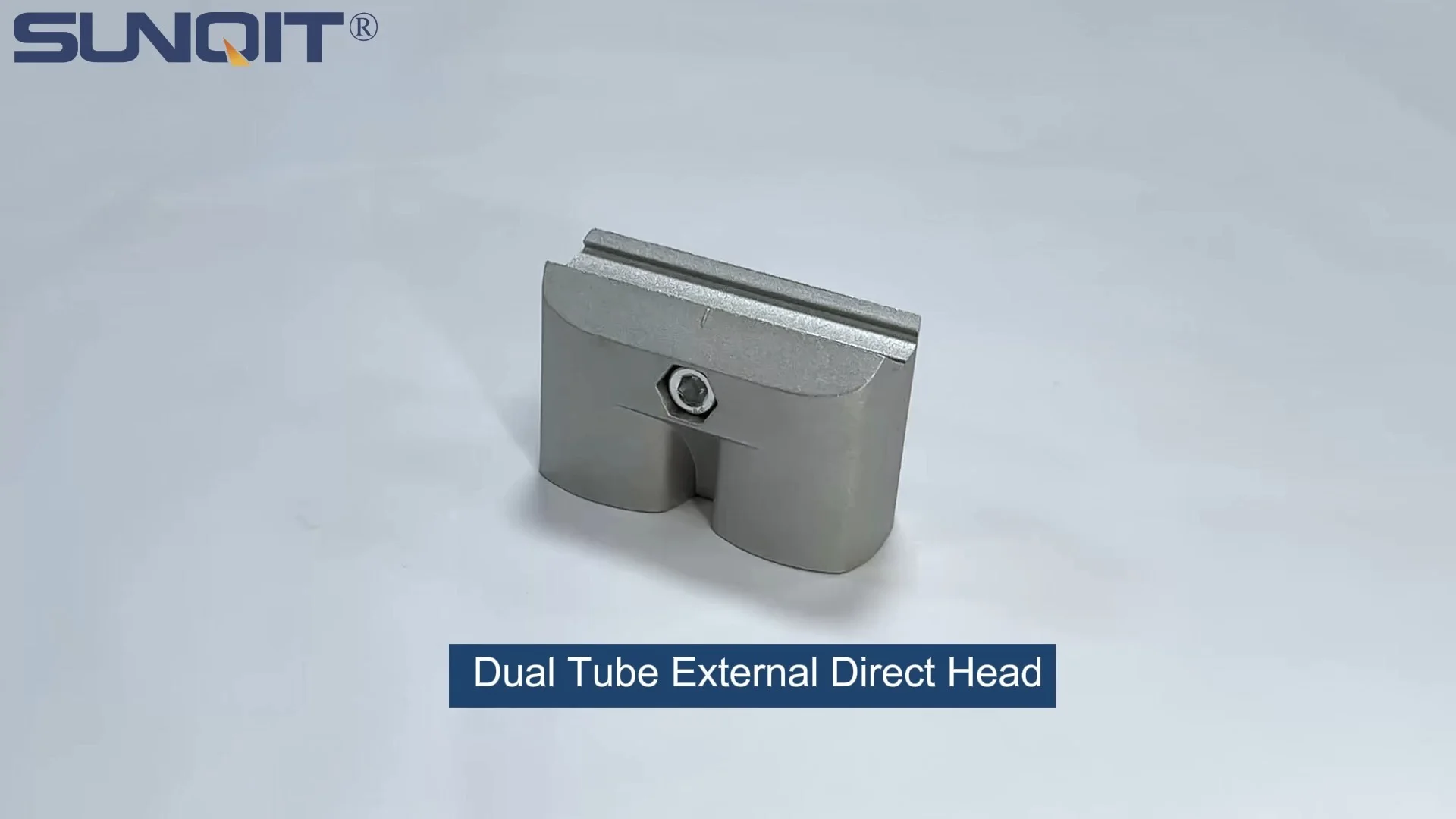
Duplex Aluminum Pipe Joint
Duplex Aluminum pipe joint used for one pcs 28pcs aluminum pipe and one pcs of 28mm duplex pipe connection in straight angle.
In the fast-paced world of manufacturing and assembly, even the smallest component can disrupt an entire operation. For teams relying on lean systems, duplex aluminum pipe joints are the unsung heroes that hold everything together—from workbenches to material racks. But when these joints loosen, productivity grinds to a halt, safety risks rise, and the efficiency of your lean system takes a hit. Let's dive into why these connections fail, how to diagnose the problem, and the steps to fix and prevent it for good.
Understanding Duplex Aluminum Pipe Joints: The Backbone of Modular Systems
Before we jump into troubleshooting, let's get clear on what makes duplex aluminum pipe joints so critical. These components are the linchpins of modular aluminum profile setups, designed to connect basic aluminum tubes into stable, customizable structures. Unlike rigid welding or fixed fasteners, duplex joints offer flexibility—allowing teams to reconfigure workbenches, flow racks, or production lines as needs change. This adaptability is why they're a cornerstone of modern lean systems, where agility and waste reduction are priorities.
A typical duplex aluminum pipe joint consists of two interlocking halves with internal threads or clamping mechanisms. When tightened, they grip the aluminum pipe from the inside, creating a secure bond that can withstand the vibrations, weight, and daily wear of a busy factory floor. But here's the catch: their modular design also makes them vulnerable to loosening if not installed, maintained, or paired with the right aluminum pipe accessories.
Think of it like a bicycle chain: each link (or joint) must hold tight to keep the whole system moving. When one link slips, the chain jams. Similarly, a loose duplex joint in your workbench or material rack can cause shelves to sag, equipment to wobble, or even collapse—leading to damaged parts, delayed orders, and frustrated teams.
Why Do Duplex Aluminum Pipe Joints Loosen? Common Culprits
Loose connections rarely happen randomly. They're usually a symptom of one (or more) underlying issues. Let's break down the most frequent causes, so you can target your troubleshooting efforts:
1. Improper Installation: Rushing the Basics
The number one culprit? Cutting corners during setup. Installing a duplex joint might seem straightforward—just slide it onto the pipe and tighten, right? Wrong. If the aluminum pipe ends aren't properly deburred, for example, sharp edges can damage the joint's internal grip mechanism over time. Or, if the installer doesn't align the pipes perfectly before tightening, uneven stress builds up, causing the joint to loosen as the structure shifts under load.
Another common mistake is under-tightening. Many teams use manual tools like hex keys without torque guidelines, assuming "hand-tight" is enough. But aluminum expands and contracts with temperature changes, and vibrations from nearby machinery can gradually undo even a "snug" joint. Without calibrated torque (typically 20–25 Nm for standard duplex joints), the connection is a ticking time bomb.
2. Mismatched Components: Using the Wrong Aluminum Pipe Accessories
Not all aluminum pipes and joints are created equal. A duplex joint designed for a 28mm basic aluminum tube won't work with a 30mm pipe—and forcing it will lead to a loose fit. Even within the same diameter, generic or low-quality aluminum pipe accessories can cause problems. Off-brand joints might have inconsistent thread depth or weaker clamping materials, failing to grip the pipe securely. This is especially true for joints paired with corrugated aluminum pipes or specialty tubes, which require matching internal profiles to lock in place.
3. Environmental Stress: Vibrations, Loads, and Wear
Your factory floor isn't a quiet, static environment. Conveyors hum, forklifts rumble, and operators lean on workbenches—all sending vibrations through your aluminum profile structures. Over time, these micro-movements can shake a duplex joint loose, especially if it's already slightly under-tightened. Heavy loads compound the issue: a workbench shelf stacked with 50kg of tools puts constant downward pressure on the joints, stretching the aluminum pipe and weakening the connection.
Wear and tear also play a role. If the joint's internal clamping surfaces are scratched or corroded (from exposure to moisture or chemicals), they lose their ability to grip. Even small dents in the aluminum pipe can create gaps between the pipe and joint, reducing friction and stability.

Step-by-Step Troubleshooting: Diagnosing Loose Connections
So, your workbench is wobbling, or a flow rack shelf is tilting—and you suspect a loose duplex joint. How do you confirm the issue and pinpoint the cause? Follow this methodical approach to avoid guesswork:
Step 1: Visual Inspection – Look for the Obvious
Start with a close-up exam of the suspect joint. Put on gloves (to avoid cuts from sharp edges) and check for:
- Gaps or misalignment: Is there space between the joint and the pipe? Does the joint sit crookedly, with one side higher than the other?
- Damage to the joint: Cracks in the aluminum body, stripped threads, or bent clamping tabs are red flags. Even hairline fractures can compromise grip.
- Pipe condition: Dents, scratches, or corrosion on the aluminum pipe near the joint. These imperfections create weak points where the joint can slip.
- Accessory issues: Are there missing washers, or is the joint paired with a parallel fixation aluminum pipe joint that's not fully engaged?
Pro tip: Use a flashlight to check the joint's interior through the pipe ends—you might spot debris (like metal shavings from cutting) that's preventing a tight seal.
Step 2: Physical Testing – Feel for Movement
Next, test the joint's stability. With one hand on the pipe above the joint and the other below, gently twist and pull. A secure joint should feel rigid—no give, no creaking, no sliding. If it moves, even slightly, it's loose. For vertical joints (like those holding up a workbench leg), push sideways on the structure; excessive sway indicates the joint isn't gripping.
For loaded structures (e.g., a material rack with boxes), remove the weight first. Testing under load can mask movement—you want to isolate the joint's performance without external stress.
Step 3: Torque Verification – Check Tightness with Precision
If visual and physical tests suggest a loose joint, grab a torque wrench. Most duplex aluminum pipe joints come with manufacturer specs (check the packaging or supplier's website). For example, a standard 28mm joint might require 22 Nm. Fit the wrench to the joint's hex socket and slowly apply pressure—if the wrench clicks before reaching the spec, the joint was under-tightened. If it doesn't click (i.e., the joint is already tighter than the spec), over-tightening could have stripped the threads.
Step 4: Environmental Assessment – Rule Out External Factors
Sometimes the joint itself isn't the problem—it's the environment. Walk around the structure and note:
- Vibration sources: Is the workbench next to a conveyor or stamping machine? Constant shaking can loosen even properly tightened joints over weeks or months.
- Temperature swings: Extreme heat (e.g., near ovens) or cold (e.g., uninsulated warehouses) causes aluminum to expand and contract, weakening the joint's grip.
- Overloading: Check the weight limit of your aluminum profile structure. A workbench rated for 150kg shouldn't hold 200kg of tools—excess weight strains joints.
| Cause | Symptom | Quick Fix |
|---|---|---|
| Under-tightening | Joint twists slightly when pulled; no visible damage | Retighten to manufacturer's torque spec (e.g., 22 Nm) |
| Mismatched pipe/joint size | Visible gap between joint and pipe; joint slides easily | replace with joint sized for your aluminum pipe diameter |
| Damaged joint threads | Wrench spins freely; joint won't tighten | replace joint with new aluminum pipe accessories |
| Excessive vibration | Joint tightens initially but loosens after 1–2 weeks | Add thread-locking compound; insulate structure from vibration |

Fixing Loose Connections: Step-by-Step Repairs
Once you've diagnosed the cause, it's time to fix the joint. Here's how to address the most common scenarios:
Scenario 1: Under-Tightening or Minor Loosening
If the joint is intact, the pipe is undamaged, and the issue is simply under-tightening, you're in luck—this is the easiest fix. Follow these steps:
- Clean the joint and pipe with a dry cloth to remove dust or grease.
- Fit a torque wrench with the correct hex bit (usually 5mm or 6mm for standard joints).
- Slowly tighten the joint until the wrench clicks at the manufacturer's specified torque (check the joint's packaging or your supplier's guidelines).
- Test stability again by twisting/pulling—if it's still loose, repeat and increase torque by 2–3 Nm (but never exceed 30 Nm, as this can strip threads).
Scenario 2: Damaged Joint or Mismatched Components
If the joint is cracked, stripped, or paired with the wrong pipe size, replacement is non-negotiable. Here's how to swap it out:
- Disassemble safely: Remove any weight from the structure (e.g., empty the workbench shelf). Use a wrench to loosen the damaged joint and slide it off the pipe.
- Inspect the pipe: If the aluminum pipe is dented or corroded where the joint sat, cut off the damaged section with a pipe cutter. Deburr the new end with a file to remove sharp edges.
- Choose the right replacement: Match the new joint to your pipe diameter (e.g., 28mm for basic aluminum tube) and ensure it's compatible with your aluminum profile system. Stick to trusted aluminum pipe accessories—generic joints often skimp on material quality.
- Reinstall with care: Slide the new joint onto the pipe, align the structure, and tighten to the correct torque. For extra security, apply a drop of medium-strength thread-locking compound (like Loctite 243) to the joint's threads before tightening—it prevents loosening from vibration.
Scenario 3: Environmental Stress (Vibration or Overloading)
If vibrations or excess weight are the root cause, repairs alone won't cut it—you need to modify the setup:
- Add reinforcement: Install parallel fixation aluminum pipe joints next to the duplex joint to distribute weight. These accessories clamp onto the pipe externally, adding a second layer of stability.
- Dampen vibrations: Place rubber isolation pads under the structure's feet or wrap high-vibration areas with foam tape. For extreme cases, consider upgrading to heavy-duty caster wheels with shock-absorbing properties.
- Reduce load: Remove unnecessary weight from shelves or reconfigure the structure to spread weight evenly (e.g., add a center support bracket to long spans).
Real-World Fix: How a Electronics Plant Solved Chronic Joint Loosening
Let's look at a practical example. A mid-sized electronics manufacturer was struggling with a recurring issue: the duplex aluminum pipe joints on their PCB assembly workbench kept loosening every 2–3 weeks. The upper shelf, holding sensitive testing equipment, would wobble, risking damage to $500+ circuit boards. Their initial fix—re-tightening the joints—only worked temporarily.
After troubleshooting, the team discovered two issues: first, the joint was a generic brand from a discount supplier, with thin aluminum walls that bent under the shelf's 80kg load. Second, the workbench sat 3 feet from a high-speed conveyor, whose vibrations were gradually undoing the joints.
The solution? They switched to high-quality duplex joints from a reputable aluminum pipe supplier, paired with parallel fixation aluminum pipe joints for extra support. They also added rubber vibration-dampening pads under the workbench legs and trained the maintenance team to check torque monthly with a calibrated wrench. Six months later, the joints haven't loosened once—and the plant saved $12,000 in avoided PCB damage and downtime.

Preventing Loose Joints: Maintenance Habits for Long-Term Stability
The best way to handle loose joints is to prevent them from happening in the first place. Here's how to build a proactive maintenance routine:
1. Train Your Team on Proper Installation
Even the best aluminum pipe accessories fail if installed incorrectly. Hold quarterly training sessions for new and existing staff, covering:
- How to match joint size to pipe diameter (e.g., 28mm joints for basic aluminum tube).
- Proper torque specs (post a cheat sheet by workstations: "22 Nm for duplex joints, 25 Nm for heavy-duty models").
- Pipe preparation: deburring, cleaning, and aligning before joint installation.
2. Schedule Regular Inspections
Set a calendar reminder for monthly "joint checks." Assign a team member to walk the floor and:
- Visually inspect all duplex joints for cracks, gaps, or corrosion.
- Test stability by gently twisting/pulling on pipes.
- Retighten any joints that feel loose (using a torque wrench).
- replace damaged joints immediately—don't wait for them to fail.
For high-stress areas (like workbenches near conveyors), increase inspections to biweekly.
3. Invest in Quality Components
It's tempting to cut costs with cheap aluminum pipe accessories, but the savings aren't worth the downtime. Choose joints made from high-grade aluminum alloy (6063-T5 is industry standard) and buy from suppliers who specialize in lean system components. Look for certifications like ISO 9001—they indicate rigorous quality control.
4. Document and Learn
Keep a log of loose joints: where they occurred, the cause, and the fix. Over time, you'll spot patterns (e.g., "Joints near the stamping machine loosen faster") and adjust your setup or maintenance routine accordingly. This data is gold for optimizing your lean system's long-term efficiency.
Final Thoughts: Tight Joints, Tight Operations
Loose duplex aluminum pipe joints might seem like a small problem, but in the context of a lean system, they're a big deal. They disrupt workflow, compromise safety, and erode the efficiency that makes lean manufacturing so powerful. By understanding why joints loosen, methodically troubleshooting issues, and investing in proper installation and maintenance, you can keep your aluminum profile structures stable, your team productive, and your operations running like clockwork.
Remember: your lean system is only as strong as its weakest link. Make sure those links—your duplex aluminum pipe joints—are tight, well-maintained, and ready to handle whatever the factory floor throws at them.