- Company Articles
- Products and Technology
- Installation And Maintenance
- How to Troubleshoot Mini Aluminum Roller Track Black Jamming Issues

How to Troubleshoot Mini Aluminum Roller Track Black Jamming Issues
Related Product
Mini Aluminum Roller Track Black
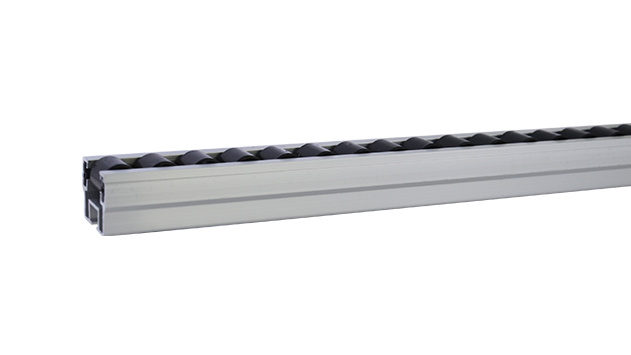
Mini aluminum roller track black for modular system, lean solution.Durable and smooth-running modular roller rails. The system is fully assembled. The roller rail profile contains plastic rollers mounted on steel axles.
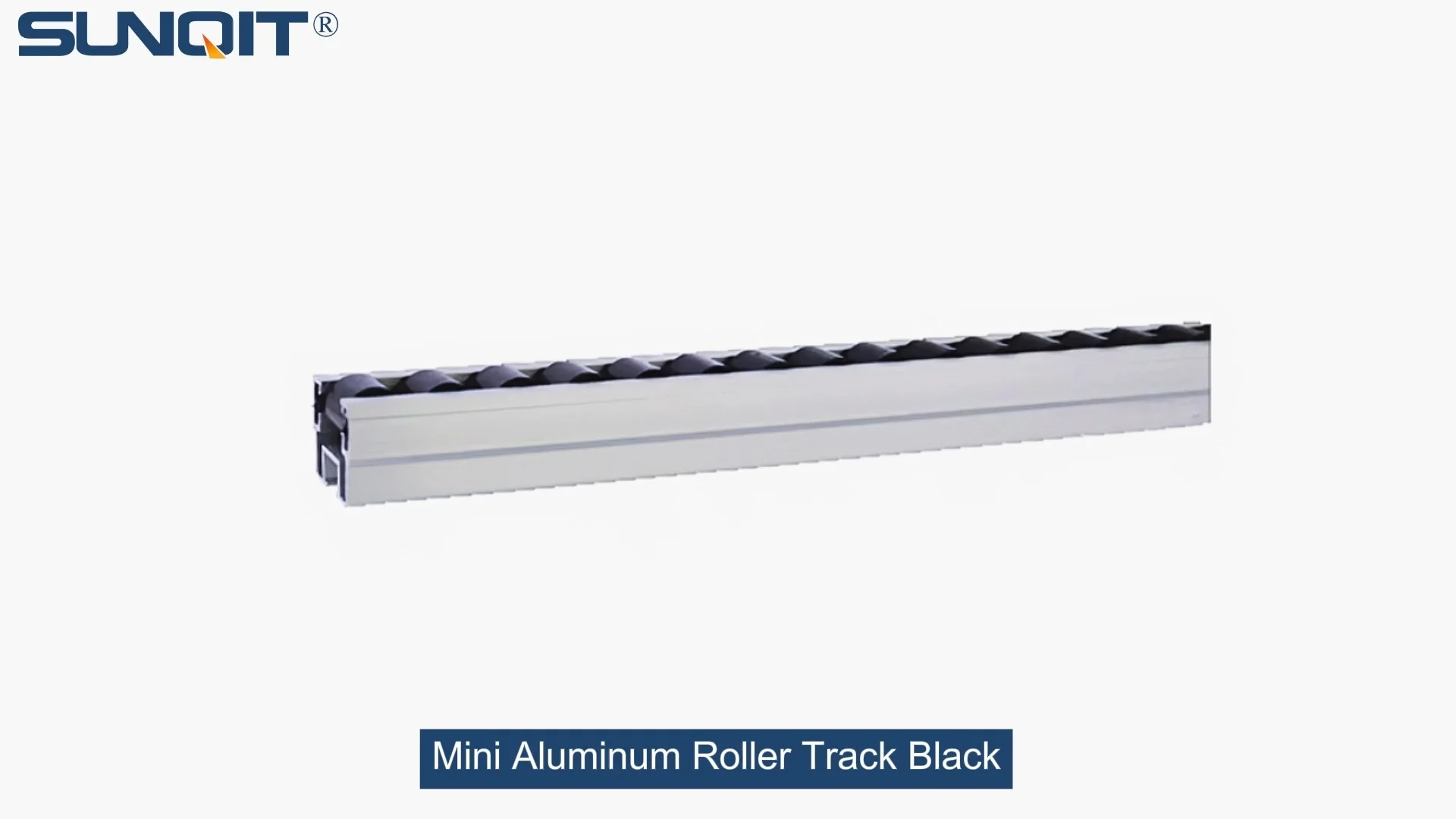
Mini aluminum roller track black is a workhorse in many lean systems, from flow racks that keep inventory moving to lean pipe workbenches where assembly tasks happen. But when it jams, it can throw a wrench into your entire operation—slowing down production, frustrating workers, and undermining the efficiency your lean system is supposed to deliver. This guide will walk you through common causes of jamming, step-by-step troubleshooting, preventive maintenance tips, and when to call in a professional to get your track back in top shape.
1. Understanding Your Mini Aluminum Roller Track Black
Before diving into fixes, let's get to know the track itself. Mini aluminum roller track black is a compact, lightweight track system made of aluminum profiles and black rollers (often plastic or coated metal) designed for smooth, low-friction movement of small to medium-sized items. It's a popular choice in industries like 3C assembly, warehousing, and manufacturing because of its durability and flexibility.
Key components include:
-
Aluminum Frame:
The rigid base that holds the rollers in place, usually made of extruded aluminum for strength and corrosion resistance.
- Black Rollers: The moving parts that allow items to slide—their black coating often provides extra protection against scratches and wear.
- Roller Track Connectors: Small parts that link track segments together, ensuring alignment and stability.
- End Stops: Prevents items from sliding off the end of the track.
- Support Brackets: Holds the track to a flow rack, lean pipe workbench, or other structure.
- Black Rollers: The moving parts that allow items to slide—their black coating often provides extra protection against scratches and wear.
- Roller Track Connectors: Small parts that link track segments together, ensuring alignment and stability.
- End Stops: Prevents items from sliding off the end of the track.
- Support Brackets: Holds the track to a flow rack, lean pipe workbench, or other structure.
This track is often used in flow racks to move bins of parts to workers, or on lean pipe workbenches to pass components between stations. Its mini size makes it ideal for tight spaces where larger tracks won't fit.
2. Common Causes of Jamming
Jamming doesn't happen without reason. Let's look at the most frequent culprits:
2.1 Dirt and Debris Buildup
The number one cause of jamming is dirt and debris getting stuck between rollers or in the gaps of the track. In manufacturing settings, this could be tiny metal shavings, plastic particles, dust, or even grease from oily parts. Over time, these particles accumulate and block the rollers from spinning freely. For example, in a 3C assembly line, small screws and phone case fragments often find their way into the track, causing items to stick or slow down.
2.2 Misalignment of Track Segments or Rollers
If your track is made of multiple segments, loose roller track connectors can cause segments to shift out of alignment. This creates uneven spots where items can get caught. Similarly, rollers that are not seated correctly in their slots (tilted or off-center) can stop spinning, leading to jams. Misalignment often happens over time due to regular use or improper installation.
2.3 Worn or Damaged Rollers
Rollers are the heart of the track, and they wear out with use. Signs of worn rollers include: slow spinning, grinding noises, cracks in the black coating, or flat spots on the roller surface. Worn rollers don't move smoothly, so items sliding over them can get stuck. For instance, if a roller's bearing is seized, it won't spin at all, creating a static point that blocks items.
2.4 Improper Load Distribution
Mini aluminum roller track black has a specific load capacity (usually between 5-15 kg per meter, depending on the model). Exceeding this limit can bend the aluminum frame or cause rollers to stop spinning. Even if you don't exceed the weight limit, placing irregularly shaped items (like boxes with uneven bottoms) can cause jams because they don't sit flat on the rollers.
2.5 Environmental Factors
The environment plays a big role in track performance. High humidity can lead to rust on metal components like roller track connectors, making them hard to adjust or causing them to stick. Extreme temperatures (too hot or too cold) can warp plastic rollers or cause the aluminum frame to expand/contract, leading to misalignment. For example, in a warehouse with high humidity, the metal parts of the track might start to rust, which can jam the rollers or connectors.
3. Step-by-Step Troubleshooting Guide
Before starting any repairs, make sure to take safety precautions: remove all items from the track, turn off any powered systems (if the track is part of a conveyor), and wear gloves to protect your hands from sharp edges or debris.
3.1 Fixing Dirt and Debris Buildup
1.
Clear the Track:
Remove all items from the track to get a clear view of the problem areas.
2. Brush Away Debris: Use a soft-bristled, non-abrasive brush (like a toothbrush or small paintbrush) to gently scrub between the rollers. Be careful not to scratch the black rollers or aluminum frame.
3. Clean Sticky Residue: For grease or sticky dirt, mix a small amount of mild dish soap with warm water. Dip a soft cloth into the solution and wipe the affected areas. Avoid harsh chemicals like bleach or ammonia—they can damage the black coating on the rollers.
4. Dry Thoroughly: Use a clean, dry cloth to wipe the track completely. Moisture left on the track can lead to rust or mold.
5. Test the Track: Place a small item on the track and slide it to see if it moves smoothly. If not, repeat the steps or check for other issues.
2. Brush Away Debris: Use a soft-bristled, non-abrasive brush (like a toothbrush or small paintbrush) to gently scrub between the rollers. Be careful not to scratch the black rollers or aluminum frame.
3. Clean Sticky Residue: For grease or sticky dirt, mix a small amount of mild dish soap with warm water. Dip a soft cloth into the solution and wipe the affected areas. Avoid harsh chemicals like bleach or ammonia—they can damage the black coating on the rollers.
4. Dry Thoroughly: Use a clean, dry cloth to wipe the track completely. Moisture left on the track can lead to rust or mold.
5. Test the Track: Place a small item on the track and slide it to see if it moves smoothly. If not, repeat the steps or check for other issues.
3.2 Fixing Misalignment
1.
Inspect Connectors:
Check all roller track connectors for looseness. Most connectors use a 3mm Allen wrench for tightening—turn the wrench clockwise to secure any loose connectors.
2. Check Track Alignment: Place a straight edge (like a ruler or level) along the length of the track. If there are gaps between segments or the track is uneven, adjust the connectors until the segments are flush and aligned.
3. Align Rollers: Spin each roller to see if it's tilted. If a roller is off-center, gently push it back into its slot. If it won't stay, check if the slot is damaged (if so, you may need to replace the track segment).
4. Test Alignment: Slide an item along the track to ensure it moves without getting caught. If it still jams, check for other issues like worn rollers.
2. Check Track Alignment: Place a straight edge (like a ruler or level) along the length of the track. If there are gaps between segments or the track is uneven, adjust the connectors until the segments are flush and aligned.
3. Align Rollers: Spin each roller to see if it's tilted. If a roller is off-center, gently push it back into its slot. If it won't stay, check if the slot is damaged (if so, you may need to replace the track segment).
4. Test Alignment: Slide an item along the track to ensure it moves without getting caught. If it still jams, check for other issues like worn rollers.
3.3 Fixing Worn or Damaged Rollers
1.
Identify Worn Rollers:
Spin each roller—if it doesn't spin smoothly, makes a grinding noise, or has cracks/scratches on the black surface, it's time to replace it.
2. Remove the Roller: Depending on the track design, you may need to lift the roller out of its slots or unscrew the roller track connector holding it. For most mini tracks, simply lifting the roller upwards (with a small flathead screwdriver if needed) will remove it.
3. replace the Roller: Purchase a replacement mini aluminum roller track black from a reputable lean pipe supplier to ensure compatibility. insert the new roller into the slots and push down until it clicks into place.
4. Test the New Roller: Spin the roller to confirm it moves freely. Slide an item over it to check for smooth movement.
2. Remove the Roller: Depending on the track design, you may need to lift the roller out of its slots or unscrew the roller track connector holding it. For most mini tracks, simply lifting the roller upwards (with a small flathead screwdriver if needed) will remove it.
3. replace the Roller: Purchase a replacement mini aluminum roller track black from a reputable lean pipe supplier to ensure compatibility. insert the new roller into the slots and push down until it clicks into place.
4. Test the New Roller: Spin the roller to confirm it moves freely. Slide an item over it to check for smooth movement.
3.4 Fixing Load Issues
1.
Check Load Capacity:
Refer to the product manual or contact your lean pipe supplier to find the maximum load capacity of your track.
2. Adjust Loads: Ensure all items placed on the track are within the weight limit. For heavier items, use a larger track or add extra support brackets.
3. Use Flat-Bottomed Items: Avoid placing irregularly shaped items on the track. If you need to move such items, use a flat tray or bin to distribute the weight evenly.
4. Test Loads: Place a properly sized item on the track and slide it to confirm it moves smoothly.
2. Adjust Loads: Ensure all items placed on the track are within the weight limit. For heavier items, use a larger track or add extra support brackets.
3. Use Flat-Bottomed Items: Avoid placing irregularly shaped items on the track. If you need to move such items, use a flat tray or bin to distribute the weight evenly.
4. Test Loads: Place a properly sized item on the track and slide it to confirm it moves smoothly.
3.5 Fixing Environmental Issues
1.
Remove Rust:
For rusted roller track connectors or metal parts, use a mild rust remover (like vinegar or a commercial rust cleaner) and a soft cloth. Gently scrub the rusted area until it's gone. Rinse with water and dry thoroughly.
2. Prevent Future Rust: Apply a thin layer of anti-rust oil or spray to the metal parts to protect them from moisture.
3. Fix Warped Rollers: If plastic rollers are warped due to extreme temperatures, replace them immediately. Warped rollers can't spin properly and will cause persistent jams.
4. Control Environment: In high-humidity areas, use a dehumidifier to reduce moisture. In extreme temperatures, consider moving the track to a more controlled space or adding insulation to the frame.
2. Prevent Future Rust: Apply a thin layer of anti-rust oil or spray to the metal parts to protect them from moisture.
3. Fix Warped Rollers: If plastic rollers are warped due to extreme temperatures, replace them immediately. Warped rollers can't spin properly and will cause persistent jams.
4. Control Environment: In high-humidity areas, use a dehumidifier to reduce moisture. In extreme temperatures, consider moving the track to a more controlled space or adding insulation to the frame.
| Common Cause | Quick Troubleshooting Steps | Tools Needed |
|---|---|---|
| Dirt/Debris Buildup | Brush between rollers; clean with mild soap solution; dry thoroughly. | Soft brush, mild soap, cloth, water. |
| Misalignment | Tighten roller track connectors; adjust track segments; align rollers. | Allen wrench (3mm), straight edge. |
| Worn Rollers | replace worn rollers with mini aluminum roller track black. | Flathead screwdriver (optional), replacement rollers. |
| Overload/Irregular Loads | Reduce load weight; use flat trays for irregular items. | None (just proper load adjustment). |
| Rust/Warped Rollers | Remove rust; replace warped rollers; control environment. | Rust remover, cloth, anti-rust oil, replacement rollers. |

4. Preventive Maintenance Tips to Avoid Future Jams
The best way to deal with jams is to prevent them from happening in the first place. Here are some tips to keep your track running smoothly:
4.1 Regular Cleaning Schedule
Set a consistent cleaning routine based on usage:
-
High-Volume Areas:
Weekly cleaning (e.g., lean pipe workbenches in production lines).
- Medium-Volume Areas: Bi-weekly cleaning (e.g., flow racks in picking zones).
- Low-Volume Areas: Monthly cleaning (e.g., storage tracks).
Stick to the schedule to avoid debris buildup.
- Medium-Volume Areas: Bi-weekly cleaning (e.g., flow racks in picking zones).
- Low-Volume Areas: Monthly cleaning (e.g., storage tracks).
Stick to the schedule to avoid debris buildup.
4.2 Monthly Inspections
Every month, take 10-15 minutes to inspect your track:
- Check for loose roller track connectors.
- Spin each roller to ensure it moves freely.
- Look for signs of wear (cracks, scratches, rust).
- Ensure track segments are aligned.
Keep a log of inspections to track issues over time and address them before they become major problems.
- Spin each roller to ensure it moves freely.
- Look for signs of wear (cracks, scratches, rust).
- Ensure track segments are aligned.
Keep a log of inspections to track issues over time and address them before they become major problems.
4.3 Proper Usage Training
Teach your team how to use the track correctly:
- Don't exceed the track's load capacity.
- Push items gently along the track—don't drag them.
- Avoid placing sharp objects on the track that could scratch the rollers.
- Remove items from the track when not in use to prevent unnecessary weight on the rollers.
- Push items gently along the track—don't drag them.
- Avoid placing sharp objects on the track that could scratch the rollers.
- Remove items from the track when not in use to prevent unnecessary weight on the rollers.
4.4 Stock Replacement Parts
Keep extra mini aluminum roller track black rollers, roller track connectors, and cleaning supplies on hand. This way, you can fix jams quickly without waiting for parts to arrive. A reliable lean pipe supplier can provide these parts at short notice, so you don't have to deal with downtime.
4.5 Seasonal Adjustments
Adjust your maintenance routine based on the season:
-
Rainy Season:
Increase cleaning frequency to prevent moisture buildup and rust.
- Cold Season: Check for frame contraction (which can cause misalignment) and tighten connectors if needed.
- Hot Season: Inspect plastic rollers for warping and replace them if necessary.
- Cold Season: Check for frame contraction (which can cause misalignment) and tighten connectors if needed.
- Hot Season: Inspect plastic rollers for warping and replace them if necessary.

5. When to Call a Professional
While most jams can be fixed with DIY steps, there are times when you need to call in an expert:
5.1 Severe Structural Damage
If the aluminum frame is bent or cracked, DIY fixes won't restore its integrity. A professional can assess the damage and recommend replacing the track or repairing it with specialized tools.
5.2 Persistent Jams
If you've tried all troubleshooting steps and the track still jams, it might indicate an underlying issue like improper installation or incompatible parts. A professional can identify the root cause and fix it correctly.
5.3 Need for Customization
If your current track isn't meeting your needs (e.g., you need to integrate it into a new flow rack or lean pipe workbench), a professional can design a custom solution tailored to your operation.
5.4 Safety Concerns
If the track is part of a powered conveyor system or has electrical components, don't attempt to fix it yourself. Call a qualified technician to avoid safety hazards.
When looking for professional help, choose a reputable lean pipe supplier with experience in mini aluminum roller tracks. They can provide genuine parts, expert advice, and reliable repairs to get your track back to working order.
6. Conclusion
Mini aluminum roller track black is a vital part of many lean systems, but it requires regular care to keep it running smoothly. By understanding the common causes of jamming, following the step-by-step troubleshooting guide, and implementing preventive maintenance tips, you can minimize downtime and keep your operation efficient. Remember, when in doubt, reach out to a trusted lean pipe supplier for help—they have the expertise and parts to get your track back in shape quickly.