- Company Articles
- Products and Technology
- Product knowledge
- How to select Turning Angle Code 4040 for Medical Device Manufacturing Racks

How to select Turning Angle Code 4040 for Medical Device Manufacturing Racks
Related Product
Turning Angle Code 4040
The turning angle aluminum profile connector provides a 90 degree hidden corner connection. 4040 it is means this size is used for 40 series aluminum profile.The corner code comes with set screws that allow for quick, easy connections.
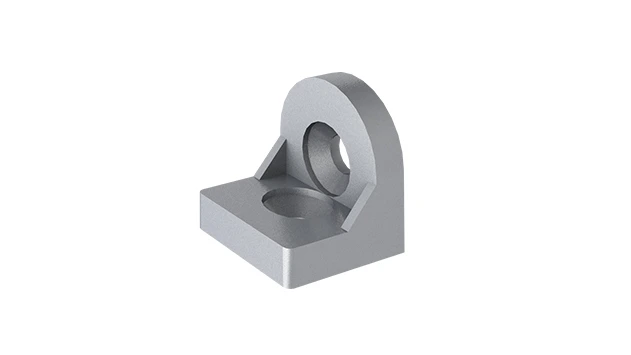
In the precise world of medical device manufacturing, every component—no matter how small—plays a critical role in ensuring safety, efficiency, and reliability. Among these components, the Turning Angle Code 4040 might seem unassuming, but it's the silent workhorse that holds your aluminum profile racks together. Let's dive into how to choose the right one for your facility.
Why Turning Angle Code 4040 Matters in Medical Manufacturing
Medical device manufacturing is a realm where precision isn't just a goal—it's a requirement. From delicate surgical instruments to life-saving monitors, the tools and components you handle demand racks that are stable, durable, and easy to clean. The Turning Angle Code 4040 is the linchpin of these racks: it connects aluminum profile frames at corners, ensuring the structure can withstand daily use, heavy loads, and the rigorous demands of a medical environment.
Imagine a rack holding sterilized surgical kits or sensitive electronic components. If the angle code connecting its aluminum profiles fails, the consequences could range from damaged inventory to production delays—or worse, compromised patient safety. A weak or ill-fitting angle code might loosen over time, causing shelves to sag or racks to wobble. In contrast, a high-quality Turning Angle Code 4040 creates a tight, secure joint that maintains structural integrity, even in high-traffic areas like cleanrooms or assembly lines.
But not all angle codes are created equal. Medical facilities have unique needs: resistance to corrosion from cleaning agents, compatibility with strict hygiene standards, and the ability to support dynamic loads (think: frequent loading/unloading of heavy equipment). That's why selecting the right Turning Angle Code 4040 isn't just about picking a part off a shelf—it's about choosing a component that aligns with your facility's specific challenges.
Key Factors to Consider When Choosing a Turning Angle Code 4040
Selecting the right Turning Angle Code 4040 involves balancing several critical factors. Let's break them down to help you make an informed decision.
1. Material: Aluminum vs. Stainless Steel
The material of your angle code directly impacts its performance in a medical setting. Most Turning Angle Code 4040 options are made from aluminum or stainless steel, each with pros and cons:
- Aluminum: Lightweight, corrosion-resistant, and easy to machine. It's ideal for cleanrooms where weight matters (e.g., mobile racks) and where frequent cleaning with disinfectants is required. However, it may not handle extremely heavy static loads as well as steel.
- Stainless Steel: Stronger and more durable for heavy-duty applications. It's resistant to rust and can withstand harsher chemicals, making it suitable for racks holding autoclaved equipment or industrial-grade tools. The downside? It's heavier, which may limit mobility.
2. Load Capacity: Static vs. Dynamic
Your racks will face two types of loads: static (items sitting on shelves for extended periods) and dynamic (items being loaded, unloaded, or moved around). The Turning Angle Code 4040 must support both without bending or breaking.
For example, a rack storing bulky MRI machine parts might need a code rated for 500 lbs of static load, while a workbench rack for daily tool storage might require 300 lbs. Always check the manufacturer's load ratings—don't just guess. A good rule of thumb: aim for a code that can handle 20% more than your expected maximum load to account for unexpected stress.
3. Compatibility with Aluminum Profiles
The 4040 in "Turning Angle Code 4040" refers to its compatibility with 40mm x 40mm aluminum profile s—the industry standard for medical racks. But not all 4040 profiles are identical. Some have thicker walls, different T-slot sizes, or unique designs (e.g., rounded edges for easy cleaning). Your angle code must fit snugly into the profile's T-slots and align with its bolt holes to ensure a secure fit.
Pro tip: If you're unsure, ask your supplier for a sample. Test the angle code with your existing profiles to check for wobble or gaps. A loose fit is a red flag—it means the code might loosen over time, putting your rack at risk.
4. Corrosion Resistance
Medical manufacturing facilities are no strangers to harsh cleaning protocols. From alcohol wipes to industrial-grade disinfectants, your racks (and their angle codes) need to stand up to frequent exposure. Aluminum angle codes often come anodized (a protective oxide layer) to resist corrosion, while stainless steel codes use chromium to fight rust. Avoid uncoated steel codes—they'll rust quickly in humid or chemically intensive environments.
5. Ease of Installation and Adjustment
Time is money, especially in a busy manufacturing plant. A Turning Angle Code 4040 that's complicated to install or adjust can slow down rack assembly and maintenance. Look for codes with pre-drilled holes, compatible with standard tools (e.g., hex keys), and designed for quick tightening. Some even feature built-in locking mechanisms to prevent bolts from loosening due to vibration—a small detail that saves hours of re-tightening down the line.

Comparing Turning Angle Code 4040 Options: A Quick Reference
To simplify your decision, here's a comparison of common Turning Angle Code 4040 types used in medical manufacturing:
| Material | Max Static Load (lbs) | Corrosion Resistance | Best For | Price Range |
|---|---|---|---|---|
| Anodized Aluminum | 300-400 | High (resists disinfectants) | Cleanrooms, lightweight racks, workbenches | $5-$12 per unit |
| Stainless Steel (304 Grade) | 400-600 | Excellent (ideal for wet environments) | Heavy-duty storage, sterilization areas | $10-$20 per unit |
| Steel (Zinc-Plated) | 500-700 | Moderate (avoid prolonged moisture) | Dry storage, non-critical tool racks | $3-$8 per unit |
Note: Prices and load capacities vary by manufacturer. Always verify with your supplier.

Beyond the Code: Pairing with the Right Accessories
The Turning Angle Code 4040 is just one piece of the puzzle. To build a truly robust rack, you'll need the right aluminum profile accessories to complement it. Here are a few essentials:
- T-slot Bolts & Nuts: These secure the angle code to the aluminum profile. Use stainless steel bolts for corrosion resistance.
- End Caps: Cover exposed profile ends to prevent dust buildup and injuries from sharp edges—critical for cleanrooms.
- Leveling Feet: Ensure your rack stands straight on uneven floors, reducing stress on angle codes.
- Panel Inserts: Add shelves or dividers to your rack using inserts that fit into the profile's T-slots, supported by angle codes.
Think of it like baking a cake: even the best flour (angle code) won't make a great cake without the right sugar (bolts) and eggs (end caps). Invest in high-quality accessories to maximize the lifespan of your angle codes and racks.
Case Study: How the Right Angle Code Solved a Medical Manufacturer's Wobble Problem
The Challenge:
A mid-sized medical device company was struggling with wobbly racks in their assembly area. Their existing steel angle codes were rusting after frequent cleaning, and shelves holding sterilized tools kept sagging—posing a risk to expensive equipment.
The Solution:
After consulting with a lean system supplier , they switched to anodized aluminum Turning Angle Code 4040s rated for 400 lbs. The supplier also recommended stainless steel bolts and leveling feet to reduce stress on the codes.
The Result:
Within 3 months, the racks were stable, rust-free, and able to support 25% more weight. The company saved $10,000 in damaged inventory and reduced assembly line downtime by 15%.
This case shows that choosing the right Turning Angle Code 4040 isn't just about buying a part—it's about solving a problem. A good supplier will listen to your challenges and recommend a code that fits your unique needs, not just sell you the most expensive option.
Choosing a Reliable Supplier: What to Look For
Your Turning Angle Code 4040 is only as good as the supplier who makes it. When vetting suppliers, ask these questions:
- Do they specialize in medical or industrial applications? Suppliers with medical experience understand cleanroom standards and corrosion resistance needs.
- Can they provide material certifications? Look for ISO 9001 or medical-grade certifications to ensure quality control.
- Do they offer samples or testing support? A supplier confident in their product will let you test it before buying in bulk.
- What's their lead time? Medical manufacturing can't afford delays—opt for suppliers with fast, reliable shipping.
Remember, a lean system supplier isn't just a vendor—they're a partner. They should help you optimize your rack design, suggest compatible accessories, and stand behind their products if issues arise.
Final Thoughts: Invest in the Details
The Turning Angle Code 4040 may be small, but its impact on your medical manufacturing operation is huge. By prioritizing material, load capacity, compatibility, and supplier reliability, you'll build racks that are safe, durable, and ready to support your facility's goals for years to come.
At the end of the day, it's the little things—the angle codes, the bolts, the accessories—that keep your operation running smoothly. And in medical manufacturing, smooth operations mean safer patients, happier staff, and a stronger bottom line.