- Company Articles
- Products and Technology
- Installation And Maintenance
- How to replace Worn-Out 60 Steel Roller Track Small Wheels in Conveyor Systems

How to replace Worn-Out 60 Steel Roller Track Small Wheels in Conveyor Systems
Related Product
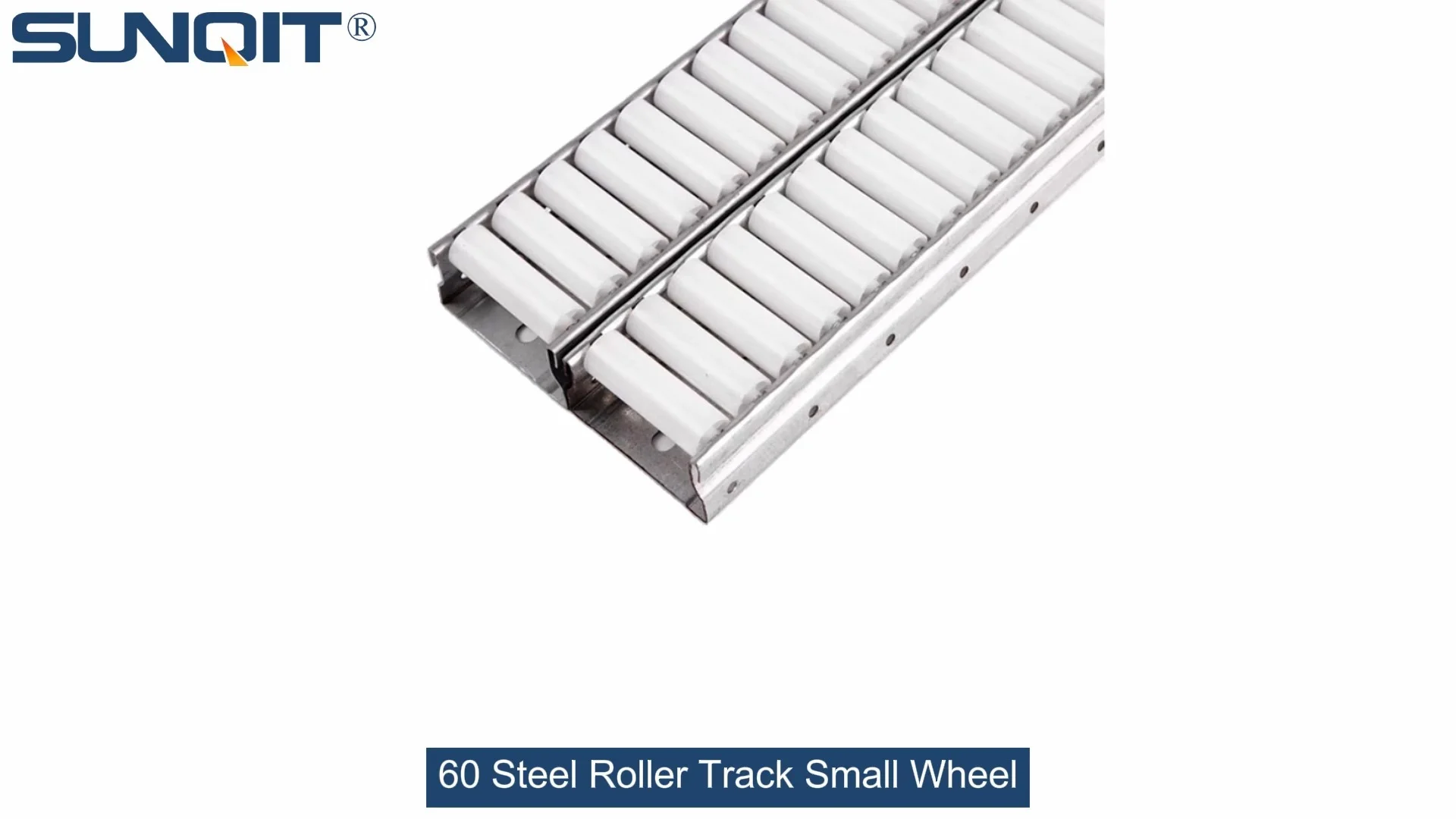
60 Steel Roller Track Small Wheel
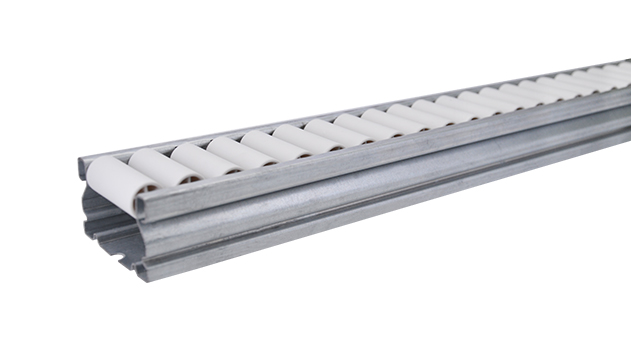
Modular system roller tracks aluminum gravity roller tracks are an excellent solution for transporting materials within industrial environments, warehouses and distribution centres.
Introduction
Conveyor systems are the backbone of many manufacturing and logistics operations—they keep products moving smoothly from one station to another, saving time and reducing manual labor. But like any piece of equipment, they need regular care to stay in top shape. One common issue that can slow down your line is worn-out roller track wheels. If you're dealing with 60 steel roller track small wheels that aren't rotating as they should, this guide is for you. We'll walk you through everything you need to know to replace those wheels efficiently, so your conveyor system gets back to peak performance in no time.
First, let's talk about why this matters. Worn wheels can cause products to get stuck, create unnecessary noise, and even lead to safety hazards. In a lean production environment, every minute of downtime counts. That's where proper maintenance steps in—keeping your roller tracks in good condition aligns perfectly with lean principles, helping you minimize waste and maximize productivity. Whether you're in the 3C assembly industry, medical device manufacturing, or warehouse logistics, a well-maintained conveyor system is key to keeping your operations running smoothly.
Pre-Replacement Preparation
Before you start replacing the wheels, let's gather all the tools and materials you'll need. Here's a quick checklist:
| Item | Description |
|---|---|
| Replacement Wheels | 60 steel roller track small wheels matching your existing track specifications (diameter, material, mounting type) |
| Screwdriver Set | Phillips and flathead for loosening/tightening fasteners |
| Adjustable Wrench | For securing bolts and nuts |
| Safety Gloves | To protect hands from sharp edges |
| Safety Goggles | To shield eyes from debris |
| Cleaning Cloth/Brush | For removing dirt and debris from the track |
| Lubricant (Optional) | To ensure smooth rotation after installation |
It's also important to take safety precautions first. Turn off the power to the conveyor system to avoid any accidental movement while you're working. If the conveyor is part of a larger production line, let your team know that you'll be performing maintenance so they can adjust their workflow accordingly.
Another thing to consider: are you using quality replacement parts? Choosing durable wheels from a trusted supplier can make a big difference in how long they last. For example, suppliers like szsunqit offer a range of roller track accessories, including 60 steel roller track small wheels, that are designed to withstand heavy use in industrial settings. Investing in high-quality parts means fewer replacements down the line, which is a win for both your budget and your lean goals.
Step-by-Step Replacement Process
Now, let's dive into the replacement steps. Follow these carefully to ensure a smooth and safe process.
Step 1: Identify the Worn Wheels
Walk along the conveyor track and inspect each wheel. Look for signs of wear like cracks, flat spots, or wheels that don't spin freely when you give them a gentle push. Mark the positions of the worn wheels so you don't miss any. It's a good idea to replace all worn wheels at once instead of doing them one by one later—this saves time and ensures consistent performance across the track.
Step 2: Remove the Old Wheels
For most roller tracks, the wheels are mounted with bolts or screws. Use your screwdriver or wrench to loosen the fasteners holding the old wheel in place. Be careful not to apply too much force, as this could damage the track itself. Once the fasteners are removed, gently pull the old wheel off its axle. If it's stuck due to dirt or rust, you might need to tap it lightly with a hammer (wrap the wheel in a cloth first to avoid damaging it) or use a pry bar to loosen it.
Step 3: Clean the Installation Area
Before installing the new wheel, take a moment to clean the area around the axle. Use a cloth or brush to remove any dirt, dust, or debris that might have accumulated. This ensures that the new wheel sits properly and rotates smoothly. If there's any rust on the axle, you can use a wire brush to scrub it off—this will prevent the new wheel from sticking.
Step 4: Install the New Wheel
Take your new 60 steel roller track small wheel and align it with the axle. Push it onto the axle until it's seated firmly. Then, reattach the fasteners (bolts or screws) and tighten them securely. Make sure not to over-tighten, as this could restrict the wheel's rotation. Once the wheel is in place, give it a spin to check that it rotates freely without any resistance.
Step 5: Test the Conveyor System
After replacing all the worn wheels, it's time to test the system. Turn the power back on and run the conveyor at a slow speed first. Observe the wheels to make sure they're rotating smoothly and that there's no unusual noise. If everything looks good, you can increase the speed to normal operating levels. Keep an eye on the system for the next hour or so to ensure that the new wheels are performing as expected.
Pro Tip: If you notice any wheels that still aren't rotating properly after installation, double-check the fasteners—they might be too tight. Loosen them slightly and test again.

Post-Replacement Maintenance Tips
Replacing the wheels is just the first step. To keep your conveyor system running smoothly for longer, here are some maintenance tips to follow:
1. Regular Inspections
Schedule weekly or monthly inspections of your roller tracks. Look for signs of wear, loose fasteners, or debris buildup. Catching issues early can prevent more serious problems later.
2. Lubrication
Apply lubricant to the wheel axles every few months (or as recommended by the manufacturer). This reduces friction and extends the life of the wheels.
3. Cleanliness
Keep the conveyor track clean from dirt, dust, and product debris. A clean track ensures that wheels rotate freely and products move smoothly.
4. Use Quality Parts
As mentioned earlier, using high-quality replacement parts is essential. Suppliers like szsunqit offer a wide range of roller track accessories, including caster wheels and roller track connectors, that are built to last. Investing in these parts means fewer replacements and less downtime.
5. Lean Principles Application
Remember that maintaining your conveyor system is part of a larger lean solution. By keeping your equipment in good condition, you're reducing waste (like downtime) and improving overall efficiency. This aligns with the lean philosophy of continuous improvement and sustainability.
Case Study: A 3C Assembly Plant's Success Story
Let's take a look at how proper maintenance and quality parts helped a 3C assembly plant improve their operations. This plant was experiencing frequent downtime due to worn-out roller track wheels on their conveyor system. Their production line was slowed by stuck products and noisy wheels, leading to missed deadlines and increased costs.
After consulting with szsunqit, they decided to replace their old wheels with high-quality 60 steel roller track small wheels. The replacement process was quick and efficient, and the new wheels were designed to withstand the heavy loads and constant use in their assembly line. Additionally, they implemented a weekly inspection schedule to catch issues early.
The results were impressive: downtime decreased by 35%, and the conveyor system ran much quieter. The plant was able to meet their production targets consistently, and the team reported a safer and more efficient work environment. This success story shows how investing in quality parts and regular maintenance can have a significant impact on your bottom line.
Another thing to consider is the type of roller track you're using. 60 steel roller tracks are durable and suitable for heavy loads, but there are other options available depending on your needs. For instance, if you need an ESD (electrostatic discharge) safe environment, you might want to look into ESD workstations or roller tracks that are designed to dissipate static electricity. Suppliers like szsunqit offer ESD solutions that are perfect for industries like electronics manufacturing.
If you're looking to upgrade your entire conveyor system or implement a new lean solution, it's worth consulting with a professional. Companies like szsunqit specialize in custom solutions for various industries, including 3C assembly, medical, and warehouse logistics. They can help you design a system that's tailored to your specific needs, using products like aluminum profiles, flow racks, and conveyors that are both efficient and sustainable.
Lean solutions go beyond just maintaining equipment. They involve optimizing every aspect of your operations to reduce waste and improve efficiency. For example, using flow racks to organize materials can reduce the time workers spend searching for parts, while flexible workstations allow for quick adjustments to production lines as needs change. Suppliers like szsunqit offer a range of lean products, including aluminum profiles, (flow racks), and custom workstations, that can help you implement these principles. By integrating these products into your operations, you can create a more agile and efficient production environment.
Choosing the Right Replacement Wheels
When it comes to replacing your roller track wheels, choosing the right ones is crucial. Here are some factors to consider:
Load Capacity
Make sure the wheel can handle the weight of the products being conveyed. If your conveyor moves heavy items, opt for wheels with a higher load capacity to avoid premature wear.
Material
Steel wheels are durable and ideal for heavy loads, but they can be noisy. Plastic wheels are quieter and corrosion-resistant, making them suitable for lighter loads or clean environments like medical facilities. Aluminum wheels are lightweight and strong, a good middle ground for many applications.
Size
The diameter and width of the wheel must match the track. Using the wrong size can cause the wheel to fit poorly, leading to restricted rotation or even damage to the track.
Mounting Type
Check how the wheel attaches to the track—whether it's a press-fit onto an axle, bolt-on, or another type. Ensure the replacement wheel uses the same mounting method as the original to avoid compatibility issues.
Suppliers like szsunqit offer a variety of roller track wheels, including 60 steel roller track small wheels, to fit different needs. Their product range includes options for various industries, so you can find the perfect match for your conveyor system.
Troubleshooting Common Conveyor Issues
Even with regular maintenance, you might encounter issues with your conveyor system. Here are some common problems and how to fix them:
Unusual Noise
If your conveyor is making more noise than usual, it could be due to worn wheels, loose fasteners, or lack of lubrication. Check the wheels for signs of wear, tighten any loose bolts, and apply lubricant to the axles.
Products Getting Stuck
Stuck products are often caused by debris buildup on the track or misaligned wheels. Clean the track thoroughly and check that all wheels are properly aligned and rotating freely.
Uneven Movement
If products are moving unevenly, it might be due to some wheels rotating slower than others. Inspect the wheels for wear or debris, and replace any that are damaged.
By addressing these issues promptly, you can keep your conveyor system running smoothly and avoid costly downtime.
Conclusion
Replacing worn-out 60 steel roller track small wheels in your conveyor system is a straightforward process that can have a big impact on your operations. By following the steps outlined in this guide, you can ensure that your conveyor gets back to peak performance quickly and efficiently.
Remember to prioritize safety, use quality replacement parts, and follow regular maintenance practices to extend the life of your equipment. Whether you're in manufacturing, logistics, or another industry, a well-maintained conveyor system is key to maximizing productivity and minimizing waste.
If you need help finding the right replacement parts or designing a custom lean solution for your business, consider reaching out to a trusted supplier like szsunqit. Their expertise in conveyor systems and lean principles can help you optimize your operations and achieve long-term success.