- Company Articles
- Products and Technology
- Product knowledge
- How Turning Angle Code 2020 Enhances Precision in Lean Tube Workbench E

How Turning Angle Code 2020 Enhances Precision in Lean Tube Workbench E
Related Product
Urning Angle Code 2020
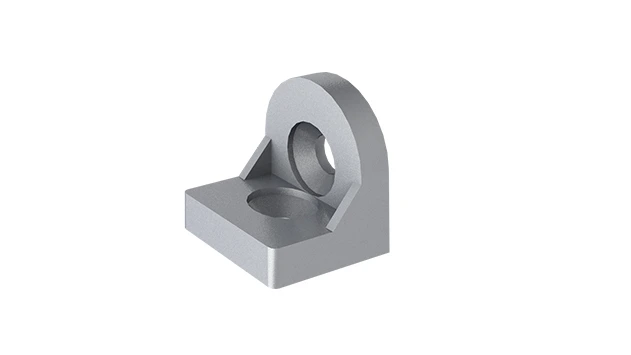
The turning angle aluminum profile connector provides a 90 degree hidden corner connection. 2020 it is means this size is used for 20 series aluminum profile.The corner code comes with set screws that allow for quick, easy connections.
In the world of manufacturing, where every millimeter counts, the tools and equipment we rely on aren't just pieces of metal and plastic—they're the unsung heroes that keep production lines moving smoothly, products consistent, and workers safe. And if there's one piece of equipment that's the backbone of countless workshops, it's the humble workbench. But not all workbenches are created equal. Today, we're diving into a specific star of the lean manufacturing world: the Lean Pipe Workbench E (single deck-without caster). What makes this workbench stand out? It's all in the details—specifically, a tiny but mighty component called the Turning Angle Code 2020. You might not have heard of it before, but trust me, once you understand how it works, you'll see why it's a game-changer for precision in workbench design.
Meet the Lean Pipe Workbench E: A Modern Workhorse
First, let's get to know the Lean Pipe Workbench E a little better. As the name suggests, it's a single-deck workbench without casters, which means it's designed to stay put—perfect for tasks that require stability, like intricate electronics assembly or quality inspection. Built using lean manufacturing principles, it's all about modularity, flexibility, and efficiency. Unlike heavy, fixed workbenches of the past, this one is made from lightweight yet durable materials, typically aluminum profiles and lean pipes, which can be easily adjusted or reconfigured as production needs change.
But here's the thing: modularity doesn't have to mean sacrificing precision. In fact, with the right components, a modular workbench can be just as precise—if not more so—than a fixed one. And that's where the Turning Angle Code 2020 comes into play. Before we dive into how it works, let's take a quick look at why precision matters so much in a workbench like this. Imagine assembling a small medical device, where a misaligned part could compromise patient safety, or soldering a circuit board where a wobbly surface might lead to a short circuit. In these scenarios, the workbench isn't just a table—it's a foundation for quality. And the Turning Angle Code 2020 is the cornerstone of that foundation.
What Is the Turning Angle Code 2020, Anyway?
Let's start with the basics: What exactly is a Turning Angle Code 2020? In simple terms, it's a specialized connector, or joint, used to link together the aluminum profiles that form the frame of the Lean Pipe Workbench E. Think of it as the glue that holds the structure together—but instead of messy adhesives, it's a precision-engineered piece that ensures every part lines up exactly where it should.
The "2020" in its name refers to its size, typically matching the 20x20mm aluminum profiles common in lean manufacturing setups. These profiles are like the building blocks of the workbench, providing the framework for the tabletop, legs, and any additional shelves or tool rails. But even the best aluminum profile is only as good as the joints that hold it together. That's where the Turning Angle Code 2020 shines. Unlike generic plastic or low-grade steel joints, this little component is designed with one goal in mind: precision.
Design and Materials: Built for Accuracy
Let's talk about design first. The Turning Angle Code 2020 is usually made from high-grade aluminum alloy, chosen for its winning combination of strength, lightweight properties, and resistance to corrosion—important in busy workshops where spills, humidity, or frequent cleaning might be a factor. Aluminum alloy also has a natural rigidity that helps maintain the joint's shape over time, unlike plastic, which can warp, or steel, which adds unnecessary weight to the workbench.
But the real magic is in its shape. If you were to hold a Turning Angle Code 2020 in your hand, you'd notice precise notches and grooves that fit perfectly into the T-slots of 2020 aluminum profiles. These T-slots are like the "tracks" that allow components to slide into place and lock securely, and the Turning Angle Code 2020 is engineered to mate with them flawlessly. This isn't just about a snug fit; it's about ensuring that when you attach two profiles at a 90-degree angle (the most common setup for workbench frames), they're aligned exactly perpendicular—no wiggling, no gaps, no misalignment. It's like having a built-in ruler and level for your frame joints, all in one tiny component.

How Turning Angle Code 2020 Boosts Precision in Lean Tube Workbench E
Now, let's get to the heart of the matter: How does this small joint make such a big difference in the precision of the Lean Pipe Workbench E? Let's break it down into four key areas: alignment, stability, modularity, and compatibility.
1. Perfect Alignment, Every Time
One of the biggest challenges with traditional workbench frames is ensuring that vertical and horizontal beams meet at exactly 90 degrees. Even a tiny misalignment—say, half a degree off—can throw off the entire structure. Over time, that misalignment can lead to uneven surfaces, which in turn affects how tools sit, how parts are assembled, and even how comfortable workers are during long shifts. A workbench that's slightly "crooked" might not seem like a big deal, but when you're working on tasks that require millimeter-level accuracy, it's a recipe for frustration and errors.
The Turning Angle Code 2020 solves this by acting as a built-in alignment guide. Its design includes precision-machined surfaces that act like a template: when you slide the aluminum profile into the joint, the notches and grooves only allow it to fit in one way—perfectly aligned. No guesswork, no measuring tapes needed mid-assembly, no squinting to check if the corner looks "square enough." It's a foolproof system that takes the human error out of the equation. Even a new assembly line worker, with minimal training, can put together a perfectly square frame using these joints.
2. Unbeatable Stability Under Load
A workbench isn't much good if it wobbles or flexes when you place tools, parts, or equipment on it. Traditional joints, especially those that rely on screws or bolts alone, can loosen over time with vibration, repeated use, or heavy loads. This loosening leads to "play" in the joint—tiny movements that add up to a wobbly workbench surface. For example, a steel joint held together by a single bolt might start to creak after a few months of daily use, as the bolt slowly works its way loose.
The Turning Angle Code 2020, however, uses a combination of mechanical locking and the natural friction of the aluminum alloy to create a joint that stays tight. Many models include set screws that, when tightened, bite into the T-slot of the aluminum profile, creating a secure bond that resists loosening. Some even have dual locking points, adding an extra layer of stability. This means the workbench frame doesn't flex or shift, even under heavy loads—we're talking up to 80kg or more, depending on the profile thickness. For workers assembling heavy components or using power tools, this stability is a game-changer; it means the workbench stays steady, reducing the risk of mistakes and making tasks easier and safer.
3. Modularity Without Compromise
Lean manufacturing is all about adaptability—being able to reconfigure workspaces quickly as production needs change. Maybe you need to add a shelf to hold more parts, or adjust the height of the workbench to accommodate a new machine, or even move the entire setup to a different part of the factory. With traditional joints, taking apart and rebuilding a workbench frame can be time-consuming, and there's always the risk of damaging components or losing alignment during the process.
The Turning Angle Code 2020, though, is designed for easy assembly and disassembly. Its lightweight aluminum construction makes it easy to handle, and the T-slot connection means you can loosen the set screws, adjust the position of the profiles, and retighten—all without specialized tools. This not only saves time but also ensures that even after reconfiguration, the precision of the frame is maintained. So whether you need to shorten a leg by a few centimeters or add a crossbar for extra support, the Turning Angle Code 2020 keeps everything aligned and stable. It's modularity without the usual trade-off in precision—a win-win for busy production lines.
4. Seamless Compatibility with Other Components
A workbench is more than just a frame and a tabletop; it often includes additional components like tool rails, storage bins, or monitor mounts. These extras need to attach to the frame securely and precisely, too. The Turning Angle Code 2020 plays well with others, thanks to its standardized design. Since it's built to fit 2020 aluminum profiles, it works seamlessly with other aluminum profile accessories—like brackets, clamps, or end caps—ensuring that every part of the workbench integrates perfectly. No more hunting for custom parts or jury-rigging solutions because the joint doesn't fit the shelf bracket. It's a plug-and-play system that makes adding or upgrading components a breeze, all while maintaining the overall precision of the workbench.

Traditional Joints vs. Turning Angle Code 2020: A Quick Comparison
Still not convinced that the Turning Angle Code 2020 is a step above traditional joints? Let's put it to the test with a side-by-side comparison. The table below looks at three common joint types used in workbench frames and how they stack up against the Turning Angle Code 2020 in key areas of precision and performance.
| Feature | Traditional Steel Bolted Joints | Plastic Snap-Fit Joints | Turning Angle Code 2020 (Aluminum) |
|---|---|---|---|
| Alignment Accuracy | ±1.5° (relies on manual measurement) | ±2° (prone to warping over time) | ±0.1° (precision-machined T-slot fit) |
| Load Capacity (per joint) | Up to 60kg (but loosens under heavy vibration) | Up to 30kg (plastic weakens with load) | Up to 80kg (aluminum alloy rigidity + dual locking) |
| Installation Time (per joint) | 5–7 minutes (requires measuring, drilling, bolting) | 2–3 minutes (quick snap, but alignment checks needed) | 1–2 minutes (slide into T-slot, tighten set screws—no measuring) |
| Resistance to Loosening | Low (bolts loosen with vibration; needs regular retightening) | Very low (plastic fatigues; snaps can fail over time) | High (set screws bite into T-slot; aluminum resists warping) |
| Compatibility with Aluminum Profile | Limited (requires drilling holes; may damage profiles) | Partial (fits some profiles, but loose fit common) | Full (designed for 2020 T-slot profiles; works with all standard accessories) |
As you can see, the Turning Angle Code 2020 outperforms traditional joints in nearly every category that matters for precision workbench design. It's more accurate, more stable, faster to install, and more compatible—all while keeping the workbench lightweight and adaptable.
Real-World Impact: A Case Study
To put this into perspective, let's look at a real-world example of how the Turning Angle Code 2020 improved precision for a small electronics manufacturer. Let's call them "TechPro," a company that assembles circuit boards for smart home devices. Before switching to Lean Pipe Workbench E with Turning Angle Code 2020, TechPro used traditional steel-jointed workbenches. Their assembly line was plagued by small but costly errors: workers reported that tools would slide slightly on uneven workbench surfaces, and delicate components occasionally misaligned during soldering, leading to a 2% defect rate—meaning 2 out of every 100 circuit boards had to be reworked or scrapped.
After installing the new workbenches, the team at TechPro noticed an immediate difference. The flat, stable surface meant tools stayed put, and the precise alignment of the frame reduced component misalignment. Workers commented that soldering was easier because the circuit boards didn't shift, and measuring components was faster since the workbench grid lines (added using aluminum profile accessories) were perfectly straight. Within three months, their defect rate dropped to 0.5%—a 75% improvement that saved them thousands in rework costs and materials. When they looked into why, the team realized the Turning Angle Code 2020 was the unsung hero; by keeping the workbench frame perfectly square and stable, it eliminated the subtle wobbles and unevenness that had been causing issues.
"It's the little things that make the biggest difference," said Maria, TechPro's production manager. "We used to think our problem was with the workers or the tools, but it turned out the workbench itself was holding us back. The Turning Angle Code 2020 might be small, but it's given us a level of precision we never had before. Now, we're considering rolling out these workbenches to all our lines."
Why It Matters: Precision = Efficiency, Quality, and Safety
At this point, you might be thinking, "Okay, so the Turning Angle Code 2020 makes the workbench frame more precise. But does that really matter for my business?" The short answer: yes. Precision in a workbench translates directly to three key benefits that every manufacturer cares about: efficiency, quality, and safety.
Efficiency: A precise workbench means tasks take less time. When tools are in the right place, components align easily, and surfaces are flat, workers can focus on the task at hand instead of adjusting, measuring, or fixing small issues. This leads to faster assembly times, higher throughput, and lower labor costs.
Quality: As TechPro's case study showed, precision reduces defects. When parts are assembled on a stable, aligned surface, they fit together better, leading to products that work longer and require less maintenance. This boosts customer satisfaction and reduces the cost of rework or returns.
Safety: A wobbly workbench is a safety hazard. Tools can fall, components can slip, and workers may strain themselves trying to compensate for an unstable surface. The Turning Angle Code 2020's stability reduces these risks, creating a safer work environment for everyone.
Final Thoughts: The Future of Lean Workbenches
In a world where manufacturing is becoming more competitive and quality standards are higher than ever, the tools we use matter more than ever. The Lean Pipe Workbench E, with its Turning Angle Code 2020 joints, represents the future of lean manufacturing: adaptable, efficient, and precise. It's a reminder that even the smallest components can have a big impact on how we work, create, and innovate.
So the next time you walk into a workshop, take a closer look at the workbenches. Chances are, the ones that look the most stable, the most aligned, and the most efficient are held together by little heroes like the Turning Angle Code 2020. And if you're in the market for a new workbench—or looking to upgrade your current setup—don't overlook the joints. After all, precision isn't just about the big picture; it's in the details. And when it comes to details, the Turning Angle Code 2020 delivers.