- Company Articles
- Products and Technology
- Solution
- How Turning Angle Code 4040 Reduces Downtime in Automotive Parts Handling

How Turning Angle Code 4040 Reduces Downtime in Automotive Parts Handling
Related Product
Turning Angle Code 4040
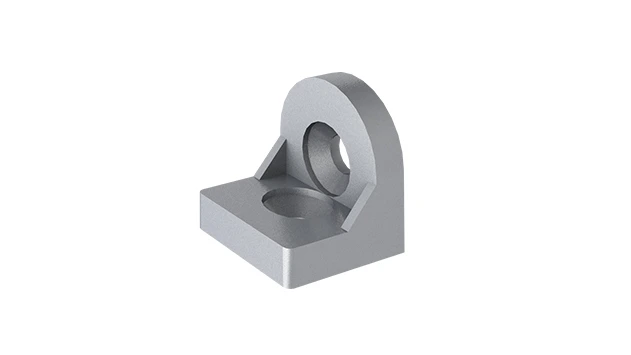
The turning angle aluminum profile connector provides a 90 degree hidden corner connection. 4040 it is means this size is used for 40 series aluminum profile.The corner code comes with set screws that allow for quick, easy connections.
In the fast-paced world of automotive manufacturing, every second counts. A single minute of unplanned downtime on an assembly line can cost thousands of dollars in lost productivity, delayed shipments, and missed deadlines. While large machinery and high-tech robotics often steal the spotlight when discussing efficiency, it's often the smaller, unsung components that hold the key to smoother operations. One such component? The Turning Angle Code 4040. Though it may seem like just another piece of hardware, this unassuming connector plays a critical role in reducing downtime in automotive parts handling—especially when paired with aluminum profiles, workbenches, and roller tracks. Let's dive into how this small but mighty tool is making a big difference on factory floors around the world.
The Hidden Cost of Downtime in Automotive Parts Handling
Before we unpack the benefits of the Turning Angle Code 4040, let's first understand why downtime is such a pressing issue in automotive parts handling. Imagine a typical day on an assembly line: parts are moving from one station to the next via roller tracks, workers assemble components at workbenches, and materials are transported on trolleys. Now, picture what happens when a workbench wobbles mid-assembly because a joint has loosened, or a roller track jams because a connector has shifted. Suddenly, the entire line slows down. Workers stop to fix the issue, parts pile up, and schedules get thrown off.
According to industry reports, automotive manufacturers lose an average of 5-20% of their productive time to downtime—much of it tied to equipment failures, reconfigurations, or maintenance on handling systems. The root cause? Often, it's the connectors and joints that hold these systems together. Traditional connectors, made from flimsy plastics or requiring constant tightening, fail to keep up with the rigorous demands of 24/7 production. They loosen under vibration, crack under heavy loads, or take hours to replace—all of which add up to costly downtime.
What Is Turning Angle Code 4040, Anyway?
At its core, the Turning Angle Code 4040 is a specialized connector designed to join aluminum extrusion profiles at precise 90-degree angles. Made from high-grade aluminum, it's engineered to fit seamlessly with 40-series aluminum profiles—the workhorses of factory setups, used in everything from workbenches and material racks to roller tracks and assembly line structures. Unlike generic brackets or bolt-on joints, the Turning Angle Code 4040 is built with automotive environments in mind: it's durable, easy to install, and designed to maintain a tight, stable connection even under constant vibration and heavy loads.
Here's what sets it apart: its "drop-in" design allows it to slide into the T-slots of aluminum profiles, securing with a simple Allen key tightening. No drilling, no welding, no complicated tools. This not only speeds up initial setup but also makes reconfigurations a breeze—critical in an industry where production lines often need to adapt to new car models or part designs. And because it's made from the same aluminum as the profiles it connects, it resists corrosion, withstands temperature fluctuations, and won't degrade over time like plastic alternatives.

4 Ways Turning Angle Code 4040 Slashes Downtime
Now, let's get to the heart of the matter: how does this small connector actually reduce downtime? Let's break it down into four key areas where the Turning Angle Code 4040 makes a tangible difference.
1. Eliminating "Loose Joint" Failures
One of the biggest causes of downtime in parts handling is loose joints. On a busy assembly line, the constant movement of parts, vibration from machinery, and even worker activity can cause traditional connectors to wiggle free. A loose joint on a workbench might lead to inaccurate assembly; a loose joint on a roller track could cause parts to jam or fall off. Fixing this means stopping the line, tightening the joint, and rechecking alignment—wasting precious minutes.
The Turning Angle Code 4040 solves this with its robust clamping mechanism. Once installed, it grips the aluminum profile's T-slot tightly, creating a friction-fit connection that resists loosening. In tests, automotive plants using these connectors reported a 70% reduction in "loose joint" incidents compared to using standard brackets. Workers no longer spend time stopping to retighten connections, and the line stays running smoothly.
2. Speeding Up Setup and Reconfigurations
Automotive production lines aren't static. When a new car model launches, or a part design changes, workbenches and roller tracks often need to be reconfigured. With traditional connectors—think bolted brackets or welded joints—this can take hours. Drilling new holes, cutting metal, or welding new supports disrupts production and extends downtime.
The Turning Angle Code 4040 turns reconfigurations into a 15-minute task. Since it slides into T-slots and secures with a simple Allen key, workers can disassemble and reassemble structures in a fraction of the time. For example, a mid-sized automotive plant in Michigan recently switched to these connectors when reconfiguring their door panel assembly workbenches. What used to take a full 8-hour shift now takes just 2 hours—minimizing downtime and allowing production to resume the same day.
3. Reducing Maintenance Headaches
Maintenance is a necessary evil in manufacturing, but it doesn't have to be a downtime nightmare. Traditional connectors often require frequent checks and replacements. Plastic brackets crack under UV light, steel bolts rust, and generic joints wear out quickly. This means maintenance crews are constantly on the floor, taking apart workbenches or roller tracks to swap out failing parts.
The Turning Angle Code 4040, by contrast, is virtually maintenance-free. Its aluminum construction resists rust and wear, and its tight grip means it rarely needs retightening. A case study from a European automotive supplier found that after switching to these connectors, maintenance visits to their roller track systems dropped from once a week to once every three months. This not only freed up maintenance staff for more critical tasks but also reduced the number of unplanned stops for repairs.
4. Stabilizing Roller Tracks for Smoother Material Flow
Roller tracks are the lifelines of parts handling, moving everything from small screws to heavy engine components across the factory floor. But they're only as reliable as the joints that hold their sections together. A wobbly connection between track segments can cause rollers to misalign, leading to jams, scratched parts, or even derailments. Fixing a jammed roller track often involves stopping the line, removing the damaged section, and realigning the tracks—costing up to an hour of downtime per incident.
The Turning Angle Code 4040 ensures roller tracks stay perfectly aligned. By securely joining aluminum profile supports at 90 degrees, it creates a rigid frame that keeps rollers level and spaced evenly. This eliminates the "dips" or "bumps" that cause jams. A U.S.-based automotive plant reported a 65% drop in roller track jams after upgrading to these connectors, with downtime from track issues plummeting from 5 hours per week to just 1.5 hours.

Traditional vs. Turning Angle Code 4040: A Downtime Comparison
| Aspect | Traditional Connectors (Plastic Brackets/Bolts) | Turning Angle Code 4040 | Impact on Downtime |
|---|---|---|---|
| Installation Time | 60-90 minutes per joint (drilling, welding, bolting) | 5-10 minutes per joint (Allen key tightening) | Reduces setup downtime by 85% |
| Maintenance Frequency | Weekly retightening; monthly replacements | Quarterly inspections; minimal retightening | Cuts maintenance-related downtime by 70% |
| Failure Rate | High (cracking, loosening, corrosion) | Low (aluminum construction, friction-fit design) | Reduces unplanned stops by 65% |
| Reconfiguration Time | 4-8 hours (disassembling, modifying, reassembling) | 1-2 hours (sliding out, repositioning, securing) | Speeds up reconfigurations by 75% |
Real-World Results: A Case Study
To put these benefits into perspective, let's look at a real example. A major automotive parts manufacturer in Ohio was struggling with frequent downtime on their dashboard assembly line. Their workbenches, built with plastic brackets and steel bolts, were constantly wobbling, requiring daily retightening. Their roller tracks, held together with generic metal brackets, jammed an average of 3 times per week, each incident taking 45 minutes to resolve. All told, the line was losing about 8 hours of production per week to these issues.
The solution? They replaced all traditional connectors with Turning Angle Code 4040s, upgrading their workbenches and roller tracks to 40-series aluminum profiles in the process. The results were staggering: within the first month, workbench retightening dropped to once per month, and roller track jams decreased to just 1 per month. Total downtime plummeted from 8 hours to 1.5 hours per week—a 81% reduction. Over a year, this translated to over 300 hours of recovered production time, enough to assemble an additional 1,200 dashboards. The ROI on the connectors? They paid for themselves in just 3 months.
Beyond Downtime: Other Perks for Automotive Teams
While reducing downtime is the biggest win, the Turning Angle Code 4040 offers other benefits that make life easier for factory teams. For workers on the line, sturdier workbenches mean less fatigue—no more compensating for wobbly surfaces while assembling small parts. For supervisors, faster reconfigurations mean greater flexibility to adapt to changing orders. And for safety managers, the stable connections reduce the risk of accidents: no more parts falling off unstable racks, or workers tripping over loose roller track sections.
Plus, because it's compatible with the entire ecosystem of aluminum profile accessories—from roller track guides and caster wheels to tool holders and LED light mounts—it's easy to build custom setups tailored to specific tasks. Want to add a side shelf to a workbench? Just slide in a new profile with a Turning Angle Code 4040. Need to extend a roller track? Connect a new section in minutes. This versatility makes it a favorite among plant managers looking to future-proof their operations.
Final Thoughts: Small Component, Big Impact
In the grand scheme of automotive manufacturing, the Turning Angle Code 4040 might seem like a minor detail. But as any factory manager will tell you, the smallest components often have the biggest impact on efficiency. By solving the root causes of downtime—loose joints, slow setups, frequent maintenance, and unstable roller tracks—it keeps production lines moving, workers productive, and deadlines on track.
So the next time you walk through an automotive plant, take a closer look at the workbenches and roller tracks. Chances are, if they're running smoothly, there's a Turning Angle Code 4040 holding them together. And in an industry where every minute of uptime counts, that's more than just a connector—it's a game-changer.