- Company Articles
- Products and Technology
- Solution
- How Two Way Lean Pipe Joint Chrome Enhances 5S in Factory Layouts

How Two Way Lean Pipe Joint Chrome Enhances 5S in Factory Layouts
Related Product
Two Way Lean Pipe Joint Chrome
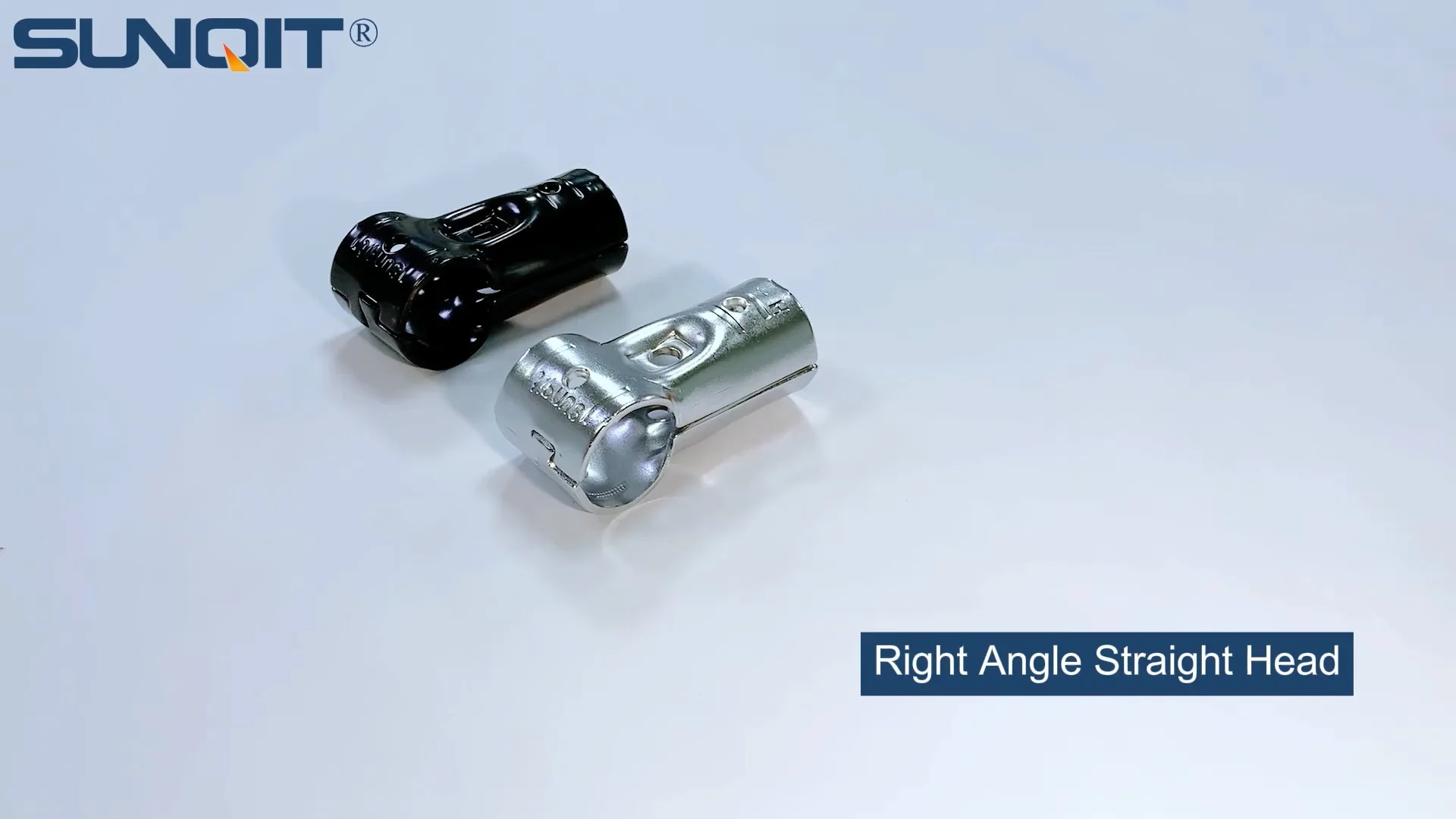
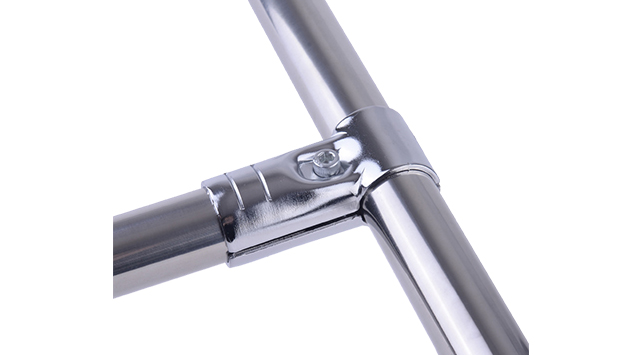
Two way lean pipe joint for 2 pcs 28MM lean pipe connection in straight angle, which used widely in workbench, flow rack, hand trolley frame connection.
Walk into any manufacturing facility, and you'll quickly spot the difference between a space that runs like a well-oiled machine and one that feels like organized chaos. Tools scattered across workbenches, materials piled up in unmarked corners, workers wandering to find the right part—these are common scenes in factories stuck in outdated workflows. But there's a better way. Enter 5S, the foundational methodology for workplace organization that transforms cluttered floors into hubs of efficiency. And at the heart of making 5S stick? The right tools. Today, we're diving into how one unsung hero— Two Way Lean Pipe Joint Chrome —plays a pivotal role in elevating 5S practices, alongside essential components like workbenches, roller tracks, aluminum profiles, and flow racks. Let's explore how this simple yet versatile joint turns factory layouts from frustrating to frictionless.
Understanding 5S: The Backbone of Factory Efficiency
Before we jump into the specifics of lean pipe joints, let's revisit what 5S actually is. Born from Japanese manufacturing principles, 5S stands for Sort, Set in Order, Shine, Standardize, and Sustain —five pillars that together create a workplace where waste is minimized, productivity soars, and employees take pride in their environment. Here's a quick breakdown:
- Sort (Seiri): Separate necessary items from unnecessary ones, removing clutter and freeing up space.
- Set in Order (Seiton): Arrange remaining items so they're easy to find, use, and return—think "a place for everything, and everything in its place."
- Shine (Seiso): Keep the workspace clean and well-maintained, preventing dust, debris, and defects from accumulating.
- Standardize (Seiketsu): Establish consistent processes and layouts so everyone knows how things should look and operate.
- Sustain (Shitsuke): Make 5S a habit, ensuring the system endures long-term through training, accountability, and continuous improvement.
The challenge? 5S isn't just about tidying up—it requires tools that enable these habits. Traditional factory setups, with fixed metal racks, welded workbenches, and rigid conveyor systems, often resist 5S because they can't adapt to changing needs. When a workspace can't evolve, Sort and Set in Order become afterthoughts, Shine becomes a chore, and Standardize and Sustain feel impossible. That's where lean pipe systems, and specifically the Two Way Lean Pipe Joint Chrome, come in.
Meet the Two Way Lean Pipe Joint Chrome: Small Part, Big Impact
At first glance, a Two Way Lean Pipe Joint Chrome might seem unremarkable—a small, chrome-plated connector designed to join two lean pipes at a 90-degree angle. But looks deceive. This joint is the linchpin of modular factory design, offering flexibility, durability, and precision that traditional fixed joints can't match. Let's break down its key features:
Durability That Stands Up to Factory Life
Chrome plating isn't just for shine—it's a shield. Factories are tough environments: heavy tools, constant foot traffic, spills, and humidity. The chrome finish on these joints resists corrosion, scratches, and rust, ensuring they hold up over years of use. Unlike plastic or uncoated metal joints that degrade or loosen over time, chrome-plated steel maintains its integrity, keeping workbenches stable, roller tracks aligned, and flow racks secure.
Flexibility to Adapt on the Fly
The "two-way" design means these joints connect lean pipes in two directions, but their real magic is in modularity. Tighten them with a hex key, and they lock firmly in place; loosen them, and you can reposition pipes, add new components, or disassemble entire structures in minutes. Need to reconfigure a workbench to accommodate a new product line? Swap out a section of roller track to speed up material flow? Adjust a flow rack to store taller boxes? With Two Way Lean Pipe Joint Chrome, it's as simple as loosening a few bolts—no welding, no cutting, no waiting for maintenance crews.
Precision for Consistent Layouts
In 5S, consistency is king. Two Way Lean Pipe Joint Chrome is engineered to fit standard lean pipe diameters (typically 28mm or 30mm), ensuring every connection is uniform. This precision means that workbenches built in one corner of the factory will match those in another, roller tracks align perfectly with flow racks, and aluminum profiles integrate seamlessly. When every component fits together like puzzle pieces, Standardize becomes second nature.
Enhancing 5S: How Two Way Lean Pipe Joint Chrome Transforms Each Pillar
Now, let's connect the dots: how does this joint, paired with workbenches, roller tracks, aluminum profiles, and flow racks, supercharge each step of 5S?
1. Sort (Seiri): Cutting Clutter with Modular Design
Sorting starts with asking: "What do we actually need here?" In traditional setups, fixed shelves and welded workbenches force you to keep tools and materials you don't use daily, simply because there's no easy way to remove or reconfigure the space. With Two Way Lean Pipe Joint Chrome, you can build temporary or permanent structures that grow and shrink with your needs.
Imagine a production line where a workbench, built with lean pipes and chrome joints, originally held 10 tools—but after a process audit, you realize only 6 are used regularly. Instead of keeping the cluttered bench, you can quickly disassemble the unused section, remove the extra pipes, and repurpose the joints elsewhere. The result? A cleaner workspace with only essential items, making it easier for workers to focus and reducing the risk of errors from misplaced tools.
Even better, flow racks built with these joints let you separate "frequently used" materials (stored at eye level) from "rarely used" ones (stored on lower or upper shelves), ensuring the factory floor only holds what's needed for daily operations. Clutter doesn't stand a chance.
2. Set in Order (Seiton): Everything in Its Place, Always
Once you've sorted, it's time to organize what's left so it's accessible. Here's where roller tracks and aluminum profiles shine—all connected, of course, by Two Way Lean Pipe Joint Chrome. Roller tracks, with their smooth-rolling wheels, turn static storage into dynamic material flow. Attach them to a flow rack using chrome joints, and suddenly, parts glide from the warehouse to the assembly line with a gentle push, eliminating the need for workers to carry heavy boxes.
Workbenches become command centers, too. Using aluminum profiles (lightweight, strong, and compatible with lean pipe joints), you can add tool holders, bins, and overhead racks that are positioned exactly where workers need them—no more reaching or bending. For example, a workstation assembling small electronics might have a lower shelf for parts bins (connected via chrome joints), a middle shelf for the assembly manual, and an upper rack for completed products. Every item has a designated spot, labeled clearly, because the modular setup lets you customize the layout to the task.
And when needs change? If a new tool is introduced, simply add a new aluminum profile bracket using the same Two Way Lean Pipe Joint Chrome—no need to rebuild the entire bench. Set in Order isn't a one-time project; it's an ongoing process, and modular joints make it effortless.
3. Shine (Seiso): Cleaning Made Simple
A clean factory is a safe factory—and a productive one. But cleaning becomes a hassle when workbenches have welded corners that trap dust, or roller tracks are bolted to the floor, making it impossible to sweep underneath. Two Way Lean Pipe Joint Chrome solves this with its open, modular design and chrome finish.
Chrome plating is non-porous, so oil, grease, and dirt wipe off with a damp cloth—no scrubbing required. Unlike painted or plastic joints that chip and harbor grime, chrome stays smooth and clean, even in high-moisture environments. And because the joints allow for easy disassembly, you can take apart a section of roller track or a workbench leg to clean hard-to-reach areas, ensuring no dust or debris builds up over time.
Aluminum profiles add to this, too—their smooth, anodized surfaces resist stains and are easy to wipe down. When every component is designed for cleanliness, Shine stops feeling like a chore and becomes a quick, daily ritual. Workers take pride in a space that stays spotless, and a clean environment reduces defects (think: no dust on circuit boards or debris in machinery).
4. Standardize (Seiketsu): Consistency Across the Factory
Standardization is where 5S moves from "tidy" to "sustainable." Without consistent layouts, workers in different shifts or departments will revert to old habits, undoing your progress. Two Way Lean Pipe Joint Chrome ensures every workbench, roller track, and flow rack follows the same blueprint.
For example, suppose your factory has three assembly lines. Using standard lean pipes, chrome joints, and aluminum profiles, you can build identical workbenches for each line—same height, same tool placement, same roller track configuration. New employees can walk into any line and know exactly where to find the screwdriver, the parts bin, or the waste container. Even better, when you update one workbench (say, adding a new bin holder), you can replicate that change across all three lines using the same joints and profiles, ensuring consistency.
Flow racks, too, benefit from standardization. By using Two Way Lean Pipe Joint Chrome to connect roller tracks at a 5-degree incline (the optimal angle for gravity-fed material flow), every rack in the factory will move materials at the same speed, preventing jams or bottlenecks. When processes are consistent, training time drops, errors decrease, and quality improves.
5. Sustain (Shitsuke): Making 5S a Long-Term Habit
Sustain is the hardest pillar of 5S—keeping the momentum going after the initial cleanup. The key here is reducing friction: if maintaining organization is easy, people will do it. Two Way Lean Pipe Joint Chrome makes sustainability effortless by combining durability, adaptability, and cost-effectiveness.
Durability first: chrome-plated joints and aluminum profiles last for years, so workers don't get frustrated by wobbly workbenches or broken roller tracks that make organization feel pointless. Adaptability next: when your factory introduces a new product, expands production, or shifts workflows, you don't need to scrap your entire layout. Just reconfigure the existing lean pipe structures. This saves money (no need to buy new racks or workbenches) and keeps teams invested—they see that the system grows with their needs, so they're more likely to maintain it.
Cost-effectiveness seals the deal. Traditional fixed layouts require large upfront investments and expensive modifications. Lean pipe systems with Two Way Joints have lower initial costs and minimal ongoing expenses (just replace a joint here or a pipe there, not entire structures). When management sees that 5S isn't a "cost center" but an investment with quick returns, they're more likely to support training, audits, and incentives that keep Sustain alive.
| 5S Pillar | Traditional Layouts | Lean Pipe with Two Way Joint Chrome |
|---|---|---|
| Sort | Fixed structures force retention of unused items; hard to remove clutter. | Modular design lets you add/remove sections easily, keeping only essentials. |
| Set in Order | Static tool placement; materials stored far from point of use. | Customizable workbenches/roller tracks position items for instant access. |
| Shine | Welded corners and fixed parts trap dirt; hard to deep clean. | Chrome finish and modular design make cleaning fast and thorough. |
| Standardize | Inconsistent layouts across shifts/departments; training is lengthy. | Uniform joints/profiles create identical setups; workers adapt quickly. |
| Sustain | High modification costs; teams revert to old habits. | Durable, adaptable, and cost-effective—5S becomes easy to maintain. |

Beyond the Joint: Complementary Components for Maximum Impact
Two Way Lean Pipe Joint Chrome doesn't work alone. To fully unlock 5S, it pairs with other lean components that enhance its capabilities. Let's highlight a few key players:
Workbenches: The Heart of the Workspace
A workbench built with lean pipes, chrome joints, and aluminum profiles is more than just a table—it's a command center. Add a laminate top for durability, pegboards for tool storage, and a lower shelf with roller tracks for materials, and you've created a space where everything a worker needs is within arm's reach. Two Way Joints let you adjust the height (critical for ergonomics), add or remove shelves, or even attach a light bar—all without tools beyond a hex key.
Roller Tracks: Smooth Material Flow
Roller tracks, connected via Two Way Lean Pipe Joint Chrome, turn static storage into dynamic material delivery. Gravity-fed roller tracks on flow racks let materials glide from the back to the front, ensuring first-in, first-out (FIFO) inventory and eliminating the need to reach or bend. Chrome joints keep tracks aligned, preventing jams, while aluminum guide rails (another key component) ensure items stay on course.
Aluminum Profiles: Lightweight Strength
Aluminum profiles are the backbone of modern lean systems. Lightweight yet strong, they pair perfectly with lean pipe joints to build workbenches, flow racks, and machine guards. Their T-slot design lets you slide in accessories (bins, tool holders, labels) without drilling, making customization a breeze. And like chrome joints, they're corrosion-resistant and easy to clean—ideal for Shine and Sustain.
Flow Racks: Organized Storage, Simplified
Flow racks combine roller tracks, lean pipes, and chrome joints to create vertical storage that maximizes space and accessibility. Store boxes, bins, or parts on inclined roller tracks, and they'll roll forward as items are removed, keeping the next one ready. Two Way Joints let you adjust the number of levels, the width of tracks, or the angle of incline, ensuring the rack fits your specific materials—whether you're storing small electronics or large automotive parts.
Real-World Results: How Factories Benefit from Lean Pipe Systems
It's one thing to talk about benefits in theory—let's look at how this plays out on the factory floor. Take a mid-sized electronics manufacturer we worked with (name omitted for privacy) that struggled with 5S. Their biggest pain points? A disorganized assembly line where workers spent 20 minutes per shift searching for tools, and a warehouse with overflowing shelves that made Sort and Set in Order feel impossible.
We helped them implement a lean pipe system centered on Two Way Lean Pipe Joint Chrome. Here's what changed:
- Workbenches: They replaced old wooden workbenches with modular lean pipe versions, using chrome joints to add tool hooks, parts bins, and roller tracks for circuit boards. Workers now have every tool within 12 inches of their hands.
- Flow Racks: In the warehouse, they built flow racks with aluminum profiles and roller tracks, connected via chrome joints. Parts now roll to the front of the rack, and labels on aluminum guide rails ensure no misplacement.
- Adaptability: When they introduced a new smartphone model, they reconfigured three workbenches in an hour by adjusting the lean pipe joints—no downtime, no new equipment.
The results? A 35% reduction in search time, a 20% drop in defects (thanks to cleaner workbenches and organized parts), and a 15% increase in daily production. Most importantly, workers reported higher job satisfaction—they no longer felt overwhelmed by clutter and could focus on what they do best: building quality products.
Choosing the Right Components: Key Considerations
Ready to bring Two Way Lean Pipe Joint Chrome and lean systems to your factory? Here are a few tips to ensure success:
Prioritize Quality
Not all lean pipe joints are created equal. Look for chrome-plated steel joints with precision threading and smooth operation—cheap plastic or unplated metal joints will loosen or corrode, undoing your 5S efforts. Similarly, choose aluminum profiles with anodized finishes and roller tracks with durable wheels (nylon or steel, depending on your load).
Start Small, Scale Fast
Don't try to overhaul the entire factory at once. Pick one problematic area (e.g., an assembly line workbench or a warehouse flow rack), implement lean pipe systems there, and measure results. Once you see improvements, expand to other areas—success breeds buy-in from teams and management.
Involve Your Team
Workers know their spaces best. Involve them in designing workbenches, roller tracks, and flow racks—ask where tools should go, how materials flow, and what frustrates them. When people help build the system, they're more likely to maintain it (key for Sustain).
Final Thoughts: From Chaos to Control
5S isn't about perfection—it's about progress. And progress starts with tools that make organization, efficiency, and cleanliness feel achievable. Two Way Lean Pipe Joint Chrome, paired with workbenches, roller tracks, aluminum profiles, and flow racks, is more than just a connector—it's a catalyst for change. It turns rigid, frustrating factory layouts into flexible, intuitive spaces where workers thrive, waste disappears, and 5S becomes more than a checklist—it becomes a way of life.
So, the next time you walk through your factory, look for the bottlenecks: the cluttered workbench, the stuck roller track, the overflowing shelf. Chances are, a few well-placed Two Way Lean Pipe Joints could turn those frustrations into solutions. After all, in 5S, the smallest changes often make the biggest impact—and this little joint might just be the change your factory needs.