- Company Articles
- Products and Technology
- Technology Sharing
- How Two Way Lean Pipe Joint Contributes to Waste Reduction in Lean Manufacturing

How Two Way Lean Pipe Joint Contributes to Waste Reduction in Lean Manufacturing
Related Product
Two Way Lean Pipe Joint
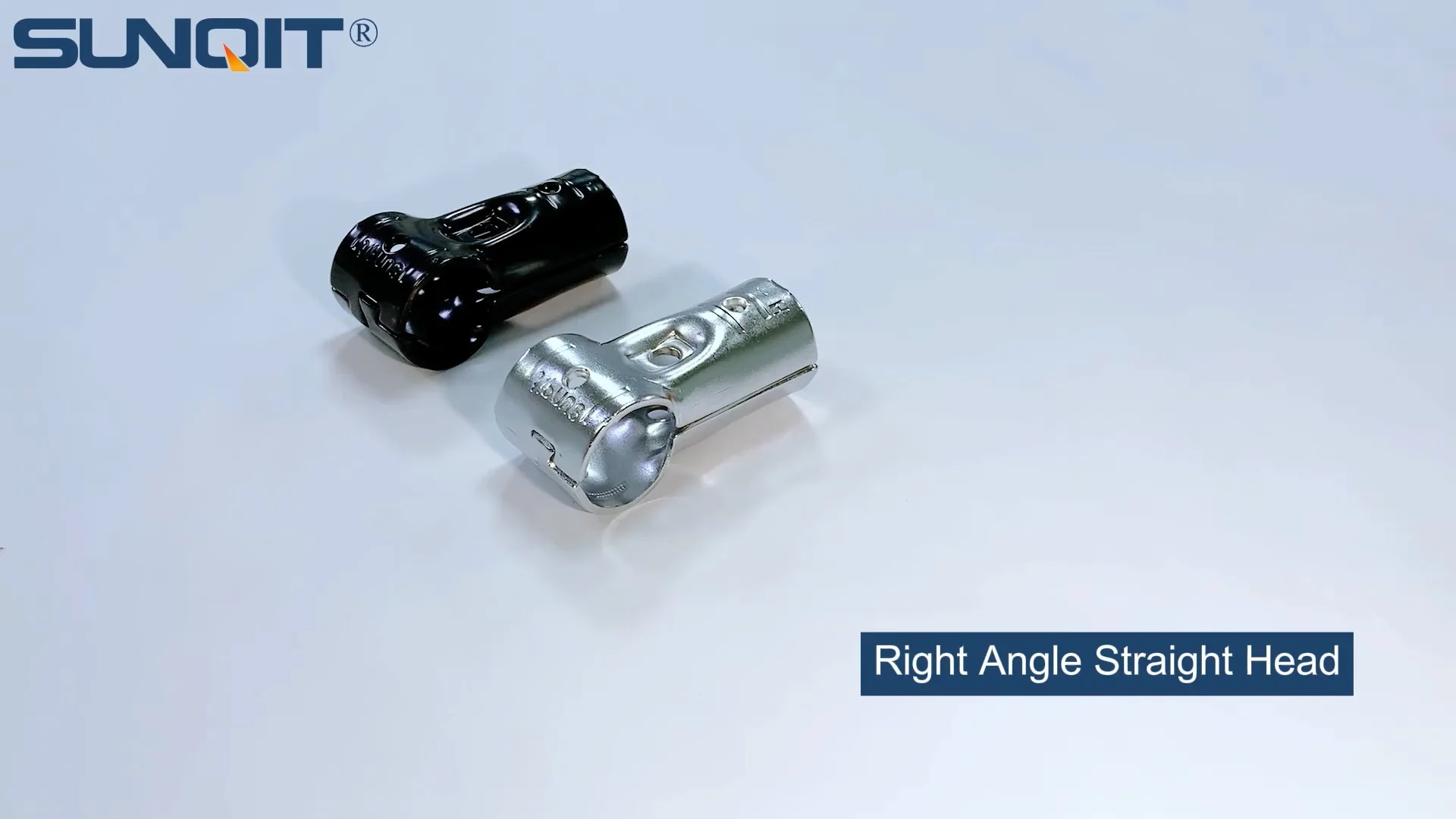
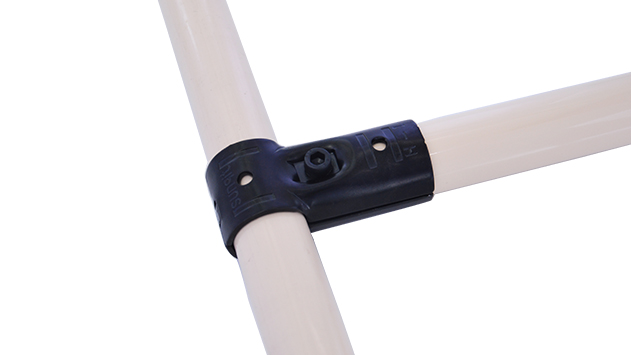
Two way lean pipe joint for 2 pcs 28MM lean pipe connection in straight angle, which used widely in workbench, flow rack, hand trolley frame connection.
Walk into any manufacturing facility, and you'll quickly spot the silent enemies of productivity: piles of unused materials gathering dust, workers trekking back and forth between distant workstations, rigid production lines that can't adapt to new orders, and workbenches cluttered with tools that should be within arm's reach. These aren't just minor inconveniences—they're forms of waste, and in lean manufacturing, waste is the ultimate adversary. The goal of lean isn't just to make things faster; it's to make them smarter by eliminating anything that doesn't add value to the customer. And here's where a small but mighty component enters the scene: the two way lean pipe joint. Often overlooked amid flashier machinery, this unassuming connector plays a starring role in building flexible, efficient workspaces that slash waste at every turn. Let's dive into how this simple tool becomes a cornerstone of waste reduction in lean systems.
Understanding Lean Manufacturing: The Battle Against Waste
Before we unpack the two way lean pipe joint, let's ground ourselves in what lean manufacturing is really about. Developed from the Toyota Production System, lean is built on the idea that every process can be optimized by identifying and eliminating "muda"—the Japanese term for waste. There are eight classic types of waste in manufacturing: transport (unnecessary movement of materials), inventory (excess stock), motion (unneeded movement of workers), waiting (idle time), overproduction (making more than needed), overprocessing (doing more work than required), defects (faulty products), and underutilized talent (not leveraging workers' skills). These wastes don't just drain resources—they slow down production, increase costs, and erode profitability.
To fight these wastes, lean relies on tools and systems that prioritize flexibility, efficiency, and continuous improvement. Think of it as designing a workspace that can "breathe"—adapting to changing demands, streamlining workflows, and keeping everything exactly where it needs to be. This is where modular systems come into play, and at the heart of many modular setups is the lean pipe system. Composed of lightweight pipes, joints, and accessories, these systems let manufacturers build custom workbenches, flow racks, and material handlers. And among the joints that hold these systems together, the two way lean pipe joint stands out for its ability to simplify assembly, enhance adaptability, and cut waste at the source.
What Is a Two Way Lean Pipe Joint? The Unsung Hero of Modularity
Let's start with the basics: A two way lean pipe joint is a connector designed to link two lean pipes at a fixed angle, typically 90 degrees, though some variants allow for adjustments. Made from durable materials like zinc-plated steel, aluminum, or even reinforced plastic, these joints are engineered to be both strong and easy to use. Unlike traditional welding or bolting, which requires specialized tools and permanent connections, two way joints simply snap or screw onto the ends of lean pipes, creating a secure bond that can be disassembled and reused in minutes. Picture a T-junction or an L-shape where two pipes meet—this is the two way joint in action, forming the skeleton of everything from workbenches to conveyor supports.
But why "two way"? Because it connects two pipes, yes—but more importantly, it opens up two-way possibilities for your workspace. Need to extend a flow rack to accommodate longer parts? Add a two way joint and a new pipe. Want to reconfigure a lean pipe workbench to face a different direction? Unscrew the joint, adjust, and reattach. This flexibility is a game-changer in environments where production needs shift regularly—say, a factory that makes both small electronics and larger automotive parts, or a warehouse that handles seasonal inventory spikes. With two way joints, your setup isn't a permanent fixture; it's a living, evolving system.
Waste Reduction in Action: How Two Way Lean Pipe Joints Target Key Wastes
Now, let's get specific. How exactly does this humble joint contribute to waste reduction? Let's break it down by tackling the eight wastes of lean, focusing on the areas where two way joints make the biggest impact.
1. Cutting Time Waste: From Hours of Setup to Minutes of Adjustment
Time is money, and nowhere is that truer than in manufacturing. Traditional production setups often require hours—even days—of preparation. Welding a steel frame for a workbench, for example, means scheduling a welder, waiting for the metal to cool, and then hoping the measurements are perfect. If a mistake is made? You're back to square one, cutting and rewelding, wasting both time and materials.
Two way lean pipe joints eliminate this hassle. Since they don't require welding, drilling, or adhesives, assembling a basic structure like a small parts trolley takes less than an hour—even for someone with no technical training. Need to modify it later? Just loosen the joint's screws, adjust the pipes, and retighten. A factory in Ohio that switched to lean pipe systems with two way joints reported cutting setup time for new workstations by 75%—from 8 hours to just 2. That's time that can be redirected to actual production, not setup.
2. Slashing Material Waste: Reuse, Don't replace
Material waste is another silent killer. Traditional rigid setups often end up in the scrap heap when production needs change. A wooden workbench that's too short for new parts, a steel rack that can't support heavier inventory—these get tossed, contributing to landfill waste and higher material costs. Lean pipe systems, by contrast, are built on the principle of reuse, and two way joints are the key to that.
Because joints and pipes are standardized, you can disassemble an old flow rack and repurpose its parts to build a new lean pipe workbench. A electronics manufacturer in Texas, for instance, used to discard outdated assembly line frames every 6 months, generating over 500 pounds of metal waste annually. After switching to two way joint-based systems, they reused 90% of their old pipes and joints, cutting material waste by $12,000 per year. Even better, since lean pipes are often made from recycled aluminum or steel, the entire system has a smaller environmental footprint from the start.
3. Reducing Motion Waste: Keeping Workers (and Materials) Where They Need to Be
Motion waste refers to unnecessary movement by workers—walking to fetch tools, bending to reach parts, or stretching to access a conveyor. Over time, these small movements add up, leading to fatigue, slower production, and even ergonomic injuries. The solution? Design workspaces where everything is within "golden zone" reach—between knee and shoulder height, and within arm's length.
Two way joints make this customization possible. For example, a lean pipe workbench can be built with a lower shelf for tools (using two way joints to attach vertical pipes) and a raised flow rack above for incoming materials. Workers no longer have to walk to a distant storage area; parts slide down the flow rack directly to their bench, and tools are right below. A case study by the Lean Enterprise Institute found that a factory that reconfigured workstations with two way joint-based setups reduced worker walking time by 40%—equating to 2 extra hours of productive work per employee per day.
4. Minimizing Inventory Waste: Streamlining Storage with Flow Racks
Inventory waste—holding more stock than needed—ties up cash, takes up space, and increases the risk of damage or obsolescence. Lean manufacturing solves this with "just-in-time" (JIT) production, where materials arrive exactly when they're needed. But JIT only works if you have a way to move materials efficiently from storage to the production line. Enter flow racks: sloped racks with rollers that let materials "flow" forward as items are taken, ensuring first-in, first-out (FIFO) usage and reducing the need for excess stock.
Two way lean pipe joints are the backbone of these flow racks. By connecting horizontal and vertical pipes, they create sturdy, adjustable shelves that can be tilted to the perfect angle for smooth material flow. A food packaging plant in California used two way joints to build custom flow racks for plastic containers, reducing inventory levels by 30% because they could now restock smaller quantities more frequently. The racks were also easy to adjust when container sizes changed—no need to buy new racks, just reposition the joints and pipes.
5. Eliminating Overprocessing: Building Only What You Need
Overprocessing happens when you add unnecessary steps to a process—like using a heavy-duty steel frame for a light assembly task, or painting parts that will never be seen by the customer. Lean pipe systems with two way joints combat this by letting you build exactly what you need, no more, no less.
For example, a small machine shop needed a cart to transport finished parts from the lathe to quality control. Instead of buying a generic steel cart that was too large and heavy, they used two way joints, lean pipes, and lightweight aluminum panels to build a custom cart that fit their parts perfectly. It was lighter (easier to push), smaller (fit through narrow aisles), and cheaper (cost 60% less than the generic cart). No overbuilt frame, no wasted materials—just a solution tailored to their exact needs.

Synergy with Other Lean Components: Two Way Joints as Part of the Bigger Picture
Two way lean pipe joints don't work in isolation—they're part of a larger ecosystem of lean tools, and their true power shines when paired with other components like lean pipe workbenches, flow racks, and aluminum profiles. Let's explore how these pieces come together to create a waste-free workflow.
Lean Pipe Workbench: The Heart of the Workstation
A lean pipe workbench is more than just a table—it's a command center for production. Built with a frame of lean pipes and two way joints, it can be customized with shelves, tool hooks, lighting, and even ESD (electrostatic discharge) mats for electronics manufacturing. The two way joints here allow for easy addition of accessories: a side shelf for a laptop, a lower rack for bins, or a overhead light bar. When a worker moves to a new task, the workbench can be reconfigured in minutes, ensuring they always have the tools and space they need.
Flow Racks: Keeping Materials Moving
As mentioned earlier, flow racks rely on two way joints to create their sloped, roller-equipped shelves. But they also work hand-in-hand with lean pipe workbenches. Imagine a production line where each workbench is fed by a flow rack: raw materials come in on one end, move through each station via conveyors (also built with lean pipes and two way joints), and exit as finished goods. There's no backtracking, no piles of inventory, and no wasted motion—just a steady, efficient flow.
Aluminum Profiles: Lightweight Strength for Heavy-Duty Tasks
For applications that need extra strength—like supporting heavy machinery or large storage racks—aluminum profiles are often used alongside lean pipes. These extruded aluminum beams have T-slots that let you attach accessories without drilling, and two way joints (designed specifically for aluminum) connect them seamlessly to lean pipes. This hybrid approach combines the lightweight flexibility of lean pipes with the rigidity of aluminum, creating systems that can handle heavier loads while still remaining adaptable.

Traditional vs. Lean: A Comparison Table
| Aspect | Traditional Manufacturing Setup | Lean Pipe System with Two Way Joints | Waste Reduction Benefit |
|---|---|---|---|
| Assembly Time | 8–12 hours (welding, bolting) | 1–2 hours (snap-on joints) | 75% reduction in setup time |
| Material Reusability | Low (permanent welds; 10% reuse rate) | High (90%+ reuse rate for pipes/joints) | 80% less material waste |
| Worker Motion | High (frequent walking to fetch tools/parts) | Low (tools/parts within arm's reach) | 40% less walking time per shift |
| Inventory Levels | High (bulk storage to avoid stockouts) | Low (JIT via flow racks) | 30% reduction in inventory holding costs |
| Adaptability to Change | Low (requires full redesign for new tasks) | High (reconfigure in minutes) | Eliminates "downtime during transition" waste |
The Bottom Line: Two Way Joints as Catalysts for Continuous Improvement
At the end of the day, lean manufacturing isn't a one-time project—it's a mindset of continuous improvement. Two way lean pipe joints embody this mindset by making it easy to experiment, adapt, and refine your workspace. A team might start with a basic lean pipe workbench, then add a flow rack as they notice parts piling up. Later, they might adjust the height of the workbench using two way joints after workers report back pain. Each small change reduces waste a little more, and over time, those small changes add up to big results: lower costs, faster production, and a more engaged workforce.
So, the next time you walk through a manufacturing facility, take a closer look at the workbenches, racks, and carts. If they're built with lean pipes and two way joints, you're likely seeing a space that's not just efficient—it's evolving. And in the world of lean, evolution is the key to eliminating waste, one joint at a time.