- Company Articles
- Products and Technology
- Solution
- How Two Way Lean Pipe Joint Reduces Production Downtime During Line Reconfigurations

How Two Way Lean Pipe Joint Reduces Production Downtime During Line Reconfigurations
Related Product
Two Way Lean Pipe Joint
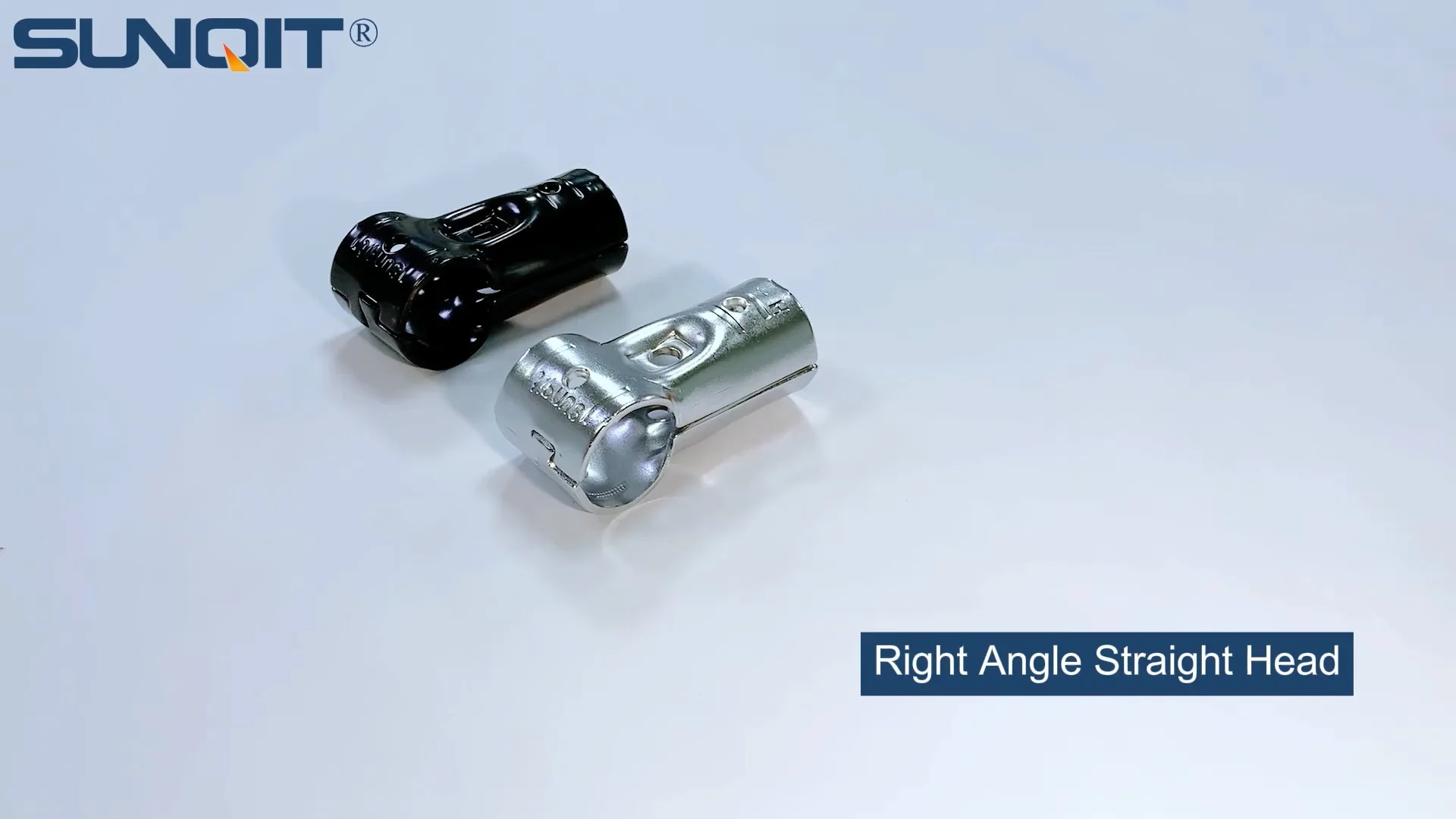
Two way lean pipe joint for 2 pcs 28MM lean pipe connection in straight angle, which used widely in workbench, flow rack, hand trolley frame connection.
It's a Wednesday afternoon at a mid-sized automotive parts factory, and the production floor is buzzing—until it isn't. The team has just received a last-minute order for a new component, requiring a complete reconfiguration of Assembly Line B. The supervisor, Raj, sighs as he glances at the clock. Last month, a similar change took over 8 hours, leaving the line idle and the team scrambling to meet deadlines. Welded steel frames, bolted workbenches, and rigid material racks meant disassembling took hours, and reassembly took even longer. By the end of the day, overtime costs spiked, and the shipment barely made it out the door. "There has to be a better way," Raj mutters, staring at the tangled mess of tools and half-dismantled structures.
Raj's frustration is far from unique. In modern manufacturing, where agility and responsiveness are the keys to staying competitive, production downtime during line reconfigurations has become a silent profit killer. Whether it's adapting to new product designs, scaling up for seasonal demand, or pivoting to meet urgent customer orders, the ability to reconfigure production lines quickly can make or break a business. This is where the two way lean pipe joint enters the picture—a small but mighty component that's revolutionizing how factories approach flexibility. In this article, we'll explore how this unassuming joint reduces downtime, integrates with broader lean systems, and transforms the way teams build, adjust, and optimize their production environments.
The Hidden Cost of Downtime: Why Minutes Matter
Before diving into solutions, it's critical to understand the true cost of production downtime. For many manufacturers, downtime is often viewed as "just part of the process"—a necessary evil when reconfiguring lines. But the numbers tell a different story. According to a 2024 report by the Manufacturing Performance Institute, unplanned downtime costs the average factory $22,000 per minute. While reconfigurations are planned, the line is still idle, and every minute adds up.
Consider a mid-sized electronics manufacturer with 50 employees on a production line, each earning an average of $25 per hour. A 6-hour reconfiguration means 300 labor hours lost—$7,500 in direct wages alone. But that's just the tip of the iceberg. There's also the cost of missed deadlines: if the line was supposed to produce 1,000 units per hour, 6 hours of downtime equals 6,000 units not made. If each unit has a profit margin of $10, that's $60,000 in lost revenue. Add in overtime for the team to catch up, potential penalties for late shipments, and the opportunity cost of not using that time to innovate or maintain equipment, and the total cost balloons. For small to medium enterprises (SMEs), these numbers can be devastating.
The root of the problem? Rigid production structures. Traditional lines rely on welded steel frames, heavy bolted workbenches, and fixed material racks. To reconfigure, teams must cut welds, drill new holes, or completely rebuild structures from scratch. It's labor-intensive, time-consuming, and often requires specialized tools or outside contractors. By the time the line is back up, the window for meeting tight deadlines has shrunk, and employee morale—already strained by repetitive, physically demanding tasks—takes a hit.
The Lean System Vision: Flexibility as a Core Value
Enter lean manufacturing—a philosophy built on eliminating waste, optimizing flow, and continuous improvement. At its heart, lean is about creating systems that adapt to change, not resist it. A key pillar of lean is "flexible manufacturing," which emphasizes the ability to quickly adjust production processes to meet evolving needs. This is where components like lean pipe workbenches, flow racks, and roller tracks shine—they're designed to be modular, reusable, and easy to reconfigure. But none of these components would work without a critical connector: the lean pipe joint.
Lean pipe systems (also known as "kitchen pipe" systems, thanks to their early use in Japanese factories) use lightweight, durable pipes—often steel or aluminum—joined together with specialized connectors. These systems have been around for decades, but early joints were limited in their flexibility. Many were fixed-angle, meaning once connected, pipes couldn't be adjusted without disassembling the entire structure. This is where the two way lean pipe joint stands out. Unlike traditional fixed joints, two way joints allow for quick, tool-free adjustments, enabling teams to reconfigure lines in a fraction of the time.
What Is a Two Way Lean Pipe Joint? Breaking Down the Design
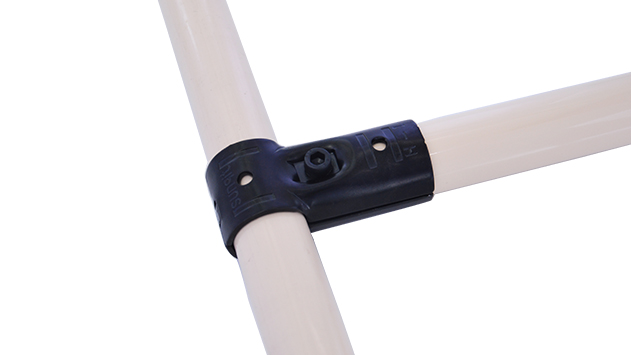
At first glance, a two way lean pipe joint looks simple: a small, often plastic or metal connector with two openings designed to fit standard lean pipes (typically 28mm or 30mm in diameter). But its simplicity is deceptive. The magic lies in its design, which prioritizes three key features: ease of assembly, adjustability, and durability.
Most two way lean pipe joints are made from high-strength nylon or aluminum, chosen for their lightweight properties and resistance to wear and tear. The inner surface of the joint is lined with a rubberized grip or ribbed texture that holds the pipe securely in place without requiring bolts or welding. To assemble, you simply insert the pipe into the joint and twist or lock it into position—no tools needed. This "snap-and-go" design cuts assembly time from hours to minutes.
But the real game-changer is adjustability. Traditional joints lock pipes into a fixed angle (e.g., 90 degrees or 45 degrees), meaning any change in layout requires disconnecting and reconnecting the joint. Two way joints, by contrast, often feature a rotating or swiveling mechanism that allows pipes to pivot or slide within the joint. This means you can adjust the height of a workbench, the angle of a flow rack, or the length of a roller track without fully disassembling the structure. For example, if a team needs to lower a lean pipe workbench by 6 inches to accommodate a shorter operator, they can simply loosen the joint, slide the pipe to the desired height, and retighten—all in under a minute.
Durability is another key factor. Despite their lightweight design, two way joints are built to withstand the rigors of factory environments. High-quality joints can support hundreds of pounds of weight, making them suitable for everything from light assembly workbenches to heavy-duty material racks. Many are also resistant to chemicals, moisture, and temperature fluctuations, ensuring they hold up in harsh settings like automotive or food processing plants.

Traditional Joints vs. Two Way Lean Pipe Joints: A Comparison
To truly appreciate the impact of two way lean pipe joints, let's compare them side-by-side with traditional fixed joints and welded structures. The table below breaks down key metrics like assembly time, reconfiguration time, cost, and flexibility:
| Metric | Welded Steel Structures | Traditional Fixed Lean Pipe Joints | Two Way Lean Pipe Joints |
|---|---|---|---|
| Assembly Time (per joint) | 20–30 minutes (requires welding equipment) | 5–10 minutes (requires hex keys/wrenches) | 1–2 minutes (tool-free) |
| Reconfiguration Time (for a 10-joint structure) | 4–6 hours (requires cutting/drilling) | 1–2 hours (requires disassembling/reconnecting) | 15–30 minutes (adjust in place) |
| Flexibility | None (permanently fixed) | Low (fixed angles; limited adjustments) | High (adjustable angles/heights; tool-free changes) |
| Cost (Initial + Long-Term) | High (expensive materials; labor-intensive setup; no reuse) | Moderate (lower materials; reusable but slow to reconfigure) | Moderate (similar to traditional joints; lower labor costs over time) |
| Skill Required | High (certified welders needed) | Moderate (basic training on tools) | Low (intuitive design; minimal training) |
| Waste Generation | High (scrap metal from cutting; non-recyclable structures) | Moderate (some disassembly waste; partial reuse) | Low (fully reusable; no scrap from adjustments) |
The data speaks for itself: two way lean pipe joints drastically reduce the time and effort required to build and reconfigure production structures. For Raj's team, swapping traditional fixed joints for two way joints could cut that 8-hour reconfiguration down to under an hour—freeing up the line to start production earlier and avoiding overtime costs. But the benefits go beyond time savings. By reducing the skill barrier, two way joints empower frontline workers to make adjustments themselves, fostering a culture of ownership and continuous improvement. When operators can tweak their own workbenches or material racks to fit their needs, morale improves, and efficiency follows.

Real-World Impact: How Factories Are Cutting Downtime
To understand the practical benefits of two way lean pipe joints, let's look at a few real-world examples. These case studies highlight how different industries have leveraged this technology to reduce downtime and boost productivity.
Case Study 1: Electronics Manufacturer Reduces Reconfiguration Time by 75%
A California-based electronics manufacturer specializing in circuit boards faced frequent reconfigurations due to short product lifecycles. Their assembly lines relied on traditional fixed lean pipe joints, and reconfiguring for new board sizes took an average of 6 hours. In 2023, they switched to two way lean pipe joints across three lines. The results were staggering: reconfiguration time dropped to 1.5 hours per line—a 75% reduction. "Our operators used to dread reconfig days," says the plant manager, Lisa. "Now, they can adjust the height of their workbenches, reposition flow racks, and realign roller tracks in minutes. We've cut overtime by 40%, and our on-time delivery rate has jumped from 85% to 98%."
Case Study 2: Automotive Parts Supplier Eliminates Weekend Reconfigurations
A Michigan-based automotive parts supplier serves multiple OEMs, each with unique specifications. Prior to using two way joints, the company reserved weekends for line reconfigurations, requiring a skeleton crew to work overtime. The process involved disassembling bolted steel frames and rebuilding them from scratch, often taking 12+ hours. After transitioning to two way lean pipe joints and aluminum lean pipe systems, the team can now reconfigure a line in under 3 hours during regular shifts. "We used to lose entire weekends to reconfigs," explains the operations director, Mike. "Now, we can adjust lines between shifts—no overtime, no lost production days. Last quarter, we saved over $50,000 in labor costs alone."
Case Study 3: Small Bakery Scales Up for Holiday Demand
It's not just large factories that benefit. A family-owned bakery in Oregon, which produces artisanal bread and pastries, uses lean pipe systems to manage seasonal demand spikes. Each holiday season, they need to double production, requiring additional workbenches and material racks. With traditional wooden shelves and fixed metal racks, setup took 2 full days. After switching to two way lean pipe joints and aluminum profile workbenches, they can now assemble and reconfigure their temporary lines in 4 hours. "We used to close the shop for setup," says the owner, Maria. "Now, we do it after hours, and we're ready to go the next morning. This year, we increased holiday sales by 30% because we could meet demand without shutting down."
Beyond the Joint: Integrating with Other Lean Components
While two way lean pipe joints are a star player, their true power lies in how they integrate with other lean components. Let's explore how they work alongside flow racks, roller tracks, and lean pipe workbenches to create a seamless, flexible system.
Flow Racks: Streamlining Material Handling
Flow racks (also called "gravity flow racks") are used to store and transport materials from receiving to assembly lines, relying on gravity to move items along inclined roller tracks. Traditional flow racks are often fixed in size and angle, making it hard to adapt to different material sizes or weights. With two way lean pipe joints, flow racks become infinitely adjustable. For example, if a factory starts using larger bins for components, operators can quickly adjust the height of the rack's side rails by loosening the two way joints, sliding the pipes up, and retightening. The angle of the roller track can also be tweaked to control the speed of material flow—critical for fragile items like glass components or delicate electronics.
Roller Tracks: Smooth, Adaptable Product Flow
Roller tracks are the backbone of material transport in lean systems, used to move products between workstations. Whether it's a plastic roller track guide rail (yellow or grey) or a steel roller track with ESD wheels (for static-sensitive environments), the ability to adjust track length and angle is essential. Two way lean pipe joints make this possible. For instance, if a workstation needs to be moved 3 feet to the left, the roller track connecting it to the next station can be extended by adding a section of pipe and securing it with two way joints—no cutting or drilling required. This adaptability ensures that product flow remains uninterrupted, even as the line layout changes.
Lean Pipe Workbenches: Ergonomics at the Forefront
Lean pipe workbenches are the heart of assembly lines, where operators spend most of their shifts. Ergonomics—adjusting height, angle, and tool placement to reduce strain—is critical for preventing injuries and boosting productivity. Two way joints make ergonomic adjustments a breeze. An operator with a shoulder injury can lower their workbench height in seconds; a team assembling taller products can raise it just as quickly. Some workbenches even integrate aluminum honeycomb panels for lightweight durability, and with two way joints, adding accessories like tool holders or monitor mounts is as simple as snapping on a new pipe section.
Choosing the Right Two Way Lean Pipe Joint: Key Considerations
Not all two way lean pipe joints are created equal. To maximize downtime reduction, it's important to choose the right joint for your needs. Here are key factors to consider:
Material: Plastic, Metal, or Aluminum?
Two way joints are typically made from plastic (nylon), steel, or aluminum. Plastic joints are lightweight, corrosion-resistant, and affordable—ideal for light to medium-duty applications like electronics assembly. Steel joints offer higher strength and durability, making them better for heavy loads (e.g., automotive parts). Aluminum joints strike a balance: lightweight, strong, and resistant to rust, making them perfect for clean environments like food processing or pharmaceuticals.
Pipe Compatibility
Ensure the joint fits your existing lean pipes. Most lean pipes are 28mm or 30mm in diameter, but some systems use aluminum profile pipes (e.g., 2020, 3030, or 4040 series). Check the joint's specifications to avoid mismatches—using a joint that's too loose or too tight can compromise stability and adjustability.
Locking Mechanism
Two way joints use different locking mechanisms: cam levers, thumb screws, or twist locks. Cam levers are the fastest (tool-free, one-handed operation), while thumb screws offer extra security for heavy loads. Choose a mechanism that balances speed and stability for your application.
Supplier Support
Look for a reputable lean pipe supplier that offers technical support and a range of accessories (e.g., caster wheels, pipe clamps, end caps). A supplier with local inventory can reduce lead times, ensuring you have joints on hand when you need them for reconfigurations.
The Future of Flexible Manufacturing: Where Two Way Joints Lead
As manufacturing continues to evolve—with trends like mass customization, Industry 4.0, and reshoring driving demand for agility—the role of two way lean pipe joints will only grow. Imagine a factory where production lines reconfigure automatically based on real-time order data, with two way joints adjusting heights, angles, and layouts via IoT-connected actuators. While we're not there yet, the foundation is being laid. Today's two way joints are already compatible with smart sensors that monitor wear and tear, alerting teams when a joint needs maintenance before it fails. Tomorrow, they could integrate with AI-driven systems that suggest optimal line layouts based on production goals.
Even for smaller manufacturers, the future is bright. As aluminum lean pipe systems become more affordable and two way joints more intuitive, the barrier to entry for flexible manufacturing is lowering. SMEs that once couldn't afford to invest in agility can now build modular lines that grow with their business, reducing the risk of over-investing in rigid infrastructure.
Conclusion: From Frustration to Freedom
Back on Assembly Line B, Raj watches as his team wraps up the reconfiguration in just 45 minutes. The two way lean pipe joints they installed last month have transformed the process. Instead of cutting welds or wrestling with bolts, the operators simply loosen the joints, adjust the flow racks and roller tracks, and retighten. The new component is already rolling down the line, and the team is on track to finish the order ahead of schedule. "I never thought a small joint could make this much difference," Raj says, smiling as he checks the production dashboard. "Downtime used to keep me up at night. Now, I'm sleeping better—and so is the bottom line."
The two way lean pipe joint may be small, but its impact is enormous. By reducing reconfiguration time, cutting costs, and empowering teams, it's not just a tool—it's a catalyst for a more agile, efficient, and human-centered manufacturing future. For manufacturers ready to leave downtime in the past, the message is clear: invest in flexibility, starting with the joints that hold your production lines together. The return? Not just reduced downtime, but a competitive edge that will keep your business thriving in an ever-changing market.