- Company Articles
- Products and Technology
- Product knowledge
- How Wheel Flange Enhances Speed in 38 Aluminum Roller Track Black Systems

How Wheel Flange Enhances Speed in 38 Aluminum Roller Track Black Systems
Related Product
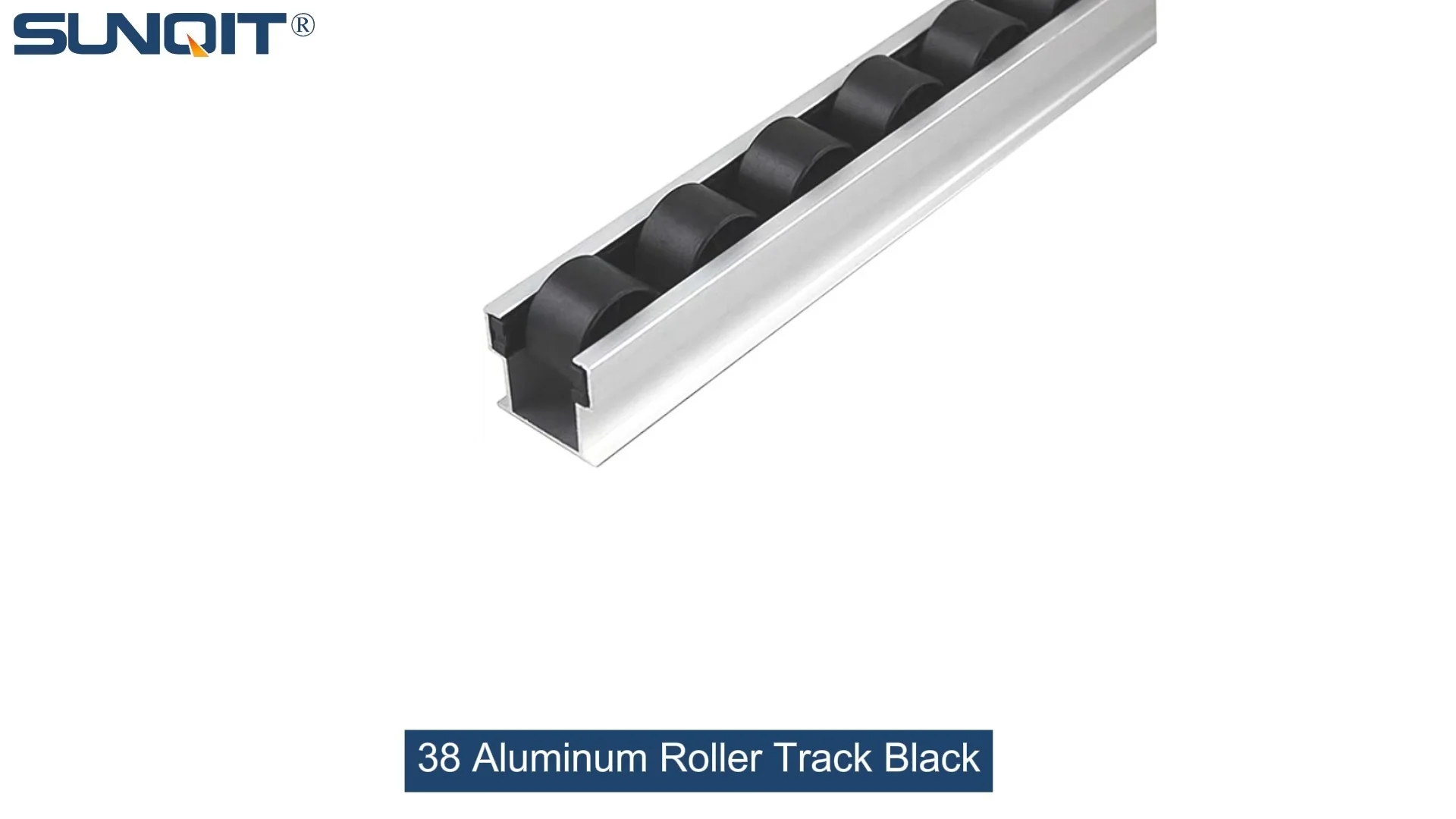
38 Aluminum Roller Track Black
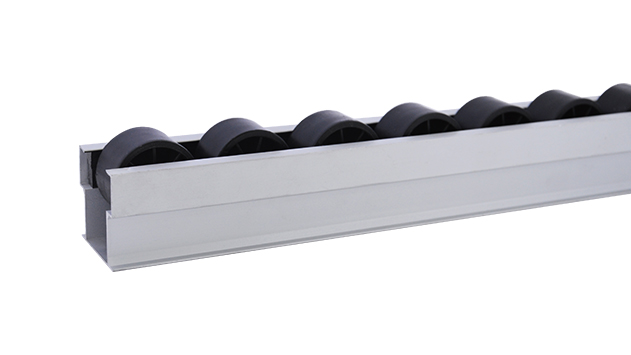
Durable and smooth-running modular roller rails. The system is fully assembled. The roller rail profile contains plastic rollers mounted on steel axles. Aluminum frame with plastic wheel make it anti corrosion,and material convey more smooth.
In today's fast-paced manufacturing landscape, every second of downtime or slowdown translates to lost productivity and revenue. For businesses relying on lean pipe systems to streamline operations, the efficiency of every component—no matter how small—matters. One such component that often flies under the radar but plays a critical role in speed and reliability is the wheel flange in 38 aluminum roller track black systems. Let's dive into why these small flanges are a game-changer for factories looking to boost their line speeds and cut waste.
What Are 38 Aluminum Roller Track Black Systems?
Before we get into wheel flanges, let's clarify what 38 aluminum roller track black systems are. These tracks are made from high-grade aluminum extrusion profiles—lightweight yet durable enough to handle heavy loads like metal parts, electronic components, or packaged goods. The black finish isn't just aesthetic; it's a protective coating that resists scratches, corrosion, and wear, ensuring the tracks stay in top shape even in busy, high-traffic factory floors.
These systems are a staple in lean manufacturing environments, often used in flow racks, conveyor lines, and flexible workstations. They align perfectly with lean principles: reusable, adaptable, and designed to reduce waste. For example, in a flow rack (a common application), these tracks let items slide from the back to the front using gravity, making it easy for workers to pick parts without walking to the back of the rack—saving time and energy.
The Unsung Hero: Wheel Flanges in Roller Tracks
Wheel flanges are small, raised edges on the rollers of the track. You might not notice them at first glance, but they're responsible for keeping your operations moving smoothly and quickly. Let's break down their key contributions:
1. Alignment & Stability: No More Derailments
Imagine a box sliding down a roller track without flanges. If it's even slightly off-center, it could drift to the side and fall off—stopping the line, requiring a worker to reset it, and wasting precious time. Wheel flanges solve this problem by acting as guides. They keep items centered on the track, preventing derailments and ensuring a continuous flow. For high-volume lines, this means no unexpected stops; every item moves from point A to point B without interruption.
For example, in a 3C assembly line (like phone or laptop manufacturing), small components like circuit boards or batteries need to move quickly between stations. A single derailment could delay the entire line. With flanged tracks, these components stay aligned, arriving at the next station exactly when the worker is ready—cutting cycle times and boosting productivity.
2. Reduced Friction: Smoother, Faster Movement
Friction is the enemy of speed. When items rub against the sides of the track or drift off the rollers, they slow down. Wheel flanges keep items in the optimal position: right over the rollers, where friction is minimal. This allows items to slide at their maximum possible speed without resistance.
Let's take a warehouse example. A flow rack using flanged 38 aluminum tracks lets boxes of inventory slide from the back to the front at a steady pace. Workers don't have to pull or push heavy boxes—they just pick them up from the front. This cuts retrieval time by up to 30% compared to non-flanged tracks, where boxes might get stuck or require extra force to move.
3. Load Flexibility: Handle Varied Sizes Without Slowdowns
Factories rarely handle items of the same size every day. One hour, you might be moving small electronic parts; the next, larger packaging boxes. Non-flanged tracks often require adjustments to accommodate different sizes—like changing the track width—which takes time and slows operations. Wheel flanges eliminate this need.
Flanged tracks can handle a range of item sizes. Small items stay centered, while larger items rest against the flanges but still slide smoothly. For instance, in a medical equipment factory, flanged tracks can move both small syringes and larger diagnostic tools without any adjustments. This flexibility ensures that the line keeps moving at full speed, no matter what's being transported.
4. Durability: Long-Term Speed Retention
Wheel flanges are made from tough materials like nylon or stainless steel—materials that resist wear and tear even with constant use. Worn-out flanges can lead to misalignment, friction, and slow speeds. But high-quality flanges (part of essential roller track accessories) last for years, maintaining their shape and function. This means your system retains its speed over time, reducing the need for frequent replacements and maintenance.
Tracks With vs. Without Wheel Flanges: A Comparison
| Aspect | Tracks Without Wheel Flanges | Tracks With Wheel Flanges |
|---|---|---|
| Average Movement Speed | ~0.4–0.6 meters per second | ~0.7–1.0 meters per second |
| Derailment Rate | 3–5% per 100 items | Less than 1% per 100 items |
| Load Size Flexibility | Only fits standard-sized items (10–15 cm wide) | Accommodates 5–30 cm wide items |
| Maintenance Frequency | Monthly (alignment adjustments, part replacements) | Quarterly (cleaning, wear checks) |
| Ideal For | Low-volume, fixed-load lines | High-volume, mixed-load lines |
| Productivity Impact | Moderate ( frequent stops reduce output) | High (continuous flow boosts output by 20–30%) |

Real-World Applications of Flanged 38 Aluminum Roller Tracks
Flanged 38 aluminum roller track black systems are used across a wide range of industries. Let's look at some concrete examples of how they enhance speed:
1. 3C Assembly Lines
In a smartphone factory, components like screens, batteries, and motherboards need to move quickly between assembly stations. Flanged tracks ensure these small, delicate parts stay aligned and slide smoothly. For instance, a screen might take 2 seconds to move from the testing station to the assembly station with flanged tracks—compared to 5 seconds with non-flanged tracks. Over a day, this adds up to thousands of extra screens assembled.
2. Medical Equipment Manufacturing
Medical devices like IV bags or surgical instruments require precise handling. Flanged tracks move these items without jostling, preventing damage and ensuring quality. In a syringe factory, flanged tracks let syringes slide from the molding station to the packaging station at high speed—without any jams. This helps meet the high demand for medical supplies, especially during peak periods.
3. Warehousing & Logistics
Warehouses rely on flow racks to store and retrieve inventory efficiently. Flanged 38 aluminum tracks let boxes slide to the front of the rack using gravity. For example, in an e-commerce warehouse, a box of clothes might take 1 second to slide to the picker—compared to 3 seconds with non-flanged tracks. This cuts down on pick time, allowing workers to fulfill more orders per hour.
4. Automotive Parts Production
Automotive factories handle heavy parts like engine blocks or door panels. Flanged tracks can support these heavy loads while keeping them aligned. For instance, an engine block might move from the machining station to the assembly station in 10 seconds with flanged tracks—compared to 15 seconds with non-flanged tracks. This reduces the time per car assembled, boosting overall production rates.

Choosing the Right Wheel Flanges for Your System
To get the most out of your 38 aluminum roller track black system, you need to choose the right wheel flanges. Here are some tips:
a. Consider Load Weight
If you're moving heavy loads (over 50 kg), opt for steel flanges—they're stronger and more durable. For lighter loads (under 20 kg), nylon flanges are a cost-effective choice.
b. Think About Item Size
Measure the width of the items you'll be moving. Choose flanges that are wide enough to accommodate your largest items without restricting movement.
c. Check the Environment
If your factory is in a wet or corrosive environment (like a food processing plant), choose stainless steel flanges—they resist rust and corrosion. For dry environments, nylon flanges work well.
d. Look for Quality Materials
Invest in high-quality roller track accessories like flanges from a reputable supplier. Cheap flanges wear out quickly, leading to slowdowns and frequent replacements.
Maintenance Tips to Keep Speed High
Even the best flanged tracks need regular maintenance to stay fast. Here are some simple steps:
1. Clean the Tracks & Flanges Regularly
Dust and debris can get stuck between the rollers and flanges, causing friction. Wipe the tracks and flanges with a dry cloth or soft brush once a week. Avoid harsh chemicals—they can damage the black coating.
2. Check for Wear & Tear
Inspect the flanges every month for cracks, dents, or worn edges. If you notice any damage, replace the flanges immediately. Worn flanges can lead to derailments and slow speeds.
3. Tighten Loose Parts
Over time, aluminum profile accessories like bolts or clamps can come loose. Check them every quarter and tighten any loose parts. This ensures the tracks stay aligned and stable.
4. Lubricate Rollers (If Needed)
Some rollers require lubrication to stay smooth. Use a light oil (like silicone oil) to lubricate the rollers once every six months. Avoid heavy oils—they can attract dust and cause friction.
Conclusion: Wheel Flanges Are Key to Faster Operations
Wheel flanges might be small, but they're a critical component of 38 aluminum roller track black systems. They keep items aligned, reduce friction, handle varied loads, and last a long time—all of which contribute to faster, more efficient operations. Whether you're using these systems in flow racks, conveyor lines, or lean pipe systems, wheel flanges are essential for getting the most out of your equipment.
For businesses looking to implement a lean solution, these flanged tracks are a must-have. They align with lean principles: reducing waste, boosting efficiency, and adapting to changing needs. So if you want to cut downtime, increase productivity, and stay ahead in today's competitive manufacturing world, consider investing in 38 aluminum roller track black systems with high-quality wheel flanges.
Remember: Every small component counts. Wheel flanges are the unsung heroes that keep your lines moving fast—don't overlook them.