- Company Articles
- Products and Technology
- Product knowledge
- Hygiene Benefits of 1.5mm Stainless Steel Pipe in Pharmaceutical Packaging Lines

Hygiene Benefits of 1.5mm Stainless Steel Pipe in Pharmaceutical Packaging Lines
Related Product
1.5mm Stainless Steel Pipe
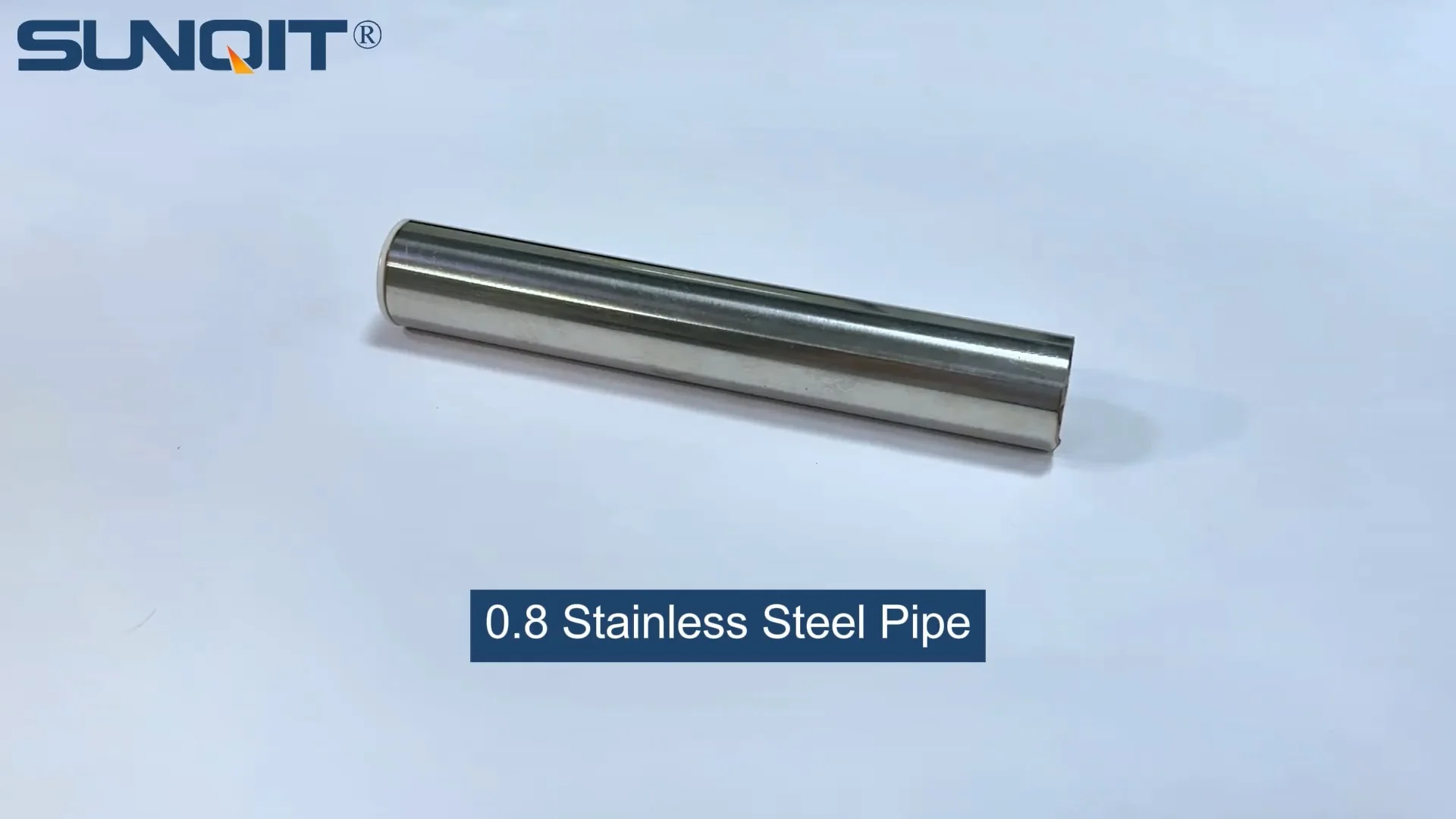
Stainless steel pipe, lean pipe, diameter is 28mm, material is SS201 or SS304, SS201 is normally used in the market. It knows a KARAKURI, KAIZEN material for industrial plant to improve efficiency, save labor cost, standard management.
In the world of pharmaceuticals, where the smallest contamination can compromise patient safety and product efficacy, every detail of the production process matters. From the air filtration systems to the gloves worn by workers, hygiene is the backbone of reliable drug manufacturing. Yet, one often overlooked hero in this ecosystem is the material that forms the structural backbone of packaging lines: the pipes and frameworks that support conveyors, workbenches, and material racks. Among these, 1.5mm stainless steel pipe stands out as a quiet champion, offering a unique blend of durability and hygiene that's indispensable in pharmaceutical settings. Let's dive into why this unassuming component plays such a critical role in keeping packaging lines clean, compliant, and capable of protecting the medications that reach patients worldwide.
Why Material Choice Makes or Breaks Hygiene in Pharma Packaging
Pharmaceutical packaging lines are high-stakes environments. They're tasked with handling everything from tablets and capsules to injectables and sterile solutions, each requiring meticulous protection from contaminants like bacteria, dust, and chemical residues. Regulatory bodies like the FDA and EMA set strict standards for surface materials in these spaces, emphasizing non-porous, easy-to-clean, and corrosion-resistant properties. Why? Because surfaces that harbor bacteria or degrade under cleaning protocols can become silent sources of contamination, putting both products and patients at risk.
Imagine a scenario where a packaging line uses a porous plastic pipe. Over time, tiny cracks or pores in the material could trap cleaning agents, moisture, or even organic matter—creating a breeding ground for bacteria. When that pipe is part of a conveyor system transporting blister packs, those bacteria could transfer to the product surface, leading to costly recalls or, worse, compromised medication. This is why material selection isn't just a matter of cost or convenience; it's a foundational element of a facility's hygiene strategy.
1.5mm Stainless Steel Pipe: Designed for Hygiene from the Start
Stainless steel has long been a staple in industries where cleanliness is critical—hospitals, food processing, and pharmaceuticals, to name a few. But not all stainless steel pipes are created equal. The 1.5mm thickness, often paired with high-grade alloys like 316L (known for its superior corrosion resistance), is a deliberate choice for pharmaceutical packaging lines. Let's break down what makes this specific (specification) so effective:
Non-porous by nature: Unlike materials like aluminum profile or certain plastics, stainless steel is inherently non-porous. This means there are no tiny gaps or channels where moisture, dirt, or bacteria can hide. When you wipe down a 1.5mm stainless steel pipe with a disinfectant, the surface remains smooth and unyielding, leaving no room for contaminants to linger.
Engineered for durability: The 1.5mm thickness strikes a perfect balance. It's strong enough to withstand the daily wear and tear of a busy packaging line—think vibrations from conveyors, accidental bumps from carts, or the weight of suspended equipment—without bending or developing micro-cracks. These cracks, even if invisible to the naked eye, would be disaster zones for hygiene, as they'd trap debris and resist cleaning.
Resistant to the harshest cleansers: Pharmaceutical facilities rely on aggressive cleaning agents and processes—from high-temperature steam to caustic disinfectants—to ensure sterility. 1.5mm stainless steel, especially when alloyed with chromium and nickel, resists corrosion and chemical breakdown under these conditions. Unlike galvanized steel, which can rust when exposed to moisture, or aluminum profile, which may react with acidic cleaners, stainless steel maintains its integrity, ensuring the surface stays smooth and hygienic for years.

The Key Hygiene Benefits: Beyond Just "Clean"
It's one thing to say 1.5mm stainless steel pipe is "hygienic," but what does that look like in practice? Let's unpack the tangible benefits that make it a must-have in pharmaceutical packaging lines:
1. No Hideouts for Bacteria
Bacteria thrive in moist, hard-to-reach places. Porous materials or those with rough finishes give them the perfect home. 1.5mm stainless steel pipe, with its smooth, non-porous surface, eliminates these hideouts. Even under magnification, the surface remains uniform, making it easy to sanitize with simple wiping or spraying. In studies comparing surface bacterial counts, stainless steel consistently outperforms materials like painted steel or plastic, showing up to 90% fewer colony-forming units after standard cleaning protocols.
2. Corrosion Resistance = Long-Term Hygiene
Corrosion isn't just an aesthetic issue; it's a hygiene hazard. When metal corrodes, it forms pitted, uneven surfaces that trap contaminants and are nearly impossible to clean thoroughly. 1.5mm stainless steel pipe's resistance to corrosion—even when exposed to the high humidity and frequent washdowns common in packaging lines—means it stays smooth and intact for decades. This longevity isn't just cost-effective; it ensures that the hygiene performance you rely on today doesn't degrade over time.
3. Compatibility with Sterilization Processes
Some pharmaceutical packaging lines require periodic deep sterilization, such as autoclaving or steam cleaning at temperatures exceeding 121°C. Many materials would warp, melt, or degrade under these conditions, but 1.5mm stainless steel handles them with ease. Its thermal stability ensures it doesn't release harmful substances or change texture, maintaining a sterile surface post-sterilization. This is critical for lines handling sterile injectables or ophthalmic products, where even trace contamination is unacceptable.
4. Seamless Integration with Lean Systems
Hygiene and efficiency don't have to be at odds. In fact, 1.5mm stainless steel pipe supports lean system principles by minimizing downtime and maximizing reliability. Because it's easy to clean and resistant to damage, packaging lines built with stainless steel pipes require less maintenance—no frequent replacements due to corrosion, no time-consuming scrubbing of hard-to-reach crevices. This means more uptime for production and fewer opportunities for contamination during maintenance-related shutdowns. For example, a lean system that uses stainless steel workbenches and roller tracks can be quickly sanitized between shifts, ensuring continuous, hygienic operation.

How 1.5mm Stainless Steel Stacks Up Against Alternatives
To truly appreciate the hygiene benefits of 1.5mm stainless steel pipe, it helps to compare it to other common materials used in packaging line construction. Let's take a look at how it measures up:
| Material | Porosity (Risk of Bacterial Trapping) | Corrosion Resistance | Ease of Cleaning | Regulatory Compliance (Pharma) |
|---|---|---|---|---|
| 1.5mm Stainless Steel (316L) | Non-porous; no risk | Excellent (resists acids, steam, moisture) | Easy (smooth surface; compatible with all disinfectants) | Meets FDA/EMA standards |
| Aluminum Profile | Low porosity, but can develop micro-cracks | Good, but reacts with acidic cleaners | Moderate (may require specialized cleaners) | Acceptable for non-sterile lines; limited for sterile products |
| PVC/Plastic Pipe | Porous over time; prone to scratching | Poor (degrades under UV light and high temps) | Difficult (scratches trap bacteria; may absorb cleaners) | Not recommended for critical hygiene zones |
| Galvanized Steel | Non-porous initially, but rusts easily | Poor (rusts in moist environments) | Poor (rust pits trap contaminants) | Not compliant for pharmaceutical use |
As the table shows, 1.5mm stainless steel pipe outperforms alternatives in nearly every hygiene category. Aluminum profile, for instance, is lightweight and cost-effective but struggles with harsh cleaning agents and can develop cracks over time. Plastic pipes, while cheap, degrade quickly and harbor bacteria in scratches. Galvanized steel, once a common choice, is now obsolete in pharma due to its tendency to rust. Stainless steel, by contrast, checks all the boxes: non-porous, corrosion-resistant, easy to clean, and fully compliant with global regulations.
Real-World Impact: How Stainless Steel Pipes Elevate Packaging Line Hygiene
Let's ground this in a real-world example. A mid-sized pharmaceutical manufacturer in Europe recently upgraded its oral solid dosage packaging line from aluminum profile frameworks to 1.5mm stainless steel pipe. The goal? To reduce contamination incidents and streamline cleaning protocols. Within six months, the results were clear:
- 50% reduction in surface bacteria counts: Post-upgrade testing showed significantly lower bacterial levels on stainless steel surfaces compared to the previous aluminum profiles, even after extended production runs.
- 30% faster cleaning times: Sanitizing crews reported that stainless steel workbenches and conveyor supports were quicker to wipe down, with no need for specialized brushes to reach crevices.
- Zero corrosion-related maintenance: Unlike the aluminum system, which required quarterly touch-ups to fix corrosion spots, the stainless steel pipes showed no signs of degradation, even after daily exposure to caustic disinfectants.
- Improved audit outcomes: During a surprise FDA inspection, the line received praise for its "exemplary surface hygiene," with inspectors noting the stainless steel infrastructure as a key factor in compliance.
This example isn't an anomaly. Across the industry, facilities that invest in 1.5mm stainless steel pipe report similar benefits, especially when paired with compatible accessories like stainless steel swivel roller balls and caster wheels. These accessories, designed to work seamlessly with stainless steel pipes, ensure that even moving parts—like mobile workbenches or adjustable racks—maintain the same high hygiene standards as fixed structures.
Best Practices for Maximizing Hygiene with 1.5mm Stainless Steel Pipe
To get the most out of 1.5mm stainless steel pipe, proper installation and maintenance are key. Here are a few tips to ensure your system remains hygienic for years:
Choose the right grade: Opt for 316L stainless steel over 304 if your line uses aggressive cleaners or handles saline-based products, as 316L offers superior corrosion resistance.
Minimize joints and crevices: Use smooth, welded connections or high-quality stainless steel pipe series joints that don't create gaps. Avoid threaded connections, which can trap debris.
Implement a regular cleaning schedule: While stainless steel is easy to clean, consistency matters. Use neutral pH disinfectants recommended for stainless steel, and avoid abrasive pads that could scratch the surface.
Inspect for damage: Regularly check for dents, scratches, or signs of corrosion—though rare, these can occur in high-impact areas. Addressing them promptly prevents contamination risks.
Pair with compatible accessories: Use only stainless steel or food-grade plastic accessories (like plastic roller track guide rails) to avoid cross-contamination from incompatible materials.
Conclusion: More Than a Pipe—A Commitment to Patient Safety
In the end, 1.5mm stainless steel pipe is more than just a building material for pharmaceutical packaging lines. It's a tangible commitment to hygiene, quality, and patient safety. Its non-porous surface, corrosion resistance, and compatibility with strict cleaning protocols make it an indispensable tool in the fight against contamination. Whether you're constructing a new line or upgrading an existing one, choosing stainless steel isn't just a practical decision—it's a promise to the patients who rely on your products.
As pharmaceutical manufacturing continues to evolve, with new pathogens and stricter regulations emerging, the role of materials like 1.5mm stainless steel will only grow in importance. It's a small detail, but in an industry where small details save lives, it's one that matters most.