- Company Articles
- Products and Technology
- Product knowledge
- Hygienic Design of Flat Adjustable Swivel Castor Wheels for Medical Cleanrooms

Hygienic Design of Flat Adjustable Swivel Castor Wheels for Medical Cleanrooms
Related Product
Flat Adjustable Swivel Castor Wheel
Swivel Chair Casters Ball Bearing Wheels Rubber Base with adjustable height function. Resistant to abrasion, impact and corrosion. Heavy payload can hold 80Kgs per pcs,which can make it works at a stable and smooth status.
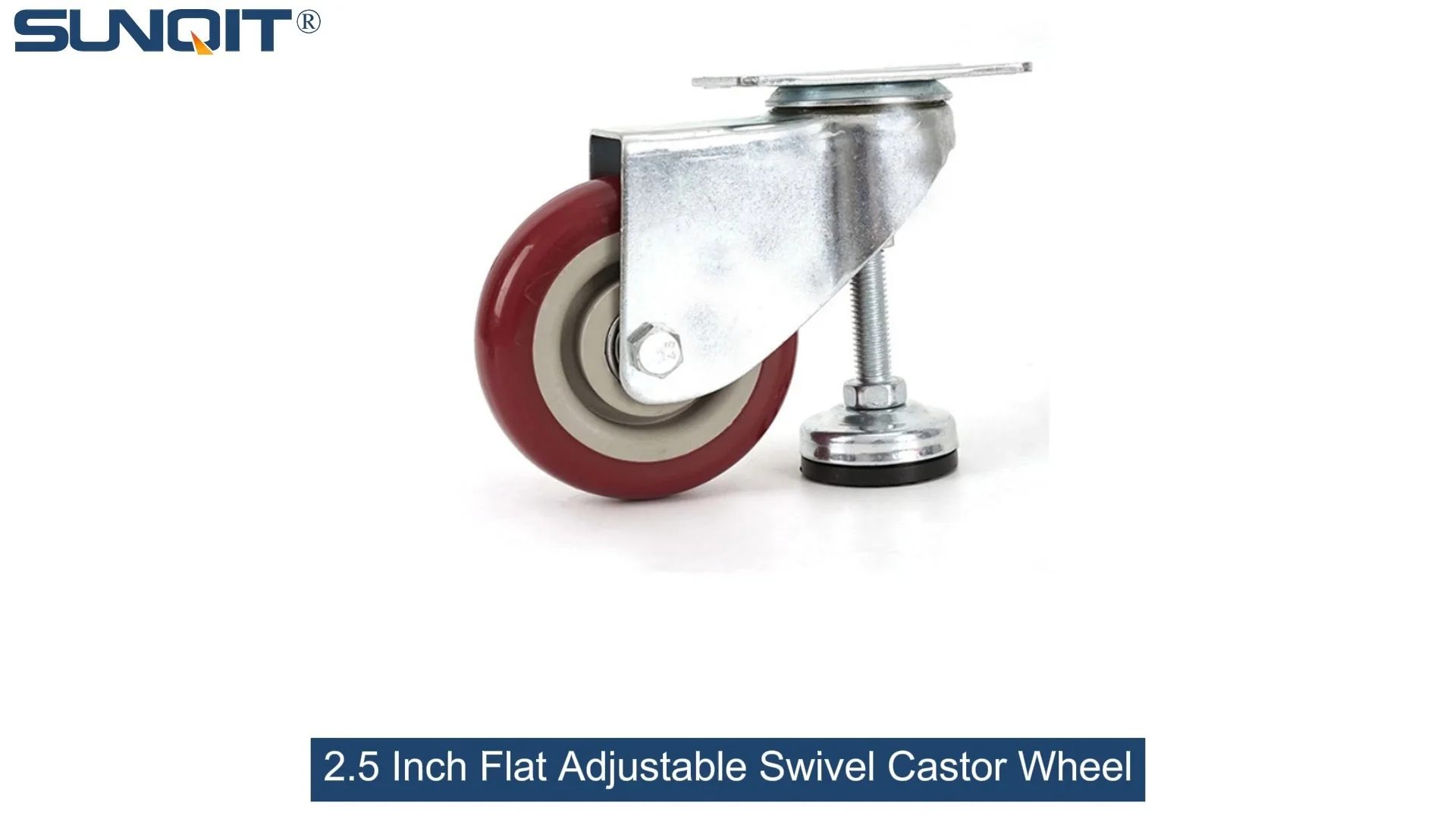
In the world of medical cleanrooms—where pharmaceutical labs develop life-saving drugs, surgical suites perform delicate operations, and biotech facilities cultivate sensitive cell cultures—contamination is the enemy. Every surface, every tool, and every piece of equipment must adhere to strict standards to ensure sterility. Yet, among the high-tech machinery and advanced air filtration systems, there's an often-overlooked component that plays a critical role in maintaining this pristine environment: the humble castor wheel. Specifically, the flat adjustable swivel castor wheel has emerged as a silent workhorse, combining mobility, stability, and hygienic design to meet the unique demands of these controlled spaces. In this article, we'll explore how these specialized castors are engineered to minimize contamination risks, the features that set them apart, and why partnering with the right caster supplier matters for cleanroom success.
The Stakes of Contamination in Medical Cleanrooms
Medical cleanrooms are classified by ISO standards (e.g., ISO 14644), with the strictest environments (like ISO 5) allowing no more than 3,520 particles of 0.5μm per cubic meter—far cleaner than the air we breathe outdoors. Even a single stray bacterium or dust particle can compromise a vaccine batch, invalidate a lab test, or put a patient's life at risk during surgery. Mobile equipment—such as workstations, material carts, and instrument trolleys—is essential for efficiency, but it also introduces a paradox: moving objects can stir up particles, and their wheels can harbor hidden contaminants if not designed with care.
Traditional castors, with their crevices, porous materials, and exposed mechanisms, are magnets for bacteria, dust, and moisture. A 2019 study in the Journal of Hospital Infection found that standard castors on hospital equipment can carry pathogens like Staphylococcus aureus for up to 72 hours, even after routine cleaning. For cleanrooms, where even a trace of contamination can derail operations, this is unacceptable. Enter the flat adjustable swivel castor wheel: designed from the ground up to eliminate these risks.
What Makes a Flat Adjustable Swivel Castor Wheel "Hygienic"?
At first glance, a flat adjustable swivel castor wheel might look similar to any other wheeled component. But under the surface, every detail is engineered with hygiene in mind. Let's break down the key features that make these castors indispensable in medical cleanrooms:
1. Seamless, Crevice-Free Construction
Bacteria love hiding in tight spaces—cracks between wheel and axle, gaps in swivel mechanisms, or textured surfaces that trap moisture. Hygienic castors eliminate these hiding spots with seamless designs. The wheel itself is often a single piece of molded material (like polyurethane or silicone), with no seams or joints. The swivel head, which allows the wheel to rotate 360°, is enclosed in a smooth housing, preventing debris from lodging in the bearings. Even the mounting plate—where the castor attaches to equipment—is flat and free of indentations, making it easy to wipe down with disinfectants.
2. Materials That Resist Microbes and Chemicals
The materials used in hygienic castors are chosen for their ability to withstand harsh cleaning agents and repel microbial growth. Stainless steel is a common choice for frames and axles, thanks to its corrosion resistance and smooth, non-porous surface—qualities that align with the durability of stainless steel pipe series often used in cleanroom infrastructure. Wheel materials, meanwhile, range from antimicrobial polyurethane (which inhibits bacteria growth) to silicone (ideal for high-temperature autoclaving). These materials don't degrade when exposed to common disinfectants like hydrogen peroxide or quaternary ammonium compounds, ensuring the castor remains effective even after thousands of cleanings.
3. Adjustable Height for Stability and Ergonomics
Flat adjustable castors go beyond mobility—they offer height adjustability, typically via a threaded stem or footplate. This feature serves two critical purposes: first, it allows equipment to be leveled on uneven floors, preventing wobbling that could stir up particles. Second, it lets workers adjust the height of workstations or carts to reduce strain, improving ergonomics without sacrificing sterility. Unlike fixed-height castors, which can create gaps between equipment and the floor (another contamination risk), adjustable models ensure a tight, stable fit.
4. Sealed Bearings and Protected Mechanisms
The swivel and wheel bearings in hygienic castors are fully sealed to prevent lubricant leakage—a common issue with standard castors. Leaked lubricant can attract dust and bacteria, creating a biofilm that's hard to remove. Sealed bearings also block moisture and cleaning fluids from entering the mechanism, extending the castor's lifespan and maintaining smooth rotation. Some advanced models even use solid lubricants (like graphite) that eliminate the need for liquid grease entirely.

Caster Accessories: Enhancing Hygiene and Functionality
A castor is only as good as its supporting components, and caster accessories play a vital role in boosting hygiene and performance. For medical cleanrooms, these accessories are not afterthoughts—they're integral to the system. Here are a few key examples:
- Smooth-Finish Brake Levers: Traditional brake levers with textured grips or indentations can trap dirt. Hygienic versions feature smooth, rounded surfaces that are easy to sanitize and reduce the risk of cross-contamination when staff engage or disengage the brake.
- Protective Wheel Covers: These lightweight, transparent covers shield the wheel and axle from splashes during cleaning, preventing moisture from seeping into crevices. They're often made of food-grade plastic or stainless steel for durability.
- Mounting Plates with Rounded Edges: When attaching castors to equipment, sharp corners on mounting plates can scratch floors (releasing particles) or catch on cleaning tools. Rounded, seamless mounting plates eliminate these issues while providing a secure fit.
- Anti-Static Options: In cleanrooms handling sensitive electronics (like medical device manufacturing), static electricity can damage components or attract dust. Anti-static caster accessories, such as conductive wheels or grounding straps, dissipate static charges safely.
These accessories work in tandem with the castor's core design to create a system that's not just mobile, but actively supports cleanroom protocols.

Why the Right Caster Supplier Matters
Not all castor suppliers are created equal, especially when it comes to medical cleanrooms. A reputable caster supplier doesn't just sell products—they provide expertise, compliance, and peace of mind. Here's what to look for:
Compliance with Industry Standards
Medical cleanrooms are governed by strict regulations, including FDA guidelines (e.g., 21 CFR Part 211 for pharmaceuticals) and ISO 14644 for air cleanliness. A trustworthy supplier will ensure their castors meet these standards, providing documentation like material safety data sheets (MSDS), biocompatibility test results (per ISO 10993), and certifications for cleanroom compatibility (e.g., ISO 8 or better for wheel emissions).
Customization for Unique Needs
Every cleanroom is different. A lab cart carrying heavy glassware may need a higher load capacity (up to 500kg per castor), while a mobile workstation in a surgical suite might require ultra-quiet operation to avoid disrupting procedures. The best suppliers offer customization—adjusting wheel hardness, height, or materials—to fit these specific needs without compromising hygiene.
Quality Control and Traceability
In the event of a contamination incident, traceability is critical. Top suppliers maintain rigorous quality control processes, with batch testing and serial number tracking for every castor. This ensures that if an issue arises, you can quickly identify the affected components and take corrective action.

Hygienic vs. Standard Castors: A Comparative Look
To truly appreciate the value of hygienic flat adjustable swivel castor wheels, it helps to compare them side-by-side with standard castors. The table below highlights key differences in design, materials, and performance:
| Feature | Hygienic Flat Adjustable Swivel Castor Wheel | Standard Castor Wheel |
|---|---|---|
| Material | Stainless steel frames, seamless polyurethane/silicone wheels (antimicrobial options available) | Carbon steel frames, rubber or plastic wheels with seams/joints |
| Surface Design | Smooth, crevice-free surfaces; rounded edges; sealed mechanisms | Textured surfaces, exposed bearings, and crevices (e.g., between wheel and axle) |
| Adjustability | Height-adjustable via threaded stem or footplate for stability | Fixed height; may wobble on uneven floors |
| Chemical Resistance | Withstands harsh disinfectants (e.g., bleach, alcohol, hydrogen peroxide) | May degrade or crack with frequent exposure to chemicals |
| Compliance | Certified for ISO 14644, FDA, and ISO 10993 (biocompatibility) | No specific cleanroom certifications; may emit particles or harbor bacteria |
| Maintenance | Easy to clean with minimal disassembly; sealed bearings reduce lubrication needs | Requires frequent lubrication (risk of leakage); hard-to-reach crevices need specialized cleaning |
The contrast is clear: while standard castors may work for warehouses or offices, they're ill-suited for the zero-tolerance environment of medical cleanrooms.
Real-World Impact: A Case Study
To illustrate the difference hygienic castors can make, consider the experience of a mid-sized pharmaceutical company specializing in injectable drugs. The company's ISO 7 cleanroom used standard castors on their mobile filling carts, and despite rigorous cleaning, routine environmental monitoring consistently detected low levels of Micrococcus luteus —a common skin bacterium—near the cart wheels. Root cause analysis revealed that the castors' crevices were trapping skin flakes and moisture, creating a breeding ground for bacteria.
The company partnered with a specialized caster supplier to switch to flat adjustable swivel castor wheels with seamless polyurethane wheels, stainless steel frames, and sealed bearings. Within three months, post-implementation testing showed a 92% reduction in microbial counts on the carts. Not only did this improve compliance with FDA regulations, but it also reduced the time spent on deep cleaning by 40%, freeing staff to focus on core tasks.
Future Trends in Hygienic Castor Design
As medical cleanrooms evolve, so too will the technology behind hygienic castors. Here are a few emerging trends to watch:
Antimicrobial Nanocoatings
Researchers are developing nanoscale coatings (e.g., silver nanoparticles or graphene oxide) that actively kill bacteria on contact. When applied to castor wheels and components, these coatings could add an extra layer of protection, even between cleanings.
Smart Castors with IoT Sensors
Imagine castors that alert staff when they need maintenance—like low brake tension or bearing wear—or track movement to optimize workflow. IoT-enabled castors with sensors could monitor wheel performance, temperature (indicating bearing failure), or even particle emissions, sending real-time data to cleanroom management systems.
3D-Printed Components
3D printing allows for the creation of complex, seamless castor parts with zero crevices—something traditional manufacturing struggles to achieve. For custom applications (like ultra-small castors for microscopes or heavy-duty models for MRI machines), 3D printing could revolutionize design flexibility.
Conclusion: The Unsung Hero of Cleanroom Hygiene
In the high-pressure world of medical cleanrooms, success hinges on attention to detail. The flat adjustable swivel castor wheel , with its focus on seamless design, durable materials, and hygienic accessories, is a testament to how even the smallest components can make a big impact. By reducing contamination risks, improving mobility, and supporting strict compliance standards, these castors help protect patients, ensure product quality, and keep operations running smoothly.
But none of this is possible without the right partner. Choosing a caster supplier that understands the unique challenges of medical cleanrooms—one that prioritizes compliance, innovation, and quality—isn't just a purchase; it's an investment in safety and reliability. As cleanroom technology advances, the castor wheel will continue to evolve, proving that sometimes, the most critical solutions come in the most unassuming packages.