- Company Articles
- Products and Technology
- Product knowledge
- Ideal Operating Temperatures for 60 Aluminum Roller Track Grey

Ideal Operating Temperatures for 60 Aluminum Roller Track Grey
Related Product
60 Aluminum Roller Track Grey
Modular system roller tracks aluminum gravity roller tracks are an excellent solution for transporting materials within industrial environments, warehouses and distribution centres.
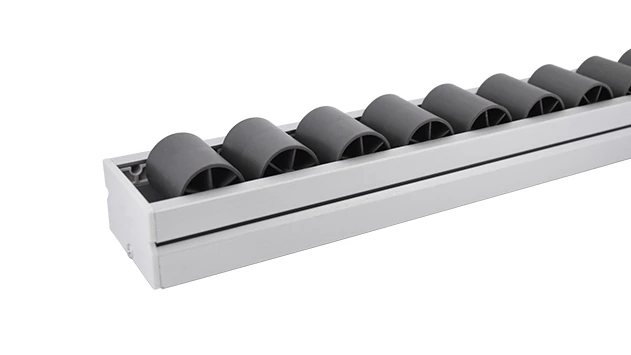
Walk onto any modern factory floor or warehouse, and you'll likely spot rows of smooth-moving roller tracks guiding parts from one station to the next. Among these, the 60 aluminum roller track grey stands out as a workhorse—used in conveyors, flow racks, and lean systems to keep operations running like clockwork. But here's a question many teams overlook: what temperature range does this track need to perform at its best? Let's dive deep into this topic, because getting the temperature right isn't just about avoiding jams—it's about protecting your investment, maintaining lean system efficiency, and keeping your production lines moving without hitches.
What Is 60 Aluminum Roller Track Grey, Anyway?
Before we talk temperatures, let's get to know the star of the show. The 60 aluminum roller track grey is a component made from 60-series aluminum profile—an alloy blend of aluminum, magnesium, and silicon that balances strength, lightweight design, and corrosion resistance. The grey coating (usually a durable powder coat) adds an extra layer of protection against scratches, moisture, and wear, making it ideal for high-traffic areas like 3C assembly lines or warehouse flow racks.
This track is a staple in lean systems because it's flexible—you can easily adjust its layout to fit changing production needs. It's often paired with other lean components: think conveyors that move smartphone parts, flow racks that hold inventory for quick access, or workstations where teams assemble products. But to keep all these parts working together smoothly, temperature management is key.
Key Factors That Link Temperature to Track Performance
Why does temperature matter so much for the 60 aluminum roller track grey? Let's break down the critical factors:
- Aluminum's Thermal Expansion: Aluminum naturally expands when heated and contracts when cooled. The 60-series alloy has a coefficient of thermal expansion of about 23.6 μm/m·°C—meaning for every degree Celsius increase, a 1-meter track grows by roughly 0.024 millimeters. While that sounds small, over long sections (like a 10-meter conveyor), this adds up to noticeable shifts that can misalign rollers or cause jams.
- Coating Integrity: The grey powder coat on the track isn't just for looks. It protects the aluminum from rust and scratches. But if temperatures get too high, the coating can melt, peel, or fade—exposing the metal to moisture and corrosion. Too cold, and the coating can become brittle, chipping easily when hit by heavy parts.
- Load Capacity Shifts: Aluminum softens slightly at higher temperatures, which reduces the maximum weight the track can support. For example, a track rated to hold 50 kg per meter at 20°C might only handle 40 kg at 40°C. In cold temps, the metal becomes stiffer, but joints (like those connecting the track to flow rack frames) might tighten, making it harder to move parts smoothly.
- Lubricant Performance: The rollers in the track rely on lubricants to spin freely. High temperatures can break down lubricants, leading to sticky rollers and increased friction. Low temperatures thicken lubricants, slowing down roller movement and wasting energy.

The Ideal Temperature Range for 60 Aluminum Roller Track Grey
After testing and industry feedback, we've narrowed down the optimal temperature ranges for this track. Let's look at them in detail:
| Range Type | Temperature (°C) | Temperature (°F) | Performance Notes |
|---|---|---|---|
| Optimal | 15–25 | 59–77 | Peak performance: minimal expansion/contraction, coating intact, full load capacity, smooth roller movement. |
| Acceptable | 10–30 | 50–86 | Slight adjustments needed: check for minor misalignment, ensure lubricants are suitable for the range. |
| Extreme (Avoid) | Below 0 or Above 40 | Below 32 or Above 104 | Risk of permanent damage: warping, coating peeling, joint failure, reduced lifespan. |
Let's unpack these ranges. The optimal 15–25°C (59–77°F) is the sweet spot for most indoor factory environments. This is the temperature where the 60 aluminum roller track grey works exactly as designed—no surprises, no jams, no extra maintenance. For example, a 3C assembly plant using this track in their conveyors will see parts glide from the storage flow rack to the assembly station without any hiccups.
The acceptable range (10–30°C) is for environments that might fluctuate a bit—like a warehouse that gets cooler in winter or warmer in summer. If your space falls into this range, you'll need to do regular checks: look for signs of thermal expansion (like gaps between track sections) or contraction (like tight joints). You might also need to switch lubricants seasonally to keep rollers moving smoothly.
The extreme range is where you need to take action. If your track is exposed to temperatures below 0°C (32°F), the aluminum can become brittle—so a heavy box dropping on the track could cause it to crack. Above 40°C (104°F), the coating might start to peel, and the track could warp under load. For example, a factory near a furnace or an unheated warehouse in a cold climate would need to add environmental controls to stay out of this range.

What Happens When Temperatures Go Wrong?
Let's take a closer look at the consequences of ignoring temperature guidelines:
Too Hot: Above 40°C (104°F)
- Thermal Expansion Jams: Long sections of track expand, pushing against adjacent components (like flow rack supports or conveyor motors). This can cause parts to get stuck, halting production lines.
- Coating Damage: The grey powder coat melts or peels off, leaving the aluminum exposed to rust. Over time, this weakens the track and makes it look worn.
- Reduced Load Capacity: Softened aluminum can't support as much weight. If you're moving heavy parts (like car components or medical equipment), the track might bend or warp—leading to costly repairs.
- Lubricant Breakdown: Rollers start to stick, increasing friction and energy use. This not only slows down operations but also wears out the rollers faster.
Too Cold: Below 0°C (32°F)
- Brittleness and Cracks: Aluminum becomes more fragile in cold temps. A small impact (like a part falling off the track) can cause a crack that spreads over time.
- Joint Tightness: The joints connecting the track to other lean system parts (like conveyor frames) tighten up. This makes it hard to adjust the track layout—defeating the purpose of its flexibility.
- Thickened Lubricants: Rollers spin slower, leading to bottlenecks in material flow. For example, parts might take twice as long to reach the assembly station, slowing down the entire line.
- Coating Chipping: The grey coating becomes brittle, so even minor scratches can turn into large chips. This exposes the aluminum to moisture and corrosion.
Practical Tips to Maintain Ideal Temperatures
Now that you know the risks, let's talk about how to keep your 60 aluminum roller track grey in the ideal temperature range:
1. Choose the Right Installation Location
Avoid placing the track near heat sources like boilers, ovens, or welding stations. If your warehouse has open doors in winter, use curtains or barriers to block cold drafts. For outdoor applications (though rare), use weatherproof enclosures to protect the track from extreme temps.
2. Add Environmental Controls
If your space falls into the extreme range, invest in heating or cooling systems. For example, an unheated warehouse in winter could use space heaters to keep temps above 10°C. A factory near a furnace might add fans or air conditioning to keep temps below 30°C. Even simple changes like insulating walls or roofs can make a big difference.
3. Regular Inspections
Check your track weekly for signs of temperature damage: look for warping, coating peeling, tight joints, or sticky rollers. If you notice any issues, adjust the environment or replace damaged parts immediately. For example, if the coating is peeling, you can reapply it to protect the aluminum.
4. Use Temperature-Appropriate Lubricants
Switch lubricants seasonally to match the temperature. In cold weather, use low-viscosity lubricants that don't thicken. In hot weather, use high-temperature lubricants that resist breakdown. This will keep rollers spinning smoothly year-round.
5. Pair With Compatible Components
When building your lean system, make sure all components (like flow rack shelves, conveyor motors, and joint parts) are rated for the same temperature range as the 60 aluminum roller track grey. This ensures the entire system works together without conflicts.
Case Study: How a 3C Assembly Plant Fixed Their Temperature Issues
Let's take a look at a real-world example. A 3C assembly plant in southern China used 60 aluminum roller track grey conveyors to move smartphone parts from storage flow racks to assembly stations. During summer, the factory floor temps often hit 45°C—way above the extreme range. The result? Frequent jams, coating peeling, and a 20% drop in production efficiency.
The plant team decided to take action. They installed industrial fans to circulate air and added shade cloths over the windows to block direct sunlight. They also switched to high-temperature lubricants for the rollers. Within a month, the factory temps dropped to 30°C—right in the acceptable range. The results were impressive:
- Production efficiency increased by 18% (no more jams).
- Coating damage dropped by 90% (the track looked like new).
- Roller lifespan increased by 25% (less wear from sticky rollers).
This case shows how small changes to temperature management can have a big impact on lean system performance.
Conclusion
The 60 aluminum roller track grey is a critical component in modern lean systems, but it can't do its job well if the temperature is off. By keeping your track in the optimal range (15–25°C), you'll avoid jams, protect your investment, and keep your production lines running smoothly. Remember: temperature management isn't just a maintenance task—it's a key part of keeping your lean system efficient.
So next time you walk onto your factory floor, take a moment to check the temperature. Your 60 aluminum roller track grey (and your team) will thank you.