- Company Articles
- Products and Technology
- Product knowledge
- Impact Resistance of T Slot Aluminum Pipe: Durable in Busy Factories

Impact Resistance of T Slot Aluminum Pipe: Durable in Busy Factories
Related Product
T Slot Aluminum Pipe
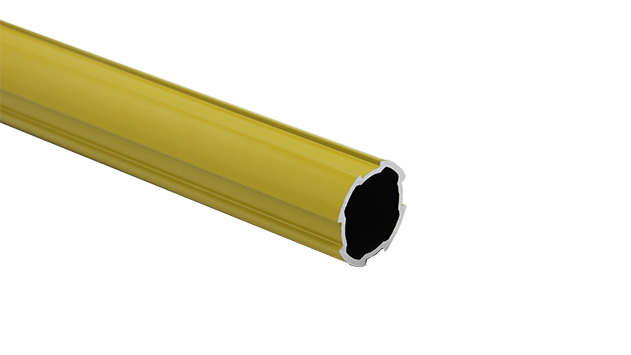
Aluminum pipe, it is used for workbench, flow rack,hand trolley assemble work with advantage of flexible and durable, yellow color makes it more attactive as a caution remind.
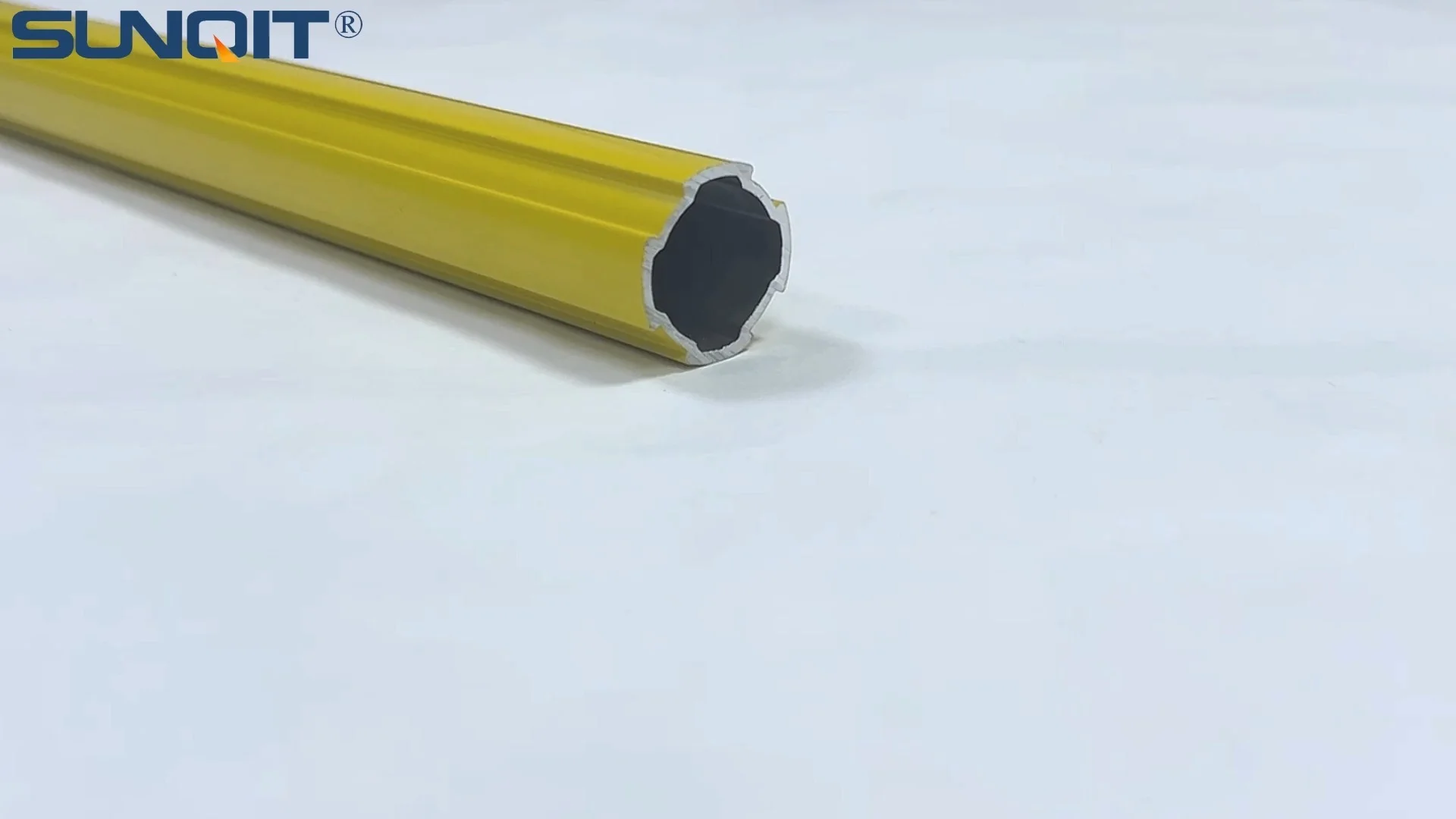
Walk into any busy factory, and you'll immediately feel the energy: the hum of machinery, the quick footsteps of workers moving between stations, the clatter of materials being loaded onto trolleys, and the constant buzz of production. In this dynamic environment, equipment and structures don't just need to work—they need to endure . Bumps from turnover trolleys, accidental collisions with forklifts, heavy tools being set down with a thud, and the daily wear of repetitive tasks all take a toll. For factory managers, downtime due to damaged equipment isn't just a hassle; it's a hit to productivity, profits, and even worker safety. That's where T slot aluminum pipe comes in—a material designed to stand up to the chaos of factory life, with impact resistance that turns "what if it breaks?" into "it won't break."
What Makes T Slot Aluminum Pipe Different?
Before diving into impact resistance, let's clarify what T slot aluminum pipe is. At its core, it's a type of aluminum extrusion profile —a product of the aluminum extrusion process, where heated aluminum alloy is forced through a die to create a specific cross-sectional shape. The "T slot" refers to the groove running along the length of the pipe, a design feature that makes it infinitely customizable. But beyond customization, what truly sets T slot aluminum pipe apart is its inherent durability, especially when it comes to handling impacts. Unlike flimsy plastic pipes or rigid steel that can dent or rust, T slot aluminum pipe strikes a rare balance: it's lightweight, corrosion-resistant, and surprisingly tough. Let's break down why it's built to take a hit.
The Science of Impact Resistance: Why Aluminum Extrusion Profile Shines
1. The Strength of Aluminum Alloys
Not all aluminum is created equal. T slot aluminum pipe is typically made from high-grade aluminum alloys, such as 6063 or 6061, known for their excellent strength-to-weight ratio. These alloys are heat-treated after extrusion, a process that enhances their mechanical properties—including tensile strength and ductility. Tensile strength measures how much force a material can withstand before breaking, while ductility refers to its ability to deform (bend or stretch) without fracturing. When an impact occurs—say, a loaded trolley ramming into a workbench leg—the ductility of the aluminum alloy allows it to absorb the energy of the collision by flexing slightly, rather than cracking or shattering. This "give" is critical: rigid materials like cast iron might crack under sudden force, but aluminum alloys bend and return to shape, minimizing damage.
2. The Extrusion Process: Uniformity and Structural Integrity
The aluminum extrusion process isn't just about shaping metal—it's about creating consistency. Unlike welded steel structures, where weak points can form at weld seams, extruded aluminum profiles have a uniform grain structure throughout. This means there are no "soft spots" where impact could cause failure. The T slot design itself reinforces the pipe's strength: the groove adds structural rigidity, like the ridge on a corrugated cardboard box, making the pipe resistant to bending or warping. Imagine a simple experiment: try bending a flat ruler versus a ruler with a T-shaped cross-section. The T-shape resists bending because the vertical "web" of the T distributes force across a wider area. That's exactly how the T slot in aluminum pipe works, turning a simple pipe into a structural powerhouse.
3. Thickness and Wall Design: Engineered for Abuse
T slot aluminum pipes come in various wall thicknesses, from thin 1.0mm options for lightweight applications to heavy-duty 3.0mm+ walls for high-impact areas. In busy factories, thicker walls are often the go-to choice. For example, a material rack used to store heavy components might use 2.5mm wall T slot aluminum pipe, ensuring it can handle not just the weight of the materials but also the occasional bump from a pallet jack. Some profiles even feature reinforced corners or double walls, further boosting impact resistance. These design choices aren't arbitrary—they're the result of engineering for real-world factory scenarios, where "good enough" just isn't enough.
T Slot Aluminum Pipe vs. Other Materials: A Head-to-Head Comparison
To truly appreciate T slot aluminum pipe's impact resistance, it helps to see how it stacks up against other common materials used in factories. Let's compare it to steel, plastic, and traditional (non-extruded) aluminum in key areas that matter for busy environments:
| Material | Impact Resistance | Weight (Per Meter) | Corrosion Resistance | Cost (Relative) | Best For |
|---|---|---|---|---|---|
| T Slot Aluminum Pipe (6063 Alloy) | Excellent: Absorbs impacts via ductility; resists dents and cracks | Light (2-5 kg/m, depending on wall thickness) | High: Naturally resistant to rust; can be anodized for extra protection | Moderate: Higher upfront than plastic, lower than stainless steel | Workbenches, material racks, conveyor frames, turnover trolleys |
| Mild Steel Pipe | Good: Strong but prone to dents; welds may crack under impact | Heavy (8-15 kg/m) | Low: Prone to rust without painting/coating | Low upfront, high long-term (maintenance costs) | Heavy machinery frames (where weight isn't a concern) |
| Plastic Pipe (PVC/ABS) | Poor: Brittle; cracks or shatters under moderate impact | Very light (0.5-1.5 kg/m) | High: Resists corrosion, but UV-sensitive | Lowest upfront | Non-industrial use (e.g., light shelving in offices) |
| Traditional Aluminum Pipe (Non-Extruded) | Fair: Less uniform structure; weaker at seams | Similar to T slot aluminum | High | Similar to T slot aluminum | Basic frames (but lacks T slot versatility) |
The table tells a clear story: T slot aluminum pipe outperforms plastic in impact resistance, matches steel in strength while being far lighter, and beats traditional aluminum in structural integrity. For factories prioritizing both durability and efficiency, it's a no-brainer.

Aluminum Profile Accessories: The Unsung Heroes of Impact Resistance
A pipe is only as strong as its connections, and T slot aluminum pipe doesn't work alone. Aluminum profile accessories —the joints, connectors, end caps, and brackets that hold everything together—play a huge role in enhancing impact resistance. Let's look at a few key accessories and how they contribute:
1. Internal and External Straight Aluminum Joints
When two lengths of T slot aluminum pipe are joined, the connection is a potential weak point—unless you use high-quality joints. Internal straight aluminum joints slide into the ends of two pipes and are secured with set screws, creating a seamless, rigid bond. External joints, which clamp around the outside of the pipes, add extra reinforcement. Both types distribute impact force evenly across the connection, preventing the pipes from separating or bending at the joint. In contrast, cheap plastic joints or flimsy steel brackets might snap under pressure, but aluminum joints, made from the same strong alloys as the pipes, flex and hold.
2. End Caps and Edge Protectors
Ever notice how the corners of tables or shelves are the first to get chipped? In factories, exposed pipe ends are similarly vulnerable—they can scratch workers, damage materials, or dent when hit. Aluminum end caps, which snap or screw into the ends of T slot pipes, act as a buffer. Made from durable plastic or aluminum, they absorb impacts and prevent the pipe itself from deforming. Edge protectors, which wrap around the corners of workbenches or racks made with T slot aluminum, add another layer of defense, turning sharp edges into impact-resistant barriers.
3. Heavy-Duty Casters and Leveling Feet
Mobility is key in factories, and many structures—like turnover trolleys or mobile workbenches—use casters. But casters take a beating: they roll over uneven floors, hit cracks, and support heavy loads. T slot aluminum systems pair with high-quality casters (often made from polyurethane or rubber) that have shock-absorbing properties. When a trolley hits a bump, the caster wheels compress slightly, reducing the impact transferred to the aluminum frame. Similarly, leveling feet with rubber or suction cup bases anchor stationary structures (like material racks) to the floor, preventing them from shifting during impacts and reducing stress on the pipes.

T Slot Aluminum Pipe in Lean Systems: Durability Meets Efficiency
Factories today don't just need durable equipment—they need equipment that supports lean system principles: minimizing waste, maximizing efficiency, and adapting to changing needs. T slot aluminum pipe aligns perfectly with lean goals, and its impact resistance is a big reason why. Here's how:
1. Reducing Downtime (Waste of Time)
In lean management, downtime is one of the biggest wastes. A workbench that cracks after a collision means workers can't use that station until it's repaired; a material rack that bends under impact might spill parts, leading to cleanup and lost inventory. T slot aluminum pipe's resistance to damage means fewer interruptions. For example, a lean assembly line using T slot aluminum workstations can keep running even after occasional bumps, because the workstations stay intact. This reliability keeps production on track and reduces the "waste of waiting."
2. Adaptability Without Sacrificing Strength
Lean systems thrive on flexibility—reconfiguring workstations for new products, adjusting material flow to reduce bottlenecks, or scaling up production lines quickly. T slot aluminum pipe's T slot design makes customization easy: you can add shelves, hooks, or tool holders in minutes using compatible accessories, no welding or drilling required. And because the aluminum profiles and accessories are so durable, even after multiple reconfigurations, the structure remains strong. Imagine needing to add a second shelf to a material rack to accommodate larger parts. With T slot aluminum, you simply slide in new brackets and secure them with screws—no need to replace the entire rack. This adaptability means you're not wasting money on new equipment every time your needs change.
3. Lightweight Design = Energy Savings
Lean systems also focus on reducing energy waste, and T slot aluminum pipe's lightweight nature plays a role here. Compared to steel, aluminum is 30-50% lighter, which means mobile structures (like turnover trolleys or carts) are easier to push. Workers exert less physical energy, reducing fatigue and injury risk, and electric-powered equipment (like automated conveyors) uses less energy to move lighter frames. Even better, the same lightweight design doesn't compromise impact resistance—so you get efficiency and durability in one package.
Real-World Stories: T Slot Aluminum Pipe in Action
Numbers and specs tell part of the story, but real-world examples show T slot aluminum pipe's impact resistance in action. Let's look at two scenarios from busy factories:
Case 1: The Bumbling Trolley Incident
At a automotive parts factory in Ohio, a worker was rushing to meet a production deadline when their loaded turnover trolley—carrying 20 kg of metal brackets—slammed into a T slot aluminum workbench at full speed. The collision made a loud "clang," and everyone nearby winced, expecting the worst: a dented bench leg, maybe even a collapsed shelf. But when they inspected the workbench, there wasn't a scratch. The aluminum leg had flexed slightly on impact, absorbing the energy, and the internal straight aluminum joint holding the leg to the frame had held firm. The trolley, which had a steel frame, actually had a small dent in its corner—but the workbench? It was back in use 10 minutes later. The factory manager later noted, "We used to replace steel workbenches every 6 months because of dents and bent legs. With T slot aluminum, we've had the same benches for 3 years, and they still look new."
Case 2: The Forklift Fender Bender
A warehouse in Texas uses T slot aluminum pipe to build flow racks for storing electronics components. One afternoon, a new forklift operator misjudged a turn and gently (but firmly) backed into the end of a flow rack. The rack, which held 500 kg of components on its shelves, shook but didn't budge. The forklift's bumper had a minor scuff, but the rack's aluminum guide rails and roller track connectors were unscathed. "We were terrified the whole rack would collapse," said the warehouse supervisor. "Instead, we just checked the connections, tightened a few set screws, and kept working. If that had been a steel rack, I'm pretty sure the welds would've cracked, and we'd have lost thousands of dollars in parts."
Maintenance: Keeping T Slot Aluminum Pipe Impact-Ready
Even the toughest materials need a little care, and T slot aluminum pipe is no exception. The good news? Its maintenance needs are minimal, especially compared to steel or wood. Here's how to keep it impact-resistant for years:
- Inspect connections regularly: Check aluminum profile joints and brackets for looseness. Tighten set screws if they wiggle—loose connections can weaken the structure and make it more prone to damage during impacts.
- Clean with mild soap and water: Aluminum is corrosion-resistant, but factory grime (oil, grease, chemicals) can hide cracks or wear. A quick wipe-down every month keeps it looking good and lets you spot issues early.
- replace damaged accessories: If an end cap cracks or a caster wheel wears down, swap it out immediately. Accessories are cheap compared to replacing an entire pipe or structure, and they're easy to install.
- Anodize for extra protection (optional): Anodizing—an electrochemical process that adds a protective oxide layer to aluminum—can scratch and corrosion resistance. It's a one-time treatment that extends the life of T slot aluminum pipe in harsh environments (like factories with high humidity or chemical exposure).
Why T Slot Aluminum Pipe is a Smart Investment
Let's be honest: T slot aluminum pipe isn't the cheapest option upfront. Plastic pipes cost less, and mild steel is often priced similarly. But when you factor in longevity, maintenance, and productivity, it's a smart investment. A steel workbench might cost $200 less than an aluminum one, but if you replace the steel bench every 2 years (due to rust or dents) versus keeping the aluminum one for 10 years, the aluminum bench is cheaper in the long run. Add in the savings from reduced downtime, fewer repairs, and lower energy costs (thanks to its lightweight design), and the ROI becomes clear.
For factory managers, it's also about peace of mind. When you build with T slot aluminum pipe, you're not just buying a workbench or a rack—you're buying confidence that your equipment can handle whatever the factory throws at it. You're investing in a material that adapts to your needs, grows with your business, and keeps your team safe and productive. In a world where every minute of downtime counts, that's priceless.
Conclusion: T Slot Aluminum Pipe—Built for the Factory of Today (and Tomorrow)
Factories are busy, chaotic, and unforgiving. Equipment doesn't get a break, and neither do the materials that build it. T slot aluminum pipe rises to the challenge, combining the strength of aluminum alloys, the structural integrity of extrusion, and the versatility of T slot design to deliver impact resistance that's second to none. Paired with durable aluminum profile accessories and aligned with lean system principles, it's more than just a material—it's a solution for factories that refuse to slow down.
So the next time you walk through a factory and see a workbench taking a bump, a flow rack holding heavy loads, or a trolley zipping by without a scratch, take a closer look. Chances are, it's built with T slot aluminum pipe—quietly, reliably, and durably keeping the world of production moving forward.