- Company Articles
- Products and Technology
- Application Cases
- Implementing 40 Steel Roller Track Green in Medical Device Assembly Lines

Implementing 40 Steel Roller Track Green in Medical Device Assembly Lines
Related Product
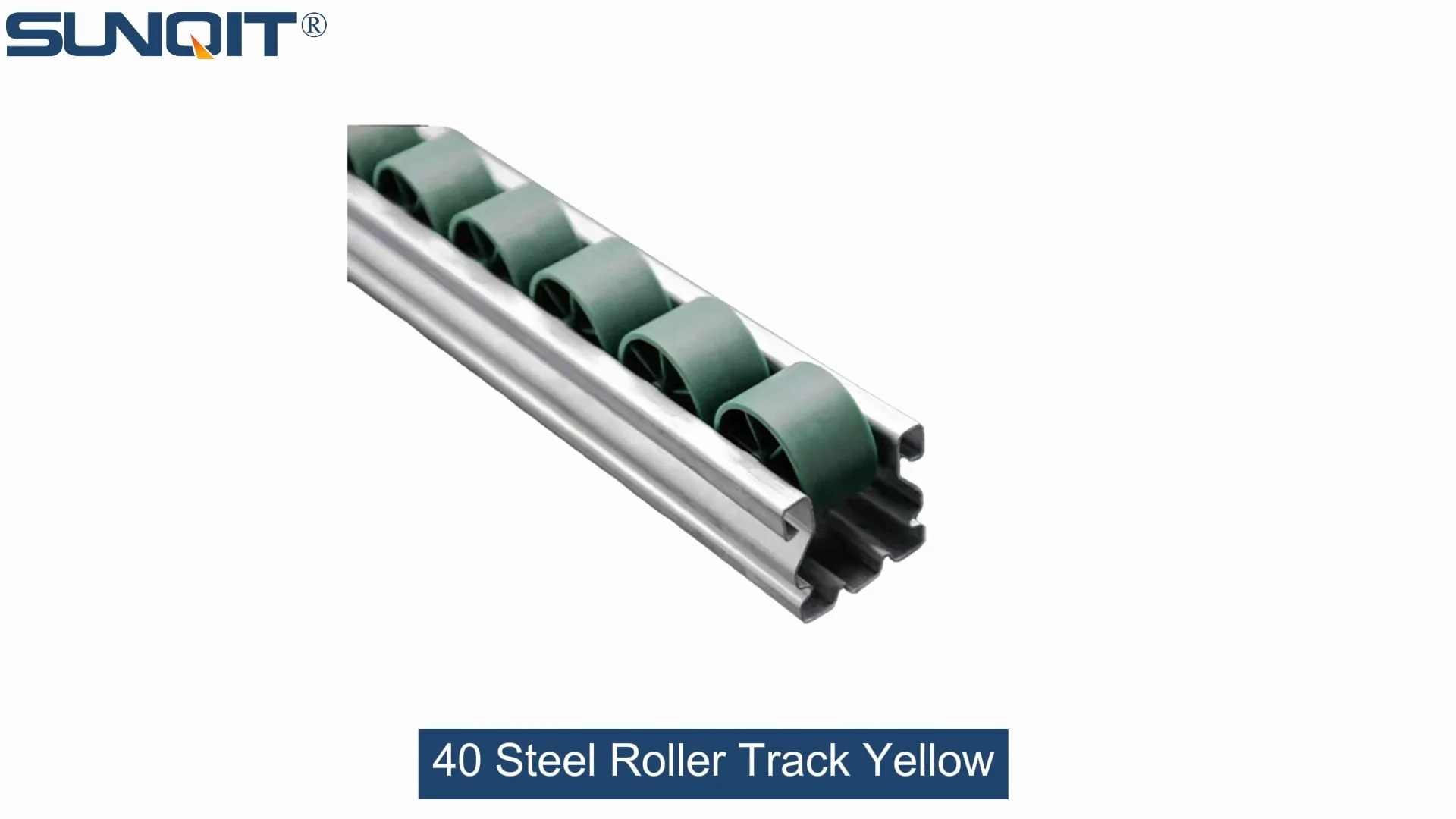
40 Steel Roller Track Green
The roller track can be installed with multiple accessories to create different slopes and configurations of flow racks.All steel conveyor 40 roller track accessories are engineered to perfectly fit the sliding rail.
Implementing 40 Steel Roller Track Green in Medical Device Assembly Lines
Medical device assembly is a field where precision, efficiency, and compliance are non-negotiable. Every component, every process step, and every material handling action can impact the final product's quality and safety. For manufacturers in this space, streamlining operations while maintaining the highest standards is a constant challenge. That's where lean solutions come in—they offer a way to eliminate waste, reduce bottlenecks, and create a more flexible, responsive production environment. One component that's quickly becoming a staple in medical device assembly lines is the 40 Steel Roller Track Green. In this article, we'll explore how this versatile tool can transform your assembly processes, integrate with other lean components, and deliver tangible results for your medical device manufacturing operations.
What Is 40 Steel Roller Track Green?
Before we dive into implementation, let's get to know the 40 Steel Roller Track Green a little better. This component is part of a broader family of lean material handling tools, designed to facilitate smooth, efficient movement of parts and assemblies across the production floor. But what makes it stand out, especially for medical device applications?
First, let's break down the name: "40" refers to the width of the track (typically 40mm), "Steel" denotes its durable construction material, "Roller Track" describes its function—allowing items to roll along its surface—and "Green" indicates its ESD (Electrostatic Discharge) compliant coating. ESD protection is critical in medical device assembly because static electricity can damage sensitive electronic components, such as sensors or circuit boards, which are common in many medical devices.
Key features of the 40 Steel Roller Track Green include:
- Durability: Made from high-quality steel, it can handle heavy loads without bending or warping, making it suitable for both small components and larger assemblies.
- ESD Compliance: The green coating provides a safe path for static electricity to dissipate, protecting sensitive parts from damage.
- Smooth Rolling: The rollers are designed to move freely, reducing friction and ensuring that materials glide easily from one point to another.
- Modularity: It's compatible with a wide range of connectors, end supports, and other accessories, allowing you to customize your setup as your needs change.
- Easy Installation: With simple mounting options, you can integrate it into existing systems or build new ones quickly, minimizing downtime.
Compared to other roller tracks, the 40 Steel Roller Track Green offers a unique combination of strength, ESD protection, and flexibility—attributes that are essential for maintaining product quality and meeting regulatory requirements in medical device manufacturing.
Integrating 40 Steel Roller Track Green into Medical Assembly Lines
The true power of the 40 Steel Roller Track Green lies in its ability to work seamlessly with other lean components. Let's explore how you can integrate it into your medical device assembly line to maximize efficiency and productivity.
Pairing with Flow Racks for Efficient Material Handling
Flow racks are a cornerstone of lean material handling, using gravity to move materials from the supply end to the pick-up end, following the First-In-First-Out (FIFO) principle. In medical device assembly, where components often have expiration dates or need to be used in a specific order, FIFO is crucial to avoid waste and ensure compliance.
By incorporating 40 Steel Roller Track Green into your flow racks, you get the best of both worlds: the efficiency of FIFO and the ESD protection needed for sensitive medical components. For example, if you're assembling a diagnostic device that uses small electronic sensors, placing these sensors on a flow rack with 40 Steel Roller Track Green ensures that they're easily accessible to assemblers, while the ESD coating prevents static damage. This setup reduces the time assemblers spend searching for parts and minimizes the risk of component failure due to static.
Another benefit of using this roller track in flow racks is its adaptability. You can adjust the angle of the rack to control the speed of material movement, ensuring that delicate components don't slide too quickly and get damaged. Plus, since it's modular, you can add or remove sections of the track as your inventory or production needs change.
Conveyor Systems Integration
Conveyors are essential for moving assemblies between workstations in a medical device production line. Integrating 40 Steel Roller Track Green into your conveyor systems can enhance their performance and safety. For instance, if you have a conveyor that moves partially assembled devices from the soldering station to the testing station, using the 40 Steel Roller Track Green ensures that the devices are transported smoothly without jostling, which could dislodge sensitive parts or affect solder joints.
The ESD protection of the roller track is particularly important here. Many medical devices include electronic components that are vulnerable to static, so having an ESD-compliant conveyor system reduces the risk of electrostatic discharge damaging these parts during transport. Additionally, the steel construction of the track makes it durable enough to handle the weight of assembled devices, even those made from metal or other heavy materials.
Conveyors with 40 Steel Roller Track Green can also be customized to fit your specific line layout. Whether you need a straight line, a curve, or a merge point, the modular design of the track allows you to create a conveyor system that fits your space and workflow perfectly.
Aluminum Profile Workstations and ESD Compliance
Workstations are where the magic happens in medical device assembly. They need to be ergonomic, functional, and compliant with ESD standards. Aluminum profiles are a popular choice for building workstations because they're lightweight, strong, and modular. Pairing aluminum profile workstations with 40 Steel Roller Track Green creates a seamless workflow that enhances productivity and safety.
For example, an ESD workstation built with aluminum profiles can have a 40 Steel Roller Track Green attached to the side, feeding components directly to the assembler. This eliminates the need for the assembler to reach across the workstation or walk to a separate storage area, reducing fatigue and saving time. The ESD coating on both the workstation (if it's ESD-compliant) and the roller track ensures that static is dissipated, protecting sensitive components.
Aluminum profiles also allow for easy customization of the workstation. You can add shelves, bins, or other accessories to hold tools and materials, all while keeping the 40 Steel Roller Track Green integrated into the design. This flexibility means that the workstation can adapt as your assembly processes change, making it a long-term investment for your facility.
Custom Lean Solutions for Medical Device Manufacturing
Every medical device manufacturer has unique needs based on their products, processes, and compliance requirements. That's why custom lean solutions are often the best approach. The 40 Steel Roller Track Green is a versatile component that can be part of these custom solutions, whether you're designing a new assembly line from scratch or upgrading an existing one.
For instance, if you're manufacturing a complex medical device that requires multiple assembly steps, you might design a flexible line using 40 Steel Roller Track Green in flow racks, conveyors, and workstations. This setup allows you to adjust the line as needed—adding new stations, changing the order of steps, or reconfiguring the layout—without having to invest in entirely new equipment. This flexibility is key in the medical device industry, where product designs and regulatory requirements can change frequently.
Another example of a custom solution is using the 40 Steel Roller Track Green in a kitting area. Kitting involves gathering all the components needed for a specific assembly step into a single kit. Using flow racks with the roller track in the kitting area ensures that components are easily accessible, and the ESD coating protects sensitive parts. This reduces the time spent kitting and minimizes the risk of missing or damaged components.
Case Study: Transforming a Medical Device Assembly Line with 40 Steel Roller Track Green
To illustrate the impact of implementing 40 Steel Roller Track Green, let's look at a hypothetical case study of a medical device manufacturer, MedTech Innovations Inc. MedTech produces diagnostic equipment that includes sensitive electronic components, and they were facing several challenges in their assembly line:
- Long material handling times due to inefficient flow racks.
- Frequent static-related defects in electronic components.
- Limited flexibility in their assembly line layout, making it hard to adapt to new product designs.
MedTech decided to implement a lean solution centered around the 40 Steel Roller Track Green. Here's what they did:
- Upgrade Flow Racks: They replaced their old non-ESD roller tracks with 40 Steel Roller Track Green in all their flow racks. This immediately reduced static-related defects by 15%.
- Integrate Conveyors: They added conveyors with the same roller track to move assemblies between workstations, cutting material handling time by 25%.
- Custom Workstations: They built new ESD workstations using aluminum profiles, with the 40 Steel Roller Track Green attached to feed components directly to assemblers. This improved ergonomics and reduced assembler fatigue.
- Flexible Line Design: Using modular components, they created a flexible assembly line that could be reconfigured in a matter of hours to accommodate new product designs.
The results were impressive. After implementation, MedTech saw:
- A 20% increase in overall productivity.
- A 15% reduction in static-related defects.
- A 30% decrease in changeover time for new product lines.
- Improved employee satisfaction due to better ergonomics and reduced fatigue.
This case study shows how the 40 Steel Roller Track Green can be the foundation of a successful lean transformation in the medical device industry. By integrating it with other lean components like flow racks, conveyors, and aluminum profile workstations, manufacturers can achieve significant improvements in efficiency, quality, and flexibility.
Best Practices for Implementing 40 Steel Roller Track Green
To get the most out of your 40 Steel Roller Track Green implementation, follow these best practices:
1. Conduct a Thorough Process Analysis
Before you start installing the roller track, take the time to analyze your current assembly processes. Identify bottlenecks, waste points, and areas where static damage is a problem. This will help you determine where the 40 Steel Roller Track Green can have the biggest impact.
2. Involve Your Team
Your assembly line workers are the experts on your processes. Involve them in the design and implementation of the new system. They can provide valuable insights into how the roller track can be integrated to improve their workflow and reduce frustration.
3. Prioritize ESD Compliance
In the medical device industry, ESD compliance is non-negotiable. Make sure that all components in your system—including the 40 Steel Roller Track Green, workstations, and conveyors—are ESD-compliant. This will protect your sensitive components and ensure that your products meet regulatory standards.
4. Start Small with a Pilot Project
Instead of implementing the roller track across your entire line at once, start with a small pilot project. Choose a single workstation or flow rack to test the system. This will allow you to identify any issues and make adjustments before rolling it out to the entire facility.
5. Train Your Employees
Proper training is essential for the success of any new system. Make sure your employees know how to use the 40 Steel Roller Track Green, including how to adjust it, maintain it, and troubleshoot common issues. This will ensure that the system is used correctly and that you get the maximum benefit from it.
6. Regularly Review and Optimize
Lean is an ongoing process of improvement. After implementing the roller track, regularly review your processes to see where you can make further improvements. This might include adjusting the layout of your flow racks, adding more sections of the track, or integrating new components.
Conclusion
The 40 Steel Roller Track Green is a powerful tool for transforming medical device assembly lines. Its combination of durability, ESD protection, and modularity makes it ideal for the unique challenges of this industry. By integrating it with other lean components like flow racks, conveyors, and aluminum profile workstations, manufacturers can streamline their processes, reduce waste, and improve product quality.
Whether you're looking to reduce static-related defects, cut material handling time, or create a more flexible assembly line, the 40 Steel Roller Track Green is a solution worth considering. With the right implementation strategy and best practices, it can help your medical device manufacturing operation achieve new levels of efficiency and success.
Remember, lean is not a one-time project—it's a continuous journey. The 40 Steel Roller Track Green is just one component of that journey, but it's a critical one that can deliver tangible results for your business. So why wait? Start exploring how this versatile tool can transform your assembly line today.