- Company Articles
- Products and Technology
- Installation And Maintenance
- Importance of Parallel Alignment for 60 Steel Roller Track Small Wheels in Racks

Importance of Parallel Alignment for 60 Steel Roller Track Small Wheels in Racks
Related Product
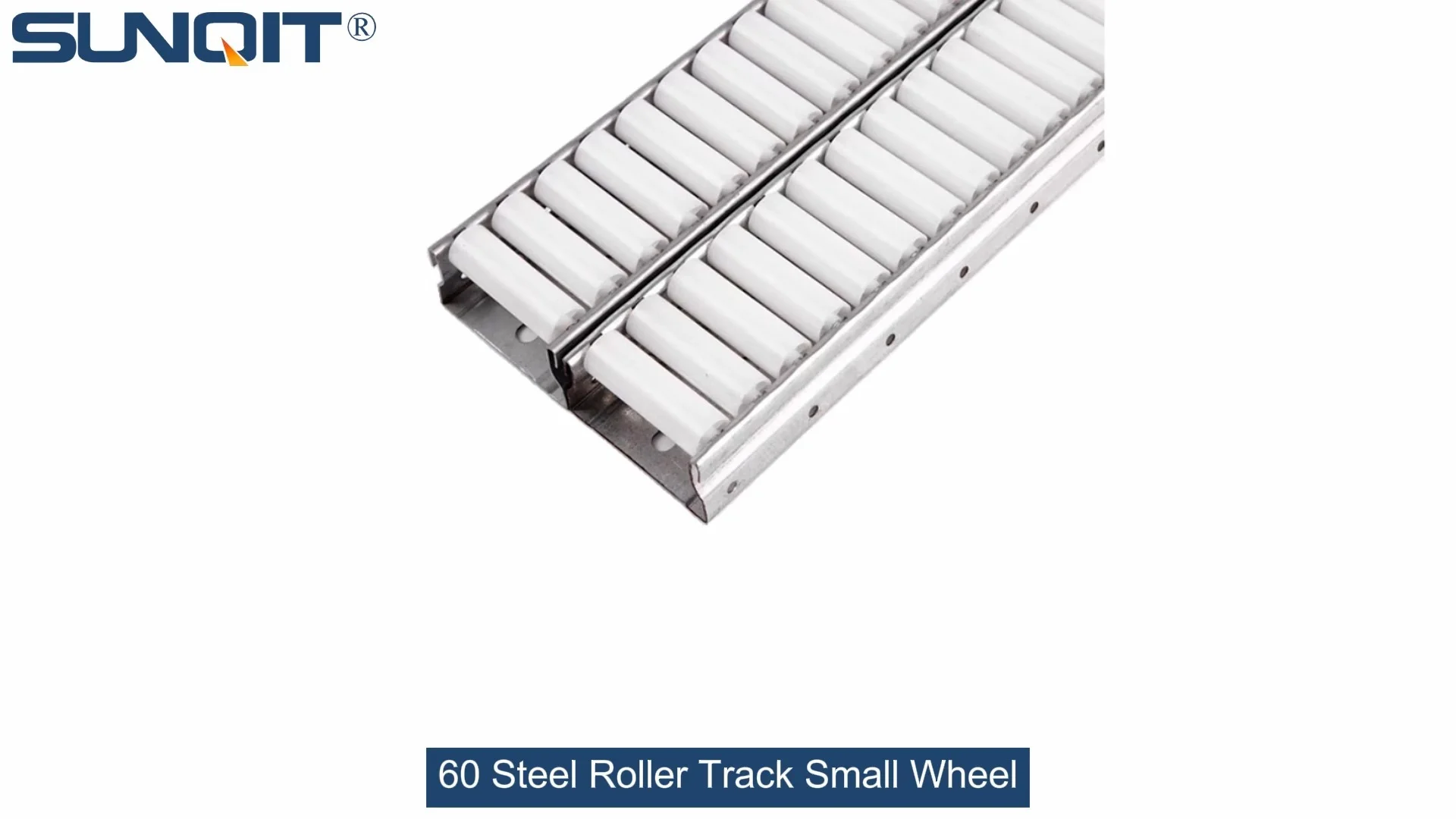
60 Steel Roller Track Small Wheel
Modular system roller tracks aluminum gravity roller tracks are an excellent solution for transporting materials within industrial environments, warehouses and distribution centres.
Introduction
In the fast-paced world of manufacturing and logistics, every small detail can make a big difference in efficiency. When it comes to storing and moving goods, racks equipped with roller tracks are workhorses—they help streamline material flow, reduce manual labor, and keep operations running smoothly. But have you ever stopped to think about how the alignment of the small wheels on those roller tracks affects overall performance? For anyone using 60 steel roller track small wheels in their racks, getting the parallel alignment right isn't just a minor technicality; it's a cornerstone of reliable, efficient operations. This article dives deep into why parallel alignment matters, the problems misalignment causes, and how to ensure your wheels are set up correctly to maximize productivity.
What Are 60 Steel Roller Track Small Wheels?
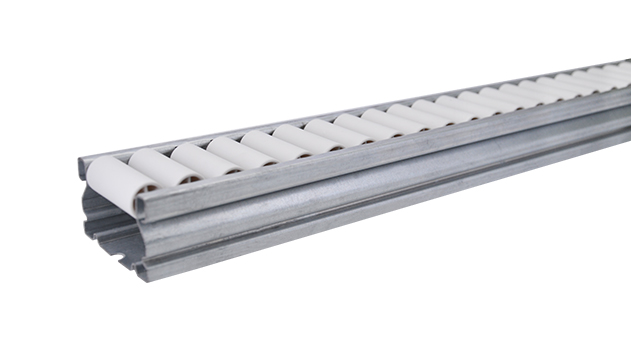
Before we get into alignment, let's clarify what we're talking about. 60 steel roller track small wheels are compact, durable components designed to fit into roller tracks—systems that allow boxes, bins, or parts to slide easily along racks. Made from high-quality steel, these wheels are built to handle moderate to heavy loads, making them ideal for use in warehouses, assembly lines, and distribution centers. They're commonly found in flow racks, where goods move from the back to the front of the rack as items are picked, ensuring first-in-first-out (FIFO) inventory management. These wheels are small but mighty: their size makes them perfect for tight spaces, while their steel construction ensures they can withstand constant use without breaking down quickly.
The Basics of Parallel Alignment
Parallel alignment means that all the 60 steel roller track small wheels on a single rack (or across multiple racks) are positioned in a straight line relative to each other. This ensures that when a container slides along the track, it moves evenly without catching or jamming. Think of it like a train track: if the rails are out of parallel, the train can't move smoothly. The same logic applies here—misaligned wheels create friction, cause jams, and lead to unnecessary wear and tear on both the wheels and the items being moved.
You might wonder why this is such a big deal. After all, how much difference can a few millimeters of misalignment make? The answer is: a lot. Even a tiny gap or tilt in the wheels can disrupt the flow of materials, slow down operations, and increase the risk of accidents. For businesses that rely on quick, efficient material handling (like 3C assembly plants or medical device warehouses), these disruptions can translate into lost revenue and frustrated employees.

Key Impacts of Proper Parallel Alignment
1. Smooth, Uninterrupted Material Flow
The most obvious benefit of proper alignment is smooth material flow. When 60 steel roller track small wheels are parallel, items glide along the track without getting stuck. This is especially important in flow racks, where goods need to move consistently from the storage area to the picking zone. Misaligned wheels can cause boxes to tilt, get caught between tracks, or stop entirely—forcing workers to stop what they're doing and fix the jam. Over time, these small interruptions add up to significant delays in order fulfillment and assembly line operations.
2. Extended Lifespan of Components
Misalignment puts extra stress on 60 steel roller track small wheels and the roller track itself. When wheels are not parallel, some wheels bear more weight than others, leading to uneven wear. This means you'll have to replace wheels more frequently, increasing maintenance costs and downtime. Proper alignment distributes weight evenly across all wheels, so they wear at the same rate and last longer. For businesses that use racks heavily, this can result in thousands of dollars in savings over time.
3. Enhanced Workplace Safety
Safety is a top priority in any manufacturing or logistics environment. Misaligned wheels can cause boxes to fall off racks, leading to damage to goods and potential injuries to workers. Imagine a heavy bin of electronic components sliding along a misaligned track—if it tilts and falls, it could hurt someone or destroy expensive parts. Proper alignment reduces this risk by ensuring items stay on the track and move predictably. This not only keeps workers safe but also protects your inventory from damage.
4. Compliance with Lean Principles
Many businesses today adopt lean solutions to eliminate waste and improve efficiency. Misalignment contributes to several types of waste: time wasted fixing jams, money wasted on replacement parts, and space wasted on inefficient storage. Proper alignment aligns with lean principles by reducing these wastes. For example, smooth material flow means workers spend less time on non-value-added tasks (like unjamming racks) and more time on tasks that directly contribute to production or order fulfillment. This helps businesses get the most out of their resources and stay competitive.
5. Optimal Space Utilization
Racks with properly aligned roller tracks can be packed more efficiently. When items move smoothly, you can store more goods in the same space without worrying about jams or blockages. Misaligned tracks often force workers to leave gaps between items to prevent jams, which wastes valuable storage space. Proper alignment allows you to maximize the use of your rack space, which is especially important in warehouses where space is at a premium.
Common Misalignment Issues & Their Causes
Misalignment doesn't happen by accident—it's usually the result of one or more of the following factors:
- Installation Errors: The most common cause of misalignment is incorrect installation. If workers don't use level tools or follow the manufacturer's instructions, the roller tracks and wheels can end up tilted or out of parallel. For example, if a rack is installed on an uneven floor without adjusting the feet, the tracks will be misaligned from the start.
- Wear and Tear: Over time, bolts can loosen, and components can shift. This is especially true for racks that are used heavily or moved frequently. Even small shifts can cause wheels to become misaligned.
- Overloading: Exceeding the weight limit of the rack or roller track can cause the tracks to bend or warp, leading to misalignment. 60 steel roller track small wheels are durable, but they can't handle loads beyond their capacity.
- Poor Maintenance: Lack of regular checks and maintenance is another common cause. If you don't inspect your racks and roller tracks regularly, you won't catch misalignment early—by the time you notice a problem, it's often already causing disruptions.
Step-by-Step Guide to Achieving Parallel Alignment
Getting 60 steel roller track small wheels aligned correctly isn't rocket science, but it does require attention to detail. Here's a step-by-step guide to help you do it right:
1. Pre-Installation Preparation
Before you start installing the roller tracks, make sure you have the right tools: a spirit level, tape measure, wrench, and screwdriver. Next, prepare the rack: ensure it's placed on a level surface. If the floor is uneven, use adjustable feet to level the rack. Measure the length and width of the rack to ensure the roller tracks will fit properly.
2. Installation Process
Start by attaching the roller track to the rack using the manufacturer's recommended bolts. Place the 60 steel roller track small wheels into the track (if they aren't pre-installed). Use the spirit level to check that the track is horizontal. Then, check the parallelism of the wheels: measure the distance between the wheels at both ends of the track. The distances should be the same (within a tolerance of 1-2 millimeters). If not, adjust the track until the wheels are parallel.
3. Post-Installation Verification
Once the tracks are installed, test them by sliding a few boxes or bins along the track. Look for any signs of jamming or tilting. If items move smoothly without any issues, the alignment is correct. If not, go back and adjust the tracks until the flow is smooth.
4. Regular Maintenance Schedule
To keep the wheels aligned, you need to perform regular maintenance. Here's a suggested schedule:
- Weekly: Inspect the tracks for loose bolts and misaligned wheels.
- Monthly: Use a spirit level to recheck the alignment of the tracks.
- Quarterly: Clean the tracks and wheels to remove dirt and debris that could cause misalignment.
- Annually: replace any worn-out wheels or tracks to ensure optimal performance.
Case Study: How Alignment Improved Efficiency in a 3C Assembly Warehouse
Let's look at a real-world example (based on common industry scenarios) to see how proper alignment can make a difference. A 3C assembly warehouse was using flow racks with 60 steel roller track small wheels to store components for smartphone assembly. Over time, they noticed that their picking process was slowing down—workers were spending more time fixing jams than picking parts. The warehouse manager decided to inspect the racks and found that many of the wheels were misaligned.
The team followed the step-by-step guide to realign the wheels. After the adjustment, the results were impressive:
| Metrics | Before Alignment | After Alignment | Improvement |
|---|---|---|---|
| Daily Picking Rate | 1,500 components | 1,800 components | 20% |
| Jams per Day | 12-15 | 1-2 | 90% reduction |
| Monthly Wheel Replacement Cost | $180 | $60 | 67% reduction |
| Worker Satisfaction Score | 3.2/5 | 4.5/5 | 40% increase |
This case study shows that proper alignment isn't just about fixing a problem—it's about optimizing operations and improving the overall work environment. The warehouse was able to increase productivity, reduce costs, and make workers happier—all by focusing on a small but critical detail.
Choosing the Right Components for Easy Alignment
One of the best ways to ensure proper alignment is to choose high-quality components. For example, 60 steel roller track small wheels from reputable suppliers are precision-manufactured to consistent dimensions, making them easier to align. Flow racks that are designed with pre-drilled holes and adjustable tracks also simplify the installation process, reducing the risk of misalignment.
When selecting components, look for the following features:
- Consistent Dimensions: Wheels and tracks should have uniform sizes to ensure parallel alignment.
- Adjustable Tracks: Tracks that can be adjusted for level and parallelism make installation easier.
- Durable Materials: Steel wheels and tracks are more resistant to wear and tear, so they stay aligned longer.
- Clear Instructions: Suppliers should provide detailed installation instructions to help you get the alignment right the first time.
Investing in quality components may cost a little more upfront, but it pays off in the long run with fewer maintenance issues and higher efficiency.
Conclusion
The importance of parallel alignment for 60 steel roller track small wheels in racks cannot be overstated. It affects everything from material flow and component lifespan to workplace safety and operational efficiency. By taking the time to properly align your wheels, you can reduce disruptions, save money on maintenance, and create a more productive work environment.
Remember: proper alignment isn't a one-time task—it's an ongoing process. Regular inspections and maintenance are key to keeping your racks and roller tracks in top condition. Whether you're setting up new racks or maintaining existing ones, make parallel alignment a priority. Your workers, your bottom line, and your customers will thank you.