- Company Articles
- Products and Technology
- Product knowledge
- Imported vs. Domestic T-Slot Rubber Seal Covers: Cost, Quality, and Availability Comparison

Imported vs. Domestic T-Slot Rubber Seal Covers: Cost, Quality, and Availability Comparison
Related Product
T-slot Rubber Seal Cover
The rubber T-slot seal cover prevents dust and debris buildup, covers wires in the T-slot channel, and adds an extra layer of protection to applications. It rolls into the T-slot, making it easy to assemble.
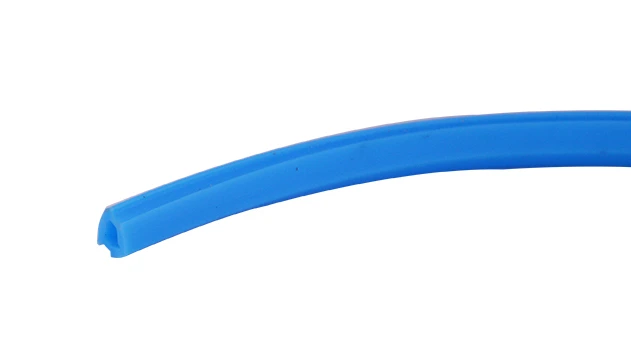
In the world of manufacturing and industrial setups, it's often the smallest components that keep the biggest systems running smoothly. Take T-slot rubber seal covers , for example. These unassuming strips might not grab headlines, but they play a critical role in protecting aluminum extrusion profiles —the backbone of everything from workbenches and conveyor systems to lean manufacturing cells. Designed to seal the T-slots on aluminum profiles, they prevent dust, water, and debris from clogging gaps, reduce noise from metal-on-metal contact, and even extend the lifespan of the profiles themselves. For anyone building or maintaining industrial setups—whether you're a small workshop owner or a procurement manager at a large factory—the choice between imported and domestic T-slot rubber seal covers is more than just a line item on a budget sheet. It's a decision that impacts daily operations, long-term costs, and the reliability of your entire setup. Let's dive into the details.
The Cost Factor: Beyond the Price Tag
When procurement teams first compare imported and domestic T-slot rubber seal covers, the initial price difference is hard to ignore. Imported options, often sourced from established manufacturers in Europe, Japan, or North America, typically come with a heftier price tag. Shipping fees, import tariffs, and middleman markups can add 30-50% to the base cost, making them a tough sell for businesses operating on tight margins. Domestic suppliers, on the other hand, benefit from lower production and logistics costs, offering prices that are often 20-40% lower upfront. For a small manufacturer ordering 500 meters of seal covers, that difference could translate to thousands of dollars saved—funds that might be redirected to other critical areas like machinery upgrades or employee training.
But here's where the conversation gets nuanced: long-term value. Imported seal covers often justify their higher initial cost through durability. Many are made from premium EPDM rubber or silicone blends that resist aging, temperature fluctuations, and chemical exposure—qualities that matter in factories where equipment runs 24/7. A plant manager in the automotive industry once shared that their imported seal covers lasted nearly five years without cracking, while a batch of cheaper domestic ones needed replacement after just 18 months. The math here is straightforward: replacing seal covers every year and a half means downtime for disassembly, labor costs for installation, and the hassle of reordering. Over time, those "savings" from domestic options can evaporate.
That said, not all applications demand industrial-grade longevity. For low-stress environments—like a small workshop using aluminum profiles for storage racks or lightweight workbenches—domestic seal covers might be more than sufficient. They're a practical choice when the cost of failure is low, and frequent replacements are manageable. It's a classic trade-off: pay more now for peace of mind, or save upfront and accept higher maintenance down the line.
Quality: The Devil in the Details
Quality is where the imported vs. domestic debate often gets heated. Let's start with materials. Reputable imported brands invest heavily in R&D, using rubber compounds tested to withstand extreme conditions. For example, a German supplier might use EPDM rubber with a Shore A hardness of 70, optimized for flexibility and resistance to UV radiation—a feature that matters if the aluminum extrusion profiles are used in outdoor or well-lit indoor spaces. Domestic suppliers, especially smaller ones, sometimes cut corners by using recycled rubber or lower-grade synthetic blends. These might feel similar to the touch initially, but over time, they can become brittle, shrink, or lose their sealing properties, leaving gaps that allow dust and moisture to seep into the T-slots of your aluminum profiles.
Manufacturing precision is another sticking point. Imported T-slot rubber seal covers are often produced using automated extrusion processes with tight tolerances. This ensures a consistent fit across every meter of seal cover, which is crucial when working with standardized aluminum profile accessories. Imagine installing a seal cover that's slightly too narrow in some sections and too wide in others—gaps form, defeating the purpose of the accessory. Domestic manufacturers have made significant strides here, with many now using CNC-controlled extrusion lines that rival imported precision. However, quality control can still vary between suppliers; a larger domestic factory with strict QA protocols might produce seal covers indistinguishable from imports, while a smaller operation might struggle with consistency.
Durability testing is another area where imported brands often lead. They'll subject their seal covers to accelerated aging tests—exposing samples to high temperatures, humidity, and chemical sprays for months—to simulate years of use. The results are often published in detailed spec sheets, giving buyers confidence in performance. Domestic suppliers, particularly those focused on the mid-to-high end of the market, now offer similar testing, but it's less common among budget-focused brands. For industries like electronics manufacturing, where even tiny particles can disrupt production, the reliability of imported seal covers (and their detailed test data) is often worth the premium.

Availability: Time Is Money
In manufacturing, downtime is the enemy. When a production line needs new T-slot rubber seal covers to replace worn-out ones, waiting weeks for a shipment can derail deadlines and frustrate teams. This is where domestic suppliers often have a clear advantage: availability. Most domestic manufacturers keep large inventories of standard sizes, meaning you can place an order in the morning and have the seal covers delivered by the end of the week—sometimes even the next day. For businesses running lean systems (where "lean pipe and accessories" are integral to minimizing waste), this quick turnaround is invaluable. It allows for just-in-time inventory management, reducing storage costs and ensuring production lines stay operational.
Imported seal covers, by contrast, come with longer lead times. Shipping from overseas can take 4-8 weeks, not counting customs clearance delays. This is manageable if you're planning a large-scale project with months of lead time, but it's risky for emergency replacements. Some importers mitigate this by maintaining regional warehouses, stocking popular sizes to reduce delivery times to 1-2 weeks. However, this convenience often comes with a markup, eroding some of the cost benefits of ordering directly from the manufacturer.
Customization is another availability consideration. Domestic suppliers are often more flexible when it comes to custom sizes, colors, or materials. Need a seal cover with a special adhesive backing for quick installation? A domestic manufacturer might tweak their production line to accommodate your request in a week. Imported brands, bound by rigid production schedules and minimum order quantities, might require you to order thousands of meters to justify a custom run—hardly feasible for small to medium businesses.
Supply chain stability is also worth mentioning. Global events—pandemics, trade wars, or port congestion—can disrupt imported shipments for months. Domestic suppliers, rooted in local or regional supply chains, are often more resilient to these shocks. During the 2021 shipping crisis, for example, many manufacturers relying on imported aluminum profile accessories faced delays of 3-6 months, while those using domestic T-slot rubber seal covers kept production moving with minimal interruptions.

The Middle Ground: When to Choose What
The decision between imported and domestic T-slot rubber seal covers rarely has a one-size-fits-all answer. It depends on your specific needs, budget, and risk tolerance. Here's a practical framework to guide you:
- Critical Applications: If the seal covers are part of a high-precision system (e.g., clean rooms, medical device manufacturing) or exposed to harsh conditions (extreme temperatures, chemicals), imported options are likely worth the investment. Their reliability reduces the risk of costly failures.
- Cost-Sensitive, Low-Stress Use: For non-critical setups—like temporary workbenches, storage racks, or low-traffic areas—domestic seal covers offer excellent value. Just be sure to source from reputable suppliers with positive reviews.
- Hybrid Approach: Many manufacturers split the difference, using imported seal covers for critical lines and domestic ones for less demanding areas. This balances performance and cost effectively.
It's also worth noting that the domestic market is evolving rapidly. Today's top domestic suppliers are investing in better materials, precision manufacturing, and quality control, closing the gap with imports. Some even offer warranties that match imported brands, giving buyers added confidence. By requesting samples, checking certifications, and starting with small orders, you can test domestic options without committing to a full-scale switch.
Comparative Overview: Imported vs. Domestic
| Aspect | Imported T-Slot Rubber Seal Covers | Domestic T-Slot Rubber Seal Covers |
|---|---|---|
| Initial Cost | Higher (30-50% more due to shipping, tariffs) | Lower (20-40% cheaper than imports) |
| Long-Term Value | Higher (longer lifespan reduces replacement costs) | Variable (may require frequent replacements in harsh conditions) |
| Material Quality | Premium rubber compounds (EPDM, silicone) with tested durability | Mid-to-high grade; quality varies by supplier (some match import standards) |
| Manufacturing Precision | Tight tolerances, consistent fit across batches | Improving; top suppliers offer precision comparable to imports |
| Lead Time | 4-8 weeks (longer during supply chain disruptions) | 1-5 days for standard sizes; 1-2 weeks for custom orders |
| Customization Options | Limited (requires large minimum orders) | Flexible (small-batch custom sizes/colors available) |
Final Thoughts: It's About Balance
T-slot rubber seal covers might be small, but their impact on your aluminum extrusion profiles and overall operations is significant. Imported options offer peace of mind, premium quality, and long-term durability, making them ideal for critical or high-stress applications. Domestic suppliers, meanwhile, provide cost savings, quick availability, and growing quality standards that cater to budget-conscious or flexible needs. The key is to assess your priorities: Is reliability worth a higher upfront cost? Can you tolerate potential downtime for cheaper parts? By weighing these factors—and perhaps testing both options—you can choose the T-slot rubber seal covers that best align with your goals.
At the end of the day, the "best" choice isn't imported or domestic—it's the one that keeps your production lines running smoothly, your costs in check, and your team confident in the tools they use. And as domestic manufacturers continue to innovate, that choice is only getting easier.