- Company Articles
- Products and Technology
- Product knowledge
- Indoor vs. Outdoor Use: Flat Swivel Castor Wheel with Brake Performance Differences

Indoor vs. Outdoor Use: Flat Swivel Castor Wheel with Brake Performance Differences
Related Product
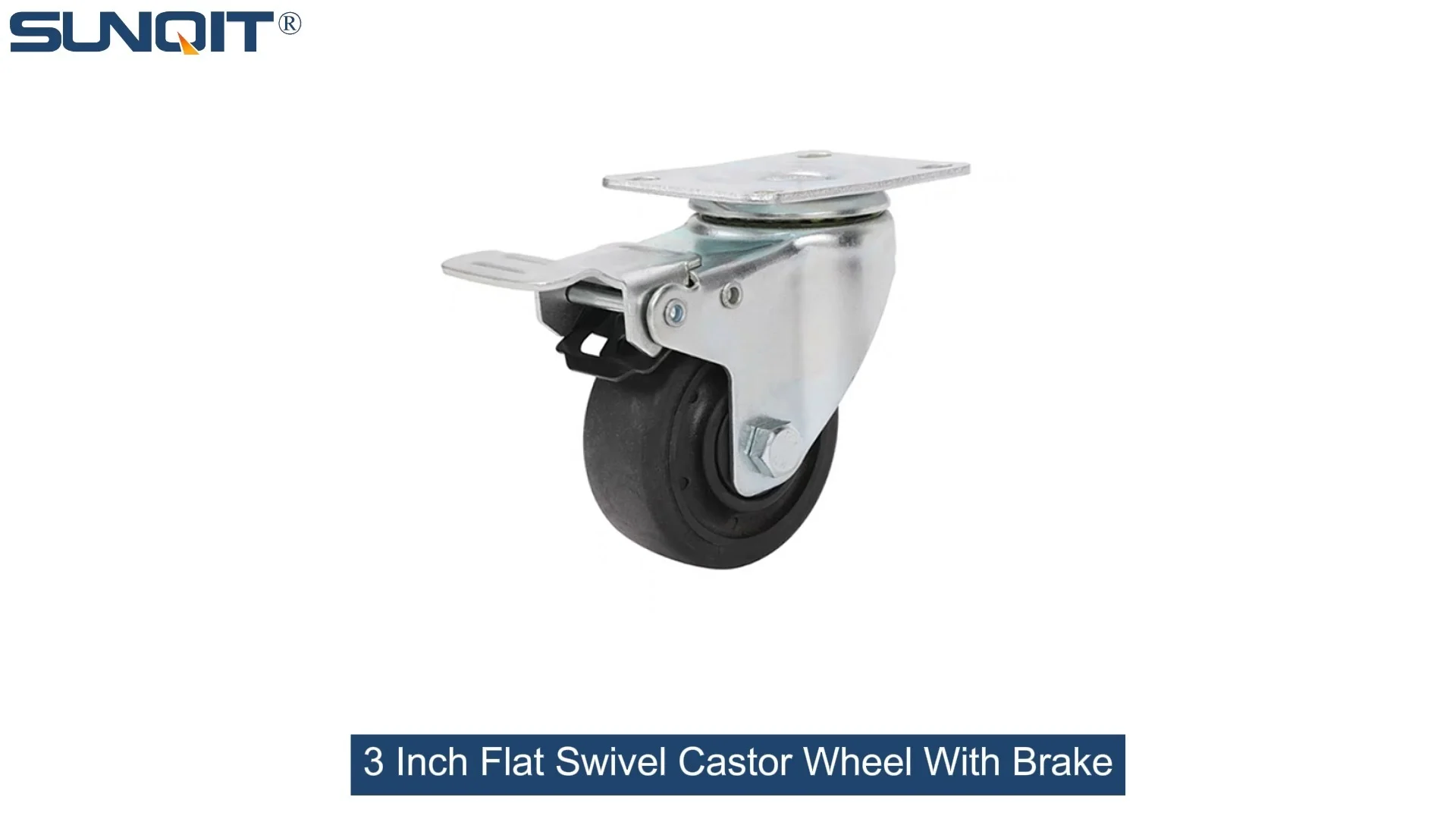
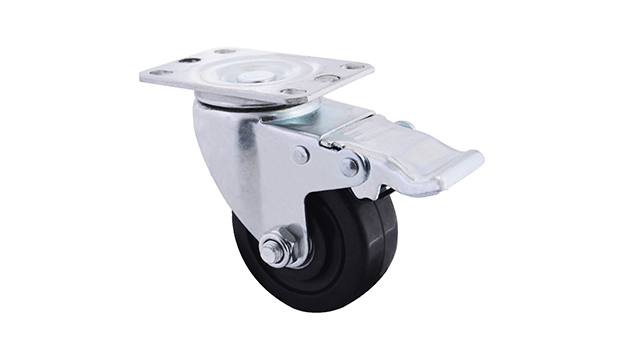
Flat Swivel Castor Wheel With Brake
Chair Casters Ball Bearing Wheels Rubber Base with brake design. Resistant to abrasion, impact and corrosion. Heavy payload can hold 70Kgs per pcs,which can make it works at a stable and smooth status.
In the world of material handling, logistics, and everyday equipment mobility, one component often goes unnoticed until it fails: the caster wheel. These small but mighty parts carry the weight of our workbenches, the precision of our assembly lines, and the efficiency of our warehouses. Among the many types of caster wheels, the flat swivel castor wheel with brake stands out for its unique blend of flexibility and control. Whether you're pushing a medical cart through a hospital corridor or maneuvering a tool trolley across a construction site, the performance of these casters can make or break productivity—and even safety. But here's the thing: a caster that shines indoors might stumble outdoors, and vice versa. The secret lies in understanding how environment shapes performance. Let's dive into the key differences between indoor and outdoor use, and how to choose the right caster wheel for the job.
Understanding the Basics: What Is a Flat Swivel Castor Wheel with Brake?
Before we compare environments, let's get clear on what we're talking about. A flat swivel castor wheel with brake is a caster designed with three core features: a flat mounting plate (for secure attachment to equipment), a swivel head (allowing 360° rotation for easy maneuvering), and an integrated brake mechanism (to lock the wheel in place when stability is needed). These casters are workhorses in industries ranging from manufacturing to retail, thanks to their ability to balance mobility with stationarity.
But like any tool, their effectiveness depends on their design—and that design must account for their operating environment. Indoor spaces, with their smooth floors and controlled conditions, demand different traits than outdoor areas, where rough terrain, weather, and debris reign supreme. Even small details, like the type of caster accessories (think brake pads, wheel treads, or swivel bearings), can drastically alter performance. Let's break down how these environments shape what a flat swivel castor wheel with brake needs to deliver.
Indoor Use: Precision, Protection, and Predictability
Indoor environments are, by nature, more controlled. Think of a warehouse with polished concrete floors, a hospital with vinyl tiles, or an office with carpeted spaces. These settings share common traits: smooth surfaces, stable temperatures, minimal exposure to moisture or debris, and often strict requirements for noise levels and floor protection. For flat swivel castor wheels with brake, this translates to a focus on precision movement, gentle floor interaction, and reliable braking on clean, dry surfaces.
Surface Sensitivity: Protecting Floors While Moving Smoothly
Indoor floors are often finished or delicate. Scratches on a hospital's sterile vinyl or scuffs on a retail store's polished concrete can be costly to repair. That's why indoor casters prioritize non-marking, soft-tread wheels. Materials like polyurethane are popular here—they're firm enough to roll smoothly but soft enough to avoid leaving marks. Rubber is another option, though it may not be as durable for heavy loads. The goal? To glide across the floor with minimal effort and zero damage.
Smooth movement isn't just about floor protection, either. In settings like assembly lines or laboratories, where precision is key, a caster that jerks or sticks can disrupt workflow. Indoor casters often have smaller wheel diameters (2-4 inches) and tighter swivel tolerances to ensure they respond quickly to even slight pushes. This makes them ideal for equipment that needs to be repositioned frequently, like workbenches or mobile shelving units.
Braking on Clean Surfaces: The Need for Sensitive, Reliable Locking
Indoor braking is all about consistency. When you lock a caster in a lab or a workshop, you need to trust that it won't budge—even if someone leans against the equipment. Indoor brake mechanisms are typically designed for clean, dry surfaces, where friction between the brake pad and wheel is predictable. Foot-operated brakes are common here; they're easy to engage and disengage, and their simple lever design works well when debris isn't a factor.
Take, for example, a mobile workbench in an electronics factory. When an operator is soldering components, the last thing they need is the bench sliding mid-task. A well-designed brake on an indoor caster will lock both the wheel rotation and, in some cases, the swivel head, creating a stable platform. The brake pads, often made of rubber or composite materials, grip firmly on smooth floors without damaging them—critical for maintaining a sterile or high-precision workspace.
Durability in Controlled Conditions: Focus on Wear, Not Weather
Indoor casters don't face the same harsh weathering as outdoor ones, but they do battle wear from constant use. In high-traffic areas like warehouses, wheels can wear down from repetitive rolling over smooth concrete. That's why indoor caster wheels are often made with high-density polyurethane or reinforced rubber—materials that resist abrasion without sacrificing flexibility. Swivel heads, too, need to withstand frequent rotation; here, sealed bearings (another common caster accessory ) help prevent dust buildup, ensuring smooth swiveling for years.
Outdoor Use: Toughness, Traction, and Weather Resistance
Outdoor environments are the wild west for casters. From construction sites with gravel and potholes to loading docks exposed to rain and snow, these spaces demand ruggedness, traction, and resilience. Unlike indoor settings, outdoor conditions are unpredictable: temperatures swing, moisture abounds, and debris (think mud, rocks, or leaves) can jam mechanisms. For flat swivel castor wheels with brake, this means prioritizing durability, all-terrain mobility, and brakes that grip even when the going gets messy.
Rough Terrain: Conquering Bumps, Gaps, and Debris
Outdoor floors are rarely smooth. A construction site might have uneven dirt, loose gravel, or cracks in concrete, while a farm setting could involve grass, mud, or even small rocks. For casters, this means bigger is often better—larger wheel diameters (4-8 inches) help roll over obstacles without getting stuck. Treaded wheels are another must; deep grooves or knobby patterns dig into soft surfaces like mud or grass, preventing slippage. Pneumatic (air-filled) wheels are popular here, too—their ability to absorb shocks makes for a smoother ride over bumps, reducing strain on both the equipment and the person pushing it.
Debris is another outdoor hazard. A stray nail or a clump of mud can wedge between the wheel and the brake mechanism, rendering the brake useless. Outdoor casters often feature enclosed swivel heads and sealed bearings to keep dirt out. Some even have protective guards around the wheel to block larger debris—a simple caster accessory that can save hours of maintenance.
Braking in the Elements: Grip When It's Wet, Muddy, or Icy
If indoor braking is about consistency, outdoor braking is about survival. Rain, snow, and mud can turn a stable surface into a slip hazard, and a brake that works on dry concrete might fail miserably on wet grass. Outdoor brakes are built tougher: they use metal components (instead of plastic) for the lever and pad, and the brake pads themselves are often made of high-friction rubber or even metal, designed to bite into wet or dirty wheels. Some outdoor casters even have dual-locking brakes, which lock both the wheel and the swivel head—critical for preventing equipment from rolling or swiveling on slopes.
Consider a tool trolley used by landscapers. On a rainy day, the trolley might need to sit on a muddy hillside while the crew works. A weak brake could let it slide, risking damage to tools or injury to workers. An outdoor-rated flat swivel castor with brake would have a heavy-duty brake pad that presses firmly against the wheel, even with mud caked on, and a swivel lock to keep the trolley facing forward. It's not just about stopping—it's about staying stopped, no matter the conditions.
Weather Resistance: Fighting Rust, UV Rays, and Extreme Temperatures
Outdoor casters face a daily assault from the elements. Rain and humidity can corrode metal parts, UV rays from the sun can degrade plastic or rubber, and extreme temperatures (freezing cold or scorching heat) can make materials brittle or soft. To combat this, outdoor casters are built with weather-resistant materials: stainless steel swivel heads to prevent rust, UV-stabilized rubber wheels to resist sun damage, and aluminum or galvanized steel mounting plates for added durability. Even the caster accessories matter here—grease fittings with water-resistant lubricant, for example, keep swivel heads moving smoothly even after a downpour.

Key Performance Differences: A Side-by-Side Comparison
To truly grasp how indoor and outdoor use differ, let's put the key performance factors side by side. The table below breaks down what matters most in each environment, and how flat swivel castor wheels with brake are engineered to meet those needs.
| Performance Factor | Indoor Use: Priorities & Design | Outdoor Use: Priorities & Design |
|---|---|---|
| Mobility & Maneuverability | Smooth, effortless rolling on flat surfaces; small wheel diameter (2-4 inches); soft, non-marking tread; tight swivel tolerances for precision. | All-terrain capability; large wheel diameter (4-8 inches); treaded or knobby wheels for traction; pneumatic or shock-absorbing wheels for bumps. |
| Braking Effectiveness | Clean, dry surfaces; focus on sensitivity and ease of use; rubber or composite brake pads; foot-operated levers; locks wheel rotation only (swivel often unlocked). | Wet, muddy, or uneven surfaces; focus on grip and durability; metal-reinforced brake pads; enclosed mechanisms to block debris; may lock both wheel and swivel. |
| Material Durability | Resistance to abrasion (smooth floors); polyurethane or reinforced rubber wheels; zinc-plated steel swivel heads; sealed bearings to block dust. | Resistance to corrosion, UV rays, and impact; stainless steel or galvanized steel components; pneumatic or solid rubber wheels; UV-stabilized materials. |
| Noise Level | Low noise critical (hospitals, offices); polyurethane wheels for quiet rolling; soft tread to dampen sound. | Noise less critical; pneumatic wheels may reduce noise on rough terrain; treaded wheels may be louder but prioritize traction. |
| Maintenance Needs | Regular cleaning (dust, spills); lubrication of swivel bearings; replacement of worn brake pads or wheels. | Frequent debris removal (mud, rocks); water-resistant lubrication; inspection for rust or UV damage; replacement of treads on pneumatic wheels. |

Choosing the Right Caster: It's All About the Environment
So, how do you pick the perfect flat swivel castor wheel with brake? Start by asking: Where will this caster live? If it's indoors, prioritize smooth rolling, floor protection, and quiet operation. Look for polyurethane wheels, sealed bearings, and a sensitive brake mechanism. If it's outdoors, opt for large, treaded wheels, stainless steel components, and a heavy-duty brake with debris guards. And don't forget caster and accessories —things like replacement brake pads, lubricants, or wheel guards can extend the life of your casters, no matter the environment.
For example, a mobile workbench in a electronics factory (indoor) would thrive with 3-inch polyurethane wheels, a foot brake, and zinc-plated swivel heads. It needs to roll smoothly over concrete, stop instantly when the operator needs to focus, and not scratch the floor during repositioning. On the flip side, a tool trolley for a landscaping crew (outdoor) would need 6-inch pneumatic wheels with treads, a stainless steel frame, and a dual-lock brake (wheel + swivel) to handle grass, mud, and the occasional rock.
The Bottom Line: Environment Dictates Performance
Flat swivel castor wheels with brake are versatile tools, but they're not one-size-fits-all. Indoor and outdoor environments demand fundamentally different traits—precision vs. toughness, smoothness vs. traction, predictability vs. resilience. By understanding these differences, you can choose casters that don't just work, but excel. After all, the right caster wheel isn't just a part of your equipment—it's a partner in productivity. So next time you're shopping for casters, take a look around: the environment will tell you exactly what you need.
Whether you're outfitting a warehouse or a construction site, remember: the best caster is the one that's built for where it lives. And with the right design (and a few smart caster accessories ), your flat swivel castor wheels with brake will keep rolling—and stopping—for years to come.