- Company Articles
- Products and Technology
- Product knowledge
- Industrial Grade vs. Commercial Flat Swivel Castor Wheels: Key Differences

Industrial Grade vs. Commercial Flat Swivel Castor Wheels: Key Differences
Related Product
Flat Swivel Castor Wheel
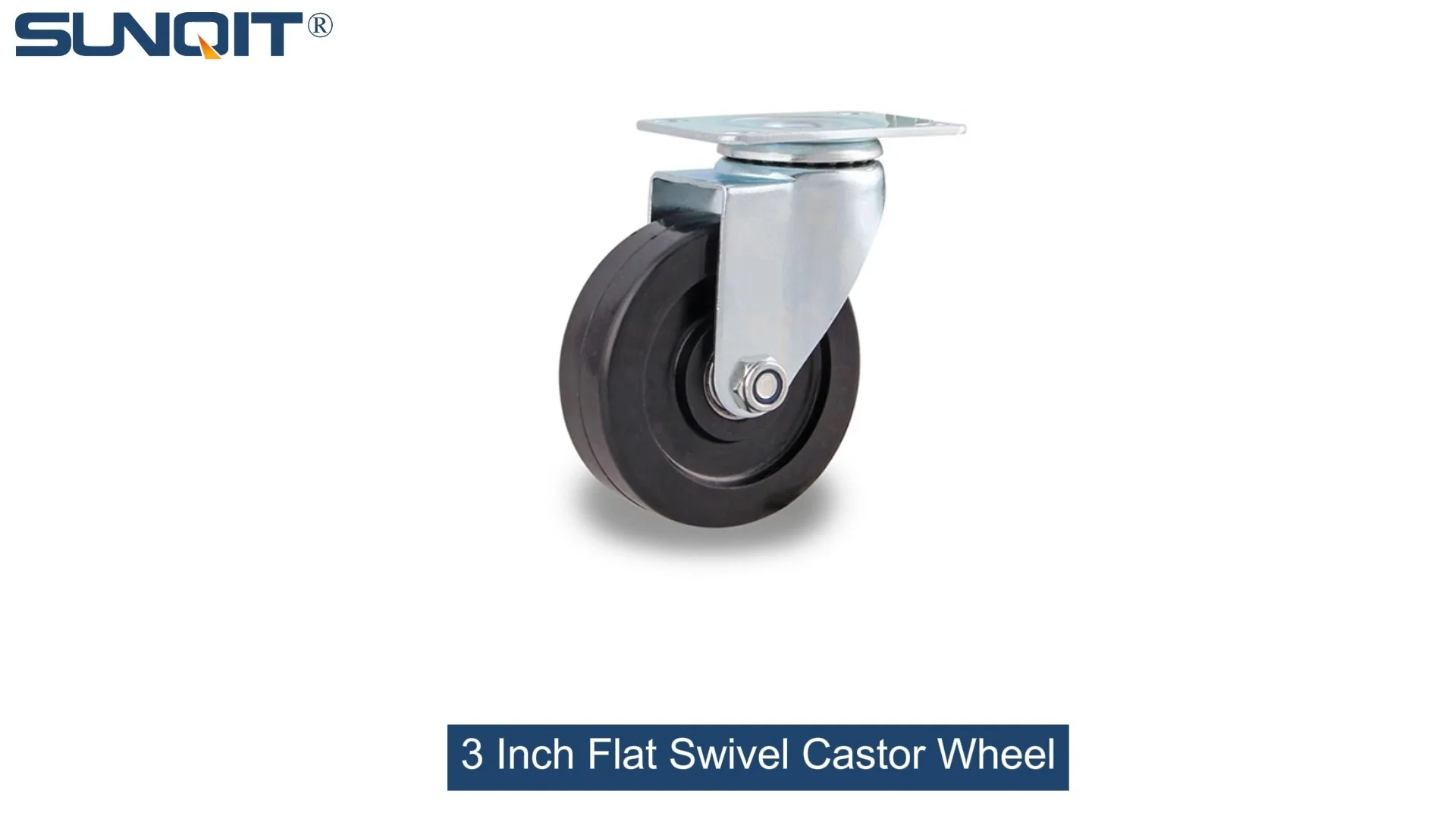
Chair Casters Ball Bearing Wheels Rubber Base. Resistant to abrasion, impact and corrosion. Heavy payload can hold 70-90Kgs per pcs,which can make it works at a stable and smooth status.
Think about the last time you pushed a loaded cart through a warehouse, maneuvered a service trolley in a busy restaurant, or adjusted a heavy equipment stand in a factory. The ease (or frustration) of that movement often comes down to one small but critical component: the caster wheel. Among the many types of caster wheels available, flat swivel castor wheels stand out for their versatility, allowing 360-degree rotation and smooth movement across flat surfaces. But not all flat swivel castor wheels are created equal. There's a world of difference between those designed for industrial use and those built for commercial settings—and choosing the wrong one can lead to broken equipment, safety risks, or inefficient operations. In this guide, we'll break down the key differences between industrial grade and commercial flat swivel castor wheels, helping you understand which type is right for your needs.
What Are Flat Swivel Castor Wheels?
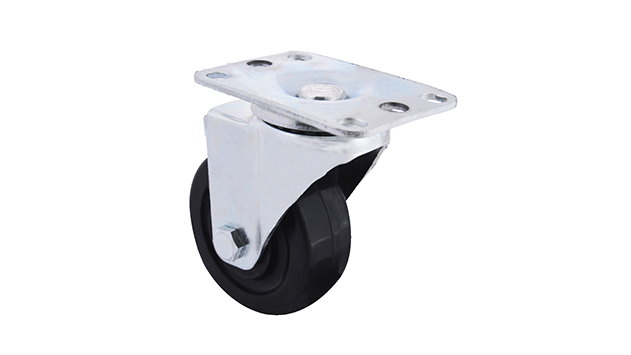
Before diving into the industrial vs. commercial debate, let's start with the basics: what exactly is a flat swivel castor wheel? At its core, a caster wheel is a wheeled device mounted to the bottom of an object to enable movement. The term "flat" refers to the mounting plate—a flat, rectangular metal (or sometimes plastic) plate that attaches the caster to the equipment. "Swivel" means the wheel can rotate 360 degrees around a vertical axis, allowing the object to turn and maneuver without needing to be lifted. Together, these features make flat swivel castor wheels ideal for applications where mobility and flexibility are key, from carts and trolleys to workbenches and machinery.
A typical flat swivel castor wheel consists of four main components: the wheel itself, the swivel head (which allows rotation), the mounting plate, and often a brake mechanism (like the flat swivel castor wheel with brake , a popular variation that adds a locking feature to prevent movement when needed). The design is simple, but each part is engineered to work together to balance load capacity, maneuverability, and durability—factors that vary dramatically between industrial and commercial models.
Defining Industrial vs. Commercial Use Cases
To understand the differences between industrial and commercial flat swivel castor wheels, it helps to first clarify their intended use cases. Industrial environments are harsh, high-stakes settings where equipment is subjected to heavy loads, frequent use, and challenging conditions. Think manufacturing plants, warehouses, construction sites, and loading docks. In these spaces, caster wheels might need to support thousands of pounds, roll over uneven floors or debris, and withstand exposure to chemicals, extreme temperatures, or moisture.
Commercial environments, on the other hand, are generally lighter-duty and less demanding. These include retail stores, restaurants, offices, hospitals, and hotels. Here, caster wheels are used on things like display racks, food service trolleys, medical carts, or office furniture. The loads are typically smaller, the floors are smoother, and the primary priorities are often maneuverability, noise reduction, and cost-effectiveness.
The line between "industrial" and "commercial" can sometimes blur—for example, a large retail warehouse might use industrial-grade casters for heavy pallet racks, while the storefront uses commercial casters for display carts. But the core distinction lies in the demands of the environment: industrial casters are built to survive punishment, while commercial casters are optimized for everyday, lighter use.
Key Differences Between Industrial and Commercial Flat Swivel Castor Wheels
Now, let's dig into the specifics. While industrial and commercial flat swivel castor wheels may look similar at first glance, their differences become clear when examining load capacity, materials, durability, and design. Below are the most critical distinctions:
1. Load Capacity: Handling Heavy vs. Light Weights
Perhaps the most significant difference between industrial and commercial casters is their load capacity—the maximum weight they can safely support. Industrial flat swivel castor wheels are engineered to handle heavy loads, often ranging from 500 pounds per wheel up to 2,000 pounds or more (and sometimes even higher for specialized models). This isn't just about the wheel itself; the entire assembly—swivel head, mounting plate, and axle—is reinforced to distribute weight evenly and prevent failure under stress.
For example, an industrial caster's mounting plate is typically made from thick steel (often 1/4 inch or more) to avoid bending under heavy loads. The swivel head, which connects the wheel to the mounting plate, contains large, precision-machined ball bearings or roller bearings that can withstand the pressure of constant rotation under weight. Even the axle is thicker, often made from hardened steel to prevent snapping.
Commercial flat swivel castor wheels, by contrast, are designed for lighter loads, usually between 100 and 500 pounds per wheel. Their mounting plates are thinner (sometimes as thin as 1/8 inch) and may be made from aluminum or even high-strength plastic for cost savings. The swivel head uses smaller bearings, and the axle is lighter, as the demands of commercial use—like pushing a 300-pound hotel luggage cart or a 200-pound retail display rack—don't require the same structural reinforcement.
It's important to note that load capacity isn't just about static weight (the weight when the equipment is stationary). Dynamic load capacity— the weight when the equipment is moving—is equally critical. Industrial casters are tested to maintain their integrity even when rolling over bumps or uneven surfaces with a heavy load, while commercial casters may struggle if pushed beyond their dynamic limits, leading to wheel wobble or bearing failure.
2. Materials: Durability vs. Cost and Comfort
The materials used in caster wheel construction are another telltale sign of industrial vs. commercial intent. Industrial casters prioritize durability and resistance to harsh conditions, while commercial casters often focus on cost, noise reduction, and floor protection.
Industrial Materials: To withstand heavy loads and tough environments, industrial flat swivel castor wheels often use robust materials like:
- Steel or Cast Iron Wheels: These are the workhorses of industrial casters. Steel wheels are hard, resistant to impact, and can handle high temperatures (up to 500°F or more for some alloys). Cast iron wheels are even stronger, with excellent wear resistance—ideal for surfaces like concrete factory floors or outdoor loading docks.
- Polyurethane (with Steel Core): For applications where floor protection is needed (e.g., in warehouses with polished concrete or finished floors), industrial casters may use polyurethane wheels. Unlike purely plastic wheels, these have a steel core for strength, with a polyurethane outer layer that cushions the ride and prevents scratches.
- Stainless Steel Components: In environments with moisture, chemicals, or corrosion risks (like food processing plants or marine facilities), industrial casters may feature stainless steel mounting plates, swivel heads, or axles to resist rust and degradation.
Commercial Materials: Commercial casters, used in settings like offices, restaurants, or retail stores, often prioritize lighter weight, lower cost, and quieter operation. Common materials include:
- Nylon Wheels: Nylon is lightweight, affordable, and resistant to wear, making it a popular choice for light-duty commercial casters. It's also non-marking, which is important for retail floors or hospital corridors.
- Rubber or Thermoplastic Elastomer (TPE) Wheels: Rubber wheels absorb shocks and reduce noise, making them ideal for environments where quiet movement is key (e.g., libraries, hotels, or healthcare facilities). TPE wheels offer similar benefits with added resistance to oils and chemicals, a plus for restaurant service trolleys.
- Aluminum or Plastic Mounting Plates: Commercial casters may use aluminum mounting plates to reduce weight or plastic plates for even lower costs, though these are only suitable for very light loads (under 200 pounds).
3. Brake Systems: Heavy-Duty Locking vs. Basic Safety
Many flat swivel castor wheels come with brakes to prevent movement when the equipment is stationary—and here again, industrial and commercial models differ significantly. The flat swivel castor wheel with brake is a common feature in both categories, but the type and strength of the brake vary widely.
Industrial Brakes: In industrial settings, brakes need to be reliable enough to hold heavy loads in place, even on inclines or uneven surfaces. Industrial flat swivel castor wheel with brake models often use "total lock" or "dual lock" brakes, which lock both the wheel (preventing rotation) and the swivel head (preventing the wheel from turning). This dual locking mechanism is critical for safety—imagine a loaded pallet jack on a slight slope; a weak brake could lead to the cart rolling away, causing damage or injury.
Industrial brakes are typically made from steel or cast iron, with thick, durable levers that can withstand frequent use. Some even feature "foot-operated" designs with large pedals, making them easy to engage even when wearing heavy work boots. In high-risk environments, industrial brakes may also include secondary safety features, like a spring-loaded mechanism that automatically engages if the primary brake fails.
Commercial Brakes: Commercial brakes are simpler and lighter, designed for basic safety rather than heavy-duty locking. Most commercial flat swivel castor wheel with brake models use a "wheel-only" lock, which engages a small pad or clamp against the wheel to stop rotation. The swivel head remains free to turn, which can be useful for positioning (e.g., angling a display cart in a retail aisle), but means the cart might still shift slightly on uneven floors.
Commercial brake components are often made from plastic or aluminum, which are lighter and cheaper than steel but less durable. The brake pedal is smaller and easier to engage with a light foot press—important for settings like offices, where users may not want to exert much force. However, these brakes are not designed for heavy loads; a commercial brake might struggle to hold a cart weighing more than 500 pounds, even on a flat surface.
4. Durability and Lifespan: Built to Last vs. Built for Affordability
Industrial and commercial flat swivel castor wheels also differ dramatically in their expected lifespan. Industrial casters are built to withstand years of heavy use in tough conditions, while commercial casters are designed for shorter lifespans but lower upfront costs.
Industrial casters often have a lifespan of 5–10 years (or more with proper maintenance). Their thick steel components resist bending and cracking, and their bearings are sealed or shielded to keep out dirt, dust, and debris—common in factory or warehouse environments. Even the paint or coating on industrial casters is rugged, often a powder coat or zinc plating to prevent rust.
Commercial casters, by contrast, typically last 2–5 years under standard use. Their thinner materials and lighter bearings wear out faster, especially if pushed beyond their load limits. For example, a nylon commercial wheel might develop flat spots or cracks after a year of daily use on rough concrete, while a steel industrial wheel would show little signs of wear. Commercial casters also rarely have sealed bearings, meaning dust and grime can work their way in, causing the swivel head to stick or the wheel to seize up over time.
This isn't to say commercial casters are "low quality"—they're simply optimized for different priorities. In a café, where a service trolley is used a few times a day with light loads, a commercial caster with a 3-year lifespan is more than sufficient and costs a fraction of an industrial model. But in a warehouse, where a cart is used 8 hours a day, 5 days a week, carrying 2,000-pound loads, investing in an industrial caster that lasts 10 years is far more cost-effective in the long run.
5. Design Features: Stability vs. Maneuverability
The physical design of flat swivel castor wheels also reflects their intended use. Industrial models prioritize stability and strength, while commercial models focus on maneuverability and ease of use.
Wheel Diameter: Industrial casters often have larger wheels (6–12 inches in diameter) to roll over debris, cracks, or uneven surfaces more easily. A larger wheel also reduces the amount of force needed to move heavy loads—a critical factor in industrial settings where workers may be pushing carts all day. Commercial casters, by contrast, have smaller wheels (2–5 inches in diameter), which are better for tight spaces (like narrow retail aisles or office cubicles) and smooth floors. Smaller wheels also make the caster lighter and cheaper to produce.
Swivel Radius: The swivel radius (the distance from the center of the swivel head to the edge of the wheel) is larger in industrial casters. This provides more stability under heavy loads, preventing the caster from tipping or wobbling. Commercial casters have a smaller swivel radius, allowing for tighter turns and better maneuverability in confined spaces.
Mounting Plate Size: Industrial mounting plates are larger and thicker, with more mounting holes, to distribute the load evenly across the equipment. Commercial mounting plates are smaller and lighter, with fewer holes, to save space and cost.
6. Caster Accessories : Specialized vs. Basic Add-Ons
Finally, the caster accessories available for industrial and commercial models highlight their differences. Caster accessories are add-ons that enhance performance, protect components, or extend lifespan—and like the casters themselves, industrial accessories are built for durability, while commercial accessories focus on convenience or aesthetics.
Industrial caster accessories include heavy-duty items like steel dust covers for swivel heads (to keep out debris), reinforced brake extensions (to make brakes easier to reach on tall equipment), and replaceable steel axles (to simplify repairs). For extreme environments, there are even heat-resistant wheel covers or chemical-resistant seals.
Commercial caster accessories are more about comfort and cost. Examples include plastic noise-dampening caps (to reduce the "clatter" of wheels on hard floors), rubber bumpers (to prevent damage to walls or furniture), and lightweight replacement wheels (easy to swap out when worn). Some commercial accessories are purely aesthetic, like colored wheel covers to match branding or equipment colors.

A Side-by-Side Comparison: Industrial vs. Commercial Flat Swivel Castor Wheels
To summarize the key differences, let's compare industrial and commercial flat swivel castor wheels side by side:
| Feature | Industrial Flat Swivel Castor Wheels | Commercial Flat Swivel Castor Wheels |
|---|---|---|
| Load Capacity (per wheel) | 500–2000+ lbs (dynamic load) | 100–500 lbs (dynamic load) |
| Common Wheel Materials | Steel, cast iron, polyurethane (steel core) | Nylon, rubber, TPE, polyurethane (plastic core) |
| Brake Type | Total lock (wheel + swivel), steel components | Wheel-only lock, plastic/aluminum components |
| Typical Applications | Warehouses, factories, construction, heavy machinery | Retail, hospitality, offices, healthcare, light-duty carts |
| Expected Lifespan | 5–10+ years (with maintenance) | 2–5 years (standard use) |
| Key Caster Accessories | Steel dust covers, reinforced brake extensions, sealed bearings | Plastic noise dampeners, rubber bumpers, lightweight replacement wheels |
| Wheel Diameter | 6–12 inches (larger for rough surfaces) | 2–5 inches (smaller for tight spaces) |

Choosing the Right Flat Swivel Castor Wheel: What to Consider
Now that you understand the differences between industrial and commercial flat swivel castor wheels, how do you choose the right one for your needs? Here are the key factors to consider:
1. Calculate the Total Load
Start by determining the total weight of the equipment plus its maximum load. Divide this by the number of casters (typically 4 for carts and trolleys) to get the load per caster. Remember to factor in dynamic load (movement) and any uneven weight distribution (e.g., if the load is concentrated on one side). If the per-caster load exceeds 500 pounds, industrial casters are likely necessary.
2. Assess the Environment
Consider the conditions the casters will face: Is the floor smooth (like a retail store) or rough (like a factory with concrete cracks)? Will the casters be exposed to moisture, chemicals, or extreme temperatures? Industrial casters are better for harsh environments, while commercial casters work well in clean, indoor settings.
3. Evaluate Maneuverability Needs
Do you need to navigate tight spaces (e.g., narrow aisles in a restaurant)? Commercial casters with smaller wheels and a smaller swivel radius are more maneuverable. For open spaces with heavy loads, industrial casters with larger wheels will roll more smoothly.
4. Think About Braking Requirements
Will the equipment need to stay stationary on inclines or during loading/unloading? If so, an industrial flat swivel castor wheel with brake (with total lock) is a must. For light-duty, flat-surface use, a commercial brake will suffice.
5. Balance Cost and Longevity
Industrial casters cost more upfront but last longer, making them cost-effective for heavy, daily use. Commercial casters are cheaper but need replacement sooner—ideal for light, occasional use or tight budgets.
Common Mistakes to Avoid
Even with this knowledge, it's easy to make missteps when choosing flat swivel castor wheels. Here are three common mistakes to watch out for:
- Underestimating Load Capacity: Many people choose commercial casters because they're cheaper, only to find the wheels bend or brakes fail under heavy loads. Always calculate the total load and choose casters rated for 1.5 times that weight (to account for uneven distribution).
- Ignoring Floor Type: Using steel industrial wheels on hardwood floors will scratch and damage the surface, while soft rubber commercial wheels will wear quickly on rough concrete. Match the wheel material to the floor.
- Overlooking Maintenance: Industrial casters need regular lubrication and cleaning to keep bearings working smoothly; commercial casters may need occasional wheel replacements. Neglecting maintenance shortens lifespan, regardless of type.
Conclusion: The Right Caster for the Job
Flat swivel castor wheels may seem like small components, but they play a huge role in the efficiency and safety of countless operations. Industrial grade and commercial models each have their place: industrial casters are the workhorses, built to handle heavy loads, harsh environments, and years of tough use. Commercial casters are the everyday helpers, offering affordability and maneuverability for lighter, indoor tasks. By understanding the key differences—from load capacity and materials to brakes and accessories—you can choose the right caster wheel for your needs, ensuring smooth movement, long-lasting performance, and peace of mind.
So the next time you're shopping for flat swivel castor wheels, remember: it's not just about picking a wheel—it's about picking a solution that fits your environment, your load, and your goals. Whether it's an industrial flat swivel castor wheel with brake for a factory cart or a commercial model for a retail display, the right choice will make all the difference in how your equipment moves (and how well it lasts).