- Company Articles
- Products and Technology
- Product knowledge
- Innovative Design Features of Modern Duplex Aluminum Pipe Joints

Innovative Design Features of Modern Duplex Aluminum Pipe Joints
Related Product
Duplex Aluminum Pipe Joint
Duplex Aluminum pipe joint used for one pcs 28pcs aluminum pipe and one pcs of 28mm duplex pipe connection in straight angle.
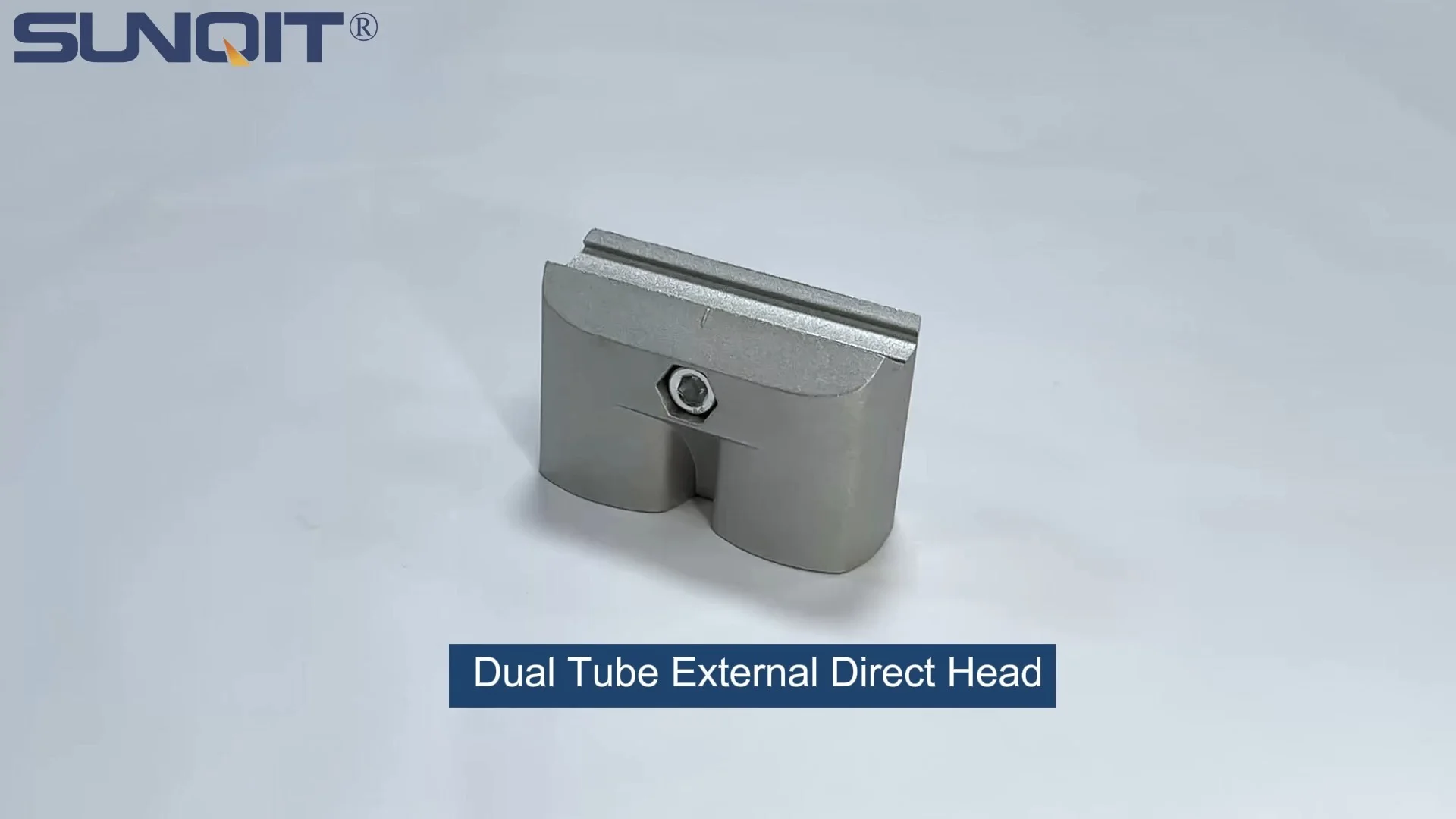
Walk into any modern manufacturing facility, warehouse, or assembly line today, and you'll likely notice a shift away from rigid, one-size-fits-all workstations and storage systems. Instead, there's a quiet revolution happening—one driven by modularity, flexibility, and adaptability. At the heart of this transformation lies the humble yet powerful aluminum pipe system, a backbone of lean manufacturing that's redefining how teams build, reconfigure, and optimize their workspace. And if aluminum lean pipes are the bones of this system, then the joints that connect them are the joints that give it life. Among these, the duplex aluminum pipe joint stands out as a testament to innovative engineering, solving age-old challenges of stability, speed, and versatility in ways that traditional connectors simply can't match.
In this article, we'll dive deep into the world of duplex aluminum pipe joints—exploring their design innovations, material advantages, and real-world impact. We'll uncover how these small but mighty components are not just connecting pipes, but connecting teams to more efficient, agile, and sustainable production processes. Whether you're a plant manager looking to cut downtime, a designer aiming to create adaptable workspaces, or simply curious about the tools shaping modern manufacturing, understanding the duplex aluminum pipe joint is key to grasping the future of modular industrial systems.
What Are Duplex Aluminum Pipe Joints, Anyway?
Before we jump into the innovations, let's start with the basics: What exactly is a duplex aluminum pipe joint? At its core, it's a specialized connector designed to link aluminum lean pipes—lightweight, durable tubes commonly used in building workbenches, flow racks, material carts, and production lines. But "duplex" isn't just a fancy label; it hints at the joint's defining feature: a dual-function design that balances strength and flexibility in a way single-connection joints can't.
Think of traditional pipe joints as one-trick ponies. Many rely on a single clamping point or a fixed angle, limiting how pipes can be arranged. A duplex joint, by contrast, typically features two distinct connection mechanisms—often a primary locking system for stability and a secondary rotational or adjustable component for flexibility. This dual setup lets users create both rigid, load-bearing structures (like heavy-duty workbenches) and dynamic, reconfigurable setups (like tilting material racks) with the same joint. It's the engineering equivalent of a Swiss Army knife for industrial assembly—one tool, multiple solutions.
But to truly appreciate the duplex joint, we need to understand the problem it's solving. In manufacturing, time is money, and downtime is the enemy. Traditional systems—welded steel frames, bolted wooden workbenches, or even basic plastic pipe joints—force teams into tradeoffs: either spend hours (or days) building a rigid structure that can't adapt, or sacrifice stability for quick assembly. The duplex aluminum pipe joint flips this script by offering both speed and strength, all while keeping the system lightweight and easy to modify. It's a small part, but it's changing the game for how teams build and rebuild their workspace.
Design Innovations: The Secret Sauce of Duplex Joints
So, what makes duplex aluminum pipe joints so innovative? Let's break down their key design features, each addressing a specific pain point in traditional joint design.
1. Dual-Connection Mechanism: Stability Meets Flexibility
The most obvious innovation is the "duplex" in the name: the dual-connection system. Unlike single-point joints that rely on friction or a single bolt, duplex joints often combine a fixed clamping mechanism with an adjustable pivot or sliding component. For example, one end might use a high-tension clamp that locks the pipe in place (ensuring no wobble under heavy loads), while the other end features a rotating collar that allows 180-degree movement (enabling angled connections for slopes or tilted racks).
Take, for instance, a common scenario: building a flow rack where materials need to glide from a high shelf to a workstation. With a traditional fixed joint, you'd need to cut pipes at precise angles and hope they align. With a duplex joint, the rotational component lets you (fine-tune) the angle on-site, no cutting required. Tighten the clamp to lock the slope in place, and you've got a smooth, gravity-fed flow—all in minutes, not hours.
This dual mechanism also addresses a critical issue: load distribution . Single-point joints concentrate stress at one spot, leading to bending or loosening over time. Duplex joints spread the load across two points, reducing wear and extending the life of both the joint and the pipes. It's like the difference between carrying a heavy box with one hand versus two—less strain, more stability, and fewer trips to the repair shop.
2. Material Engineering: Lightweight, Yet Built to Last
Aluminum itself is a star here, but duplex joints take material science a step further. Most are crafted from high-grade aluminum alloys (often 6061-T6, a workhorse in aerospace and industrial applications) known for their exceptional strength-to-weight ratio. This means the joints are light enough for a single worker to handle (no need for heavy lifting equipment) but tough enough to withstand the daily grind of a busy factory.
But it's not just about strength. Aluminum's natural resistance to corrosion is a game-changer for environments where moisture, chemicals, or humidity are factors—think food processing plants, electronics assembly lines, or outdoor warehouses. Unlike steel joints, which rust and degrade over time, duplex aluminum joints stay looking and performing like new, even after years of use. This reduces replacement costs and cuts down on maintenance, a win for both budgets and sustainability.
Some manufacturers take it a step further by adding a protective anodized coating to the joints. This thin, durable layer not only boosts corrosion resistance but also adds a scratch-proof finish, ensuring the joints hold up to bumps, scrapes, and the occasional dropped tool. It's a small detail, but it's the kind of thoughtfulness that separates innovative design from run-of-the-mill engineering.
3. Tool-Free (or Tool-Minimal) Assembly: Speed Without Sacrifice
If you've ever spent an afternoon fumbling with wrenches, bolts, or welding torches to build a simple shelf, you'll appreciate this next innovation: duplex aluminum pipe joints are designed for speed. Many models feature tool-free assembly, using lever-based clamps, twist locks, or push-button mechanisms that let workers connect pipes in seconds, not minutes.
Consider this: A traditional steel joint might require two people, a wrench, and 10 minutes to secure a single connection. A duplex aluminum joint? One person, no tools, and 30 seconds. Multiply that by a workstation with 20 connections, and you're looking at saving hours of labor—time that can be redirected to actual production. And when it's time to reconfigure? Just release the clamp, adjust the angle or length, and lock it back in. No disassembly, no waste, no downtime.
This ease of use also reduces the skill barrier. You don't need a trained welder or a master mechanic to build with duplex joints—just a quick demo, and even new team members can start assembling structures. It's empowerment through engineering, putting the ability to optimize the workspace directly into the hands of the people who use it every day.

Playing Well with Others: Compatibility with Aluminum Pipe Accessories
A great joint isn't just about connecting pipes—it's about connecting to a larger ecosystem of tools and accessories. Here, duplex aluminum pipe joints truly shine, thanks to their compatibility with a wide range of aluminum pipe accessories and aluminum profile accessories. This interoperability turns a basic pipe system into a fully customizable solution for almost any industrial need.
Take workbenches, for example. Pair a duplex joint with aluminum lean pipes, add a plywood or metal top, and you've got a sturdy workstation. Need to add storage? Attach shelf brackets (a common aluminum pipe accessory) using the same duplex joints—no extra hardware required. Want mobility? Screw on caster wheels (another staple accessory) to the base joints, and suddenly your fixed workbench becomes a movable cart. It's modularity at its finest: mix, match, and modify without being locked into a single design.
Even more specialized accessories play nice with duplex joints. Roller tracks, used for sliding materials along a production line, can be mounted directly to pipes via the joint's secondary connection points. LED light bars, power strips, or tool hooks? They attach using clamp-on accessories designed to fit the same pipe diameter the duplex joint uses. This consistency means you're not juggling multiple systems or proprietary parts—just one set of components that work together seamlessly.
This ecosystem approach is key to lean manufacturing, where reducing waste (including the waste of incompatible tools) is paramount. By designing duplex joints to work with standard aluminum pipe accessories, manufacturers ensure that teams can adapt their systems without buying new parts or starting from scratch. It's a "build once, use many ways" philosophy that saves money, reduces waste, and keeps operations agile.

Advantages Over Traditional Joints: A Side-by-Side Comparison
To really understand the impact of duplex aluminum pipe joints, let's put them head-to-head with two common alternatives: traditional steel welding joints and basic plastic snap-fit joints. The differences are striking, and they highlight why duplex joints are becoming the go-to choice for modern facilities.
| Feature | Traditional Steel Welding Joints | Basic Plastic Snap-Fit Joints | Duplex Aluminum Pipe Joints |
|---|---|---|---|
| Assembly Time | 30–60 minutes per joint (requires welding equipment and skilled labor) | 5–10 minutes per joint (tool-free but weak clamping force) | 30 seconds–2 minutes per joint (tool-free or minimal tools, no skill required) |
| Load Capacity | High (500+ kg per joint) | Low (50–100 kg per joint, prone to snapping under stress) | High (250–400 kg per joint, evenly distributed load) |
| Reconfigurability | None (permanently welded; must be cut and rebuilt to modify) | Moderate (can be disassembled but weakens after repeated use) | Excellent (unlimited reconfigurations without loss of strength) |
| Weight | Heavy (adds significant bulk to structures) | Light (but sacrifices durability) | Lightweight (30–50% lighter than steel, no durability tradeoff) |
| Corrosion Resistance | Poor (prone to rust; requires painting or coating) | Good (but degrades in extreme temperatures or UV exposure) | Excellent (aluminum alloy resists rust; anodized coating for extra protection) |
| Long-Term Cost | High (expensive initial labor; costly to modify or replace) | Medium (cheap upfront but needs frequent replacement) | Low (moderate upfront cost; minimal maintenance; reusable indefinitely) |
The table tells a clear story: duplex aluminum pipe joints offer the best of all worlds—speed, strength, flexibility, and cost-effectiveness. They outperform plastic joints in durability and steel joints in adaptability, making them the ideal choice for facilities that can't afford to choose between stability and agility.

Real-World Impact: How Duplex Joints Are Changing Workflows
Numbers and specs are one thing, but real change happens on the factory floor. Let's look at a hypothetical but realistic example of how duplex aluminum pipe joints transformed a small electronics manufacturer's operations.
Meet Acme Electronics, a mid-sized company producing circuit boards for consumer devices. A few years ago, Acme's assembly line relied on fixed steel workbenches and welded flow racks. When a new client required a different circuit board model, the team faced a problem: their current setup was too rigid. To retool, they'd need to dismantle the steel racks, cut new pipes, weld them into the new configuration, and repaint—costing 40+ labor hours and shutting down production for two full days. The math wasn't pretty: lost revenue from downtime, plus the cost of welders and materials, ate into the project's profit margin.
Fed up, Acme's plant manager researched modular systems and decided to switch to aluminum lean pipes with duplex joints. The first test? Rebuilding three workstations and a flow rack. The results shocked the team: what used to take two days now took four hours . A single technician, working alone, assembled the new setup using duplex joints—no welding, no cutting, just connecting pipes and accessories. When the next product change came (just three months later), the team reconfigured the line in two hours during a lunch break. No downtime, no lost production, no extra labor costs.
But the benefits didn't stop there. The lighter aluminum system reduced the strain on workers who had to move materials (fewer back injuries, lower workers' comp claims). The corrosion-resistant joints meant the racks stayed looking new, even in the humid, solder-fume-filled environment of the electronics shop. And because the system was so easy to modify, line workers started suggesting their own improvements—adding extra shelves, tilting work surfaces, or attaching tool hooks—making the workspace more efficient and ergonomic.
Acme's story isn't unique. From automotive plants to food packaging facilities, duplex aluminum pipe joints are proving that small innovations can lead to big gains in productivity, safety, and employee satisfaction.
The Future of Duplex Aluminum Pipe Joints: What's Next?
As manufacturing continues to evolve—driven by trends like automation, sustainability, and mass customization—so too will the tools that power it. Duplex aluminum pipe joints are no exception, and we're already seeing exciting innovations on the horizon.
One area of growth is smart integration. Imagine joints embedded with tiny sensors that monitor load stress, temperature, or vibration. If a workbench is carrying more weight than it should, the sensor could send an alert to a manager's phone, preventing a collapse. Or, in a cold-storage facility, temperature sensors in joints could track if insulation is failing, saving energy and protecting perishable goods. This "smart joint" technology would turn passive structures into active, data-generating assets—another step toward the factory of the future.
Sustainability is also driving design. Manufacturers are experimenting with recycled aluminum alloys for joint production, cutting down on raw material use and carbon footprints. Some are even exploring biodegradable or plant-based coatings for the joints, reducing reliance on synthetic chemicals. As companies aim for net-zero goals, the eco-friendly credentials of aluminum systems (recyclable, energy-efficient to produce) will only become more valuable.
Finally, 3D printing could open new doors for customization. While standard duplex joints work for 90% of applications, some industries need unique angles or load capacities. 3D-printed joint components, made from aluminum or high-strength composites, could allow for on-demand, custom designs without the cost of mass production. This would make the duplex system even more adaptable, catering to niche needs in aerospace, medical device manufacturing, or other specialized fields.
Conclusion: Small Joints, Big Impact
In the grand scheme of manufacturing, duplex aluminum pipe joints might seem like small potatoes. They're not flashy robots or cutting-edge AI systems—just simple connectors. But as we've explored, their impact is anything but small. By solving the twin challenges of strength and flexibility, they're enabling a new era of lean, adaptable, and human-centered industrial design.
These joints are more than tools; they're enablers. They enable teams to respond quickly to changing market demands, to build workspaces that grow with their needs, and to reduce waste in all its forms—time, labor, materials, and energy. They're a reminder that innovation doesn't always come from the most complex technologies; sometimes, it's about reimagining the basics and asking, "How can this work better?"
So the next time you walk through a factory or warehouse, take a closer look at those aluminum pipe systems. The joints connecting them might be small, but they're hard at work—quietly revolutionizing how we make, build, and create. And that, in the end, is the true power of innovative design: making the complex simple, the rigid flexible, and the impossible possible.