- Company Articles
- Products and Technology
- Product knowledge
- Innovative Designs in 3030 Aluminum Profile End Caps: 2025 Updates

Innovative Designs in 3030 Aluminum Profile End Caps: 2025 Updates
Related Product
3030 Aluminum Profile End Cap
The aluminum profile end cap adds a finishing touch to your project and closes off profile ends to limit dust and debris buildup, also it can avaid some scratch for material and labor during the assemble work.
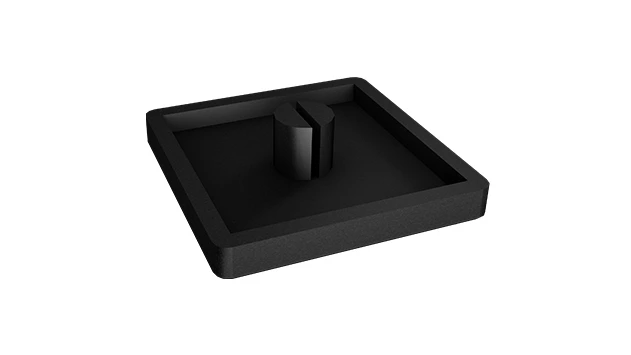
Walk into any modern manufacturing facility, and you'll likely be surrounded by the clean lines of aluminum profiles—supporting workbenches, material racks, and lean system setups that keep operations humming. These structures are the backbone of efficiency, but what often goes unnoticed are the small, unassuming components that make them safer, more durable, and even more functional: end caps. Specifically, for the widely used 3030 aluminum profile, 2025 has brought a wave of innovations that are quietly revolutionizing how we think about these tiny but critical aluminum profile accessories. Let's dive into the updates, why they matter, and how they're reshaping everything from factory floors to design studios.
Why 3030 Aluminum Profile End Caps Deserve the Spotlight
Before we jump into the 2025 updates, let's take a moment to appreciate why end caps are more than just "add-ons." Imagine a busy workshop where employees rush to meet production deadlines. A sharp, unfinished edge on an aluminum profile could catch a sleeve, scratch a product, or even cause a painful cut. That's where end caps step in—they seal the open ends of profiles, turning potential hazards into smooth, safe surfaces. But their role doesn't stop at safety. They also protect internal channels from dust, debris, and moisture, extending the life of the aluminum profile itself. And let's not forget aesthetics: a clean, capped end gives structures a polished, professional look, whether they're part of a high-tech lab workbench or a warehouse lean system.
For years, end caps were seen as a "good enough" component—basic, functional, but rarely prioritized for innovation. But as manufacturers and designers push for greater efficiency, sustainability, and user-centric design, even the smallest parts are getting a makeover. Enter the 2025 3030 aluminum profile end cap: smarter, stronger, and more in tune with the needs of today's workplaces.
From Basic to Brilliant: The Evolution of 3030 End Caps
To understand just how far we've come, let's rewind to 2024 and earlier. Most 3030 aluminum profile end caps were simple plastic plugs—one-size-fits-most, with a basic snap-on design. They did the job of covering ends but often fell short in key areas: they'd loosen over time, crack under impact, or lack compatibility with specialized profiles. Installation was hit-or-miss too; some required tools, others were so tight they'd bend during fitting. Sustainability? Hardly a consideration—most were made from virgin plastics, with little thought to recyclability.
Fast forward to 2025, and the landscape has shifted dramatically. Driven by feedback from factory managers, safety officers, and designers, manufacturers have reimagined the end cap from the ground up. The result? A component that doesn't just "cover" but enhances the aluminum profile experience. Let's break down the key innovations.

2025 Innovations: What's New in 3030 Aluminum Profile End Caps?
1. Material Makeover: Stronger, Lighter, Greener
Gone are the days of flimsy plastic end caps. The 2025 models boast a hybrid material blend that's turning heads: a mix of recycled polypropylene (rPP) and glass fiber reinforcement. This combo delivers a 30% increase in impact resistance compared to 2024 versions—meaning they can withstand accidental bumps from tools or heavy materials without cracking. Even better, the addition of glass fiber reduces weight by 15%, making handling and installation easier for workers. And yes, sustainability is front and center: using rPP cuts down on virgin plastic use, and the material is fully recyclable at the end of its life. For companies aiming to shrink their carbon footprint, this is a small change with big green benefits.
2. Edge Design: Safety Meets Ergonomics
Safety is non-negotiable, and the 2025 end caps take it to the next level with a "softer edge" design. Traditional end caps had a sharp, 90-degree lip where they met the profile; the new models feature a rounded, 2mm beveled edge that feels smooth to the touch. This might sound minor, but ask any assembly line worker who's brushed against a profile end cap—less friction means fewer scrapes and a more comfortable workflow. Some manufacturers have even added a textured grip pattern to the top surface, preventing slips when end caps are used on horizontal surfaces (think: the edges of workbenches where tools are placed). It's a small detail, but it's the kind of user-focused design that makes daily tasks just a little easier.
3. Snap-Fit 2.0: Tool-Free, Foolproof Installation
Remember the frustration of wrestling with end caps that either wouldn't stay on or required a screwdriver to install? 2025 solves that with an upgraded "snap-fit 2.0" mechanism. The new end caps feature flexible, reinforced tabs that lock into the profile's internal T-slot channels with a satisfying "click"—no tools needed. What's clever is the adjustable tension: the tabs can be slightly bent (by hand!) to fit profiles with minor size variations, ensuring a snug fit every time. And if you need to remove them for maintenance (say, to clean out debris from the profile), a small notch on the side lets you pry them off gently without damaging the cap or the profile. Install time? Cut in half, from an average of 30 seconds per cap to just 15. For a factory with hundreds of profiles, that adds up to hours saved annually.
4. Compatibility: One Cap, Multiple Profiles
Aluminum profiles aren't one-size-fits-all. There are standard 3030 profiles, heavy-duty versions with thicker walls, and specialty profiles with extra T-slots for accessories. In the past, this meant stocking multiple end cap sizes—a logistical headache for suppliers and a cost burden for buyers. The 2025 3030 end cap changes that with a "modular core" design. At its base, it fits standard 3030 profiles, but snap-on adapters (sold separately) let it expand to fit heavy-duty and specialty 3030 variants. This not only reduces inventory costs but also makes on-site repairs faster: one cap, endless possibilities. It's a game-changer for lean system setups, where flexibility and adaptability are key.
5. Smart Branding and Identification
Here's a feature that design and operations teams are raving about: integrated labeling slots. The top surface of the 2025 end cap includes a tiny, recessed slot where a paper or plastic label can be inserted. Why does this matter? In large facilities, profiles are often part of different systems—think: "Assembly Line A" vs. "Quality Control Zone." With labeled end caps, workers can quickly identify which profiles belong to which system, reducing mix-ups and streamlining troubleshooting. Some manufacturers even offer custom color options (beyond the standard gray or black) to color-code profiles by function. It's a small touch, but it turns a utilitarian component into a communication tool.

By the Numbers: 2024 vs. 2025 End Caps
| Feature | 2024 and Earlier Models | 2025 Updated Models |
|---|---|---|
| Material | Virgin plastic (PP or PE) | Recycled polypropylene (rPP) + glass fiber reinforcement |
| Impact Resistance | Prone to cracking under heavy impact | 30% higher impact resistance; withstands drops from 5ft onto concrete |
| Installation Time | ~30 seconds per cap (often requiring tools) | ~15 seconds per cap (tool-free snap-fit) |
| Compatibility | Limited to standard 3030 profiles | Standard 3030, plus heavy-duty/specialty via adapters |
| Sustainability | Non-recyclable; 100% virgin materials | 80% recycled content; fully recyclable at end-of-life |
| Safety Features | Basic 90-degree edge; no grip texture | 2mm beveled edge; textured grip surface |
(Note: Table may scroll horizontally on mobile devices)
Beyond the Factory: Where 2025 End Caps Shine
It's easy to assume end caps are only for industrial settings, but their impact stretches far beyond factory walls. Let's take a look at a few key areas where the 2025 updates are making a difference:
Workbenches: Comfort and Safety First
Workbenches are the heart of any workshop, and 3030 aluminum profiles are a popular choice for their sturdiness and flexibility. The 2025 end caps elevate the workbench experience by turning sharp edges into smooth, comfortable surfaces. Imagine a technician spending hours assembling electronics on a workbench—with the new beveled edges, their forearms won't get sore from resting against the profile ends. And the textured grip? It keeps tools from sliding off the bench during use. For ergonomic-focused workplaces, this isn't just an upgrade—it's a must-have.
Lean Systems: Efficiency in Every Detail
Lean systems thrive on minimizing waste and maximizing flow, and the 2025 end caps align perfectly with this philosophy. Their quick installation cuts down on setup time for new lean structures, while their compatibility with multiple profiles reduces the need for excess inventory. The labeling slots also help maintain "5S" principles (sort, set in order, shine, standardize, sustain) by keeping profiles clearly identified. In short, these end caps don't just support lean systems—they embody lean thinking.
Retail and Display: Aesthetic Appeal
Aluminum profiles aren't just for factories; they're increasingly used in retail displays, trade show booths, and pop-up shops for their sleek, modern look. The 2025 end caps, with their clean design and custom color options, enhance these displays by eliminating unsightly gaps or rough edges. A clothing retailer using 3030 profiles for a rack system, for example, can opt for white end caps to match their brand colors, creating a cohesive, professional look that draws customers in.
Looking Ahead: What's Next for Aluminum Profile Accessories?
The 2025 updates to 3030 aluminum profile end caps are just the beginning. Manufacturers are already teasing future innovations, like end caps with built-in RFID tags for asset tracking or antimicrobial coatings for healthcare settings. As aluminum profiles continue to evolve—becoming lighter, stronger, and more specialized—we can expect end caps (and other aluminum profile accessories) to follow suit, becoming smarter, more sustainable, and more integrated into the systems they support.
But for now, the 2025 models are setting a new standard. They remind us that innovation isn't just about big, flashy technologies—it's about paying attention to the small components that make the big systems work. After all, in the world of manufacturing, design, and beyond, the details matter. And when it comes to 3030 aluminum profiles, the 2025 end caps are proof that even the smallest details can make the biggest impact.
Final Thoughts: Why the 2025 3030 End Cap Matters
At the end of the day, the 2025 3030 aluminum profile end cap is more than a plug for a hole. It's a testament to how listening to users, prioritizing safety, and embracing sustainability can transform even the most component. Whether you're a factory manager looking to boost efficiency, a designer aiming for a polished aesthetic, or a sustainability coordinator cutting down on waste, these end caps deliver. They're a reminder that great systems are built from great parts—and sometimes, the best parts are the ones you didn't notice… until they made everything better.
So the next time you walk through a facility with aluminum profiles, take a second look at those end caps. Chances are, if they're 2025 models, they're working harder than you think—keeping workers safe, systems running smoothly, and the planet a little greener. And that, in a nutshell, is innovation in action.