- Company Articles
- Products and Technology
- Product knowledge
- Integrating 60 Steel Roller Track Small Wheels into Conveyor Systems

Integrating 60 Steel Roller Track Small Wheels into Conveyor Systems
Related Product
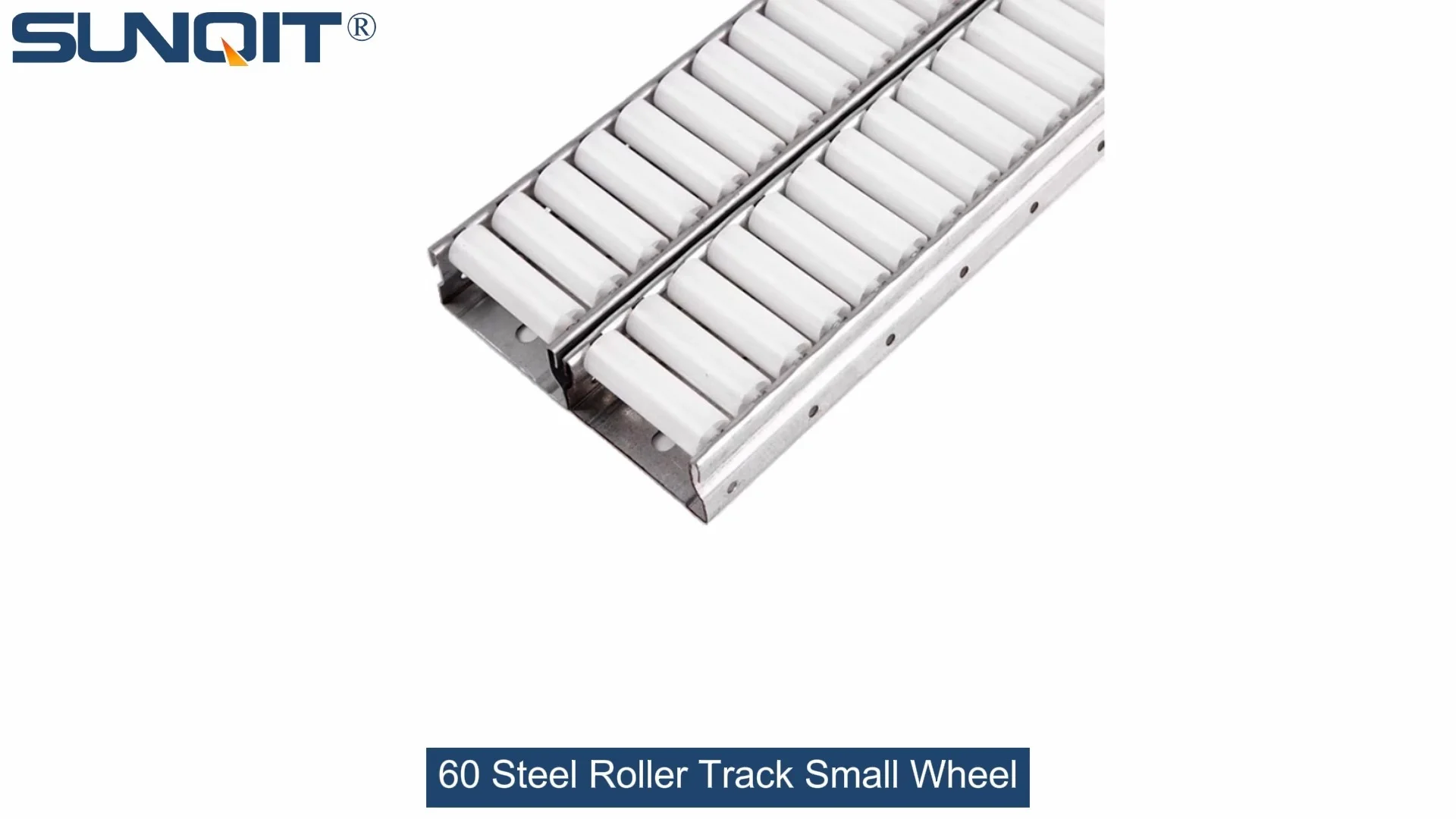
60 Steel Roller Track Small Wheel
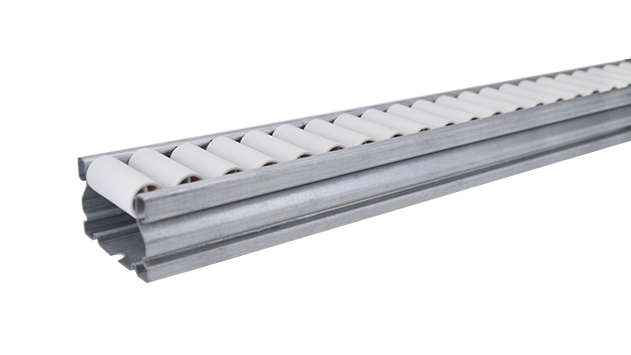
Modular system roller tracks aluminum gravity roller tracks are an excellent solution for transporting materials within industrial environments, warehouses and distribution centres.
Introduction: The Backbone of Modern Material Handling
In today's fast-paced manufacturing world, moving parts and products efficiently from one station to another isn't just a convenience—it's a make-or-break factor for productivity. Conveyor systems are the unsung heroes here, but their performance hinges on every tiny component, right down to the wheels that make the movement possible. Among these components, 60 steel roller track small wheels stand out for their reliability, versatility, and ability to handle the demands of high-volume operations. Whether you're setting up a new line for 3C assembly or optimizing an existing warehouse logistics flow, integrating these wheels into your conveyor systems can unlock significant improvements in speed, efficiency, and cost-effectiveness.
These small wheels are more than just a part of the conveyor—they're a key to building a system that adapts to your needs. Their compact size makes them ideal for tight spaces, while their steel construction ensures they can withstand the wear and tear of daily use. From connecting flow racks to lean pipe workbenches, these wheels play a critical role in creating a seamless material handling flow that supports lean manufacturing principles.
Understanding60 Steel Roller Track Small Wheels
60 steel roller track small wheels are designed for precision and durability. Made from high-quality steel, they offer a long lifespan and resistance to wear, even in high-traffic environments. Their small diameter (typically around 60mm) makes them perfect for applications where space is limited, like 3C assembly lines or compact warehouse storage areas.
Key features of these wheels include: - Smooth rolling action: The bearings inside the wheels reduce friction, allowing parts to flow easily without jams. - Compatibility: They work with a wide range of roller track systems, including aluminum profiles and plastic guide rails. - Load capacity: Each wheel can handle up to 5 kg of weight, making them suitable for lighter loads like electronic components or small parts. - Easy replacement: If a wheel wears out, it can be quickly replaced without disrupting the entire system.
These features make 60 steel roller track small wheels a popular choice for manufacturers looking to improve their material handling processes. Whether you're dealing with small electronic parts or larger warehouse items, these wheels can help you create a system that's efficient, reliable, and easy to maintain.
Key Components to Pair with 60 Steel Roller Track Small Wheels
To get the most out of your 60 steel roller track small wheels, you need to pair them with the right components. Here's a breakdown of the essential parts and their roles in creating a seamless conveyor system:
| Component | Role in the System | Why It Works with 60 Steel Small Wheels |
|---|---|---|
| Aluminum Profile Frames | Provide a lightweight, sturdy base for mounting roller tracks. | Aluminum profiles are modular and easy to assemble, matching the flexibility of the 60 steel wheels. They also resist corrosion, ensuring long-term stability. |
| Roller Track Connectors | Join roller track sections to ensure alignment and smooth flow. | These connectors fit precisely with the 60 steel wheels, eliminating gaps that could cause jams or slow movement. |
| Flow Rack | Gravity-fed storage system for parts, connecting to conveyors. | The small wheels enable smooth gravity flow, reducing manual effort and speeding up part retrieval. |
| Lean Pipe Workbench | Assembly station where parts are processed. | Conveyors with 60 steel wheels deliver parts directly to the workbench, cutting down on worker movement and increasing efficiency. |
| Caster Wheels | Add mobility to conveyor frames for easy reconfiguration. | Mobile conveyors with 60 steel wheels adapt quickly to changing production layouts, supporting lean flexibility. |

Step-by-Step Integration Process
1. Assess Your Needs
Before you start, clearly define your requirements. Ask yourself: - What type of parts will you be moving? (Size, weight, shape) - How fast do parts need to flow? (Speed requirements) - What's the available space for the conveyor system? (Length, width, height) - Do you need the system to be mobile or fixed?
For example, if you're in 3C assembly, you'll likely be moving small, lightweight parts—so the 60 steel wheels are a perfect fit. If you're in warehouse logistics, you might need to handle larger boxes, so you'll need to ensure the total load capacity of the conveyor meets your needs.
2. select the Right Components
Based on your needs, choose the components: - Roller tracks with60 steel small wheels: select the length and type (straight, curved) that fits your space. - Aluminum profiles: Pick the size (like 2020 or3030) that can support your load. - Roller track connectors: Ensure they're compatible with your roller tracks and aluminum profiles. - Caster wheels: If mobile, choose casters that can support the total weight of the system plus parts.
It's important to buy components from a reliable supplier to ensure quality and compatibility. Look for suppliers that offer lean pipe and accessories, as they'll have the expertise to help you choose the right parts.
3. Assemble the System
Once you have all the components, start assembling: - Build the frame: Use aluminum profile connectors to construct the base of the conveyor. Ensure it's level and stable. - Mount the roller tracks: Attach the roller tracks (with60 steel wheels) to the frame using screws or brackets. Make sure each section is aligned properly—use a level to check. - Join sections: Use roller track connectors to link different sections of the conveyor. Check for gaps between sections—if there's a gap, adjust the connectors until it's smooth. - Add casters: If the system is mobile, attach caster wheels to the bottom of the frame. Ensure they're locked in place when not moving.
Take your time during assembly—proper alignment is key to ensuring the system works smoothly. If you're unsure about any step, consult the supplier's instructions or reach out to their support team.
4. Test the System
Before putting the system into full use, run a series of tests: - Load test: Place parts of varying weights on the conveyor and see how they flow. Check for any jams or slow movement. - Alignment test: Ensure parts move straight without shifting to one side. - Mobility test (if applicable): Move the conveyor to different locations and check if it's stable and easy to maneuver.
Make adjustments as needed. For example, if parts are moving too slowly, you can increase the angle of the flow rack. If there's a jam, check the alignment of the roller tracks or tighten the connectors.
5. Optimize for Lean Efficiency
Once the system is working, look for ways to improve it. Lean manufacturing is about continuous improvement, so don't be afraid to make small changes. For example: - Add more sections to connect to another workbench. - Adjust the position of the flow rack to reduce the distance parts travel. - replace worn wheels to keep the system running smoothly.
By continuously optimizing your system, you can ensure it stays efficient and meets your changing needs.
Real-World Applications
Example1:3C Assembly Line
A leading smartphone manufacturer wanted to reduce the time spent on part retrieval in their assembly line. They integrated60 steel roller track small wheels into their conveyor systems, connecting flow racks (for part storage) to lean pipe workbenches. The result? Parts flowed directly to the workers, cutting down on walking time by30%. The small wheels also allowed for tight turns in the conveyor line, fitting into the limited space of the assembly floor. Additionally, the system's flexibility made it easy to adapt to new smartphone models, reducing the time to reconfigure the line by40%.
Example2: Warehouse Logistics
A large logistics company needed to improve their order picking process. They installed flow racks with60 steel small wheels, connected to conveyors that sent products to the packing station. The gravity-fed flow racks eliminated the need for workers to lift heavy boxes, reducing physical strain and increasing picking speed by25%. The durability of the steel wheels meant maintenance costs dropped by15% compared to their previous plastic wheel system. The company also reported a10% reduction in order fulfillment time, leading to higher customer satisfaction.
These examples show how integrating60 steel roller track small wheels can deliver tangible results for businesses in different industries. Whether you're in manufacturing or logistics, this solution can help you improve efficiency and reduce costs.
Lean Solution Perspective
Integrating60 steel roller track small wheels into your conveyor systems aligns perfectly with lean manufacturing principles. Here's how:
1. **Waste Reduction**: Lean focuses on eliminating waste, and this system reduces two key types: motion waste (workers don't have to walk to get parts) and waiting waste (parts are always available when needed). By connecting flow racks to conveyors and workbenches, you ensure parts flow seamlessly, cutting down on unnecessary steps.
2. **Flexibility**: The modular design of the system allows you to adapt quickly to changing needs. If you need to add a new product line, you can easily reconfigure the conveyor by adding or removing sections. This flexibility means you don't have to invest in a new system every time your business changes.
3. **Continuous Improvement**: The system's design encourages small, incremental changes. You can test different configurations (like adjusting the angle of the flow rack) and see their impact, allowing you to continuously improve your process.
4. **Sustainability**: The components are reusable and durable. If you no longer need a section of the conveyor, you can take it apart and repurpose the wheels and frames for another system. This reduces waste and aligns with the sustainable improvement principle of lean.
By choosing this solution, you're not just improving your current processes—you're building a foundation for long-term success.
Maintenance & Longevity
A well-maintained system with60 steel roller track small wheels can last for years. Here are detailed tips to keep it running smoothly:
1. **Regular Cleaning**: Dust and debris can accumulate on the wheels, increasing friction. Clean the roller tracks weekly with a soft brush or microfiber cloth. For heavy use, clean every2-3 days. Use compressed air to blow dust out of wheel bearings.
2. **Lubrication**: Apply a silicone-based lubricant to wheel bearings every month. Avoid oil-based lubricants (they attract dust). For humid environments, lubricate every two weeks to prevent rust.
3. **Wear Inspection**: Check wheels monthly for flat spots, rust, or looseness. replace worn wheels immediately. For rust, sand it off and apply a rust-resistant coating.
4. **Tighten Connections**: Vibration can loosen bolts. Check all connectors (aluminum profile, roller track, casters) monthly and tighten as needed.
5. **Load Adherence**: Never exceed the recommended load capacity (5 kg per wheel). Overloading can damage wheels or frames.
6. **Proper Storage**: Store spare components in a dry, cool place to prevent rust and dust accumulation.
By following these tips, you can extend the lifespan of your system and ensure it continues to operate efficiently.
Conclusion
Integrating60 steel roller track small wheels into your conveyor systems is a smart investment for any business looking to improve efficiency, reduce waste, and align with lean principles. These wheels offer durability, flexibility, and smooth performance, making them ideal for a wide range of applications—from3C assembly to warehouse logistics.
By pairing them with the right components (like aluminum profiles, flow racks, and lean pipe workbenches), you can create a system that adapts to your needs and delivers long-term value. With regular maintenance, this system will last for years, providing a high return on investment.
If you're ready to transform your material handling processes, consider integrating60 steel roller track small wheels into your conveyor systems. It's a solution that will help you stay competitive in today's fast-paced manufacturing world.