- Company Articles
- Products and Technology
- Solution
- Integrating All Direction Roller Track with Flow Racks for FIFO Systems

Integrating All Direction Roller Track with Flow Racks for FIFO Systems
Related Product
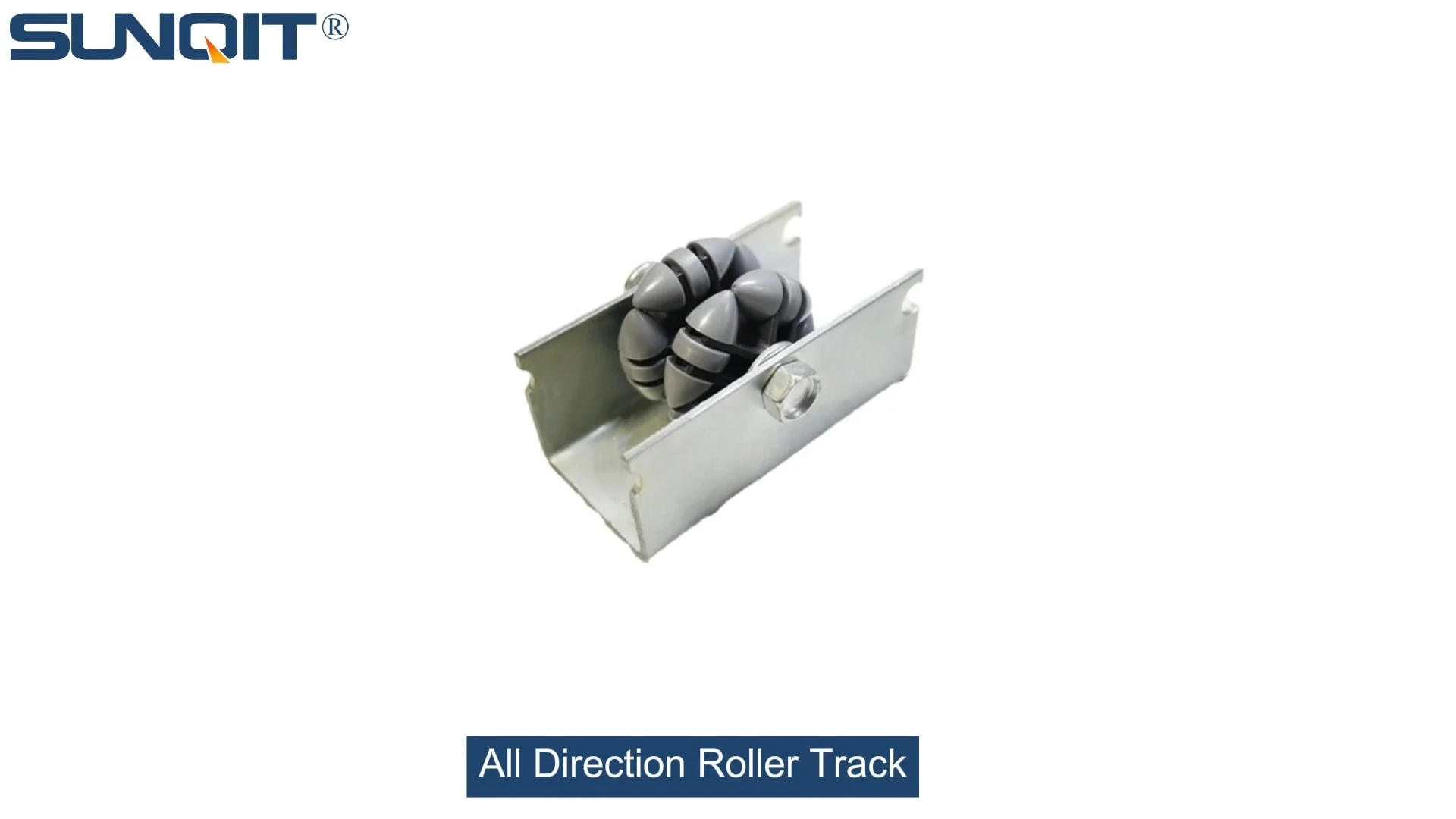
All Direction Roller Track
All direction roller track made of steel frame and multiple direction move wheel which will make boxes are always in contact with the rollers, reducing jams and enhancing flow reliability.
Walk into any high-performing manufacturing facility today, and you'll notice something fundamental: how materials move. It's not just about speed—it's about rhythm, accuracy, and trust. When components glide from storage to assembly line without delays or errors, everything clicks. This is where FIFO (First-In-First-Out) systems become the unsung heroes of efficient production. And when you pair all direction roller tracks with flow racks ? You're not just improving processes—you're building a foundation for manufacturing excellence that adapts, grows, and delivers consistent results, day in and day out.
Why FIFO Matters More Than You Think
Let's start with the basics: FIFO isn't just an inventory buzzword. It's the backbone of quality control, especially in industries where precision can't be compromised. Imagine a production line where the oldest batch of circuit boards sits at the back of a shelf, gathering dust, while newer ones get used first. By the time that old batch reaches assembly, components might have degraded, adhesives could weaken, or specs might even have changed. The result? Wasted materials, rework, and frustrated teams.
In medical device manufacturing, FIFO is even more critical. Sterile components have expiration dates, and using an older batch first isn't just efficient—it's a regulatory requirement. The same goes for automotive parts, where mismatched batches can lead to compatibility issues down the line. FIFO ensures that every part, every component, and every material is used in the order it arrives, keeping production on track and products reliable.
But here's the catch: traditional FIFO systems often fall short. Static shelving requires manual sorting. Basic conveyors lock you into fixed paths. And when production needs change—like shifting from small-batch to mass production—these systems become bottlenecks. That's where the magic of combining all direction roller tracks with flow racks comes in.
The Dynamic Duo: All Direction Roller Track Meets Flow Rack
Let's break down why this pairing works so well. First, flow racks are the workhorses of smart storage. They use gravity to move materials forward—load from the back, unload from the front—so the first item in is always the first one out. No more digging through shelves or guessing which box to open. They save space, reduce manual labor, and keep inventory visible at a glance.
Then there's the all direction roller track —the flexible connector that turns flow racks from static storage into a dynamic part of your production ecosystem. Unlike fixed conveyors that only move in straight lines, these tracks let materials glide in any direction: left, right, forward, backward, even diagonally. Picture a grid of smooth-rolling balls or rollers that adapt to the shape and weight of whatever you're moving—from small electronic components to heavy metal brackets.
Together, they create a system where materials flow like water: from flow rack storage, onto the roller track, and directly to the workstation—no detours, no manual lifting, no wasted steps. Let's put this into perspective with a real-world example:
A consumer electronics plant producing smartwatches needs to move delicate circuit boards from the warehouse to the assembly line. The boards come in small trays, each weighing about 5kg. With a traditional setup, workers might carry trays from shelves to workbenches—a slow, error-prone process that risks damaging components. With a flow rack feeding into an all direction roller track, the trays slide forward automatically in FIFO order, then glide smoothly across the track to the exact assembly station (think lean pipe workbench ) where they're needed. No lifting, no waiting, no mistakes. That's efficiency you can see—and measure.

By the Numbers: Why This Integration Beats Traditional Systems
Don't just take our word for it. Let's compare the old way and the new way side by side. The table below shows how a mid-sized 3C manufacturing plant improved after switching to all direction roller tracks paired with flow racks:
| Metric | Traditional Conveyor + Static Shelving | All Direction Roller Track + Flow Rack | Improvement |
|---|---|---|---|
| Material Handling Time per Batch | 22 minutes | 8 minutes | 64% faster |
| Manual Labor Required | 3 workers per line | 1 worker per 2 lines | 75% reduction |
| Space Utilization | 120 sq.m per storage zone | 75 sq.m per storage zone | 37.5% more space saved |
| Error Rate (Wrong Batch Picked) | 4.2% | 0.8% | 81% fewer errors |
| Setup Time for New Product Runs | 8 hours | 1.5 hours | 81% faster changeovers |
The numbers speak for themselves, but the real win is how these improvements translate to everyday work. Workers spend less time moving materials and more time adding value—like inspecting products or optimizing workflows. Maintenance teams deal with fewer breakdowns because there are fewer moving parts than traditional conveyors. And managers sleep better knowing batches are processed in order, reducing the risk of costly recalls.

Real-World Wins: Industries Thriving with This Integration
This system isn't just for electronics plants. Let's dive into how different industries are using it to solve unique challenges:
1. Medical Device Manufacturing: Precision in Every Movement
In medical device production, even the smallest mistake can have life-or-death consequences. Sterile components, strict batch tracking, and cleanroom requirements make material handling a high-stakes task. One medical equipment manufacturer we worked with was struggling with contamination risks from manual tray handling. After installing flow racks with plastic roller track guide rails (to avoid metal-on-metal friction that could generate particles), they saw a 92% reduction in contamination incidents. The all direction tracks let trays glide into ISO 8 cleanrooms without human contact, and FIFO ensured expired components were never used—critical for compliance with FDA regulations.
2. Automotive Parts: Heavy-Duty, Light on Hassle
Automotive plants move heavy parts—think engine blocks, transmission housings, or door panels—all day long. Traditional conveyors are rigid; if a line needs reconfiguring for a new model, you're looking at weeks of downtime and expensive modifications. A leading auto parts supplier switched to aluminum roller tracks (durable, lightweight, and easy to reposition) paired with flow racks. Now, when they need to adjust the production line for a new SUV model, workers can disassemble and reassemble the tracks in hours, not weeks. And because the flow racks handle the weight (up to 500kg per shelf), there's no risk of sagging or jamming—even with daily use.
3. E-Commerce Fulfillment: Speed That Keeps Up with Demand
E-commerce warehouses live and die by order fulfillment speed. During peak seasons, every second counts. One regional logistics hub was struggling with bottlenecks in their "pick and pack" area—workers were running back and forth between shelves and packing stations, wasting precious time. They installed flow racks for popular items (like phone cases, chargers, and small electronics) and connected them to all direction roller tracks leading straight to packing benches. Now, when an order comes in, the required items roll down the flow rack, onto the track, and right to the packer—no running, no searching. During Black Friday last year, they increased order throughput by 35% without adding extra staff.

Setting It Up: Simpler Than You Think
You might be thinking, "This sounds great, but installing a new system must be complicated." The truth? Thanks to modular design, it's surprisingly straightforward—even for teams without specialized engineering skills. Here's how it typically works:
Start with a layout audit: A consultant visits your facility to map workflows, measure spaces, and identify pain points (like bottlenecks or wasted movement).
Design the system: Using 3D modeling, they'll create a custom layout that integrates flow racks (sized for your materials) and roller tracks (routed to connect storage, workstations, and shipping/receiving).
Assemble on-site: Most components—like
roller track connectors
,
aluminum guide rails
, and flow rack shelves—are prefabricated. A small team can assemble them with basic tools (think wrenches and Allen keys) in days, not weeks.
Test and tweak: Run trial batches to ensure everything flows smoothly, then make minor adjustments (like adjusting track height or adding guide rails) to optimize performance.
Maintenance is just as easy. Unlike traditional conveyors with complex motors and belts, roller tracks and flow racks have minimal moving parts. A quick weekly check—wipe down tracks to remove dust, tighten loose connectors, replace worn swivel roller balls (if needed)—is usually all it takes. And because components are standardized, replacement parts are easy to order and swap out, so downtime is kept to a minimum.
Beyond the Basics: Custom Solutions for Your Unique Needs
Every manufacturing facility is different. What works for a medical device plant might not work for a toy factory. That's where lean solutions come into play—tailored systems designed around your specific challenges, not a one-size-fits-all approach. For example:
ESD protection:
In electronics manufacturing, static electricity can fry sensitive components. We can integrate
ESD workbenches
and conductive roller tracks to safely ground static, protecting your products from damage.
Heavy-load handling:
If you're moving steel pipes or industrial machinery, we'll use reinforced
stainless steel roller tracks
and high-capacity flow racks with reinforced joints.
Space constraints:
For small facilities, we can design vertical flow racks (to use height instead of floor space) and compact roller track grids that snake around existing equipment.
One client in the 3C industry (producing laptop chargers) had a unique problem: their workshop was long and narrow, with limited floor space. Traditional conveyors would have blocked walkways, but we designed a "zig-zag" roller track system that weaved between workstations, connecting flow racks at the back to assembly lines up front. The result? They added 2 more production lines without expanding their facility.
The Bottom Line: It's About More Than Moving Materials
At the end of the day, integrating all direction roller tracks with flow racks isn't just about moving materials faster. It's about building a manufacturing environment that's resilient, adaptable, and people-centric. When workers don't have to waste energy lifting heavy boxes or searching for parts, they can focus on what they do best: creating high-quality products. When managers have systems that adapt to new products, market demands, or regulatory changes, they can stay ahead of the competition.
In a world where manufacturing is getting smarter, faster, and more competitive, FIFO systems powered by all direction roller tracks and flow racks aren't just an upgrade—they're a necessity. They're the quiet revolution that turns chaos into order, waste into efficiency, and good factories into great ones.
Ready to see what this integration can do for your facility? Start small—maybe a single flow rack connected to a roller track in your busiest workstation. Measure the difference in time, errors, and worker satisfaction. Chances are, you'll wonder how you ever managed without it.