- Company Articles
- Products and Technology
- Product knowledge
- Internal Straight Aluminum Joint Coating: Anodized vs. Powder-Coated Finish

Internal Straight Aluminum Joint Coating: Anodized vs. Powder-Coated Finish
Related Product
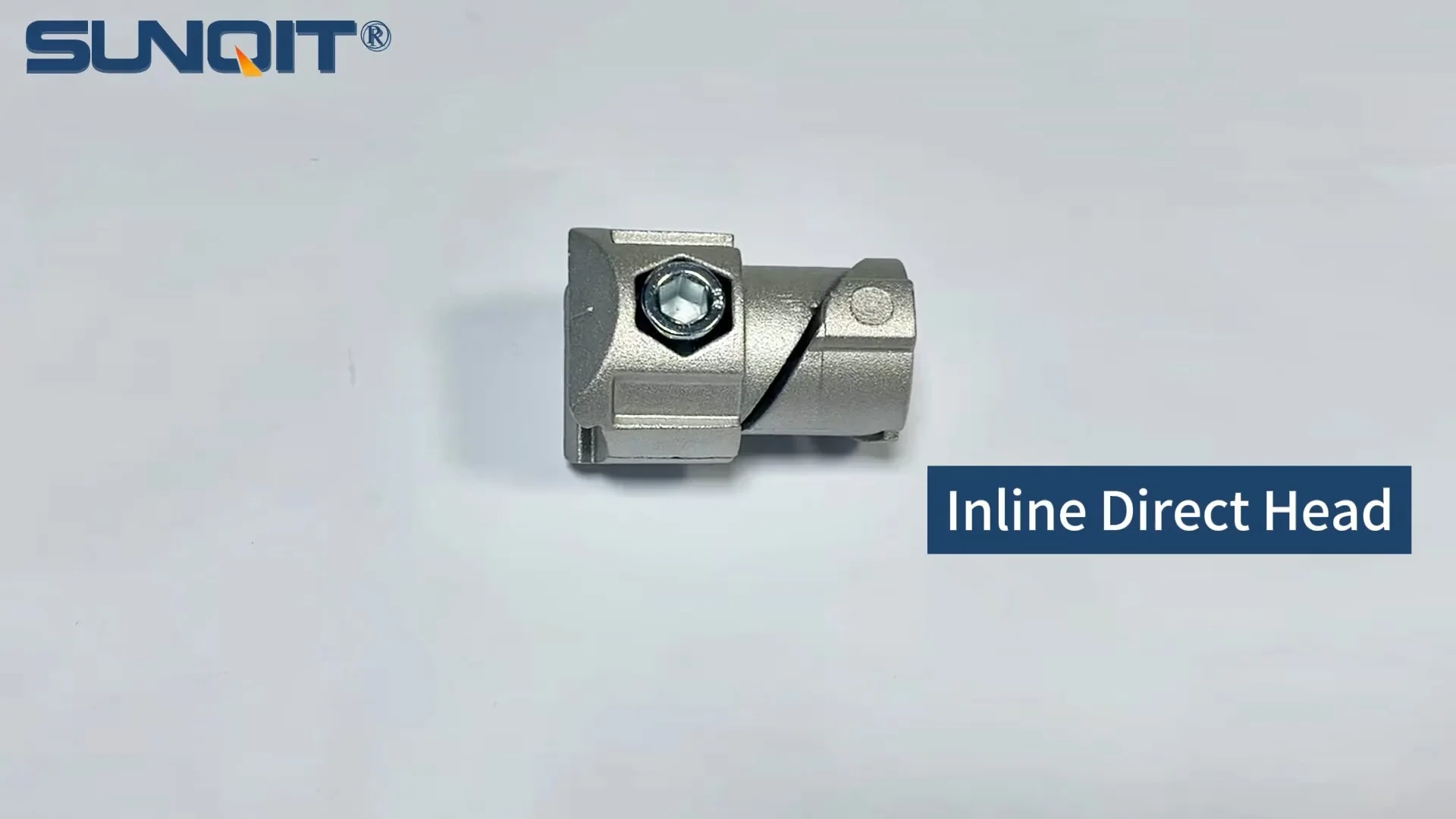
Internal straight aluminum joint
Aluminum pipe joint inside connection used for two pcs 28pcs aluminum pipe connection in straight angle,it connects two pcs pipe from inside.
Walk into any modern manufacturing facility, warehouse, or assembly plant, and you'll quickly notice the unsung heroes holding everything together: the quiet, unassuming components that turn raw materials into functional systems. Among these, the
internal straight aluminum joint
stands out as a workhorse of industrial design. These small but critical pieces are the backbone of everything from sleek workbenches and material racks to intricate conveyor systems and lean production setups. They're the reason your local factory's assembly line runs smoothly, your neighborhood warehouse's inventory stays organized, and your favorite electronics are built with precision. But here's the thing: not all aluminum joints are created equal. The finish on an internal straight aluminum joint—whether anodized or powder-coated—can make or break its performance, longevity, and even its role in your operation. In this article, we're diving deep into these two coating methods, breaking down their differences, and helping you decide which one deserves a spot in your next project.
First Things First: What Even Is an Internal Straight Aluminum Joint?
Before we geek out over coatings, let's make sure we're all on the same page about the star of the show: the internal straight aluminum joint. If you've ever assembled furniture with those metal brackets that screw into pre-drilled holes, you're already halfway there—though these industrial joints are a whole lot tougher. An internal straight aluminum joint is exactly what it sounds like: a connector designed to join two or more aluminum pipes or profiles in a straight line, hidden (or partially hidden) within the structure to keep things sleek and sturdy. Think of it as the "glue" of the industrial world, but instead of sticky residue, it uses mechanical precision to lock components together.
These joints are a staple of aluminum profile accessories and aluminum pipe accessories , which means they're part of a larger ecosystem of parts that make modular industrial systems possible. Need a workbench that can support heavy machinery? Aluminum profiles and internal straight joints have your back. Building a material rack to store inventory? These joints ensure each shelf stays level and secure, even when loaded with boxes. They're also key in lean manufacturing systems, where flexibility and durability are non-negotiable—after all, a production line that can't adapt to new workflows or withstand daily wear and tear isn't much of a production line.
But here's the catch: aluminum, while strong and lightweight, is still a metal prone to corrosion, scratches, and wear over time. That's where coatings come in. Anodized and powder-coated finishes act like armor for these joints, protecting them from the elements, chemicals, and the rough-and-tumble of factory life. The question is, which armor is right for your needs? Let's start with anodized.
These joints are a staple of aluminum profile accessories and aluminum pipe accessories , which means they're part of a larger ecosystem of parts that make modular industrial systems possible. Need a workbench that can support heavy machinery? Aluminum profiles and internal straight joints have your back. Building a material rack to store inventory? These joints ensure each shelf stays level and secure, even when loaded with boxes. They're also key in lean manufacturing systems, where flexibility and durability are non-negotiable—after all, a production line that can't adapt to new workflows or withstand daily wear and tear isn't much of a production line.
But here's the catch: aluminum, while strong and lightweight, is still a metal prone to corrosion, scratches, and wear over time. That's where coatings come in. Anodized and powder-coated finishes act like armor for these joints, protecting them from the elements, chemicals, and the rough-and-tumble of factory life. The question is, which armor is right for your needs? Let's start with anodized.
Anodized Finish: The Invisible Shield
Anodizing isn't just a coating—it's a transformation. Unlike paint or other surface treatments that sit on top of the metal, anodizing actually changes the aluminum itself, creating a protective layer that's part of the material. Here's how it works: the process uses electrolysis to grow a layer of aluminum oxide on the surface of the joint. Think of it like giving the aluminum a superpowered skin. The joint is submerged in an electrolyte bath (usually sulfuric acid), and an electric current is passed through it. This causes oxygen ions to bond with the aluminum atoms, forming a hard, porous oxide layer that's anywhere from 5 to 20 microns thick (for reference, a human hair is about 70 microns thick). Once the oxide layer is formed, the joint is often sealed to close those pores, making it even more resistant to damage.
So, what does this mean for your internal straight aluminum joint? Let's start with the look. Anodized finishes have a distinct, understated elegance. The most common color is "natural" aluminum, which has a silvery, matte sheen that highlights the metal's natural texture. But anodizing also allows for dyeing, so you can get joints in black, gold, blue, or even red—though these colors are less common for industrial use. The finish is consistent, with a uniform texture that doesn't have the glossy or plastic-like appearance of some other coatings. It's the kind of look that says "function first, but we didn't skimp on quality."
Now, let's talk durability. Anodized layers are tough—really tough. Since the oxide layer is part of the aluminum, it won't chip, peel, or flake off, even if the joint is bumped or scraped. This is a big deal in busy factories, where tools get dropped, pallets get banged, and equipment is moved around constantly. The layer is also highly resistant to corrosion. Aluminum oxide is naturally inert, meaning it doesn't react with water, air, or most chemicals—perfect for environments where moisture or cleaning agents are common. Ever seen an old aluminum soda can that's been left out in the rain? It might get a dull finish, but it won't rust. That's the power of aluminum oxide, and anodizing amplifies that effect.
Another perk? Anodized finishes are low-maintenance. Unlike painted surfaces, they don't require regular touch-ups or special cleaners. A quick wipe with a damp cloth is usually all it takes to keep them looking fresh. And because the color is integrated into the oxide layer (not just on top), it won't fade or wear off over time, even with constant exposure to sunlight or harsh lighting. This makes anodized joints ideal for applications where appearance needs to stay consistent for years—like customer-facing areas of a facility or workbenches that double as display stations.
But anodizing isn't without its limitations. For one, the color options are more limited compared to powder coating. While you can get dyed anodized finishes, they're not as vibrant or customizable, and certain colors (like bright red or yellow) can be tricky to achieve consistently. The finish is also harder than bare aluminum, but it's not indestructible. While it resists scratches, deep gouges or heavy impacts can still damage the oxide layer, exposing the raw aluminum underneath. And let's not forget cost: anodizing is generally more expensive than powder coating, especially for small batches, because it's a more complex, time-consuming process. For some operations, that extra cost is worth it for the durability—but for others, it might be overkill.
So, what does this mean for your internal straight aluminum joint? Let's start with the look. Anodized finishes have a distinct, understated elegance. The most common color is "natural" aluminum, which has a silvery, matte sheen that highlights the metal's natural texture. But anodizing also allows for dyeing, so you can get joints in black, gold, blue, or even red—though these colors are less common for industrial use. The finish is consistent, with a uniform texture that doesn't have the glossy or plastic-like appearance of some other coatings. It's the kind of look that says "function first, but we didn't skimp on quality."
Now, let's talk durability. Anodized layers are tough—really tough. Since the oxide layer is part of the aluminum, it won't chip, peel, or flake off, even if the joint is bumped or scraped. This is a big deal in busy factories, where tools get dropped, pallets get banged, and equipment is moved around constantly. The layer is also highly resistant to corrosion. Aluminum oxide is naturally inert, meaning it doesn't react with water, air, or most chemicals—perfect for environments where moisture or cleaning agents are common. Ever seen an old aluminum soda can that's been left out in the rain? It might get a dull finish, but it won't rust. That's the power of aluminum oxide, and anodizing amplifies that effect.
Another perk? Anodized finishes are low-maintenance. Unlike painted surfaces, they don't require regular touch-ups or special cleaners. A quick wipe with a damp cloth is usually all it takes to keep them looking fresh. And because the color is integrated into the oxide layer (not just on top), it won't fade or wear off over time, even with constant exposure to sunlight or harsh lighting. This makes anodized joints ideal for applications where appearance needs to stay consistent for years—like customer-facing areas of a facility or workbenches that double as display stations.
But anodizing isn't without its limitations. For one, the color options are more limited compared to powder coating. While you can get dyed anodized finishes, they're not as vibrant or customizable, and certain colors (like bright red or yellow) can be tricky to achieve consistently. The finish is also harder than bare aluminum, but it's not indestructible. While it resists scratches, deep gouges or heavy impacts can still damage the oxide layer, exposing the raw aluminum underneath. And let's not forget cost: anodizing is generally more expensive than powder coating, especially for small batches, because it's a more complex, time-consuming process. For some operations, that extra cost is worth it for the durability—but for others, it might be overkill.

Powder-Coated Finish: The Colorful Workhorse
If anodizing is the invisible shield, powder coating is the bold, customizable armor. Unlike anodizing, which modifies the aluminum itself, powder coating is a dry finishing process that applies a free-flowing powder to the joint's surface and then bakes it on, creating a hard, durable layer. Here's the step-by-step: first, the joint is cleaned to remove any dirt, oil, or oxidation—this is crucial, because even a tiny speck of grime can ruin the finish. Then, the powder (which is made of resin, pigments, and additives) is electrostatically charged and sprayed onto the joint using a gun. The charged powder sticks to the metal like a magnet, ensuring even coverage. Finally, the joint is baked in an oven at around 350–400°F (175–200°C), which melts the powder into a smooth, continuous film that hardens as it cools.
The result? A finish that's all about versatility. Powder coating comes in a rainbow of colors, from muted grays and blacks to bright reds, blues, and even custom shades that match your company's logo. It also offers a range of textures—matte, glossy, textured, or even metallic—so you can get exactly the look you want. This makes it a favorite for applications where aesthetics matter, like customer-facing workbenches or branded material racks. Imagine walking into a factory and seeing a production line where all the joints match the company's signature blue—that's powder coating at work.
But powder coating isn't just about looks. It's also surprisingly tough. The baked-on layer is thicker than anodized finishes (usually 50–150 microns), which gives it excellent impact resistance. drop a tool on a powder-coated joint, and chances are the finish will chip rather than scratch, and even then, the damage is often localized. This thickness also makes it great at hiding minor imperfections in the aluminum surface—so if your joint has a small dent or scratch from manufacturing, the powder coating can cover it up, giving you a smooth, uniform look.
When it comes to corrosion resistance, powder coating holds its own, too—though it's not quite as bulletproof as anodizing. The baked film acts as a barrier between the aluminum and the environment, protecting against moisture, chemicals, and UV rays. However, if the coating is chipped or scratched down to the bare metal, corrosion can start to form under the paint, which means you'll need to touch it up to prevent further damage. That said, for most indoor applications (like assembly lines or warehouse racks), powder coating provides more than enough protection.
Cost is another area where powder coating shines. It's generally cheaper than anodizing, especially for large batches, because the process is faster and less labor-intensive. The powder itself is also more efficient—overspray can be collected and reused, reducing waste. This makes it a popular choice for companies on a budget or those that need a lot of joints in a short time.
Of course, powder coating has its downsides. The biggest one is that the finish is a separate layer from the aluminum, which means it can chip, peel, or fade over time—especially if exposed to harsh chemicals or extreme temperatures. It's also not as resistant to UV rays as anodized finishes; prolonged sunlight can cause the color to fade, making it less ideal for outdoor use. And while it's thick, it's not as hard as anodized aluminum, so it's more prone to scratches from sharp objects. Finally, touch-ups can be tricky—matching the exact color and texture of the original finish is difficult, so repairs often stand out.
The result? A finish that's all about versatility. Powder coating comes in a rainbow of colors, from muted grays and blacks to bright reds, blues, and even custom shades that match your company's logo. It also offers a range of textures—matte, glossy, textured, or even metallic—so you can get exactly the look you want. This makes it a favorite for applications where aesthetics matter, like customer-facing workbenches or branded material racks. Imagine walking into a factory and seeing a production line where all the joints match the company's signature blue—that's powder coating at work.
But powder coating isn't just about looks. It's also surprisingly tough. The baked-on layer is thicker than anodized finishes (usually 50–150 microns), which gives it excellent impact resistance. drop a tool on a powder-coated joint, and chances are the finish will chip rather than scratch, and even then, the damage is often localized. This thickness also makes it great at hiding minor imperfections in the aluminum surface—so if your joint has a small dent or scratch from manufacturing, the powder coating can cover it up, giving you a smooth, uniform look.
When it comes to corrosion resistance, powder coating holds its own, too—though it's not quite as bulletproof as anodizing. The baked film acts as a barrier between the aluminum and the environment, protecting against moisture, chemicals, and UV rays. However, if the coating is chipped or scratched down to the bare metal, corrosion can start to form under the paint, which means you'll need to touch it up to prevent further damage. That said, for most indoor applications (like assembly lines or warehouse racks), powder coating provides more than enough protection.
Cost is another area where powder coating shines. It's generally cheaper than anodizing, especially for large batches, because the process is faster and less labor-intensive. The powder itself is also more efficient—overspray can be collected and reused, reducing waste. This makes it a popular choice for companies on a budget or those that need a lot of joints in a short time.
Of course, powder coating has its downsides. The biggest one is that the finish is a separate layer from the aluminum, which means it can chip, peel, or fade over time—especially if exposed to harsh chemicals or extreme temperatures. It's also not as resistant to UV rays as anodized finishes; prolonged sunlight can cause the color to fade, making it less ideal for outdoor use. And while it's thick, it's not as hard as anodized aluminum, so it's more prone to scratches from sharp objects. Finally, touch-ups can be tricky—matching the exact color and texture of the original finish is difficult, so repairs often stand out.

Anodized vs. Powder-Coated: A Head-to-Head Comparison
Now that we've broken down how each finish works, let's put them side by side to see how they stack up in key areas. This table will help you weigh the pros and cons for your specific needs:
| Feature | Anodized Finish | Powder-Coated Finish |
|---|---|---|
| Process | Electrolytic process that grows an aluminum oxide layer on the surface (part of the metal). | Dry powder sprayed electrostatically, then baked to form a separate film on the surface. |
| Thickness | 5–20 microns (thinner, integrated with metal). | 50–150 microns (thicker, separate layer). |
| Color Options | Limited (natural, black, gold; muted tones). Dyes are absorbed into oxide layer. | Unlimited (any color, custom shades). Pigments mixed into powder for vibrant hues. |
| Texture | Matte, metallic, or slightly textured (depends on sealing). | Matte, glossy, textured, metallic, or custom (wide range of finishes). |
| Durability | High scratch resistance; no chipping/peeling (layer is part of metal). | High impact resistance; can chip or peel if damaged (separate layer). |
| Corrosion Resistance | Excellent (oxide layer is inert; resists moisture, chemicals, salt). | Very good (film acts as barrier; risk of corrosion if chipped). |
| UV Resistance | Excellent (colors stable; no fading). | Good to fair (some colors fade with prolonged sunlight). |
| Maintenance | Low (wipe with damp cloth; no touch-ups needed). | Moderate (wipe clean; may need touch-ups if chipped). |
| Cost | Higher (complex process; more time/labor). | Lower (faster process; efficient for large batches). |
| Best For | Harsh environments (chemicals, moisture), high-wear applications, long-term durability. | Aesthetic-focused projects, color customization, budget-friendly large batches. |
Real-World Applications: When to Choose Which Finish
Numbers and tables are great, but nothing beats real-world examples. Let's take a look at how these finishes perform in different industrial settings to help you decide which one is right for your project.
Case 1: Food and Beverage Manufacturing
Imagine a facility that produces bottled water. The production line is constantly exposed to water, cleaning chemicals (like sanitizers), and humidity. In this environment, corrosion resistance is non-negotiable—even a tiny rust spot could contaminate the product. Here, anodized internal straight aluminum joints are the way to go. Their oxide layer is impervious to water and chemicals, ensuring the joints stay strong and clean for years. Plus, anodized finishes are easy to sanitize, which is crucial for meeting food safety standards. Powder coating, while durable, might chip if exposed to harsh cleaners, creating tiny crevices where bacteria could hide—not a risk worth taking in food production.
Case 2: Automotive Assembly Line
Now, picture an automotive plant where the assembly line is a point of pride—customers and investors tour it regularly, so aesthetics matter as much as durability. The plant uses workbenches, material racks, and conveyor systems with aluminum profiles, and they want everything to match their brand's signature red color. Here, powder coating is the clear winner. It can produce a bright, uniform red that pops against the factory floor, and the thick finish can withstand the daily bumps and scrapes of tool carts and heavy parts. While anodized joints might be more durable, the inability to get a vibrant red makes them a non-starter for a facility that values branding.
Case 3: Marine or Coastal Warehouse
Coastal areas are tough on metal—saltwater spray and high humidity can corrode even stainless steel over time. A warehouse near the ocean that stores outdoor equipment needs joints that can stand up to the salt air. Anodized finishes are ideal here because their oxide layer is naturally resistant to salt corrosion. Powder coating, while protective, could fail if a scratch exposes the aluminum to saltwater, leading to rust under the paint. For marine environments, the extra cost of anodizing is worth it for peace of mind.
Case 4: Small-Scale Workshop
A local machine shop with a tight budget needs to build a few workbenches for its garage. They don't need fancy colors—just something durable enough to hold tools and parts. Powder coating is the practical choice here. It's cheaper than anodizing for small batches, and a simple black or gray finish will hide dirt and wear well. The shop doesn't deal with harsh chemicals or extreme moisture, so the corrosion resistance of powder coating is more than enough. Plus, if a joint gets chipped, they can touch it up with a can of spray paint (not ideal, but functional) without breaking the bank.
Case 1: Food and Beverage Manufacturing
Imagine a facility that produces bottled water. The production line is constantly exposed to water, cleaning chemicals (like sanitizers), and humidity. In this environment, corrosion resistance is non-negotiable—even a tiny rust spot could contaminate the product. Here, anodized internal straight aluminum joints are the way to go. Their oxide layer is impervious to water and chemicals, ensuring the joints stay strong and clean for years. Plus, anodized finishes are easy to sanitize, which is crucial for meeting food safety standards. Powder coating, while durable, might chip if exposed to harsh cleaners, creating tiny crevices where bacteria could hide—not a risk worth taking in food production.
Case 2: Automotive Assembly Line
Now, picture an automotive plant where the assembly line is a point of pride—customers and investors tour it regularly, so aesthetics matter as much as durability. The plant uses workbenches, material racks, and conveyor systems with aluminum profiles, and they want everything to match their brand's signature red color. Here, powder coating is the clear winner. It can produce a bright, uniform red that pops against the factory floor, and the thick finish can withstand the daily bumps and scrapes of tool carts and heavy parts. While anodized joints might be more durable, the inability to get a vibrant red makes them a non-starter for a facility that values branding.
Case 3: Marine or Coastal Warehouse
Coastal areas are tough on metal—saltwater spray and high humidity can corrode even stainless steel over time. A warehouse near the ocean that stores outdoor equipment needs joints that can stand up to the salt air. Anodized finishes are ideal here because their oxide layer is naturally resistant to salt corrosion. Powder coating, while protective, could fail if a scratch exposes the aluminum to saltwater, leading to rust under the paint. For marine environments, the extra cost of anodizing is worth it for peace of mind.
Case 4: Small-Scale Workshop
A local machine shop with a tight budget needs to build a few workbenches for its garage. They don't need fancy colors—just something durable enough to hold tools and parts. Powder coating is the practical choice here. It's cheaper than anodizing for small batches, and a simple black or gray finish will hide dirt and wear well. The shop doesn't deal with harsh chemicals or extreme moisture, so the corrosion resistance of powder coating is more than enough. Plus, if a joint gets chipped, they can touch it up with a can of spray paint (not ideal, but functional) without breaking the bank.
Maintenance Matters: Keeping Your Joints in Top Shape
No matter which finish you choose, a little maintenance goes a long way in extending the life of your internal straight aluminum joints. Let's break down what you need to do for each:
Anodized Joints
The good news? Anodized finishes are low-maintenance. For day-to-day care, simply wipe them down with a soft, damp cloth to remove dust and dirt. If they get greasy (like in a mechanic's shop), use a mild detergent (dish soap works!) and warm water, then rinse and dry thoroughly. Avoid abrasive cleaners or scouring pads—these can scratch the oxide layer. For stubborn stains (like oil or ink), a little rubbing alcohol on a cloth should do the trick.
One thing to watch out for: if the joint is scratched deeply enough to expose the bare aluminum, you'll need to treat it to prevent corrosion. Apply a thin layer of clear automotive wax to the damaged area—this will seal the aluminum and slow down oxidation. It won't look perfect, but it will keep the joint functional.
Powder-Coated Joints
Powder-coated joints need a bit more TLC. Regular cleaning is similar to anodized—damp cloth for dust, mild soap for grease. But if the finish chips or peels, you'll need to touch it up to prevent corrosion. Start by sanding the chipped area lightly to smooth the edges, then clean it with alcohol to remove debris. Next, apply a small amount of powder coating touch-up paint (available at hardware stores) with a brush. For best results, use a color-matched paint—most manufacturers can provide the exact shade if you have the batch number. Let the paint dry completely before using the joint, and avoid heavy use for 24 hours to let the finish cure.
If you're dealing with a lot of chipping (common in high-impact areas), consider adding edge guards or bumpers to protect the joints. This is a simple, cost-effective way to extend the life of your powder-coated finish.
Anodized Joints
The good news? Anodized finishes are low-maintenance. For day-to-day care, simply wipe them down with a soft, damp cloth to remove dust and dirt. If they get greasy (like in a mechanic's shop), use a mild detergent (dish soap works!) and warm water, then rinse and dry thoroughly. Avoid abrasive cleaners or scouring pads—these can scratch the oxide layer. For stubborn stains (like oil or ink), a little rubbing alcohol on a cloth should do the trick.
One thing to watch out for: if the joint is scratched deeply enough to expose the bare aluminum, you'll need to treat it to prevent corrosion. Apply a thin layer of clear automotive wax to the damaged area—this will seal the aluminum and slow down oxidation. It won't look perfect, but it will keep the joint functional.
Powder-Coated Joints
Powder-coated joints need a bit more TLC. Regular cleaning is similar to anodized—damp cloth for dust, mild soap for grease. But if the finish chips or peels, you'll need to touch it up to prevent corrosion. Start by sanding the chipped area lightly to smooth the edges, then clean it with alcohol to remove debris. Next, apply a small amount of powder coating touch-up paint (available at hardware stores) with a brush. For best results, use a color-matched paint—most manufacturers can provide the exact shade if you have the batch number. Let the paint dry completely before using the joint, and avoid heavy use for 24 hours to let the finish cure.
If you're dealing with a lot of chipping (common in high-impact areas), consider adding edge guards or bumpers to protect the joints. This is a simple, cost-effective way to extend the life of your powder-coated finish.
The Verdict: Which Finish is Right for You?
At the end of the day, the choice between anodized and powder-coated internal straight aluminum joints comes down to your priorities. If durability, corrosion resistance, and low maintenance are your top concerns—especially in harsh environments like food processing, marine, or chemical plants—anodized is the way to go. It's more expensive, but the long-term savings in replacement and repair costs often make up for it.
On the other hand, if you need color customization, a range of textures, or are working with a tight budget, powder coating is the better option. It's perfect for branded facilities, customer-facing areas, or projects where aesthetics matter as much as function. Just keep in mind that you'll need to touch up chips occasionally and avoid exposing it to extreme chemicals or saltwater if possible.
And remember: these finishes aren't mutually exclusive. Some companies use both—anodized joints for critical, high-wear areas and powder-coated joints for parts that need to pop visually. The key is to assess your environment, budget, and goals, then choose the finish that aligns with them.
At the end of the day, whether you go with anodized or powder-coated, one thing is clear: internal straight aluminum joints are the backbone of modern industrial systems. They might not get the glory, but they keep our factories running, our products moving, and our operations lean and efficient. So the next time you walk through a warehouse or factory, take a second to appreciate these small but mighty components—and maybe even check out their finish. After all, the right coating isn't just about protection; it's about ensuring your industrial system stands the test of time.
On the other hand, if you need color customization, a range of textures, or are working with a tight budget, powder coating is the better option. It's perfect for branded facilities, customer-facing areas, or projects where aesthetics matter as much as function. Just keep in mind that you'll need to touch up chips occasionally and avoid exposing it to extreme chemicals or saltwater if possible.
And remember: these finishes aren't mutually exclusive. Some companies use both—anodized joints for critical, high-wear areas and powder-coated joints for parts that need to pop visually. The key is to assess your environment, budget, and goals, then choose the finish that aligns with them.
At the end of the day, whether you go with anodized or powder-coated, one thing is clear: internal straight aluminum joints are the backbone of modern industrial systems. They might not get the glory, but they keep our factories running, our products moving, and our operations lean and efficient. So the next time you walk through a warehouse or factory, take a second to appreciate these small but mighty components—and maybe even check out their finish. After all, the right coating isn't just about protection; it's about ensuring your industrial system stands the test of time.