- Company Articles
- Products and Technology
- Product knowledge
- Internal Straight Aluminum Joint Design Innovations: Latest Trends in Lean Components

Internal Straight Aluminum Joint Design Innovations: Latest Trends in Lean Components
Related Product
Internal straight aluminum joint
Aluminum pipe joint inside connection used for two pcs 28pcs aluminum pipe connection in straight angle,it connects two pcs pipe from inside.
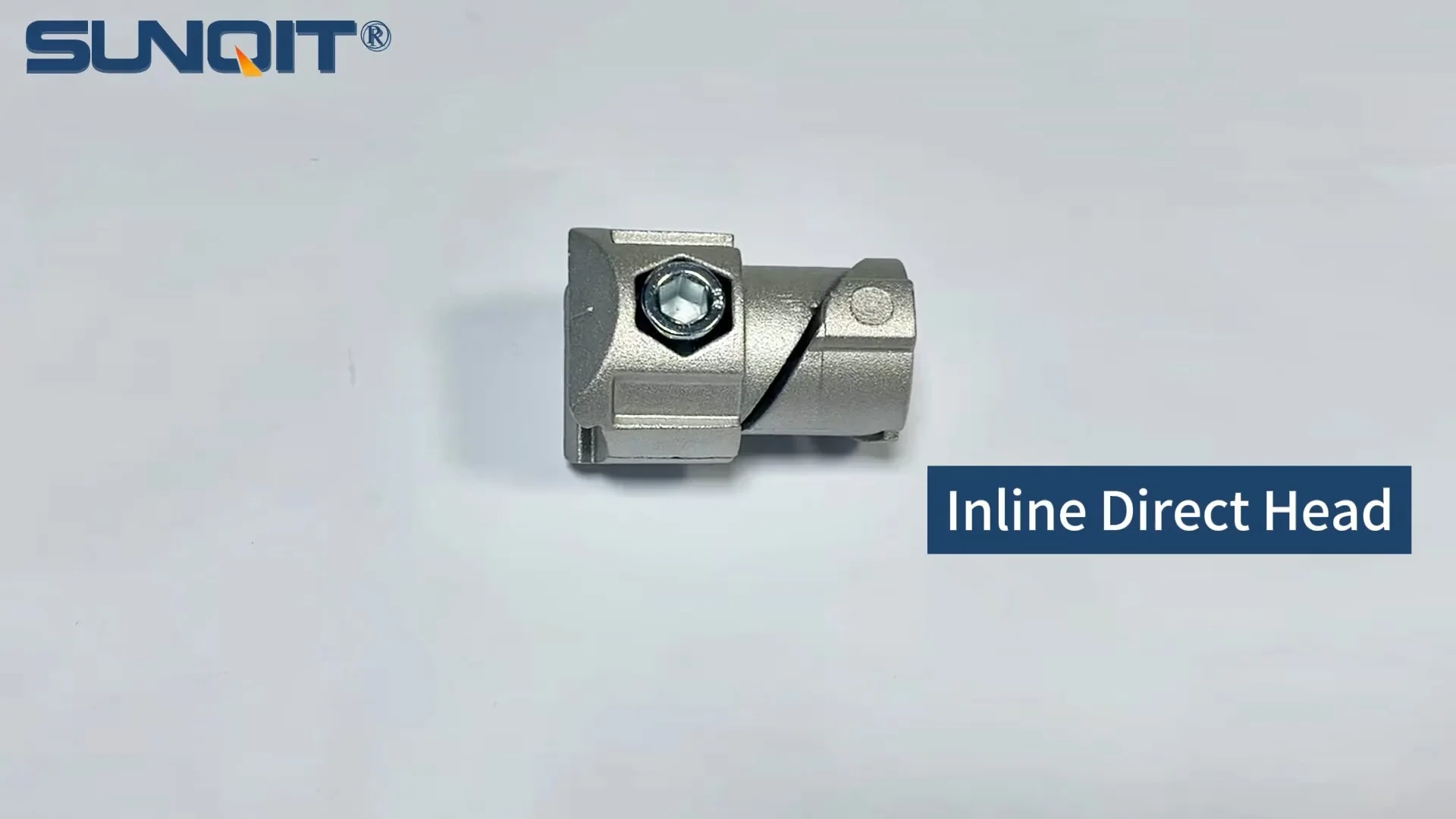
Walk into any modern manufacturing facility, and you'll notice a quiet revolution happening on the factory floor. It's not just the robots or the high-tech machinery—it's the smaller, often overlooked components that tie everything together. Lean manufacturing, the philosophy of minimizing waste while maximizing value, relies heavily on these unsung heroes: the joints, pipes, and connectors that shape workbenches, roller tracks, and material racks. Among these, the internal straight aluminum joint has emerged as a game-changer, quietly redefining how factories build, adapt, and thrive in an era of constant change.
Think about it: every time a production line needs to reconfigure for a new product, every time a workbench height needs adjusting to fit a worker's ergonomics, every time a roller track jams because of a clunky connection—these moments boil down to the quality of the components holding everything together. Traditional joints, often made of steel or rigid plastic, used to be the bottleneck. They were heavy, hard to adjust, and prone to wear, turning even small changes into time-consuming projects. But today, the internal straight aluminum joint is rewriting that script. Lightweight, durable, and infinitely adaptable, it's the kind of innovation that doesn't shout—it just works, making lean systems smarter, faster, and more human-centered.
The Evolution of Aluminum Joints: From Rigidity to Flexibility
To appreciate the innovation of the internal straight aluminum joint, let's take a quick trip down memory lane. Not long ago, manufacturing facilities relied on fixed, welded steel structures. Workbenches were bolted to the floor, material racks were built to last decades (whether they needed to or not), and any change required a team of engineers, welders, and hours of downtime. It was a system built for stability, not agility—and in a world where consumer demands shift overnight, stability alone isn't enough.
Then came the first wave of lean components: steel pipes with plastic-coated joints, often called "lean pipes." These were a step forward, allowing for some modularity, but they had their limits. Steel is heavy, making reconfiguration a two-person job. The plastic coatings, while protective, could crack under heavy loads, and the joints themselves were often bulky, limiting how tightly components could be packed. Factories needed something lighter, stronger, and more precise.
Enter aluminum. Lightweight yet surprisingly strong, aluminum offered a new foundation. Early aluminum joints were external, clamping onto pipes from the outside. They worked, but they added extra bulk and sometimes created uneven surfaces—minor issues that could cause major headaches, like materials getting stuck on a roller track or tools slipping off a workbench edge. The internal straight aluminum joint solved this by tucking the connection inside the pipe itself, creating a smooth, seamless profile that's as functional as it is sleek.
| Feature | Traditional Steel Joints | Early External Aluminum Joints | Modern Internal Straight Aluminum Joints |
|---|---|---|---|
| Weight | Heavy (hard to reconfigure solo) | Lightweight (easier handling) | Ultra-lightweight (one-person setup) |
| Surface Profile | Bulky, uneven (risk of snags) | External clamp (some protrusions) | Smooth, internal (no surface obstructions) |
| Durability | Prone to rust; welded joints crack over time | Corrosion-resistant but external clamp weakens under stress | Anodized aluminum; internal design protects from wear |
| Reconfiguration Time | Hours (requires tools/welders) | 30-60 minutes (needs hex keys/wrenches) | 5-10 minutes (often tool-free or with basic tools) |
This evolution isn't just about better engineering—it's about aligning components with the human side of lean manufacturing. Workers on the floor don't care about the tensile strength of aluminum alloys; they care about whether they can adjust their workbench in five minutes instead of five hours so they can focus on building products, not fighting with tools. The internal straight aluminum joint puts that power back in their hands.
Internal Straight Aluminum Joint Design: Breaking Down the Innovations
So, what makes the internal straight aluminum joint so special? Let's peel back the layers. At first glance, it might look like a simple tube with a connector inside, but there's a surprising amount of engineering packed into that small space. From the materials used to the precision of the fit, every detail is designed to solve real-world problems for manufacturers.
Material Science: Aluminum Alloys That Punch Above Their Weight
Not all aluminum is created equal. The best internal straight aluminum joints use high-grade aluminum alloys, often blended with magnesium or silicon, to balance strength and weight. For example, 6061-T6 aluminum, a common choice, has a tensile strength of around 42,000 psi—strong enough to support heavy machinery, yet light enough that a single worker can carry a bundle of joints without straining. This matters because it turns reconfiguration from a "team project" into a "quick task," cutting downtime from hours to minutes.
But strength isn't the only win here. Aluminum is naturally corrosion-resistant, thanks to a thin oxide layer that forms on its surface. That means joints hold up in dusty factories, humid warehouses, or even cleanrooms where steel might rust or plastic might degrade. And when the joint eventually reaches the end of its life? Aluminum is 100% recyclable, aligning with the sustainability goals many factories are now prioritizing. It's a material that checks all the boxes: strong, light, durable, and eco-friendly.
Structural Precision: A Fit So Tight, It Feels Seamless
The "internal" part of the design is where the magic happens. Unlike external joints, which clamp around the pipe, internal straight joints fit inside the aluminum profile, creating a flush connection. Imagine sliding a puzzle piece into place—no gaps, no overhangs, just a smooth line. This precision eliminates one of the biggest annoyances of older joints: uneven surfaces. On a roller track, for example, a protruding external joint might catch a box as it slides by, causing jams. With an internal joint, the track stays flat, and materials flow like water.
But how do they stay connected? Most internal straight joints use a combination of friction and mechanical locking. Some have spring-loaded tabs that snap into pre-drilled holes in the aluminum profile; others use set screws that tighten against the inner wall, creating a secure hold without damaging the pipe. The best designs even allow for 360-degree rotation before locking, so workers can angle components exactly where they need them—no guesswork, no forcing parts into place.
Integration with Aluminum Profiles: The Backbone of Modularity
A joint is only as good as the pipe it connects, and internal straight aluminum joints are designed to work hand-in-hand with aluminum profiles. These profiles—extruded aluminum tubes with T-slots running along their length—are the building blocks of modern lean systems. The T-slots let you add accessories like tool holders, shelves, or sensor mounts anywhere along the profile, and the internal joints let you connect profiles at any angle, creating everything from simple workbenches to complex material handling systems.
Here's why this matters: suppose a factory needs to add a new shelf to a material rack to store larger parts. With aluminum profiles and internal joints, they don't need to buy a whole new rack. They just cut a new profile to length, slide an internal joint into the existing rack, lock it in place, and attach the shelf using the T-slots. It's like building with giant Erector sets, but for grown-ups with deadlines. This modularity is a cornerstone of lean manufacturing—why waste money on new equipment when you can adapt what you already have?

Beyond the Joint: How Internal Straight Aluminum Joints Elevate Lean Components
The internal straight aluminum joint doesn't exist in a vacuum. Its true value shines when it's paired with other lean components, turning good systems into great ones. Let's look at three key areas where this synergy makes a real difference: roller tracks, workbenches, and lean systems as a whole.
Roller Tracks: Smoother Flow, Fewer Headaches
Roller tracks are the circulatory system of a factory, moving materials from point A to point B. When they work well, no one notices them. When they jam, everyone notices. A big culprit of jams? Uneven joints. External joints can create tiny bumps where two track sections meet, and over time, those bumps wear down rollers or catch on packages. Internal straight aluminum joints eliminate this by creating a continuous, flat surface.
Take, for example, a 60-foot roller track used to move circuit boards in an electronics factory. With traditional external joints, there might be 20 connection points, each a potential snag. Switching to internal straight joints reduces those snags to zero. The tracks stay aligned, rollers spin freely, and materials glide along without hesitation. One factory we worked with reported a 35% reduction in track jams after upgrading to internal joints—translating to fewer delays and less frustration for workers who used to spend hours troubleshooting.
And it's not just about smoothness. Internal joints also make roller tracks easier to customize. Need to add a curve? Just connect two profiles at a 45-degree angle with an internal joint. Want to extend the track by 10 feet? Slide in a new section and lock it. No welding, no drilling—just quick, tool-free adjustments that keep production rolling.
Workbenches: Ergonomics Meets Adaptability
A workbench is more than just a table—it's a worker's office, workshop, and command center. An uncomfortable or poorly designed workbench leads to fatigue, mistakes, and even injuries. That's why ergonomics matter, and internal straight aluminum joints make ergonomic customization easier than ever.
Consider a car parts assembly line where workers alternate between standing and sitting. With a traditional steel workbench, adjusting the height might require loosening bolts, lifting the tabletop (with help), and re-tightening—taking 20 minutes and disrupting the entire line. With an aluminum profile workbench and internal straight joints, it's a 2-minute job. The legs are made of aluminum profiles connected by internal joints; just unlock the joints, slide the legs up or down to the desired height, and lock them again. No heavy lifting, no tools beyond a hex key, and no downtime.
Add-ons are just as easy. Need a tool holder on the left today and the right tomorrow? The T-slots in the aluminum profiles let you attach and reattach accessories in seconds. A worker with a shoulder injury can move their tool tray closer; a new hire can lower the bench to fit their height. It's a small change, but it sends a big message: this workspace is built for people , not the other way around.
Lean Systems: Building for the Future, Not Just Today
At the end of the day, lean manufacturing is about building systems that adapt. A factory might produce 10,000 widgets this month and switch to 5,000 gadgets next month—and the lean system should keep up without skipping a beat. Internal straight aluminum joints are the glue that makes this adaptability possible, tying together aluminum profiles, roller tracks, workbenches, and more into a single, flexible ecosystem.
Let's say a furniture manufacturer wins a contract to build a new line of sofas. Their existing lean system is set up for chairs, with small workbenches and narrow roller tracks. With internal joints, they can reconfigure in days, not weeks: widen the roller tracks to fit sofa frames, extend workbenches to hold larger pieces, and add new material racks to store foam cushions. When the contract ends, they can break it all down and revert to chair production. It's like having a factory that can rearrange itself on demand—a far cry from the fixed systems of the past.

Real-World Impact: Case Studies in Lean Excellence
Numbers and specs tell part of the story, but real change happens when these innovations meet real people. Let's look at two case studies where internal straight aluminum joints transformed how factories operate.
Case Study 1: Automotive Supplier Cuts Setup Time by 40%
A mid-sized automotive parts supplier was struggling with setup times. Every time they switched from producing door handles to side mirrors, they had to reconfigure their assembly line—a process that took 8 hours, requiring two workers and a lot of frustration. Their old system used steel pipes with external plastic joints, which were heavy and hard to adjust.
They switched to aluminum profiles with internal straight aluminum joints. The results were dramatic. First, the new components were so light that one worker could reconfigure the line alone. Second, the internal joints locked into place in seconds, no wrestling with wrenches required. Setup time dropped from 8 hours to just 4.8 hours—a 40% reduction. Over a year, that added up to hundreds of hours saved, letting them take on more orders and keep up with tight automotive deadlines.
But the biggest win? Worker satisfaction. "I used to dread changeovers," one assembly line worker told us. "Now I can adjust the workbench height, move the roller track, and be ready to go before my coffee gets cold. It feels like the factory finally works with me, not against me."
Case Study 2: Electronics Manufacturer Boosts Sustainability Goals
A large electronics manufacturer had a bold sustainability target: cut their carbon footprint by 25% in five years. One of their biggest challenges was waste from outdated equipment. When they needed to upgrade a production line, old steel workbenches and racks often ended up in landfills—heavy, rusted, and hard to recycle.
They turned to aluminum profiles and internal straight aluminum joints. Aluminum is 100% recyclable, and because the system is modular, they rarely need to replace entire components. When a workbench becomes obsolete, they can take it apart, reuse the joints and profiles elsewhere, or recycle them without losing value. In the first year, they reduced equipment waste by 60%, putting them well on track to hit their sustainability goal. Plus, the lighter aluminum components reduced shipping costs for new parts by 20%—a nice bonus for the bottom line.
Trends Shaping the Future of Internal Straight Aluminum Joints
The internal straight aluminum joint is already a star in the lean components world, but it's not standing still. As factories evolve, so do the joints that hold them together. Here are three trends we're seeing shape the next generation of internal straight aluminum joints.
Sustainability: From "Nice-to-Have" to "Must-Have"
Factories are under more pressure than ever to reduce waste and lower their carbon footprints. Aluminum, with its recyclability, is already a sustainability champion, but the next wave of internal joints is taking it further. We're seeing manufacturers experiment with recycled aluminum alloys, which have the same strength as virgin aluminum but use 95% less energy to produce. Some are even adding recycled plastic inserts to the joints, turning factory waste into functional components.
Another trend is "circular design"—building joints that are easy to disassemble and reuse. For example, some internal joints now use snap-fit designs instead of screws, making them even faster to take apart and rebuild. It's a small change, but it turns a joint from a "single-use" component into a "multi-lifetime" investment.
Smart Integration: Joints That Talk
The future of manufacturing is smart, with sensors and IoT devices monitoring everything from machine health to material flow. Internal straight aluminum joints are getting in on the action, too. Imagine a joint with a built-in RFID tag that tracks when it was installed, how much weight it's supporting, or even if it's starting to loosen. Workers could scan the joint with a smartphone and get real-time data: "This joint was last tightened 6 months ago—time for a check." It's predictive maintenance at the component level, preventing breakdowns before they happen.
Some manufacturers are even testing joints with tiny pressure sensors. On a roller track, for example, a sensor could detect if a joint is under too much stress (maybe from a sudden surge in heavy boxes) and send an alert before it fails. It's a far cry from the "wait until it breaks" approach of the past—and a game-changer for minimizing downtime.
Ergonomics: Designing for Every Worker
Lean manufacturing isn't just about efficiency—it's about people. A factory can have the most advanced machinery in the world, but if workers are strained, injured, or unhappy, productivity suffers. Internal straight aluminum joints are making it easier to build workspaces that fit every body type.
For example, adjustable-height workbenches are becoming standard, but with internal joints, the adjustments are smoother and more precise. A worker can fine-tune the height to the inch, not just to the nearest bolt hole. Some joints even have built-in locks that prevent accidental movement, so once a height is set, it stays set—no more sudden drops or wobbles. It's these small touches that turn a "functional" workspace into a "human-centered" one.
Conclusion: The Quiet Revolution Continues
The internal straight aluminum joint might not be the flashiest innovation in manufacturing, but it's one of the most impactful. It's a reminder that lean manufacturing isn't just about big systems—it's about the small, thoughtful details that make those systems work for people. By replacing rigidity with flexibility, bulk with precision, and waste with sustainability, these joints are helping factories adapt faster, work smarter, and treat their workers better.
As we look to the future, one thing is clear: the demand for agility will only grow. Consumer trends will shift, technologies will evolve, and factories will need to keep up. The internal straight aluminum joint, with its focus on modularity, durability, and human-centric design, is ready to meet that demand. It's not just a component—it's a symbol of how innovation can be quiet, practical, and powerful all at once.
So the next time you walk through a factory, take a closer look at those aluminum profiles and joints. They might not be the first thing you notice, but they're the reason everything else works. And in the world of lean manufacturing, that's the highest compliment of all.