- Company Articles
- Products and Technology
- Product knowledge
- Internal Straight Aluminum Joint for Conveyor Systems: Smooth Material Flow Solutions

Internal Straight Aluminum Joint for Conveyor Systems: Smooth Material Flow Solutions
Related Product
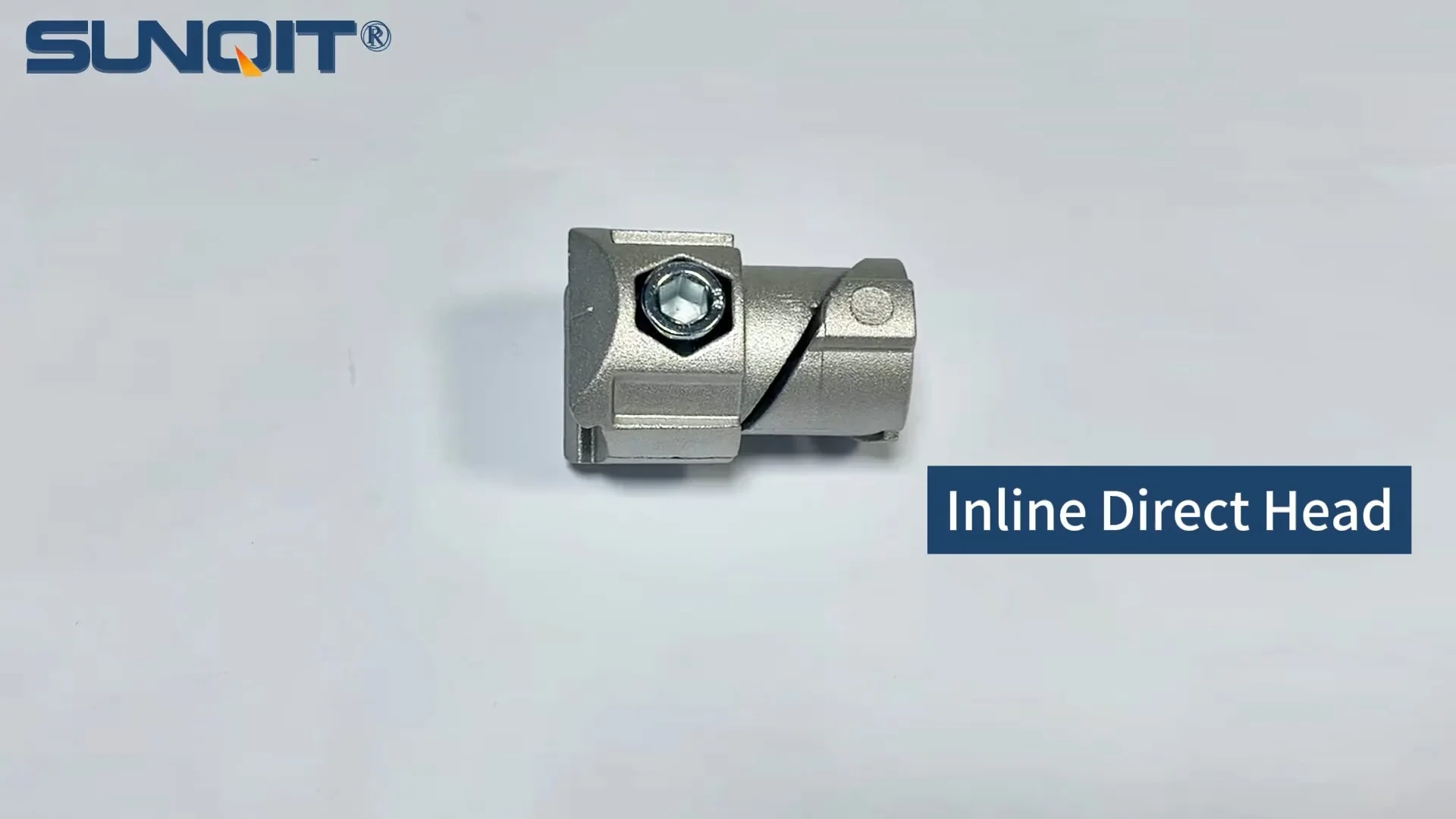
Internal straight aluminum joint
Aluminum pipe joint inside connection used for two pcs 28pcs aluminum pipe connection in straight angle,it connects two pcs pipe from inside.
The Pulse of Production: Why Material Flow Matters
Walk into any manufacturing plant, warehouse, or assembly facility, and you'll quickly notice the unsung hero of productivity: material flow. It's the invisible current that carries components from one workstation to the next, delivers raw materials to production lines, and moves finished goods to shipping. When this flow is smooth, everything hums—workers stay focused, deadlines are met, and costs stay in check. But when it stutters? A single jammed conveyor or misaligned workbench can bring an entire shift to its knees, turning minutes of downtime into hours of frustration and lost revenue.
In today's fast-paced production environments, rigidity is the enemy. Lines reconfigure for new products, workstations adapt to changing demands, and material paths shift to optimize efficiency. Traditional conveyor systems, with their fixed steel pipes and clunky welds, often can't keep up. They're slow to adjust, prone to wear, and their joints—those critical connections that hold everything together—become weak points, failing under stress or limiting flexibility. This is where modern solutions, built around components like the internal straight aluminum joint, are rewriting the rules of material flow.
The Hidden Culprit: How Joints Shape (or Break) Flow
Think of a conveyor system as a human body: the pipes and tracks are the bones, the rollers and casters are the muscles, and the joints? They're the ligaments—connecting parts, absorbing stress, and enabling movement. A weak ligament can throw off the entire body; similarly, a poorly designed joint can disrupt the entire flow of materials.
Common joint-related headaches include misalignment, where pipes drift out of sync and cause jams; corrosion, which seizes up movement in humid or industrial environments; and rigidity, which makes reconfiguring lines a logistical nightmare. In electronics manufacturing, for example, even a tiny misalignment in a roller track can scratch delicate circuit boards. In automotive plants, a seized joint in a material rack might delay the delivery of a critical part to the assembly line. These aren't just minor inconveniences—they're productivity killers.
The solution? Joints that are strong yet flexible, durable yet lightweight, and designed to integrate seamlessly with modern materials like aluminum lean pipe. Enter the internal straight aluminum joint—a component that's quietly transforming how facilities build, adapt, and maintain their conveyor systems and workstations.

Meet the Internal Straight Aluminum Joint: A Closer Look
At first glance, the internal straight aluminum joint might seem simple—a small, unassuming connector. But its design is a masterclass in functional engineering. Crafted from high-grade aluminum alloy, it's built to connect two lengths of aluminum lean pipe in a straight line, but with a twist (literally): it features a subtle internal rotation mechanism that allows for minor adjustments during installation. This might sound trivial, but in the real world, it's a game-changer.
Here's how it works: the joint has two hollow ends, each sized to fit snugly over standard aluminum lean pipe. Inside, a precision-machined core allows for up to 15 degrees of rotation, letting installers fine-tune alignment without bending or stressing the pipes. Once in place, set screws (or a friction-fit design, depending on the model) lock the joint securely, creating a connection that can withstand the constant vibration of conveyor systems and the weight of heavy materials.
But what really sets this joint apart is its material: aluminum. Unlike steel, which rusts, adds unnecessary weight, and requires tools like welders for installation, aluminum is naturally corrosion-resistant, lightweight, and easy to work with. It's also eco-friendly, often made from recycled materials and fully recyclable at the end of its life. For facilities aiming to reduce their carbon footprint while boosting efficiency, aluminum components are a win-win.

Why Aluminum Lean Pipe? The Perfect Partner for the Internal Straight Joint
The internal straight aluminum joint doesn't work in isolation—it's part of a ecosystem built around aluminum lean pipe. So, what makes aluminum lean pipe such a powerful foundation for modern conveyor systems and workstations?
First, it's lightweight without sacrificing strength. Aluminum lean pipe weighs roughly 1/3 of steel pipe, making it easier to handle during installation and reconfiguration. A single worker can adjust a section of aluminum pipe, whereas steel might require a team and heavy lifting equipment. This cuts down on labor costs and reduces the risk of workplace injuries.
Second, it's infinitely modular. Aluminum lean pipe connects with joints like the internal straight aluminum joint to form everything from simple material racks to complex roller track conveyor systems. Need to add a new workstation? Just unfasten a few joints, add a section of pipe, and lock it back in. No cutting, welding, or repainting required. This modularity aligns perfectly with lean manufacturing principles, where waste (including time wasted on rework) is minimized.
Third, it's built to last. Aluminum's natural resistance to rust and corrosion means it holds up in harsh environments—think food processing plants with high humidity or automotive facilities with oil and chemicals. Unlike painted steel, it won't chip or fade, keeping work areas looking clean and professional for years.
Compatibility: How the Internal Straight Aluminum Joint Plays Well with Others
A great joint isn't just strong on its own—it needs to play well with the other components in the system. The internal straight aluminum joint shines here, integrating seamlessly with everything from roller track to workbench frames and material racks.
Roller Track Integration: Roller track is the workhorse of conveyor systems, using wheels or balls to glide materials along a path. To keep this glide smooth, the track must stay perfectly level and aligned. The internal straight aluminum joint ensures that sections of aluminum lean pipe (which form the track's frame) connect with minimal gaps or misalignment. Its internal rotation feature lets installers tweak angles slightly, ensuring rollers spin freely and materials don't get stuck—critical for delicate items like electronics components or heavy parts like engine blocks.
Workbench Frames: Modern workstations are no longer fixed pieces of furniture; they're dynamic hubs that adapt to tasks. An electronics assembly workbench, for example, might need to hold tools, circuit boards, and testing equipment—all while staying ergonomic for workers of different heights. The internal straight aluminum joint connects aluminum lean pipe to build sturdy, adjustable frames. Add a honeycomb panel top, and you've got a workstation that can be reconfigured in minutes to suit new tasks or worker preferences.
Material Racks: From 3-row, 3-floor material racks to simple shelving, the internal straight aluminum joint provides the backbone. Its high load capacity (often up to 200kg per joint) ensures racks can hold heavy boxes or parts without bending or sagging. And because aluminum is lightweight, even tall racks are stable and easy to move if needed.
Technical Breakdown: How the Internal Straight Aluminum Joint Stacks Up
To truly appreciate the internal straight aluminum joint, let's dive into the specs that matter. Below is a comparison of the internal straight aluminum joint with two common alternatives: the 90° aluminum pipe joint (inside connection) and the parallel aluminum joint A. This table highlights why the internal straight joint is the go-to for straight-line connections in conveyor systems and material flow setups.
| Joint Type | Primary Use | Material | Max Load Capacity (kg) | Rotation Capability | Key Compatibility |
|---|---|---|---|---|---|
| Internal Straight Aluminum Joint | Straight-line pipe connections (conveyors, racks, workbench frames) | High-grade aluminum alloy | 200 | 15° internal rotation (for alignment) | Aluminum lean pipe, roller track, aluminum profile accessories |
| 90° Aluminum Pipe Joint (Inside Connection) | Corner connections (L-shaped racks, workstation corners) | Aluminum alloy | 180 | Fixed 90° angle (no rotation) | Aluminum profile, aluminum pipe accessories |
| Parallel Aluminum Joint A | Aligning parallel pipes (double-rail conveyor frames, wide workbench legs) | Aluminum alloy | 150 | Fixed parallel alignment (no rotation) | Aluminum lean pipe, workbench frames |
As the table shows, the internal straight aluminum joint stands out for its high load capacity and unique rotation capability—two features that make it indispensable for straight-line conveyor systems. Its ability to connect with aluminum lean pipe and roller track ensures a seamless flow of materials, while its aluminum construction keeps the system lightweight and durable.
Installation & Maintenance: Simple, Fast, and Cost-Effective
One of the biggest advantages of the internal straight aluminum joint is how easy it is to install and maintain. Unlike traditional steel joints that require welding or specialized tools, this joint is designed for "click-and-go" assembly.
Installation in 5 Easy Steps:
- Measure and Cut: Cut your aluminum lean pipe to the desired length using a standard pipe cutter (no need for industrial tools).
- Prepare the Joint: Ensure the internal straight aluminum joint is clean and free of debris. If using a screw-locked model, loosen the set screws slightly.
- insert the Pipe: Slide one end of the pipe into the joint until it hits the internal stop. For a snug fit, twist gently to engage any friction ribs (common in high-quality joints).
- Align and Connect: insert the second pipe into the opposite end of the joint. Use the joint's internal rotation to (fine-tune) alignment—this is especially helpful for roller track, where even a 1° misalignment can cause jams.
- Secure: Tighten the set screws (if applicable) with a hex key, or simply press firmly for friction-fit models. The joint will now hold the pipes securely under load.
Maintenance is just as straightforward. Unlike steel joints that rust or seize, aluminum resists corrosion, so a quick wipe with a damp cloth is usually all it takes to keep joints clean. Inspect set screws monthly for tightness (especially in high-vibration areas like near conveyor motors) and replace any worn joints—though with aluminum's durability, this might be once every 5–7 years in typical use.
Real-World Impact: Case Studies in Smooth Flow
Numbers and specs tell part of the story, but real-world results speak louder. Let's look at two facilities that upgraded their systems with internal straight aluminum joints, aluminum lean pipe, and roller track—and the difference it made.
Case Study 1: Automotive Parts Manufacturer Cuts Downtime by 80%
A mid-sized automotive parts plant was struggling with its legacy steel conveyor system. The steel pipes were prone to rust, and the welded joints often misaligned, causing jams in the roller track that carried engine components to the assembly line. Downtime averaged 2 hours per week, and reconfiguring the line for new part sizes took a full day of work.
The solution? They replaced the steel system with aluminum lean pipe frames connected by internal straight aluminum joints, paired with a new roller track. The results were dramatic: jams dropped by 80% (thanks to the joint's alignment capabilities), and reconfiguring the line now takes just 2 hours instead of a day. Workers report less frustration, and the plant has increased weekly output by 12%.
Case Study 2: Electronics Workstation Adapts to New Products in Minutes
An electronics assembly facility was struggling to keep up with frequent product launches. Each new device required a different workstation layout, and their fixed steel workbenches took days to modify. This delayed production starts and increased labor costs.
They switched to modular workstations built with aluminum lean pipe and internal straight aluminum joints. Now, when a new product launches, workers can reconfigure the bench—adding shelves, adjusting heights, or rearranging tool holders—in 30 minutes. The internal straight joints make it easy to add or remove pipe sections, and the lightweight aluminum means no heavy lifting. The facility has cut product launch delays by 40% and reduced labor costs for reconfiguration by 65%.
Supporting Lean Systems: More Than Just a Joint
At its core, the internal straight aluminum joint is more than a component—it's a tool for lean system success. Lean manufacturing focuses on eliminating waste, and the joint directly addresses several key waste types:
- Waste of Time: Quick installation and reconfiguration reduce downtime during setup or line changes.
- Waste of Labor: Lightweight aluminum and easy-to-use joints mean fewer workers are needed for adjustments.
- Waste of Overproduction: Modular systems can be scaled up or down as needed, preventing overbuilding of fixed infrastructure.
- Waste of Defects: Smooth, aligned roller track (thanks to precise joints) reduces damaged materials from jams or misalignment.
By supporting these lean goals, the internal straight aluminum joint helps facilities become more agile, efficient, and profitable—critical in today's competitive market.
Choosing the Right Partner: What to Look for in a Supplier
Upgrading to aluminum lean pipe and internal straight aluminum joints is a smart move, but it's only as good as the supplier you choose. When selecting a partner, look for:
- Quality Certifications: ISO 9001 or similar certifications ensure consistent quality in materials and manufacturing.
- Range of Accessories: A supplier with a full line of aluminum profile accessories (like roller track, casters, and workbench tops) makes it easier to build complete systems.
- Customization Support: Some projects need unique solutions—look for suppliers that offer custom cutting or joint modifications.
- Technical Expertise: A team that can help design your system (not just sell parts) ensures you get the right setup for your needs.
Conclusion: The Future of Material Flow is Flexible
In a world where production demands change overnight, rigid systems can't keep up. The internal straight aluminum joint, paired with aluminum lean pipe and roller track, offers a better way—strong, lightweight, modular, and built for the future. It's a small component with a big impact, turning material flow from a source of frustration into a competitive advantage.
Whether you're building a new conveyor system, upgrading workstations, or rethinking your material racks, don't overlook the power of a well-designed joint. The internal straight aluminum joint isn't just connecting pipes—it's connecting your facility to smoother flow, lower costs, and greater success.