- Company Articles
- Products and Technology
- Product knowledge
- Internal Straight Aluminum Joint for Turnover Carts: Improving Logistics Efficiency

Internal Straight Aluminum Joint for Turnover Carts: Improving Logistics Efficiency
Related Product
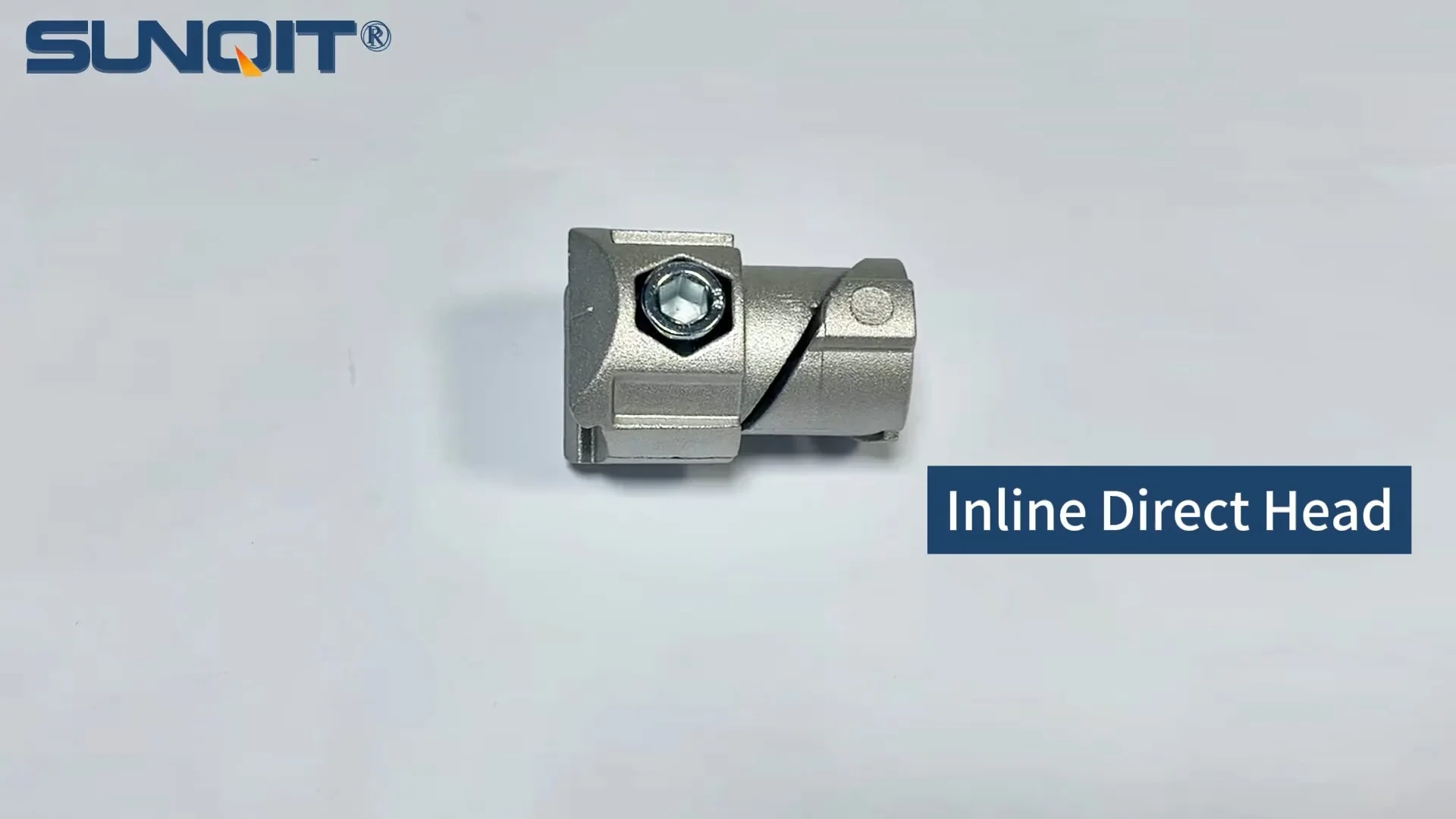
Internal straight aluminum joint
Aluminum pipe joint inside connection used for two pcs 28pcs aluminum pipe connection in straight angle,it connects two pcs pipe from inside.
Walk into any busy warehouse, manufacturing plant, or distribution center, and you'll notice a silent workforce hard at work: turnover carts. These unassuming workhorses glide across floors, carrying everything from raw materials to finished products, keeping assembly lines moving and orders fulfilled. But what makes a good turnover cart great? It's not just the wheels or the shelves—it's the hidden components that hold it all together. Today, we're shining a light on one such unsung hero: the internal straight aluminum joint. This small but mighty piece is revolutionizing how we build, use, and maintain turnover carts, turning logistical headaches into seamless operations.
Let's start with a story. Meet Maria, a logistics manager at a mid-sized automotive parts manufacturer. A few years back, her team was drowning in inefficiencies. Their old steel turnover carts were heavy—so heavy that workers strained to push them, leading to slow material transport and even occasional injuries. Worse, the carts were rigid: if the team needed to adjust a shelf height or add a divider, they'd have to call in a welder, wasting hours (or days) of production time. And don't get Maria started on rust. After just a few months in the plant's humid environment, the steel joints would corrode, making the carts wobbly and unsafe. "We were replacing carts every 18 months," she recalls. "It was a constant cycle of repair, replace, repeat."
Then, during a trade show, Maria stumbled upon a booth showcasing aluminum lean pipe systems. The sales rep demonstrated how a simple internal straight aluminum joint could connect lightweight aluminum pipes in minutes—no welding, no heavy tools. Intrigued, she ordered a small batch for testing. Today, two years later, Maria's warehouse runs on turnover carts built with internal straight aluminum joints. "The difference is night and day," she says. "Carts are lighter, workers move faster, and we can reconfigure a cart in 15 minutes flat. Rust? Gone. Downtime? Practically nonexistent."
Maria's story isn't unique. As logistics operations grow more complex—with tighter deadlines, smaller batch sizes, and a focus on sustainability—businesses are realizing that the "small parts" matter most. In this article, we'll dive into how the internal straight aluminum joint, paired with aluminum lean pipe and smart accessories, is transforming turnover carts and, in turn, logistics efficiency.
What Exactly Is an Internal Straight Aluminum Joint?
Let's keep it simple: an internal straight aluminum joint is a connector. Its job? To link two or more aluminum pipes in a straight line, forming the frame of a turnover cart, shelf, or workstation. But what makes it "internal" and "straight"? Unlike external joints that clamp around the outside of pipes, internal joints fit inside the pipe's hollow core, creating a sleek, low-profile connection. "Straight" means it's designed for linear connections—think the horizontal rails of a cart's frame or the vertical supports of a shelf—though it can also work with angled joints for more complex structures.
Made from high-grade aluminum alloy, these joints are lightweight yet surprisingly strong. Most are die-cast, which ensures precision and consistency—no two joints are slightly "off," which is critical for building stable carts. The interior of the joint often features threads or a clamping mechanism; when you insert it into two aluminum pipes and tighten a screw (usually with a hex key), it expands slightly, gripping the pipe from the inside. No glue, no welding, no fuss. It's like a secure handshake between two pipes, and it can be undone just as easily if you need to reconfigure the cart later.
But why aluminum? Steel joints are stronger, right? While steel is indeed denser, aluminum offers a better balance of strength, weight, and corrosion resistance—three things that matter in logistics. Aluminum is naturally resistant to rust, so even in damp warehouses or outdoor loading docks, these joints hold up. They're also lighter than steel, which translates to lighter carts (hello, easier pushing!) and lower shipping costs when ordering parts. Plus, aluminum is recyclable, aligning with the sustainability goals many companies are prioritizing today.
Why Turnover Trolleys and Racks Are the Backbone of Logistics
Before we dive deeper into the joint itself, let's zoom out: why do turnover trolleys and racks matter so much? In short, they're the circulatory system of any operation that moves physical goods. Imagine a manufacturing plant without them: workers would carry parts by hand, slowing down assembly lines. A warehouse without turnover carts would rely on forklifts for every small move, clogging aisles and increasing the risk of accidents. Even e-commerce fulfillment centers depend on these carts to shuttle orders from picking stations to packing areas.
The problem? Traditional turnover carts often fall short in three key areas:
- Rigidity: Old steel carts are built to last—until you need to change them. Want to add a shelf? You'll need to drill holes or weld. Need a narrower cart for tight aisles? Good luck; steel frames aren't adjustable. This rigidity makes it hard to adapt to changing needs, like seasonal spikes or new product lines.
- Weight: Steel is heavy, and that weight adds up. A fully loaded steel cart can weigh 150+ pounds, making it tough for workers to maneuver, especially over uneven floors. This slows down material flow and increases the risk of strain injuries.
- Durability Gaps: Steel joints rust, plastic joints crack, and both wear out quickly under heavy use. When a joint fails, the cart becomes unstable, risking damage to goods (or worse, worker safety). Replacing joints or entire carts becomes a constant expense.
These issues aren't just inconveniences—they hit the bottom line. Slow material transport delays production. Frequent cart replacements eat into budgets. Worker injuries lead to downtime and higher insurance costs. It's no wonder logistics managers like Maria are hunting for better solutions.

How Internal Straight Aluminum Joints Solve These Problems (and Then Some)
The internal straight aluminum joint isn't a band-aid—it's a complete overhaul of how turnover carts are built. Let's break down how it addresses the three big issues above, and why it's become a go-to for forward-thinking operations.
Flexibility: Build, Rebuild, Repeat
Remember Maria's frustration with rigid steel carts? Aluminum joints eliminate that. Because internal straight aluminum joints connect pipes with a simple screw mechanism, you can disassemble and reassemble a cart in minutes. Need to shorten a shelf? Unscrew the joint, cut the pipe (if needed), and reattach. Want to add a vertical divider? Just insert a new pipe into the joint and tighten. It's modularity at its finest.
This flexibility is a game-changer for businesses with shifting needs. A food distribution center might use wide carts for bulk produce in summer and narrow, shelf-lined carts for holiday gift baskets in winter. A electronics manufacturer can reconfigure carts to fit new component sizes without waiting for custom fabrication. As one warehouse supervisor put it: "We used to design carts around our needs; now we design our needs around the carts—because the carts can keep up."
Lightweight Strength: Easier to Move, Easier to Use
Aluminum is about 30% lighter than steel, but don't let that fool you—it's still strong enough to handle heavy loads. A typical internal straight aluminum joint weighs less than 4 ounces, and aluminum lean pipe (which we'll dive into next) is similarly lightweight. The result? A fully loaded turnover cart that weighs 50-70 pounds instead of 150. That's a difference workers feel immediately.
"Our team used to dread pushing the steel carts to the assembly line," says Tom, a floor supervisor at a furniture factory that switched to aluminum systems. "Now, even our newer hires can zip a cart across the plant without breaking a sweat. We've cut transport time by 25% just because the carts are lighter." Lighter carts also mean less wear on floors and casters, extending the life of both the carts and the warehouse infrastructure.
Durability: Rust-Proof, Wear-Resistant, and Built to Last
Aluminum's natural corrosion resistance is a lifesaver in damp or messy environments. Unlike steel, it doesn't rust when exposed to moisture, so carts stay strong even in refrigerated warehouses, outdoor yards, or plants with high humidity. The internal design adds another layer of protection: since the joint sits inside the pipe, it's shielded from bumps, scrapes, and chemical spills that might damage external connectors.
But what about wear and tear? Aluminum alloy is surprisingly tough. Most internal straight joints are rated to handle 200+ pounds of vertical load per connection, and they won't crack or deform under repeated use. "We've had our first set of aluminum carts for three years now," Maria says. "The joints still tighten like new, and there's not a speck of rust. We used to replace steel carts every 18 months; these will easily last 5+ years."
Cost-Efficiency: Save Now, Save Later
At first glance, aluminum joints might cost a bit more than plastic or basic steel joints. But factor in longevity, reduced downtime, and lower replacement costs, and the math shifts dramatically. Let's do a quick comparison: A steel turnover cart costs $200 and lasts 18 months. An aluminum cart with internal straight joints costs $250 but lasts 5 years. Over 5 years, you'd spend $667 on steel carts (replacing them 3x) vs. $250 on aluminum. Add in savings from reduced labor (no welding, faster reconfigurations) and fewer worker injuries, and aluminum becomes the clear budget winner.

Aluminum Lean Pipe: The Perfect Partner for Internal Straight Joints
A joint is only as good as the pipe it connects. That's why internal straight aluminum joints shine brightest when paired with aluminum lean pipe. So, what exactly is aluminum lean pipe? Think of it as the "building block" of modern turnover carts: lightweight, hollow aluminum tubes, usually 28mm or 30mm in diameter, designed for modular assembly.
Aluminum lean pipe has a few key advantages over traditional steel or plastic pipe:
- Lightweight but Strong: As we mentioned, aluminum is lighter than steel but still strong enough for most industrial loads. A 6-foot length of 28mm aluminum lean pipe weighs just 1.5 pounds, compared to 4 pounds for steel pipe of the same size.
- Smooth, Clean Finish: Aluminum lean pipe often comes with an anodized coating, which gives it a sleek, professional look and adds extra corrosion resistance. No sharp edges or rough spots to snag materials or injure workers.
- Recyclable: Sustainability matters, and aluminum is 100% recyclable without losing quality. When a cart reaches the end of its life, the pipes and joints can be melted down and reused, reducing waste.
The real magic happens when aluminum lean pipe meets the internal straight aluminum joint. The pipe's hollow core is perfectly sized to fit the joint, creating a tight, secure connection. Because both are made of aluminum, they expand and contract at the same rate with temperature changes, preventing loosening over time. And since the joint is internal, the pipe's outer surface stays smooth—no bulky external clamps to catch on doorways or shelves.
"It's like a puzzle that always fits," says Jake, a plant engineer who helped his company transition to aluminum systems. "We used to struggle with steel pipes and external clamps—they'd loosen, the pipes would bend, and the whole cart would wobble. With aluminum lean pipe and internal joints, everything stays tight. We can build a cart in under an hour, and it stays stable for years."
Aluminum Profile Accessories: The Icing on the Logistics Cake
A turnover cart isn't just pipes and joints—it's a system. And like any good system, it's made better with the right accessories. Aluminum profile accessories are the supporting cast that turns a basic frame into a fully functional, customized tool. Let's look at a few key players that work hand-in-hand with internal straight aluminum joints and aluminum lean pipe.
Casters: The Wheels That Move the Operation
What good is a lightweight cart if its wheels don't roll smoothly? High-quality casters are a must, and aluminum systems pair perfectly with durable, swivel casters. Most aluminum cart frames include mounting points for casters (often using—you guessed it—aluminum joints), so you can choose from locking, non-locking, heavy-duty, or even shock-absorbing wheels depending on your needs. "We use locking casters on carts that stay at workstations and smooth-rolling ones for transport," Maria says. "The aluminum frame is light enough that even the heavy-duty casters don't slow us down."
End Caps and Covers: Protecting Pipes and People
Aluminum lean pipe has open ends, which can be sharp or collect dust. End caps—small, rubber or plastic covers that snap onto pipe ends—solve both problems. They protect workers from cuts and keep debris out of the pipes, ensuring joints stay clean and tight. Some end caps even come with built-in bumpers to reduce noise when carts collide with walls or racks.
Clamps and Brackets: Adding Functionality
Need to attach a shelf, a tool holder, or a bin to your cart? Aluminum profile clamps and brackets make it easy. These accessories slide into the T-slots of aluminum pipes (another handy feature of aluminum lean pipe) or connect via joints, letting you add components without drilling or welding. "We added small bins to our carts using aluminum brackets," Tom from the furniture factory says. "Now workers can carry tools and parts in one trip instead of two. It's the little things that add up."
| Accessory | Function | Benefit to Logistics |
|---|---|---|
| Swivel Casters with Brakes | 360° movement, secure locking | Easy maneuvering in tight spaces; carts stay put during loading/unloading |
| Rubber End Caps | Covers pipe ends | Reduces noise, prevents dust buildup, protects workers from sharp edges |
| T-Slot Clamps | Attaches shelves, bins, or tools to pipes | Customizes carts for specific tasks; no drilling or welding required |
| Adjustable Leveling Feet | Stabilizes carts on uneven floors | Prevents wobbling; protects fragile goods during transport |
These accessories don't just make carts more functional—they make them safer, quieter, and more tailored to your operation. And because they're all designed for aluminum systems, they integrate seamlessly with internal straight joints, ensuring the entire cart works as one cohesive unit.
Real Results: How Businesses Are Winning with Aluminum Turnover Carts
Numbers and features are great, but nothing tells the story like real-world results. Let's look at three businesses that swapped traditional carts for aluminum systems with internal straight joints—and reaped the rewards.
Case Study 1: Automotive Parts Manufacturer Cuts Transport Time by 30%
A mid-sized automotive parts plant in Michigan was struggling with slow material flow between its stamping and assembly lines. Their steel carts were heavy, and workers took 12 minutes on average to move parts from Point A to Point B. After switching to aluminum lean pipe carts with internal straight joints, the average transport time dropped to 8 minutes. Why? Lighter carts meant faster movement, and adjustable shelves let workers load more parts per trip. "We're moving 30% more parts per hour with the same number of workers," the plant manager reported. "It's like adding an extra shift without the cost."
Case Study 2: E-Commerce Fulfillment Center Reduces Cart Replacements by 75%
An e-commerce giant's regional fulfillment center was replacing 200+ steel turnover carts annually due to rust and joint failure. The cost? Over $40,000 per year. They switched to aluminum carts with internal straight joints and aluminum lean pipe. Three years later, they've replaced just 50 carts total. "Aluminum doesn't rust, and the joints hold up to daily abuse," the logistics director noted. "We've saved over $100,000 in replacement costs alone, not counting the labor saved from fewer repairs."
Case Study 3: Bakery Streamlines Custom Orders with Modular Carts
A specialty bakery known for custom wedding cakes needed a way to transport delicate pastries and tools between prep stations and delivery vans. Their old wooden carts were bulky and couldn't be adjusted for different cake sizes. With aluminum carts built using internal straight joints, they now have 10 modular carts that can be reconfigured in minutes: wider shelves for large cakes, dividers for cupcakes, or hooks for decorating tools. "We used to have 5 different cart types taking up space," the owner said. "Now 10 aluminum carts do the job of 20 wooden ones. And they're so light, our delivery drivers can load them into vans without help."
The Future of Logistics: Modular, Sustainable, and Built on Aluminum
Logistics isn't standing still—and neither are the tools that power it. As Industry 4.0 takes hold, with smart warehouses, IoT tracking, and demand for faster, more flexible operations, modularity and sustainability are becoming non-negotiable. Aluminum turnover carts with internal straight joints fit perfectly into this future.
Modularity aligns with the "batch-of-one" trend: as customers demand more customized products, manufacturers and distributors need tools that can adapt quickly. Aluminum systems let you build a cart for a specific order, then tear it down and rebuild it for the next. Sustainability, too, is key. Aluminum is recyclable, and lightweight carts reduce energy use (less fuel for delivery vans, lower electricity for warehouse equipment). "Green logistics isn't just a buzzword—it's a business imperative," says an industry analyst. "Aluminum systems check both boxes: they're flexible enough for modern operations and sustainable enough for the planet."
Looking ahead, we'll likely see even more innovation in aluminum joint and pipe design—think integrated sensors to track cart location, or 3D-printed custom joints for hyper-specific needs. But for now, the internal straight aluminum joint remains the cornerstone of the modern turnover cart, proving that sometimes, the smallest components make the biggest impact.
The Bottom Line: Small Joints, Big Results
Logistics efficiency isn't about grand gestures—it's about the details. Turnover carts are one of those details, and the internal straight aluminum joint is the detail that makes them work harder, smarter, and longer. From Maria's automotive plant to the e-commerce fulfillment center saving tens of thousands, businesses are discovering that swapping steel for aluminum, and external clamps for internal joints, isn't just an upgrade—it's a transformation.
So, what's next for your operation? If you're tired of heavy, rigid, short-lived carts, it might be time to explore aluminum lean pipe systems. Start small: order a few internal straight aluminum joints, some aluminum lean pipe, and a set of casters. Build a cart, test it, and see the difference for yourself. Chances are, you'll wonder how you ever managed without it.
After all, in logistics, the goal is simple: move more, wait less, and keep costs down. With internal straight aluminum joints and aluminum turnover carts, that goal isn't just achievable—it's inevitable.