- Company Articles
- Products and Technology
- Product knowledge
- Internal Straight Aluminum Joint Selection Guide: Matching to Your Lean System Needs

Internal Straight Aluminum Joint Selection Guide: Matching to Your Lean System Needs
Related Product
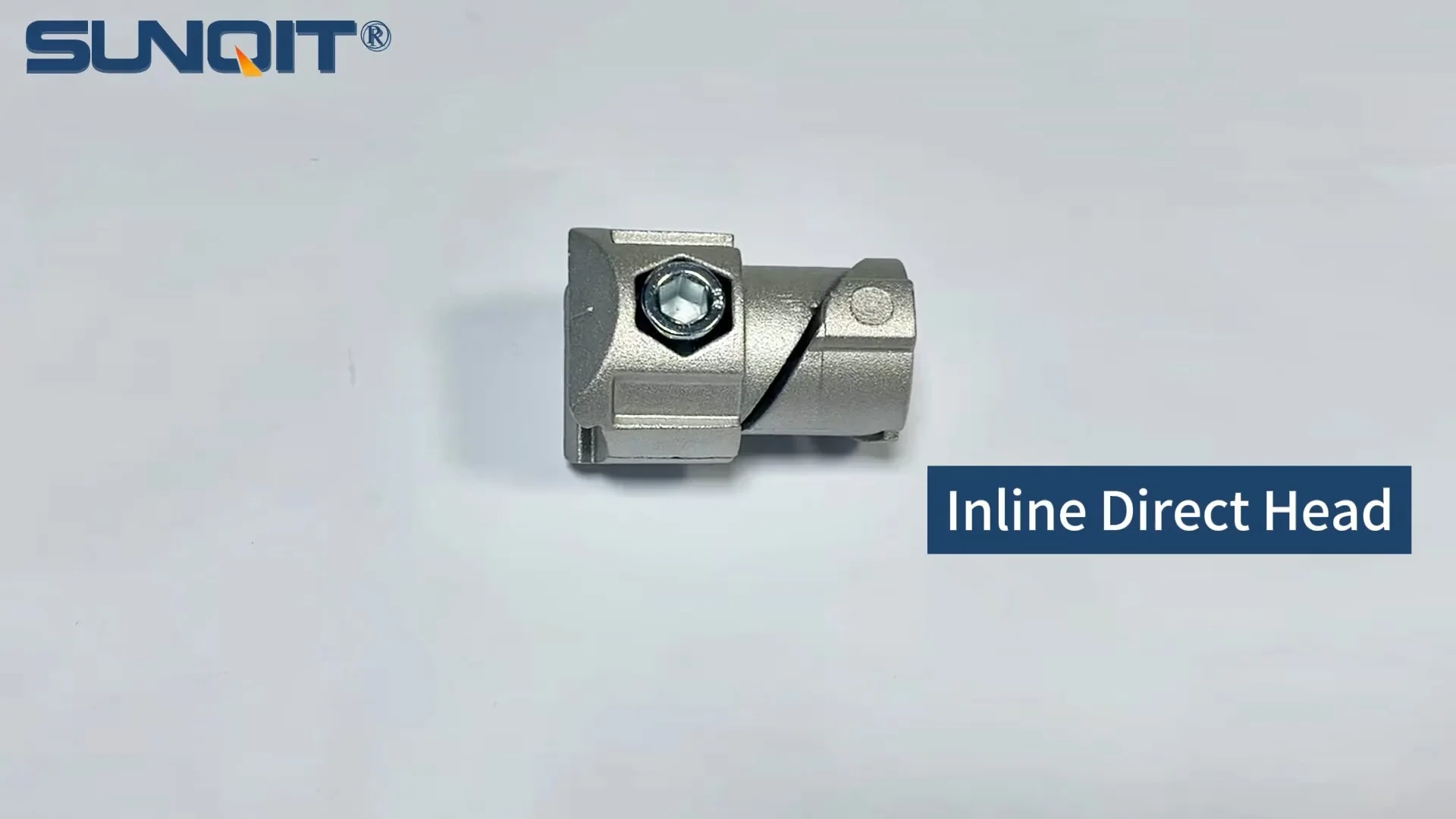
Internal straight aluminum joint
Aluminum pipe joint inside connection used for two pcs 28pcs aluminum pipe connection in straight angle,it connects two pcs pipe from inside.
Introduction: The Backbone of Lean Systems
In the fast-paced world of modern manufacturing and warehouse operations, efficiency isn't just a buzzword—it's the lifeblood of success. Lean systems, designed to minimize waste and maximize productivity, have become the gold standard for businesses aiming to stay competitive. But here's the thing: even the most well-designed lean system is only as strong as its components. Enter the
internal straight aluminum joint
—a small but mighty part that often goes unnoticed until something goes wrong.
Imagine walking into a bustling factory where assembly lines hum, materials flow seamlessly, and workbenches stand sturdy under the weight of tools and products. Behind that harmony is a network of aluminum extrusion profiles connected by precision-engineered joints. These joints are the unsung heroes, ensuring stability, flexibility, and durability in every structure—from workbenches to material racks, conveyors to turnover trolleys.
But choosing the right internal straight aluminum joint isn't a one-size-fits-all task. With countless profile sizes, material grades, and application demands, selecting a joint that aligns with your lean system's unique needs can feel overwhelming. That's where this guide comes in. We'll break down the key factors to consider, common pitfalls to avoid, and best practices to ensure your joints—and your lean system—perform at their best. Whether you're a seasoned operations manager or a small business owner setting up your first workshop, this guide will help you make informed decisions that save time, money, and headaches down the line.
Imagine walking into a bustling factory where assembly lines hum, materials flow seamlessly, and workbenches stand sturdy under the weight of tools and products. Behind that harmony is a network of aluminum extrusion profiles connected by precision-engineered joints. These joints are the unsung heroes, ensuring stability, flexibility, and durability in every structure—from workbenches to material racks, conveyors to turnover trolleys.
But choosing the right internal straight aluminum joint isn't a one-size-fits-all task. With countless profile sizes, material grades, and application demands, selecting a joint that aligns with your lean system's unique needs can feel overwhelming. That's where this guide comes in. We'll break down the key factors to consider, common pitfalls to avoid, and best practices to ensure your joints—and your lean system—perform at their best. Whether you're a seasoned operations manager or a small business owner setting up your first workshop, this guide will help you make informed decisions that save time, money, and headaches down the line.
What Are Internal Straight Aluminum Joints, Anyway?
Let's start with the basics: What exactly is an internal straight aluminum joint? Simply put, it's a connector designed to join two
aluminum profiles
in a straight, linear configuration. Unlike external joints, which wrap around the outside of profiles, internal joints fit inside the profile's T-slots, creating a sleek, low-profile connection that maximizes space and minimizes obstruction.
Think of it like a hidden hinge in a door—you don't see it, but it's critical for smooth, reliable function. Internal straight joints are typically made from high-grade aluminum alloys, chosen for their strength-to-weight ratio and resistance to corrosion. They come in various designs, but most feature threaded holes or slots that allow bolts, screws, or other aluminum profile accessories to secure the connection tightly.
Why go internal? For starters, they offer a cleaner look, which matters in environments where organization and visual clarity are part of the lean philosophy. More importantly, internal joints distribute stress evenly across the profile, reducing the risk of bending or warping under load. This is especially crucial in dynamic settings, like conveyor systems or mobile trolleys, where vibrations and movement can loosen weaker connections over time.
Whether you're building a simple workbench or a complex material handling system, internal straight aluminum joints play a pivotal role in maintaining structural integrity. They're the quiet enforcers of stability, ensuring your lean system doesn't just look efficient—it is efficient.
Think of it like a hidden hinge in a door—you don't see it, but it's critical for smooth, reliable function. Internal straight joints are typically made from high-grade aluminum alloys, chosen for their strength-to-weight ratio and resistance to corrosion. They come in various designs, but most feature threaded holes or slots that allow bolts, screws, or other aluminum profile accessories to secure the connection tightly.
Why go internal? For starters, they offer a cleaner look, which matters in environments where organization and visual clarity are part of the lean philosophy. More importantly, internal joints distribute stress evenly across the profile, reducing the risk of bending or warping under load. This is especially crucial in dynamic settings, like conveyor systems or mobile trolleys, where vibrations and movement can loosen weaker connections over time.
Whether you're building a simple workbench or a complex material handling system, internal straight aluminum joints play a pivotal role in maintaining structural integrity. They're the quiet enforcers of stability, ensuring your lean system doesn't just look efficient—it is efficient.

Why the Right Joint Matters for Your Lean System
You might be thinking, "It's just a joint—how much difference can it really make?" The answer: more than you'd expect. A mismatched or low-quality internal straight aluminum joint can turn a well-planned lean system into a source of frustration, downtime, and even safety risks. Here's why getting it right is non-negotiable:
Stability = Productivity: Lean systems thrive on predictability. A wobbly workbench or a sagging material rack doesn't just slow down operations—it creates bottlenecks. Internal straight joints ensure profiles stay aligned, even under repeated use. This stability means employees can focus on their tasks without worrying about equipment failures.
Flexibility for Adaptability: One of the core principles of lean is adaptability. Businesses grow, processes change, and your lean system needs to keep up. High-quality internal joints allow for quick disassembly and reconfiguration. Swap out a section of your conveyor, add a shelf to a rack, or adjust a workbench height—all without replacing the entire structure. Cheap joints, on the other hand, often seize up or strip threads, making adjustments a nightmare.
Durability = Long-Term Savings: Lean systems are investments, and like any investment, you want them to last. Aluminum joints resistant to corrosion and wear can withstand the harsh conditions of factories—dust, moisture, temperature fluctuations—without degrading. This means fewer replacements, less downtime, and lower maintenance costs over time.
Safety First: A joint that fails under load isn't just an inconvenience; it's a hazard. Imagine a material rack loaded with heavy parts suddenly collapsing because the joints couldn't handle the weight. The cost of injuries, damaged inventory, and lost productivity far outweighs the price of a quality joint.
In short, the internal straight aluminum joint is the glue that holds your lean system together. Skimping on it is like using duct tape to fix a broken beam—eventually, it will fail. The good news? With the right knowledge, selecting the perfect joint is easier than you think.
Stability = Productivity: Lean systems thrive on predictability. A wobbly workbench or a sagging material rack doesn't just slow down operations—it creates bottlenecks. Internal straight joints ensure profiles stay aligned, even under repeated use. This stability means employees can focus on their tasks without worrying about equipment failures.
Flexibility for Adaptability: One of the core principles of lean is adaptability. Businesses grow, processes change, and your lean system needs to keep up. High-quality internal joints allow for quick disassembly and reconfiguration. Swap out a section of your conveyor, add a shelf to a rack, or adjust a workbench height—all without replacing the entire structure. Cheap joints, on the other hand, often seize up or strip threads, making adjustments a nightmare.
Durability = Long-Term Savings: Lean systems are investments, and like any investment, you want them to last. Aluminum joints resistant to corrosion and wear can withstand the harsh conditions of factories—dust, moisture, temperature fluctuations—without degrading. This means fewer replacements, less downtime, and lower maintenance costs over time.
Safety First: A joint that fails under load isn't just an inconvenience; it's a hazard. Imagine a material rack loaded with heavy parts suddenly collapsing because the joints couldn't handle the weight. The cost of injuries, damaged inventory, and lost productivity far outweighs the price of a quality joint.
In short, the internal straight aluminum joint is the glue that holds your lean system together. Skimping on it is like using duct tape to fix a broken beam—eventually, it will fail. The good news? With the right knowledge, selecting the perfect joint is easier than you think.

Key Factors to Consider When Selecting Internal Straight Aluminum Joints
Now that we've established why these joints matter, let's dive into the nitty-gritty of selection. Choosing the right internal straight aluminum joint involves balancing several factors, each tied to your specific lean system's needs. Below, we'll break down the most critical considerations to guide your decision.
1. Material Compatibility: Matching Alloys for Strength
Aluminum profiles come in various alloys, each with unique properties. The most common in lean systems are 6061 and 6063 alloys—6061 is stronger and more durable, while 6063 offers better corrosion resistance and a smoother finish. Your internal straight joint's material should complement your profile's alloy to avoid issues like galvanic corrosion (a chemical reaction between dissimilar metals) or uneven stress distribution.
Most reputable manufacturers produce joints from the same alloy family as their profiles, ensuring compatibility. For example, if you're using 6063 aluminum extrusion profiles , opt for a joint made from 6063 aluminum. This isn't just about strength—it's about longevity. A joint that reacts poorly with your profile will degrade faster, leading to loose connections and costly repairs.
Pro tip: Check the supplier's specifications for both the joint and the profile. Look for terms like "alloy match" or "compatible with 6061/6063 profiles" to ensure a seamless fit.
Most reputable manufacturers produce joints from the same alloy family as their profiles, ensuring compatibility. For example, if you're using 6063 aluminum extrusion profiles , opt for a joint made from 6063 aluminum. This isn't just about strength—it's about longevity. A joint that reacts poorly with your profile will degrade faster, leading to loose connections and costly repairs.
Pro tip: Check the supplier's specifications for both the joint and the profile. Look for terms like "alloy match" or "compatible with 6061/6063 profiles" to ensure a seamless fit.
2. Profile Size and T-Slot Design: A Perfect Fit
Aluminum profiles come in standard sizes, typically labeled by their width and height (e.g., 2020, 3030, 4040, 4080). A 2020 profile, for example, measures 20mm x 20mm, while a 4040 is 40mm x 40mm. Internal straight joints are designed to fit specific profile sizes—using a 2020 joint on a 4040 profile is like trying to put a square peg in a round hole: it won't work.
Equally important is the T-slot design. T-slots are the grooves running along the profile's length, where accessories like joints, brackets, and panels attach. Slots vary in width and depth (e.g., 6mm, 8mm, 10mm), and your joint must match these dimensions to secure properly. A joint with a 6mm bolt won't grip a profile with an 8mm T-slot, leading to loose connections.
To avoid size mismatches, create a quick reference chart of your existing or planned profile sizes. For example:
Remember, some suppliers use proprietary sizing, so always cross-verify with their product charts. When in doubt, ask for a sample joint to test with your profile before placing a bulk order—it's a small step that can save you from a big mistake.
Equally important is the T-slot design. T-slots are the grooves running along the profile's length, where accessories like joints, brackets, and panels attach. Slots vary in width and depth (e.g., 6mm, 8mm, 10mm), and your joint must match these dimensions to secure properly. A joint with a 6mm bolt won't grip a profile with an 8mm T-slot, leading to loose connections.
To avoid size mismatches, create a quick reference chart of your existing or planned profile sizes. For example:
| Profile Size (mm) | Common T-Slot Width (mm) | Compatible Internal Straight Joint Model |
|---|---|---|
| 2020 | 6 | ISJ-2020-6 |
| 3030 | 8 | ISJ-3030-8 |
| 4040 | 8 or 10 | ISJ-4040-8 / ISJ-4040-10 |
| 4080 | 10 | ISJ-4080-10 |
Remember, some suppliers use proprietary sizing, so always cross-verify with their product charts. When in doubt, ask for a sample joint to test with your profile before placing a bulk order—it's a small step that can save you from a big mistake.
3. Load Capacity: Know Your Weight Limits
Every lean system component has a breaking point, and internal straight aluminum joints are no exception. Load capacity—the maximum weight a joint can support—varies widely based on design, material thickness, and manufacturing quality. Ignoring this is a recipe for disaster.
Start by calculating the load your structure will bear. For a static application like a workbench , consider the weight of tools, materials, and workers (if applicable). For dynamic systems like conveyors or mobile trolleys, factor in additional stress from movement, vibrations, and sudden stops. As a rule of thumb, aim for a joint with a load capacity 20-30% higher than your calculated maximum load—this "safety margin" accounts for unexpected stressors.
Suppliers typically list load capacities in kilograms (kg) or pounds (lbs) for both static (stationary) and dynamic (moving) loads. For example, a joint rated for 200kg static load might only handle 150kg dynamically. Always prioritize dynamic load ratings for systems that move, like roller track assemblies or turnover trolleys.
Real-world example: A material rack B (3 row and 3 floor) designed to hold 50kg per shelf would need joints rated for at least 150kg (50kg x 3 shelves) plus the weight of the profiles themselves. Skimping on a joint with a 100kg rating here could lead to shelf collapse—costing you inventory and downtime.
Start by calculating the load your structure will bear. For a static application like a workbench , consider the weight of tools, materials, and workers (if applicable). For dynamic systems like conveyors or mobile trolleys, factor in additional stress from movement, vibrations, and sudden stops. As a rule of thumb, aim for a joint with a load capacity 20-30% higher than your calculated maximum load—this "safety margin" accounts for unexpected stressors.
Suppliers typically list load capacities in kilograms (kg) or pounds (lbs) for both static (stationary) and dynamic (moving) loads. For example, a joint rated for 200kg static load might only handle 150kg dynamically. Always prioritize dynamic load ratings for systems that move, like roller track assemblies or turnover trolleys.
Real-world example: A material rack B (3 row and 3 floor) designed to hold 50kg per shelf would need joints rated for at least 150kg (50kg x 3 shelves) plus the weight of the profiles themselves. Skimping on a joint with a 100kg rating here could lead to shelf collapse—costing you inventory and downtime.
4. Assembly and Adjustability: Speed and Flexibility
Lean systems are all about adaptability, and your internal straight joint should reflect that. Traditional joints often require tools like hex keys or wrenches for assembly, which isn't a problem for permanent structures. But if you anticipate reconfiguring your system (e.g., adding shelves, extending conveyors), look for tool-less or quick-assembly joints.
Some joints feature cam levers or thumb screws that allow for easy tightening and loosening, cutting setup time from minutes to seconds. Others come with pre-threaded holes that work with aluminum profile accessories like T-slot nuts and bolts, making adjustments a breeze. For example, a joint with a captive nut (a nut fixed inside the joint) eliminates the need to hold a nut in place while tightening, speeding up assembly.
Consider your team's expertise, too. If you have a small staff or frequent turnover, a tool-less joint reduces the risk of assembly errors. On the flip side, if your structure is permanent and requires maximum stability, a bolted joint (while slower to assemble) may offer a tighter, more secure connection.
Some joints feature cam levers or thumb screws that allow for easy tightening and loosening, cutting setup time from minutes to seconds. Others come with pre-threaded holes that work with aluminum profile accessories like T-slot nuts and bolts, making adjustments a breeze. For example, a joint with a captive nut (a nut fixed inside the joint) eliminates the need to hold a nut in place while tightening, speeding up assembly.
Consider your team's expertise, too. If you have a small staff or frequent turnover, a tool-less joint reduces the risk of assembly errors. On the flip side, if your structure is permanent and requires maximum stability, a bolted joint (while slower to assemble) may offer a tighter, more secure connection.
5. Environmental Factors: Protecting Against the Elements
Your lean system's environment plays a big role in joint selection. Is your facility humid? Do you handle chemicals or corrosive materials? Are there extreme temperature fluctuations? These factors can degrade joints over time, even if they're made from high-quality aluminum.
For humid or wet environments (e.g., food processing plants, outdoor warehouses), look for joints with anodized finishes. Anodization creates a protective oxide layer on the aluminum surface, boosting corrosion resistance. For ESD-sensitive areas like electronics manufacturing, consider ESD-safe joints—these are treated to dissipate static electricity, preventing damage to sensitive components (though ESD protection is more common in ESD workstations , it's worth noting for joint selection).
Temperature extremes can also affect joint performance. Aluminum expands and contracts with heat and cold, so joints in environments with frequent temperature swings need enough flexibility to accommodate this movement without loosening. Look for joints with adjustable tightening mechanisms (like lock nuts) that can be re-tightened if expansion causes slack.
For humid or wet environments (e.g., food processing plants, outdoor warehouses), look for joints with anodized finishes. Anodization creates a protective oxide layer on the aluminum surface, boosting corrosion resistance. For ESD-sensitive areas like electronics manufacturing, consider ESD-safe joints—these are treated to dissipate static electricity, preventing damage to sensitive components (though ESD protection is more common in ESD workstations , it's worth noting for joint selection).
Temperature extremes can also affect joint performance. Aluminum expands and contracts with heat and cold, so joints in environments with frequent temperature swings need enough flexibility to accommodate this movement without loosening. Look for joints with adjustable tightening mechanisms (like lock nuts) that can be re-tightened if expansion causes slack.
6. Cost vs. Quality: Balancing Your Budget
It's tempting to opt for the cheapest internal straight aluminum joint to save money, but as we've discussed, this is a false economy. Low-quality joints often use thinner material, poor machining, or inferior alloys—leading to premature failure. That said, you don't need to overspend on a joint with features you don't need.
Instead of focusing solely on price, prioritize value. A mid-range joint from a reputable supplier with the right load capacity, material compatibility, and finish will cost more upfront but save you money in the long run. Compare suppliers, read reviews, and ask for referrals from other lean system users—word-of-mouth is often the best indicator of quality.
Pro tip: Many suppliers offer bulk discounts for wholesale orders, so if you're building a large lean system, consider buying in quantity. Just ensure the joint meets all your technical requirements first—discounts mean nothing if the product fails.
Instead of focusing solely on price, prioritize value. A mid-range joint from a reputable supplier with the right load capacity, material compatibility, and finish will cost more upfront but save you money in the long run. Compare suppliers, read reviews, and ask for referrals from other lean system users—word-of-mouth is often the best indicator of quality.
Pro tip: Many suppliers offer bulk discounts for wholesale orders, so if you're building a large lean system, consider buying in quantity. Just ensure the joint meets all your technical requirements first—discounts mean nothing if the product fails.
Common Mistakes to Avoid
Even with careful planning, it's easy to fall into common traps when selecting internal straight aluminum joints. Here are the top mistakes to steer clear of:
Mistake #1: Assuming "One Size Fits All": Just because a joint works for a 3030 profile doesn't mean it will work for a 4040. Always match joint size to profile size—no exceptions.
Mistake #2: Overlooking T-Slot Compatibility: A joint that fits the profile's width but not its T-slot will never secure properly. Double-check T-slot dimensions (width and depth) before ordering.
Mistake #3: Ignoring Load Capacity for Cost: Saving $5 on a joint with insufficient load capacity isn't a deal—it's a liability. Always prioritize load ratings over price.
Mistake #4: Forgetting Environmental Needs: A joint that works in a dry warehouse may rust in a humid factory. Factor in your environment's unique challenges.
Mistake #5: Skipping Supplier Vetting: Not all suppliers are created equal. Avoid no-name brands with vague specifications—opt for established suppliers with a track record in lean system components.
Mistake #1: Assuming "One Size Fits All": Just because a joint works for a 3030 profile doesn't mean it will work for a 4040. Always match joint size to profile size—no exceptions.
Mistake #2: Overlooking T-Slot Compatibility: A joint that fits the profile's width but not its T-slot will never secure properly. Double-check T-slot dimensions (width and depth) before ordering.
Mistake #3: Ignoring Load Capacity for Cost: Saving $5 on a joint with insufficient load capacity isn't a deal—it's a liability. Always prioritize load ratings over price.
Mistake #4: Forgetting Environmental Needs: A joint that works in a dry warehouse may rust in a humid factory. Factor in your environment's unique challenges.
Mistake #5: Skipping Supplier Vetting: Not all suppliers are created equal. Avoid no-name brands with vague specifications—opt for established suppliers with a track record in lean system components.
Best Practices for Long-Term Success
Now that you know what to look for (and what to avoid), here are some final best practices to ensure your internal straight aluminum joints—and your lean system—stand the test of time:
1. Document Your System: Keep a detailed record of profile sizes, joint models, and load capacities for every structure in your lean system. This makes reordering replacements or expanding the system much easier.
2. Regular Inspections: Schedule monthly checks to tighten loose joints, especially in high-use areas like conveyors or workbenches. A quick 5-minute inspection can prevent a major failure later.
3. Train Your Team: Ensure employees assembling or reconfiguring the system understand how to properly install internal straight joints. Over-tightening can strip threads, while under-tightening leads to instability.
4. Partner with a Reliable Supplier: A good aluminum profile supplier isn't just a vendor—they're a resource. Look for suppliers who offer technical support, sample testing, and after-sales service. They can help you troubleshoot issues and recommend upgrades as your lean system evolves.
1. Document Your System: Keep a detailed record of profile sizes, joint models, and load capacities for every structure in your lean system. This makes reordering replacements or expanding the system much easier.
2. Regular Inspections: Schedule monthly checks to tighten loose joints, especially in high-use areas like conveyors or workbenches. A quick 5-minute inspection can prevent a major failure later.
3. Train Your Team: Ensure employees assembling or reconfiguring the system understand how to properly install internal straight joints. Over-tightening can strip threads, while under-tightening leads to instability.
4. Partner with a Reliable Supplier: A good aluminum profile supplier isn't just a vendor—they're a resource. Look for suppliers who offer technical support, sample testing, and after-sales service. They can help you troubleshoot issues and recommend upgrades as your lean system evolves.
Conclusion: Invest in the Details, Reap the Rewards
The internal straight aluminum joint may be small, but its impact on your lean system's performance is enormous. By prioritizing material compatibility, profile fit, load capacity, and environmental resilience, you're not just buying a component—you're investing in efficiency, safety, and long-term success.
Remember, lean systems are about continuous improvement, and that starts with the basics. A well-selected joint ensures your structure is stable, adaptable, and ready to meet the demands of a fast-paced operation. So take the time to research, test, and choose wisely—your bottom line (and your peace of mind) will thank you.
Now go out there and build a lean system that's as strong as it is efficient. Your joints have your back.
Remember, lean systems are about continuous improvement, and that starts with the basics. A well-selected joint ensures your structure is stable, adaptable, and ready to meet the demands of a fast-paced operation. So take the time to research, test, and choose wisely—your bottom line (and your peace of mind) will thank you.
Now go out there and build a lean system that's as strong as it is efficient. Your joints have your back.