- Company Articles
- Products and Technology
- Product knowledge
- Internal Straight Aluminum Joints for Mobile Workstations: Portability & Stability

Internal Straight Aluminum Joints for Mobile Workstations: Portability & Stability
Related Product
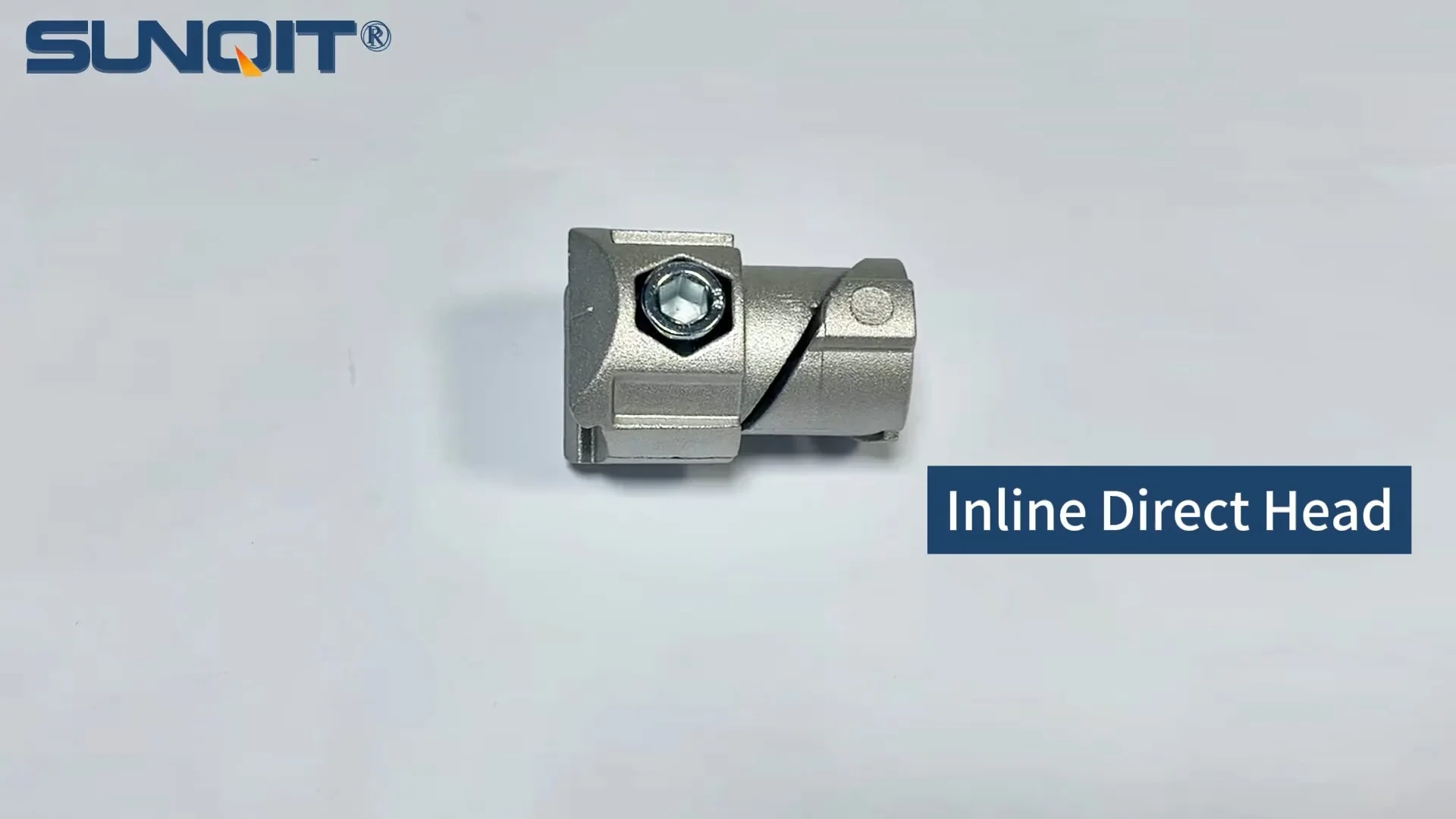
Internal straight aluminum joint
Aluminum pipe joint inside connection used for two pcs 28pcs aluminum pipe connection in straight angle,it connects two pcs pipe from inside.
Walk into any modern manufacturing facility, warehouse, or production plant, and you'll likely notice a common sight: mobile workstations gliding smoothly across the floor, carrying tools, materials, and even entire assembly setups. These workhorses of efficiency are the backbone of lean operations, designed to keep workflows agile, reduce downtime, and adapt to ever-changing production needs. But here's the catch—for all their mobility, these workstations often face a critical trade-off: portability versus stability. A wobbly workstation can throw off precision tasks, slow down assembly lines, or even compromise safety. Enter the unsung hero of this balance: the internal straight aluminum joint. In this article, we'll dive into how these unassuming components are revolutionizing mobile workstations, making them both easy to move and rock-solid in performance. We'll explore their design, benefits, and real-world impact, with a special focus on how they pair with aluminum lean pipe, aluminum profile accessories, and caster wheels to create workstations that truly work as hard as your team does.
The Great Balancing Act: Why Portability and Stability Clash in Traditional Workstations
Let's start by understanding the challenge. For decades, manufacturers relied on heavy steel workstations bolted to the floor for stability. They were sturdy, no doubt, but about as mobile as a brick wall. When production lines needed to reconfigure—say, shifting from assembling laptops to tablets—moving these behemoths meant bringing in forklifts, disrupting workflows for hours, and often damaging floors in the process. Not exactly "lean" by any stretch.
Then came the era of lightweight workstations. Teams started using basic pipes, plastic joints, and casters to build setups that could be wheeled around with ease. Suddenly, reconfiguring a line took minutes, not days. But there was a new problem: stability. These lightweight systems often felt flimsy. A slight bump from a pallet jack, or even a technician leaning on the edge, could make the workstation wobble. Precision tasks like electronics assembly or quality inspection suffered—no one wants to solder a circuit board on a surface that shakes like a leaf in the wind.
The root of the issue? The joints. Traditional external joints—think bulky steel clamps or plastic connectors—protruded from the pipes, creating weak points where movement or stress could loosen connections over time. Worse, they added unnecessary weight, making even "mobile" workstations feel cumbersome. It was a classic case of choosing between two evils: heavy and stable, or light and wobbly. That is, until internal straight aluminum joints entered the scene.
Meet the Game-Changer: Internal Straight Aluminum Joints
If traditional joints were the square pegs in the round hole of modern mobility, internal straight aluminum joints are the custom-fit solution. These sleek, precision-engineered components are designed to connect aluminum lean pipe—another star player in lightweight workstation design—from the inside, creating a seamless, low-profile connection that's both strong and unobtrusive. But what makes them so special? Let's break it down.
Design That Prioritizes Both Strength and Simplicity
Imagine a joint that doesn't stick out like a sore thumb. Instead of clamping around the outside of a pipe, internal straight aluminum joints slide into the hollow core of aluminum lean pipe, using a combination of friction and precision machining to lock into place. This internal connection distributes weight evenly across the pipe's walls, reducing stress points and minimizing the risk of loosening over time. It's like building with LEGO blocks, but with the structural integrity of a well-built bookshelf.
The magic lies in their simplicity. Most internal straight aluminum joints feature a cylindrical body with grooves or ridges that grip the inner surface of the aluminum lean pipe. When inserted and secured—often with a simple set screw or cam lever—they form a bond that's surprisingly rigid, even under the weight of tools, materials, or heavy components. And because there are no external parts, there's less to catch on clothing, equipment, or passing carts, making the workstation safer and cleaner-looking.
Aluminum: The Material That Makes It All Possible
Let's talk about the "aluminum" in internal straight aluminum joints. Aluminum is a dream material for this application: it's lightweight (about a third the weight of steel), naturally resistant to corrosion, and easy to machine with precision. When paired with aluminum lean pipe—its tubular counterpart—you get a system that's both light enough to move and strong enough to stand up to daily use.
Aluminum lean pipe itself is no slouch. Unlike traditional steel pipes coated in plastic (which can chip or wear), aluminum lean pipe is smooth, durable, and maintains its integrity even in humid or dusty environments. When connected with internal straight aluminum joints, the two form a modular system that can be assembled, disassembled, and reconfigured in minutes—no welding, no heavy tools, just a few hand tools and a little know-how. This modularity is a cornerstone of lean manufacturing, where adaptability is key to reducing waste and improving efficiency.

Why Internal Straight Aluminum Joints Solve the Portability-Stability Dilemma
So, we've established that internal straight aluminum joints are well-designed and paired with great materials. But how do they specifically address the age-old conflict between portability and stability? Let's count the ways.
Stability That Doesn't Compromise on Weight
Here's a stat that matters: a typical internal straight aluminum joint weighs about 60% less than a comparable steel joint of the same strength. That might not sound like much on paper, but multiply that by dozens of joints in a single workstation, and the difference adds up fast. A workstation built with aluminum lean pipe and internal straight aluminum joints can weigh half as much as a steel-framed one, making it easy for a single person to move—even with caster wheels that glide smoothly over concrete or warehouse floors.
But lightness doesn't mean weakness. Thanks to the internal connection design and aluminum's inherent strength-to-weight ratio, these workstations hold their ground during use. Whether you're hammering, assembling, or stacking materials, the joints stay tight, and the frame stays rigid. No more "bounce" when you lean on the edge, no more worrying about tools sliding off because the surface wobbles—just steady, reliable stability.
Easy Assembly, Easy Reconfiguration
In the world of lean manufacturing, time is money. Traditional workstations with welded steel frames or complicated bolt-on joints take hours (or even days) to build and modify. Internal straight aluminum joints change that. Since they slide into place and secure with simple fasteners, assembling a basic workstation can take as little as 30 minutes—no specialized skills required. Need to add a shelf? Remove a section? Adjust the height? Just loosen a few screws, reposition the aluminum lean pipe, and tighten the joints back up. It's like rearranging furniture, but for your production line.
This flexibility is a game-changer for facilities that need to adapt quickly. A manufacturer making smartphone components today might need to switch to smartwatch parts tomorrow, requiring narrower workstations or additional material racks. With internal straight aluminum joints, that transition happens without delays or costly retooling.
Durability That Stands Up to the Grind
Let's be real: workstations take a beating. They're exposed to spills, dust, humidity, and constant use. Steel joints can rust; plastic joints can crack or warp. Internal straight aluminum joints? They're built to last. Aluminum's natural corrosion resistance means they won't rust, even in damp environments like food processing plants or outdoor warehouses. The internal design also protects the joint mechanism from dust and debris, reducing wear and tear over time. Many manufacturers report these joints lasting 5-7 years with minimal maintenance—far longer than the 2-3 year lifespan of typical plastic or steel alternatives.

Working in Harmony: Pairing with Caster Wheels and Workbenches
A great joint is only as good as the system it's part of. Internal straight aluminum joints truly shine when combined with two other key components: caster wheels and workbenches. Let's see how this trio comes together to create the ultimate mobile workstation.
Caster Wheels: The Final Touch for Portability
What good is a lightweight workstation if it's still a hassle to move? That's where caster wheels enter the picture. When paired with internal straight aluminum joints, high-quality caster wheels turn a stable frame into a mobile powerhouse. Look for caster wheels with ball bearings for smooth rolling, locking brakes to keep the workstation in place during use, and durable rubber or polyurethane treads to protect floors from scratches.
The key here is balance. Because internal straight aluminum joints keep the frame rigid, the weight of the workstation is distributed evenly across the caster wheels, preventing uneven wear or "sticking" when moving. Even fully loaded with tools and materials, a workstation on caster wheels glides effortlessly—no more straining to push or pull, no more uneven movement that jostles delicate parts.
Workbenches: From Basic to Bespoke
At the end of the day, a workstation is only useful if it provides a functional surface to work on. Internal straight aluminum joints make it easy to build custom workbenches tailored to specific tasks. Want a single-deck workbench without casters for a stationary assembly line? Done. Need a double-deck bench with shelves and drawers for tool storage? Just add more aluminum lean pipe and joints. The modular design means you're not stuck with a one-size-fits-all solution—you can build exactly what you need, when you need it.
Many manufacturers also offer pre-designed workbench kits that include internal straight aluminum joints, aluminum lean pipe, and accessories like tabletop surfaces (wood, plastic, or metal), LED task lights, or power strips. These kits take the guesswork out of assembly, so you can have a fully functional workstation up and running in no time.
How Do They Stack Up? A Comparison of Joint Types
Still not convinced that internal straight aluminum joints are worth the switch? Let's put them head-to-head with traditional joint types in a side-by-side comparison. This table breaks down the key features that matter most in a workstation joint:
| Feature | Traditional Steel Joints | Plastic Snap-On Joints | Internal Straight Aluminum Joints |
|---|---|---|---|
| Weight (per joint) | 8-10 oz | 3-4 oz | 2.5-3 oz |
| Assembly Time | 10-15 minutes (requires tools) | 5-7 minutes (tool-free, but less secure) | 2-3 minutes (simple tools, secure fit) |
| Stability Under Load | High (but heavy) | Low (prone to loosening) | High (even weight distribution) |
| Corrosion Resistance | Low (rusts without coating) | Medium (can warp in heat) | High (aluminum resists rust) |
| Reconfigurability | Low (welded or permanently bolted) | Medium (can break when repositioned) | High (easily disassembled and reused) |
| Cost (Long-Term) | High (heavy, requires replacement often) | Medium (cheap upfront, but short lifespan) | Medium-High (higher upfront, but lasts 2-3x longer) |
As the table shows, internal straight aluminum joints strike the perfect balance across the board: light yet stable, easy to assemble yet durable, and adaptable enough to grow with your needs. They're not just a joint—they're an investment in efficiency.
Real-World Impact: Where Internal Straight Aluminum Joints Shine
Theory is great, but nothing beats real-world results. Let's look at how internal straight aluminum joints are transforming workstations across different industries.
Electronics Manufacturing: Precision Meets Portability
In electronics assembly, where even a millimeter of wobble can ruin a circuit board, stability is non-negotiable. But production lines also need to be flexible—one day assembling smartphones, the next tablets, with different tools and layouts required each time. A leading electronics manufacturer in Vietnam recently switched to workstations built with aluminum lean pipe and internal straight aluminum joints. The result? Assembly time per unit dropped by 15%, thanks to workstations that could be reconfigured in minutes (instead of hours) and stayed steady during soldering and testing. Plus, the lighter weight reduced worker fatigue from moving stations between lines—another win for productivity.
Automotive Parts Production: Heavy-Duty Performance
Automotive manufacturing is tough on equipment—workstations often hold heavy tools, engines, or metal parts. A U.S.-based auto parts supplier was struggling with steel workstations that were durable but impossible to move, leading to bottlenecks when production lines needed to shift. They replaced the steel frames with aluminum lean pipe and internal straight aluminum joints, adding heavy-duty caster wheels. Now, a workstation holding 500 lbs of tools can be moved by one worker in 2 minutes, and the joints have held tight through months of daily use. The plant manager reported, "We used to need a forklift to reposition a workstation. Now, a single operator can do it during a break. It's like night and day."
Warehousing and Logistics: Adaptable Material Racks
Warehouses deal with ever-changing inventory, which means material racks need to adjust to different sizes and weights. A logistics company in Germany swapped out its fixed steel racks for mobile racks built with internal straight aluminum joints and aluminum lean pipe. The racks, equipped with caster wheels, can now be moved to where they're needed most—whether loading docks, packing stations, or storage areas. The internal joints ensure the racks stay stable even when fully loaded with boxes, and the aluminum construction resists the humidity of the warehouse environment. "We used to have racks sitting empty in one corner while workers carried boxes across the warehouse," said the warehouse supervisor. "Now, the racks come to the work, not the other way around."
Keeping Your Workstation in Top Shape: Maintenance Tips
Like any piece of equipment, workstations built with internal straight aluminum joints need a little care to stay at their best. The good news? Maintenance is minimal, thanks to aluminum's durability and the joints' simple design. Here's what you need to know:
Regular Inspections: A Quick Check Goes a Long Way
Set a schedule—monthly or quarterly, depending on usage—to inspect the joints. Look for loose set screws or cam levers (the fasteners that secure the joints in the aluminum lean pipe). Tighten them gently with a hex key or screwdriver if they're loose—over-tightening can strip the threads, so go easy. Also, check the aluminum lean pipe for dents or cracks, especially around the joints. A small dent might not seem like a big deal, but it can weaken the pipe's grip on the joint over time.
Cleaning: Simple and Effective
Aluminum doesn't need fancy cleaners. A damp cloth with mild soap and water is enough to wipe away dust, grease, or spills. Avoid harsh chemicals like bleach or abrasive sponges, which can scratch the surface and reduce corrosion resistance. For caster wheels, keep the bearings clean and lubricated with a few drops of machine oil every six months to ensure smooth rolling.
Reconfiguration: When Change is Needed
One of the best things about internal straight aluminum joints is how easy they are to reconfigure. When you need to adjust your workstation, start by removing any tools or materials, then loosen the joints one by one. Avoid forcing pipes out of joints—if they're stuck, gently twist while pulling to release the grip. Once repositioned, tighten the joints securely, and give the workstation a gentle shake to test stability before loading it back up.
The Future of Workstations: Built to Move, Built to Last
In a world where manufacturing and logistics demand more agility than ever, the tools we use to build our workspaces matter. Internal straight aluminum joints aren't just a better mousetrap—they're a reimagining of what a workstation can be: light yet strong, mobile yet stable, simple yet adaptable. Paired with aluminum lean pipe, caster wheels, and the right accessories, they create systems that grow with your business, reduce waste, and keep your team productive.
So, if you're still stuck with wobbly, heavy workstations that slow you down, it might be time to make the switch. Internal straight aluminum joints aren't just about connecting pipes—they're about connecting your operations to a more efficient, flexible future. And in today's fast-paced world, that's not just an advantage. It's a necessity.