- Company Articles
- Products and Technology
- Product knowledge
- Internal Straight Aluminum Joints for Small Batch Production: Flexibility Benefits

Internal Straight Aluminum Joints for Small Batch Production: Flexibility Benefits
Related Product
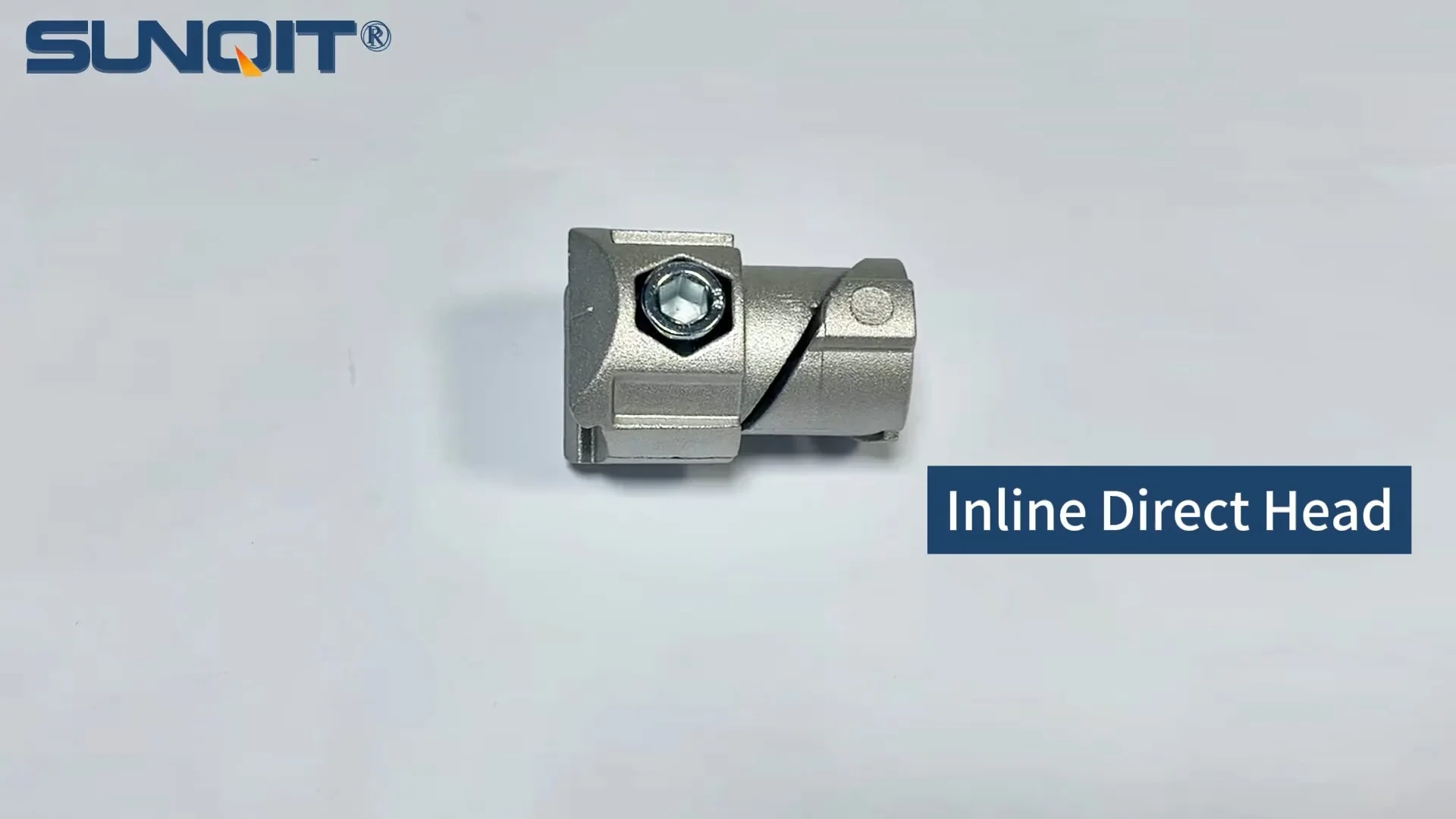
Internal straight aluminum joint
Aluminum pipe joint inside connection used for two pcs 28pcs aluminum pipe connection in straight angle,it connects two pcs pipe from inside.
Small batch production is the heartbeat of innovation. Whether it's a startup prototyping a new gadget, a local manufacturer fulfilling custom orders, or a niche workshop crafting artisanal goods, the ability to pivot quickly isn't just a luxury—it's the difference between thriving and falling behind. But here's the catch: traditional production setups, with their rigid metal frames, welded joints, and one-size-fits-all workbenches, were built for scale, not speed. They resist change, drain time, and leave little room for experimentation. Enter the unsung hero of agile manufacturing: the internal straight aluminum joint. Quietly revolutionizing how small teams build, adapt, and grow, these unassuming components are redefining what flexibility looks like on the factory floor.
The Landscape of Small Batch Production: Why Rigidity Kills Momentum
Let's start with the reality of small batch work. Unlike large-scale manufacturers churning out thousands of identical products, small producers deal in variability: a client wants a custom workbench with extra shelving; a new prototype requires reconfiguring the assembly line; seasonal demand spikes mean shifting from packaging A to packaging B in days, not weeks. In these scenarios, every minute spent dismantling old setups or waiting for custom parts is a minute lost to competitors.
Traditional solutions—think steel pipes welded into fixed frames or heavy wooden workbenches—were never designed for this. Welding requires skilled labor and downtime. Bolted joints rust, seize up, or strip when frequently adjusted. Even "modular" systems often lock you into specific configurations, with proprietary parts that force you to buy from a single supplier. For a small business operating on tight margins, this rigidity isn't just frustrating; it's financially unsustainable.
This is where aluminum-based systems, and specifically internal straight aluminum joints, have become game-changers. Lightweight, durable, and infinitely adaptable, they're built for the "change on the fly" demands of small batch production. But what exactly are these joints, and how do they solve the flexibility puzzle?
What Are Internal Straight Aluminum Joints? The Basics
At first glance, an internal straight aluminum joint looks simple: a cylindrical aluminum component with precision-machined grooves and internal threading, designed to connect two aluminum lean pipes in a straight line. But its simplicity is deceptive. Unlike external joints that clamp around pipes (and often add bulk or restrict movement), internal joints fit inside the hollow aluminum lean pipes, creating a seamless, low-profile connection. This design does two critical things: it reduces weight (aluminum is 30% lighter than steel) and eliminates the "bulk" that can get in the way of tools, materials, or workers on the line.
Made from high-grade aluminum alloy (typically 6063-T5, known for its strength and corrosion resistance), these joints are built to handle the daily wear of small batch environments—think repeated assembly/disassembly, exposure to workshop oils or coolants, and the occasional bump from a forklift. But their real magic lies in how they balance strength and adaptability. Tighten a set screw, and the joint locks into place, holding pipes steady under load. Loosen it, and you can twist, extend, or reposition the pipes in seconds—no welding, no special tools, no permanent commitments.

Design Features That Drive Flexibility: Why "Internal" and "Straight" Matter
1. Internal Fit: Streamlined and Space-Saving
External joints—those that clamp around the outside of pipes—add diameter to the connection point. This might not seem like a big deal until you're trying to slide a material bin between two shelves or fit a roller track close to a work surface. Internal joints eliminate this problem: the pipe and joint together maintain a consistent diameter, so shelves, tracks, or brackets can sit flush against the connection. For small workshops where space is at a premium, this "no-bulk" design is a lifesaver. Imagine a workbench where the shelf brackets attach directly to the main frame without gaps—more usable space, less wasted room.
2. Straight Configuration: The Foundation of Modularity
"Straight" might sound limiting, but in modular systems, straight joints are the building blocks. They form the vertical posts of workbenches, the horizontal rails of material racks, and the beams of turnover trolleys. By providing a rock-solid straight connection, they allow other components—like 90° elbows, 45° angles, or swivel joints—to attach with precision. For example, a small electronics manufacturer might start with a basic workbench frame using internal straight aluminum joints, then add a side shelf with a 90° joint, or a roller track with a T-connector. The straight joints ensure the base is stable, so the entire structure stays rigid even as you add on.
3. Tool-Free Adjustment: Speed Without Compromise
Most internal straight aluminum joints use a simple set screw or cam lever to lock into place. A standard hex key (or even just a hand-tightened lever) is all you need to loosen or secure them. Compare this to traditional bolted joints, which require wrenches and often need to be fully removed to adjust. In a small batch setting, where a team might reconfigure a workbench three times in a week, this tool-free speed adds up. A worker can adjust the height of a shelf in 30 seconds instead of 10 minutes—time that goes back into production, not setup.

Compatibility with Aluminum Lean Pipes and Accessories: A System That Grows With You
A joint is only as useful as the system it fits into, and internal straight aluminum joints shine here because they're designed to work with aluminum lean pipes—the lightweight, corrosion-resistant tubes that form the backbone of modern modular setups. Aluminum lean pipes (often 28mm or 30mm in diameter) are strong enough to support tools, materials, and workbenches but light enough for one person to maneuver. When paired with internal straight joints, they become a blank canvas for customization.
Let's take a common scenario: a small furniture maker needs a material rack to hold wooden planks of varying lengths. Using aluminum lean pipes and internal straight joints, they can build a base frame, then add horizontal rails at adjustable heights. If next month they need to store wider planks, they simply loosen the joints, slide the rails apart, and retighten. No cutting new pipes, no buying new parts—just adapt what they already have. And because aluminum lean pipe systems are standardized, accessories like caster wheels, roller tracks, or shelf brackets from any reputable lean system supplier will fit right in. This interoperability means you're never locked into a single brand or forced to overpay for proprietary parts.
| Feature | Traditional Steel/External Joint Systems | Aluminum Lean Pipes + Internal Straight Joints |
|---|---|---|
| Weight | Heavy (requires 2+ people to move) | Lightweight (single-person setup) |
| Adjustment Time | 30+ minutes (welding/bolting) | 2-5 minutes (tool-free set screws) |
| Corrosion Resistance | Prone to rust (needs painting/coating) | Naturally corrosion-resistant (no maintenance) |
| Space Efficiency | Bulky external joints waste space | Slim internal fit maximizes usable area |
Real-World Applications: How Small Producers Are Using Internal Straight Aluminum Joints
1. Workbenches: From Assembly Stations to Testing Benches
Workbenches are the workhorses of small production, and their design directly impacts efficiency. A electronics repair shop, for example, might need a bench with a static-free surface (ESD workstation) for handling circuit boards one day, then reconfigure it with tool hooks and a lower shelf for larger equipment the next. With internal straight aluminum joints, the bench's frame can be adjusted in height, width, or depth without replacing parts. Add a plywood top, and you're ready for the next job. And because aluminum doesn't conduct static electricity well (when paired with ESD accessories), it's a safe choice for sensitive electronics work.
2. Material Racks and Flow Racks: Keeping Parts Moving
In manufacturing, time spent searching for parts is time wasted. Flow racks—tilted shelves with roller tracks that let materials slide forward as they're used—solve this, but they need to be tailored to the size of your bins or boxes. Internal straight aluminum joints make building custom flow racks easy: set the angle of the rollers by adjusting the height of the rear joints, add or remove shelves by sliding pipes in/out, and even add side rails to keep bins from falling off. A bakery using small batch production, for instance, could build a flow rack for ingredient bins, with each shelf sized to fit different flour or sugar containers—no more mismatched storage or wasted space.
3. Turnover Trolleys: Mobile Solutions for a Dynamic Floor
Small workshops rarely have the luxury of dedicated areas for every task, so mobility matters. Turnover trolleys—carts used to move materials between stations—need to be sturdy but lightweight. By building trolleys with aluminum lean pipes and internal straight joints, teams can customize the size (to fit through doorways or elevators), add dividers for different parts, and even attach tool holders. When not in use, the trolley can be disassembled or folded to save space. A local brewery, for example, might use such a trolley to move kegs or bottles between the filling line and storage, adjusting the height of the shelves to match different container sizes.
Why Lean System Suppliers Prioritize Internal Straight Aluminum Joints
For lean system suppliers—companies that specialize in modular manufacturing solutions—internal straight aluminum joints are a cornerstone product because they align with the core principles of lean manufacturing: eliminate waste, optimize flow, and empower workers. These joints reduce waste by letting customers reuse components instead of buying new ones. They optimize flow by making setups faster and more adaptable. And they empower workers by putting control of the workspace in their hands—no waiting for maintenance or external contractors to make changes.
Reputable suppliers also understand that small businesses need more than just parts—they need support. That's why many offer design guides, online tutorials, or even free consultation to help customers plan their setups. A good lean system supplier won't just sell you a joint; they'll help you figure out how to use it to build the workbench, rack, or trolley that solves your specific problem.
The Long-Term Value: Cost Savings Beyond the Initial Purchase
It's easy to focus on upfront costs, but for small batch producers, the long-term savings of aluminum systems often outweigh the initial investment. Steel systems might be cheaper to buy, but they cost more to maintain (painting, replacing rusted parts), take longer to adjust (wasted labor), and are harder to reconfigure (limiting future growth). Aluminum systems, with internal straight joints, are almost maintenance-free—no rust, no painting, just occasional tightening of set screws. They also hold their value: if your business outgrows a setup, you can disassemble it and build something new, or even sell the parts to another small producer.
Consider a startup that begins with a single workbench and a small material rack. As they grow, they can expand their aluminum system by adding more pipes and joints, rather than replacing everything. Over five years, this adaptability can save tens of thousands of dollars compared to buying new steel setups every time needs change.
Conclusion: Flexibility as a Competitive Advantage
In small batch production, flexibility isn't just about being able to change—it's about being able to change quickly , cost-effectively , and without sacrificing quality . Internal straight aluminum joints, paired with aluminum lean pipes and accessories, deliver on all three. They turn static workspaces into dynamic environments where workers can adapt to new orders, new products, and new challenges in minutes, not days. They reduce waste, save time, and empower small businesses to compete with larger manufacturers by being more agile.
So the next time you walk into a small workshop, take a closer look at the workbenches, racks, and trolleys. Chances are, if they're built with aluminum and internal straight joints, that's a business that understands the value of flexibility. And in today's fast-paced market, that's the difference between keeping up and leading the way.