- Company Articles
- Products and Technology
- Procurement Guidelines
- Is 60 Aluminum Roller Track Green Right for Your Facility? A Buying Guide

Is 60 Aluminum Roller Track Green Right for Your Facility? A Buying Guide
Related Product
60 Aluminum Roller Track Green
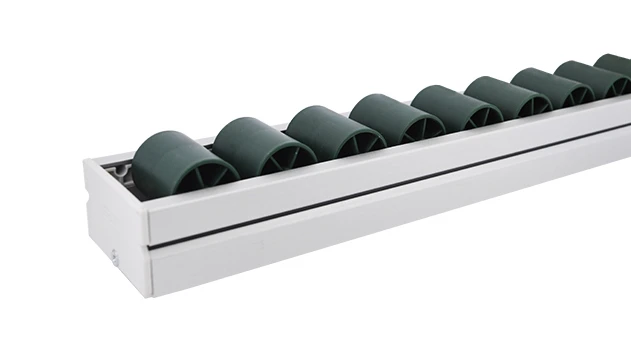
Modular system roller tracks aluminum gravity roller tracks are an excellent solution for transporting materials within industrial environments, warehouses and distribution centres.
Introduction
Material handling is the unsung hero of efficient industrial operations. Whether you're managing a bustling warehouse, a high-speed production line, or a precision assembly station, the way you move parts and products directly impacts productivity, cost, and worker satisfaction. For facilities looking to optimize their material flow, the 60 Aluminum Roller Track Green emerges as a compelling solution—blending durability, versatility, and sustainability into one modular component. This guide will walk you through everything you need to know to decide if this track is the right fit for your facility.
In today's fast-paced manufacturing and logistics environments, adaptability is key. Lean principles emphasize reducing waste and maximizing value, and the 60 Aluminum Roller Track Green aligns perfectly with these goals. Its modular design allows for quick adjustments, while its robust construction ensures long-term reliability. Let's dive into the details of this component and explore how it can transform your material handling processes.
What is 60 Aluminum Roller Track Green?
The 60 Aluminum Roller Track Green is a precision-engineered component designed to enable smooth, gravity-assisted movement of materials in industrial settings. At its core, it consists of high-quality aluminum extrusion profiles—known for their strength-to-weight ratio—coated in a durable green finish that enhances corrosion resistance and adds a visually distinct touch. The "60" denotes its width (60mm), making it suitable for medium to heavy load applications (typically ranging from 50kg to 200kg per meter, depending on roller spacing).
Each track features evenly spaced rollers (usually 30mm to 50mm apart) mounted on sturdy axles. The rollers are often made from high-density polyethylene (HDPE) or stainless steel, ensuring low friction and long-lasting performance. The green coating is not just aesthetic; it's formulated to resist scratches, chemicals, and UV damage, making the track ideal for use in harsh environments like factories, warehouses, and outdoor storage areas.
Modularity is a key feature of this track. It can be easily cut to custom lengths using standard tools, and it connects to other components (like lean pipe systems and flow rack frames) via simple brackets and connectors. This flexibility means you can design a material handling system tailored to your facility's unique needs without investing in expensive custom fabrication.

Key Benefits of 60 Aluminum Roller Track Green
Choosing the right roller track is an investment in your facility's efficiency. Here are the top benefits of the 60 Aluminum Roller Track Green:
1. Durability and Longevity
Aluminum extrusion profiles are inherently strong and resistant to rust, and the green coating adds an extra layer of protection against wear and tear. Unlike steel tracks that can corrode over time, this aluminum track maintains its integrity even in humid or chemical-exposed environments. With proper maintenance, it can last up to 10 years or more, reducing replacement costs and downtime.
2. Enhanced Material Flow Efficiency
The precision rollers of the 60 Aluminum Roller Track Green ensure consistent, smooth movement of materials. Gravity-assisted flow eliminates the need for manual pushing, reducing worker fatigue and minimizing the risk of product damage. This is especially valuable in flow racks, where FIFO (first-in-first-out) inventory management relies on seamless product movement from storage to picking areas.
3. Compatibility with Lean Systems
Lean manufacturing and logistics depend on modular, adaptable components. The 60 Aluminum Roller Track Green integrates seamlessly with lean pipe systems, flow racks, and flexible workstations. Its modular design allows you to reconfigure your setup as production needs change—whether you're scaling up a line or adjusting to new product lines. This makes it a core component of any lean solution aimed at continuous improvement.
4. Eco-Friendly Design
Sustainability is no longer an afterthought for modern facilities. The 60 Aluminum Roller Track Green is made from 100% recyclable aluminum, and its green coating uses eco-friendly, non-toxic materials. Choosing this track helps reduce your facility's environmental footprint while aligning with corporate social responsibility goals.
5. Easy Installation and Customization
Installing the track requires minimal tools and expertise. You can cut it to length with a hacksaw or metal cutter, and it connects to frames using simple screws or brackets. This means you can build custom flow racks, conveyors, or workstations in hours rather than days. The track's compatibility with standard industrial components (like caster wheels and lean pipe joints) further simplifies customization.

Applications of 60 Aluminum Roller Track Green
The versatility of the 60 Aluminum Roller Track Green makes it suitable for a wide range of industrial applications. Here are some of the most common uses:
Flow Racks
Flow racks are essential for warehouse inventory management, enabling FIFO stock rotation and easy access to products. The 60 Aluminum Roller Track Green is a core component of these racks, allowing boxes and bins to slide down to the picking area effortlessly. This reduces picking time by up to 30% and minimizes errors in inventory management. For example, a 3C assembly facility might use these tracks in flow racks to store small components, ensuring workers always have the right parts at their fingertips.
Conveyor Systems
Conveyors are the lifeline of production lines, moving parts from one station to another. The 60 Aluminum Roller Track Green is ideal for gravity conveyors, where items move due to gravity, or as part of powered conveyors for heavier loads. In automotive manufacturing, these tracks might be used to move engine components along the assembly line, ensuring a steady flow of materials to workers. In medical device facilities, they help transport sterile components between packaging stations while maintaining hygiene standards.
Lean Workstations
Lean workstations are designed to maximize efficiency by keeping tools and materials within easy reach. Integrating the 60 Aluminum Roller Track Green into these workstations allows for smooth movement of parts to the assembly area, reducing unnecessary motion and increasing productivity. For instance, a consumer electronics manufacturer might use these tracks in workstations to move smartphone components to assembly workers, cutting down on time spent reaching for parts.
Warehouse Organization
Beyond flow racks, the track can be used to create custom shelving, picking stations, and sorting areas. Its modular design lets you adapt your warehouse layout as inventory levels fluctuate. A logistics company might use these tracks to build sorting stations for packages, ensuring quick and accurate distribution of goods.
Production Lines
In manufacturing plants, the track helps move components along the production line, ensuring a steady flow of materials. For example, a mechanical manufacturing facility might use these tracks to move metal parts to welding stations, reducing manual lifting and improving worker safety. The track's durability ensures it can handle the heavy loads and constant use common in these environments.
How to Choose the Right 60 Aluminum Roller Track Green
Selecting the right track requires careful consideration of your facility's specific needs. Here are the key factors to keep in mind:
Load Capacity
Determine the maximum weight each track will need to support. The 60mm width typically handles medium to heavy loads (50kg to 200kg per meter), but check the manufacturer's specifications for exact numbers. If you're moving heavy bins or parts, opt for a track with higher load capacity—some models can handle up to 300kg per meter.
Length and Width
Measure the space where the track will be installed to decide on the appropriate length. The 60mm width is standard, but some applications may require narrower or wider tracks. Ensure the length fits your flow rack or conveyor setup without gaps or overlaps. Most manufacturers offer pre-cut lengths, but you can also cut the track to size on-site.
Roller Spacing
The distance between rollers affects how items move. Smaller spacing (100mm to 150mm) is better for smaller items, while larger spacing (200mm to 300mm) works for bigger boxes. For example, if you're moving small electronic components, choose a track with 100mm roller spacing to prevent items from falling through. For large bins, 250mm spacing is more appropriate.
Compatibility with Existing Systems
Check if the track is compatible with your existing lean pipe systems, flow rack frames, or conveyor components. Look for tracks that use standard connectors (like M6 screws or lean pipe joints) to avoid costly modifications. For instance, if your facility already uses aluminum profile frames, ensure the track can be easily attached to these frames.
Budget
Aluminum tracks are generally more expensive than plastic but more durable than steel in humid environments. Compare prices from different suppliers, but remember that quality should be a priority. A cheaper track might save you money upfront but could cost more in the long run due to frequent replacements.
Environmental Considerations
If sustainability is important to your facility, ensure the green coating is eco-friendly and the aluminum is recyclable. This aligns with lean principles of reducing waste and promoting sustainability. Many manufacturers now offer tracks with water-based coatings that are free from harmful chemicals.
Installation Tips for 60 Aluminum Roller Track Green
Installing the track is straightforward, but following these tips will ensure a smooth process:
Step-by-Step Installation
- Measure and Mark: Use a tape measure to mark the desired length on the track. Double-check measurements to avoid mistakes.
- Cut the Track: Use a hacksaw or metal cutter to cut the track to length. Wear safety goggles and gloves to protect yourself from metal shavings.
- Prepare the Frame: Ensure the frame (lean pipe or aluminum profile) is level and stable. If necessary, adjust the frame's legs to achieve a slight incline (1-2 degrees) for gravity flow.
- Attach the Track: Use screws or brackets to attach the track to the frame. Space the brackets every 500mm to ensure stability. Tighten the screws securely but avoid over-tightening, which could damage the track.
- Test the Track: Place a few items on the track to test its movement. Adjust the incline if necessary to ensure smooth sliding. Check for any loose screws or bent rollers.
- Integrate with Other Components: Connect the track to other components (like flow rack end stops or conveyor motors) using compatible connectors. Ensure all connections are secure before using the system.
Common Mistakes to Avoid
- Ignoring Incline: A slight incline is necessary for gravity flow. Without it, items will not move smoothly.
- Overloading the Track: Exceeding the track's load capacity can cause bent rollers or damage to the frame.
- Using Incorrect Tools: Using a dull hacksaw or improper cutter can result in uneven cuts, which affect the track's performance.
- Neglecting Safety: Always wear protective gear when cutting metal. Ensure the frame is stable before attaching the track.
Maintenance and Care for Longevity
Proper maintenance is key to extending the lifespan of your 60 Aluminum Roller Track Green:
Regular Cleaning
Wipe down the track with a damp cloth to remove dust, debris, and grease. For stubborn stains, use a mild detergent and a soft brush. Avoid using harsh chemicals that could damage the green coating.
Lubrication
Lubricate the rollers every 3-6 months to ensure smooth movement. Use a light oil or silicone-based lubricant, applying it to the roller axles. Avoid over-lubricating, as this can attract dust and debris.
Inspection
Inspect the track monthly for signs of wear: bent rollers, loose screws, or damage to the coating. replace any worn parts immediately to prevent further issues. For example, if a roller is bent, it can cause items to get stuck or move unevenly.
Rust Prevention
Even though aluminum is rust-resistant, the green coating can chip over time. If you notice chips, touch them up with a matching paint to protect the aluminum underneath. This simple step can extend the track's lifespan by several years.
Storage
If you need to store extra tracks, keep them in a dry, cool place to avoid corrosion. Avoid stacking heavy items on top of them to prevent bending. Use protective covers to keep dust off the tracks.
Comparing 60 Aluminum Roller Track Green with Other Options
To help you make an informed decision, let's compare the 60 Aluminum Roller Track Green with other common roller track materials:
| Feature | 60 Aluminum Roller Track Green | Steel Roller Track | Plastic Roller Track |
|---|---|---|---|
| Material | Aluminum extrusion profile with green coating | Carbon steel | High-density polyethylene (HDPE) |
| Weight | Lightweight (2-3kg/m) | Heavy (5-7kg/m) | Very light (1-2kg/m) |
| Corrosion Resistance | High (green coating + aluminum) | Low (prone to rust in humid environments) | Medium (resistant to most chemicals) |
| Load Capacity | Medium to heavy (50-200kg/m) | Heavy (100-300kg/m) | Light (20-50kg/m) |
| Durability | High (10+ year lifespan) | High (but rusts over time) | Low (easily damaged by heavy loads) |
| Eco-Friendliness | High (100% recyclable) | Medium (recyclable but energy-intensive) | Low (non-recyclable in many cases) |
| Installation | Easy (modular, lightweight) | Difficult (heavy, requires more support) | Easy (lightweight) |
| Cost | Medium ($15-$25/m) | High ($20-$35/m) | Low ($5-$10/m) |
As the table shows, the 60 Aluminum Roller Track Green offers a balanced mix of durability, lightweight design, and corrosion resistance. While steel tracks are strong, they are heavy and prone to rust, making them unsuitable for humid environments. Plastic tracks are cheap but lack the durability needed for heavy loads. The green aluminum track is the ideal choice for facilities looking for a long-term, low-maintenance solution that aligns with lean and sustainable principles.
Real-World Use Cases
Let's look at how facilities have successfully implemented the 60 Aluminum Roller Track Green:
Case Study 1: 3C Assembly Facility
A leading 3C manufacturer used the track to build custom flow racks for their component inventory. The green track's smooth movement reduced picking time by 22%, and the modular design allowed them to adjust the racks as their product line expanded. The eco-friendly coating aligned with their sustainability goals, helping them reduce their carbon footprint by 15%.
Case Study 2: Medical Device Warehouse
A medical device warehouse integrated the track into their conveyor system to move sterile components between packaging stations. The aluminum material is easy to clean, maintaining hygiene standards. The green coating resisted scratches from heavy bins, ensuring the track remained in good condition even with constant use. This resulted in a 18% increase in packaging efficiency.
Case Study 3: Automotive Parts Supplier
An automotive parts supplier used the track in their lean workstations to move engine components to assembly workers. The track's compatibility with lean pipe systems allowed them to create a flexible workspace that adapted to different assembly tasks. This led to a 15% increase in productivity and a 25% reduction in workplace injuries due to less manual lifting.
Conclusion
The 60 Aluminum Roller Track Green is a versatile, durable, and sustainable solution for facilities looking to optimize their material handling processes. Its modular design, compatibility with lean systems, and eco-friendly features make it a valuable addition to any industrial setting. Whether you're in the 3C industry, medical device manufacturing, automotive, or logistics, this track can help you streamline operations, reduce costs, and improve productivity.
When choosing the right track for your facility, consider factors like load capacity, roller spacing, compatibility with existing systems, and budget. With proper installation and maintenance, the 60 Aluminum Roller Track Green will serve your facility well for years to come. If you're looking for a reliable, adaptable material handling solution, this track is definitely worth considering.