- Company Articles
- Products and Technology
- Solution
- Just-In-Time Production with 40 Steel Wheel Roller Track

Just-In-Time Production with 40 Steel Wheel Roller Track
Related Product
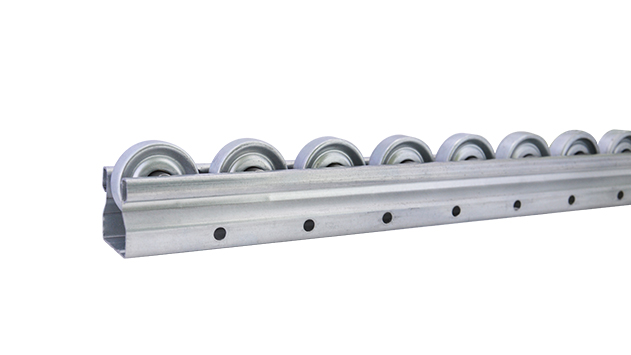
40 Steel Wheel Roller Track
Heavy duty steel wheel roller track with cylindrical steel rollers for use in processing, logistics and materials handling operations. Ideal for transporting goods quickly and easily as well as for installing on shelving to aid in picking operations.
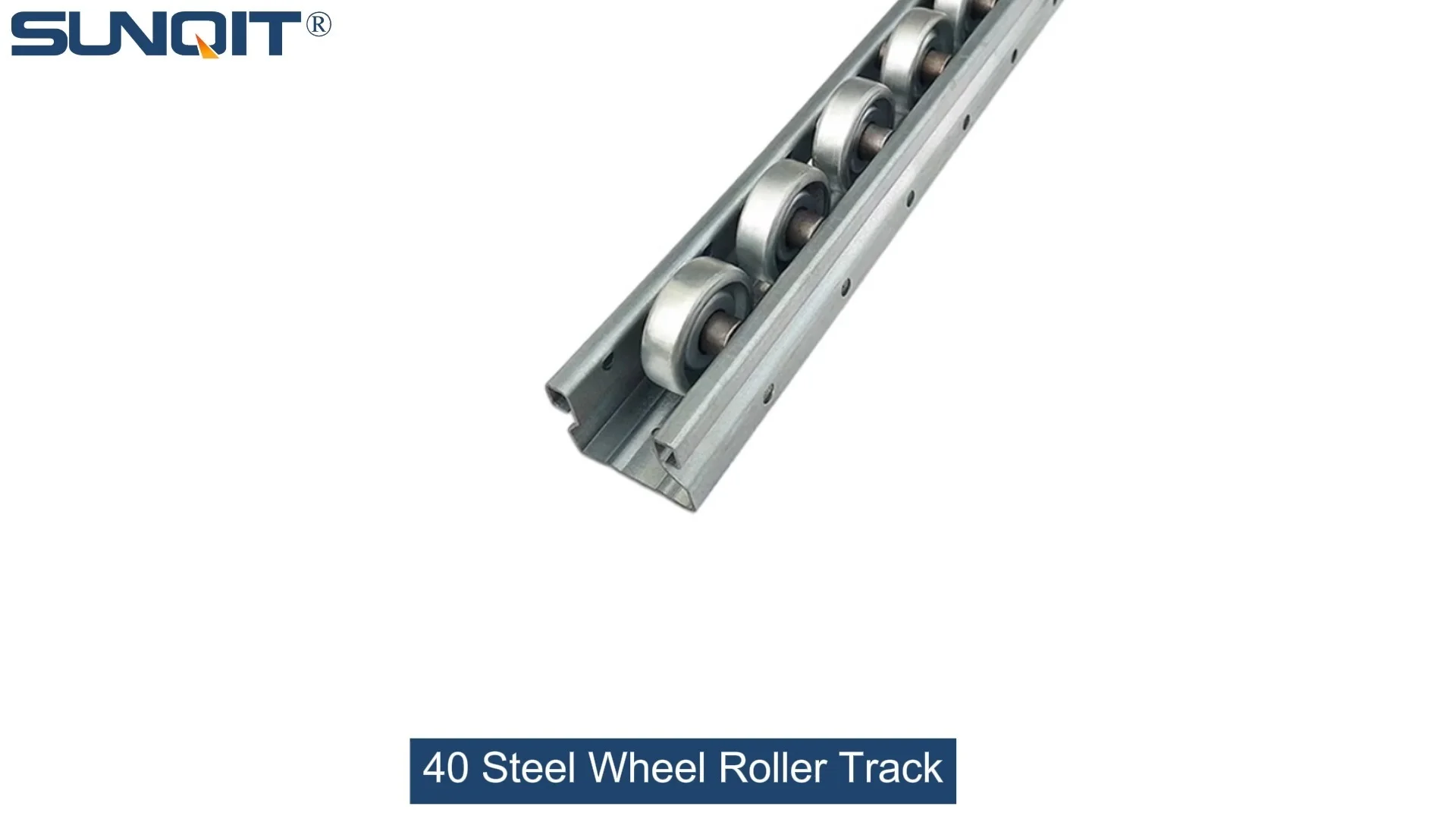
In today's fast-paced manufacturing landscape, where customer demands shift overnight and profit margins grow slimmer, the ability to produce exactly what's needed, exactly when it's needed isn't just a competitive advantage—it's a survival skill. This is where Just-In-Time (JIT) production shines, a philosophy that minimizes waste, reduces inventory, and keeps operations agile. But behind every successful JIT system lies the right tools, and one component stands out as a workhorse in this ecosystem: the 40 Steel Wheel Roller Track . Let's dive into how this unassuming yet powerful tool, paired with lean solutions like lean pipe workbenches , turnover trolleys , and conveyors , is revolutionizing production floors across industries.
Why 40 Steel Wheel Roller Track is a Game-Changer for JIT
At first glance, a roller track might seem like a simple piece of equipment, but the 40 Steel Wheel Roller Track is engineered with JIT principles in mind. Let's break down its standout features and why they matter:
1. Smooth, Uninterrupted Material Flow – The steel wheels, precision-engineered for minimal friction, ensure materials glide from storage to assembly lines without jams or delays. In traditional setups, workers often waste time pushing heavy carts or manually moving parts; with this roller track, gravity does the work, cutting down on physical strain and speeding up material transfer.
2. Built to Last, Designed to Adapt – Made with high-grade steel, these tracks withstand the wear and tear of 24/7 production environments—no more frequent replacements like with plastic rollers. What truly sets them apart, though, is flexibility. Need to adjust the angle for a new product line? Extend the track to connect a new workstation? The modular design lets you reconfigure in hours, not days, keeping up with JIT's need for quick changes.
3. Heavy-Duty Performance, Space-Saving Design – With a robust load capacity, the 40 Steel Wheel Roller Track handles everything from small electronic components to heavier automotive parts. And because it's designed to fit tight spaces, it maximizes floor utilization—a critical factor in JIT, where every square foot counts.
| Traditional Material Handling | 40 Steel Wheel Roller Track + Lean Solutions |
|---|---|
| Manual cart transport: Slow, labor-intensive | Gravity-driven flow: 30% faster material transfer |
| Fixed layouts: Hard to adapt to new products | Modular design: Reconfigurable in hours |
| Frequent breakdowns (plastic/weak rollers) | Steel wheels: 5x longer lifespan |
| Wasted space (bulky, non-stackable setups) | Compact, stackable options: 25% more floor space |
From Track to Workflow: How Lean Tools Create a JIT Ecosystem
A roller track alone can't transform a factory—its magic lies in how it integrates with other lean tools. Let's walk through a typical production flow, highlighting key components like lean pipe workbenches , turnover trolleys, and conveyors, to see how they work in harmony:
Step 1: Smart Storage with Flow Racks
It starts with raw materials. Instead of piling inventory in distant warehouses, JIT relies on "point-of-use" storage. Here, flow racks equipped with 40 Steel Wheel Roller Tracks become the heart of the system. Parts slide forward as they're used, ensuring first-in-first-out (FIFO) inventory rotation and eliminating expired or obsolete stock—a common headache in traditional warehousing.
Step 2: Ergonomic Assembly at Lean Pipe Workbenches
From the flow rack, materials move to the assembly line, where lean pipe workbenches (like the popular Workbench E) take center stage. These workbenches are more than just tables; they're customizable hubs designed for efficiency. With adjustable heights, built-in tool holders, and optional ESD (electrostatic discharge) features for sensitive electronics, they reduce worker fatigue and errors. Pair a workbench with a nearby 40 Steel Wheel Roller Track, and parts arrive exactly when the operator needs them—no more walking to fetch components, no more waiting.
Step 3: Seamless Transport with Turnover Trolleys & Conveyors
Once sub-assemblies are complete, turnover trolleys (lightweight, durable, and easy to maneuver) move them to the next station. For longer distances, conveyors —often integrated with roller tracks—keep the flow continuous. Imagine a 3C assembly line: circuit boards glide from the soldering station via conveyor, then onto a roller track leading to the testing workbench. No gaps, no bottlenecks—just a steady, synchronized rhythm that JIT thrives on.
Real-World Impact: JIT Success Stories Across Industries
Theory is one thing, but real results speak louder. Let's look at how businesses are leveraging 40 Steel Wheel Roller Track and lean solutions to master JIT:
Case 1: 3C Electronics Assembly – Speed Meets Precision
A leading smartphone manufacturer was struggling with delayed production launches and high inventory costs. By implementing a lean system centered on 40 Steel Wheel Roller Tracks, lean pipe workbenches, and custom conveyors, they transformed their workflow: Flow racks with roller tracks reduced component retrieval time by 45%, ESD workbenches cut static-related defects by 60%, and modular conveyors allowed them to switch between phone models in under 2 hours. The result? They launched new products 30% faster and slashed inventory holding costs by $2M annually.
Case 2: Medical Device Manufacturing – Compliance & Efficiency
Medical device production demands strict compliance and zero errors, making JIT a challenge—until now. A medical equipment maker adopted a lean solution that included 40 Steel Wheel Roller Tracks (for clean, dust-free material flow) and stainless steel lean pipe workbenches (easy to sanitize). The roller tracks, paired with turnover trolleys, ensured sterile components moved directly to assembly without cross-contamination. Post-implementation, they not only met FDA audit standards with ease but also reduced production lead times by 25%—proving JIT and compliance can go hand in hand.

Beyond the Track: The Power of Custom Lean Solutions
Every industry, every factory, has unique needs. That's why off-the-shelf equipment rarely delivers JIT's full potential. The best results come from lean solutions tailored to your specific workflow. Whether you're in automotive, consumer electronics, or medical devices, a custom approach means:
1. Design That Fits Your Reality – No more forcing your process into a generic system. Engineers work with your team to map current workflows, identify bottlenecks, and design a solution that integrates 40 Steel Wheel Roller Tracks, lean pipe workbenches, and conveyors into a cohesive system—one that grows with your business.
2. Sustainable & Cost-Effective – "Reusable," (reusable, continuously improvable) isn't just a slogan; it's a promise. Lean components are built to be repurposed as your needs change, so you're not throwing away investments when you update your line. Over time, this reduces long-term costs while keeping your operations agile.
3. A Partner, Not Just a Supplier – The right lean supplier doesn't stop at delivery. They provide training, support, and help you refine your system as you learn and grow—because JIT is a journey, not a destination.

Ready to Transform Your Production with JIT?
In a world where manufacturing excellence is defined by speed, flexibility, and efficiency, the 40 Steel Wheel Roller Track isn't just a tool—it's the foundation of a lean, JIT-ready operation. Paired with lean pipe workbenches, turnover trolleys, conveyors, and custom solutions, it turns chaotic production floors into synchronized ecosystems where waste is eliminated, workers thrive, and customers get what they need, exactly when they need it.
The future of manufacturing is lean. The future is JIT. And it all starts with the right partner and the right tools. Are you ready to roll?