- Company Articles
- Products and Technology
- Product knowledge
- Key Advantages of Lean Pipe Clamp Chrome in Lean Production Environments

Key Advantages of Lean Pipe Clamp Chrome in Lean Production Environments
Related Product
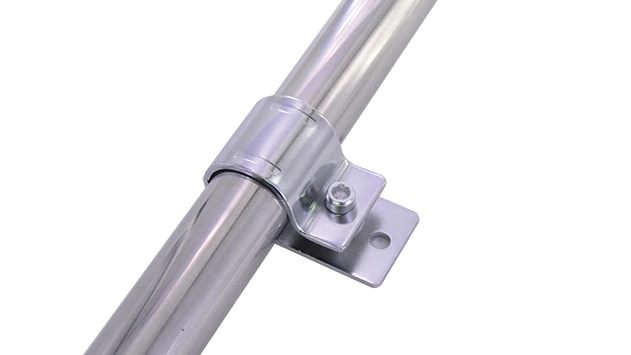
Lean Pipe Clamp Chrome
Lean pipe clamp is used for rack system hang monitor or other panel for workbenck, flowrack in production daily use.
Introduction: The Backbone of Lean Production
In the fast-paced world of manufacturing, where efficiency and waste reduction are the cornerstones of success, lean production has emerged as more than just a methodology—it's a mindset. Every tool, every component, and every process is scrutinized for its ability to add value, eliminate inefficiencies, and keep operations running like a well-oiled machine. Yet, amid the buzz of advanced robotics and high-tech automation, some of the most critical innovations are the ones that quietly hold everything together. Enter the lean pipe clamp chrome: a small but mighty component that plays a pivotal role in building the flexible, durable, and cost-effective structures that power modern lean systems.
From workbenches where assembly line workers piece together intricate electronics to flow racks that ensure materials glide seamlessly through production, lean pipe clamp chrome is the unsung hero that transforms simple aluminum or steel pipes into robust, adaptable frameworks. But what makes these clamps stand out in a market flooded with generic fasteners and connectors? In this article, we'll dive deep into the key advantages of lean pipe clamp chrome, exploring how its design, durability, and versatility make it an indispensable asset for any lean production environment. Whether you're a plant manager looking to optimize your workflow, a procurement specialist sourcing components, or a small business owner building your first production line, understanding the value of these clamps could be the difference between a stagnant operation and one that thrives on agility.
From workbenches where assembly line workers piece together intricate electronics to flow racks that ensure materials glide seamlessly through production, lean pipe clamp chrome is the unsung hero that transforms simple aluminum or steel pipes into robust, adaptable frameworks. But what makes these clamps stand out in a market flooded with generic fasteners and connectors? In this article, we'll dive deep into the key advantages of lean pipe clamp chrome, exploring how its design, durability, and versatility make it an indispensable asset for any lean production environment. Whether you're a plant manager looking to optimize your workflow, a procurement specialist sourcing components, or a small business owner building your first production line, understanding the value of these clamps could be the difference between a stagnant operation and one that thrives on agility.
What Are Lean Pipe Clamp Chrome, and How Do They Fit Into Lean Systems?
Before we unpack their advantages, let's start with the basics: What exactly is a lean pipe clamp chrome? At its core, it's a specialized connector designed to join lean pipes (also known as "lean tubes")—hollow metal pipes commonly made of steel, aluminum, or stainless steel—into rigid yet adjustable structures. The "chrome" in its name refers to the protective chrome plating that coats the clamp, enhancing its durability and resistance to corrosion. These clamps come in various designs, but most feature a split-ring or lever-style mechanism that tightens securely around the pipe, creating a strong joint without the need for welding or complex tools.
Now, where do these clamps fit into the broader landscape of lean systems? Lean systems are all about modularity—building structures that can be easily reconfigured as production needs change. A single lean pipe clamp chrome, paired with compatible lean pipe joints, allows workers to assemble everything from workbenches and material racks to conveyor supports and turnover trolleys in hours, not days. Unlike fixed, welded structures that are permanent and costly to modify, a lean system built with these clamps can be disassembled, rearranged, or expanded with minimal effort. This flexibility is critical in today's manufacturing environment, where product lines evolve rapidly, and customization is often the key to staying competitive.
Consider, for example, a small electronics manufacturer that suddenly lands a contract for a new gadget. Overnight, their assembly line needs to accommodate a different set of tools, components, and workflow steps. With traditional fixed workbenches, this would mean ordering new furniture, waiting for delivery, and losing valuable production time. But with a lean system built using lean pipe clamp chrome and aluminum lean pipes, the team can simply loosen the clamps, adjust the height or layout of the workbench, add new shelves, and be back up and running by the next shift. That's the power of modularity—and it all starts with the right connectors.
Now, where do these clamps fit into the broader landscape of lean systems? Lean systems are all about modularity—building structures that can be easily reconfigured as production needs change. A single lean pipe clamp chrome, paired with compatible lean pipe joints, allows workers to assemble everything from workbenches and material racks to conveyor supports and turnover trolleys in hours, not days. Unlike fixed, welded structures that are permanent and costly to modify, a lean system built with these clamps can be disassembled, rearranged, or expanded with minimal effort. This flexibility is critical in today's manufacturing environment, where product lines evolve rapidly, and customization is often the key to staying competitive.
Consider, for example, a small electronics manufacturer that suddenly lands a contract for a new gadget. Overnight, their assembly line needs to accommodate a different set of tools, components, and workflow steps. With traditional fixed workbenches, this would mean ordering new furniture, waiting for delivery, and losing valuable production time. But with a lean system built using lean pipe clamp chrome and aluminum lean pipes, the team can simply loosen the clamps, adjust the height or layout of the workbench, add new shelves, and be back up and running by the next shift. That's the power of modularity—and it all starts with the right connectors.

Advantage 1: Unmatched Durability for Heavy-Duty Use
In manufacturing environments, equipment is put through its paces daily. Workbenches support heavy tools, flow racks bear the weight of countless parts, and material trolleys are pushed, pulled, and loaded to their limits. A flimsy clamp that bends or breaks under stress isn't just an inconvenience—it's a safety hazard and a productivity killer. This is where the durability of lean pipe clamp chrome truly shines.
The chrome plating process is the first line of defense. Chrome is known for its hardness and resistance to wear, making it ideal for components that see constant friction and contact. When a clamp is chrome-plated, a thin layer of chromium is electroplated onto its steel or iron base, creating a barrier that prevents rust, corrosion, and scratches. This is especially important in environments where moisture, oils, or chemicals are present—common in automotive, aerospace, and food processing facilities. Unlike plastic clamps, which can crack or degrade when exposed to heat or harsh substances, or unplated steel clamps that rust over time, chrome-plated clamps maintain their integrity even in tough conditions.
But durability isn't just about the coating—it's also about the core material and design. Most lean pipe clamp chrome are made from high-grade steel, chosen for its tensile strength and rigidity. The clamping mechanism is engineered to distribute pressure evenly around the pipe, ensuring a tight grip that doesn't loosen over time, even with repeated vibrations from nearby machinery. In fact, many manufacturers test these clamps to withstand loads of up to 500 kg or more per joint, far exceeding the typical weight requirements of most workbenches or flow racks.
To put this in perspective, imagine a busy automotive assembly line where a flow rack loaded with engine parts is wheeled past workers all day. The rack's frame, held together by lean pipe clamp chrome, must support hundreds of pounds of metal components without bending or collapsing. A cheaper plastic clamp might hold initially, but after months of use, the constant stress could cause it to warp, leading to a wobbly rack and potential spills. A chrome-plated steel clamp, on the other hand, remains steadfast, ensuring the rack stays stable and the production line stays on track. Over time, this reliability translates to fewer replacements, lower maintenance costs, and fewer disruptions to workflow.
The chrome plating process is the first line of defense. Chrome is known for its hardness and resistance to wear, making it ideal for components that see constant friction and contact. When a clamp is chrome-plated, a thin layer of chromium is electroplated onto its steel or iron base, creating a barrier that prevents rust, corrosion, and scratches. This is especially important in environments where moisture, oils, or chemicals are present—common in automotive, aerospace, and food processing facilities. Unlike plastic clamps, which can crack or degrade when exposed to heat or harsh substances, or unplated steel clamps that rust over time, chrome-plated clamps maintain their integrity even in tough conditions.
But durability isn't just about the coating—it's also about the core material and design. Most lean pipe clamp chrome are made from high-grade steel, chosen for its tensile strength and rigidity. The clamping mechanism is engineered to distribute pressure evenly around the pipe, ensuring a tight grip that doesn't loosen over time, even with repeated vibrations from nearby machinery. In fact, many manufacturers test these clamps to withstand loads of up to 500 kg or more per joint, far exceeding the typical weight requirements of most workbenches or flow racks.
To put this in perspective, imagine a busy automotive assembly line where a flow rack loaded with engine parts is wheeled past workers all day. The rack's frame, held together by lean pipe clamp chrome, must support hundreds of pounds of metal components without bending or collapsing. A cheaper plastic clamp might hold initially, but after months of use, the constant stress could cause it to warp, leading to a wobbly rack and potential spills. A chrome-plated steel clamp, on the other hand, remains steadfast, ensuring the rack stays stable and the production line stays on track. Over time, this reliability translates to fewer replacements, lower maintenance costs, and fewer disruptions to workflow.
Advantage 2: Flexibility to Adapt to Changing Production Needs
If durability is the foundation of lean pipe clamp chrome, flexibility is its defining feature. In lean production, the ability to adapt quickly to new challenges is non-negotiable. Customer demands shift, product designs evolve, and market trends change—and your production line needs to keep up. Traditional fixed structures simply can't keep pace, but a system built with these clamps? It's like having a production line that can "learn" and adapt.
The secret to this flexibility lies in the simplicity of the clamping mechanism. Unlike welding, which permanently fuses pipes together, or bolts that require tools and time to remove, lean pipe clamp chrome can be tightened or loosened by hand or with a basic hex key. This means that a team can reconfigure a workbench in minutes: raising the height to accommodate taller workers, adding a shelf for new tools, or even disassembling the entire structure and rebuilding it as a material trolley. For example, a medical device manufacturer might start the week assembling surgical tools on a low workbench, then switch to packaging those tools in the afternoon by adding a higher shelf and attaching a small conveyor using the same clamps and pipes. No need for a separate workbench—just a quick adjustment.
This flexibility also extends to scalability. As a business grows, so do its production needs. A startup with a single assembly line might use a few lean pipe clamp chrome to build a small workbench; a year later, that same business can expand by adding more pipes and clamps to create a full production cell with flow racks, conveyor supports, and testing stations. The modular nature of these systems means there's no need to invest in entirely new infrastructure—just add to what you already have. This not only saves money but also reduces waste, as old components can be repurposed rather than discarded.
Another aspect of flexibility is compatibility. Lean pipe clamp chrome are designed to work with standard lean pipes (typically 28mm or 30mm in diameter), but many are also compatible with aluminum lean pipes and even some aluminum profiles. This means you're not locked into a single supplier or material type. If your production environment requires lighter structures, you can switch to aluminum pipes without replacing all your clamps. If you need ESD-safe components for electronics manufacturing, you can pair chrome-plated clamps with ESD-rated pipes and workbench surfaces. The possibilities are nearly endless, making these clamps a versatile choice for any lean system.
The secret to this flexibility lies in the simplicity of the clamping mechanism. Unlike welding, which permanently fuses pipes together, or bolts that require tools and time to remove, lean pipe clamp chrome can be tightened or loosened by hand or with a basic hex key. This means that a team can reconfigure a workbench in minutes: raising the height to accommodate taller workers, adding a shelf for new tools, or even disassembling the entire structure and rebuilding it as a material trolley. For example, a medical device manufacturer might start the week assembling surgical tools on a low workbench, then switch to packaging those tools in the afternoon by adding a higher shelf and attaching a small conveyor using the same clamps and pipes. No need for a separate workbench—just a quick adjustment.
This flexibility also extends to scalability. As a business grows, so do its production needs. A startup with a single assembly line might use a few lean pipe clamp chrome to build a small workbench; a year later, that same business can expand by adding more pipes and clamps to create a full production cell with flow racks, conveyor supports, and testing stations. The modular nature of these systems means there's no need to invest in entirely new infrastructure—just add to what you already have. This not only saves money but also reduces waste, as old components can be repurposed rather than discarded.
Another aspect of flexibility is compatibility. Lean pipe clamp chrome are designed to work with standard lean pipes (typically 28mm or 30mm in diameter), but many are also compatible with aluminum lean pipes and even some aluminum profiles. This means you're not locked into a single supplier or material type. If your production environment requires lighter structures, you can switch to aluminum pipes without replacing all your clamps. If you need ESD-safe components for electronics manufacturing, you can pair chrome-plated clamps with ESD-rated pipes and workbench surfaces. The possibilities are nearly endless, making these clamps a versatile choice for any lean system.
Advantage 3: Cost-Effectiveness Over the Long Term
Let's talk about the bottom line: cost. At first glance, lean pipe clamp chrome might seem more expensive than their plastic or unplated counterparts. After all, chrome plating adds a step to the manufacturing process, and high-grade steel isn't cheap. But anyone who's worked in manufacturing knows that initial cost is just one piece of the puzzle. The real value comes from total cost of ownership (TCO)—the sum of purchase price, maintenance, replacement, and downtime costs over the life of the product. When viewed through this lens, lean pipe clamp chrome often prove to be the most cost-effective choice.
Let's break it down. Plastic clamps are indeed cheaper upfront, but they have a much shorter lifespan. Exposed to heat, chemicals, or heavy loads, they can crack, warp, or lose their grip in as little as 6–12 months. This means frequent replacements, which add up over time. Unplated steel clamps might last longer, but they're prone to rust and corrosion, especially in humid or wet environments. A rusted clamp weakens the joint, increasing the risk of structural failure and necessitating early replacement. In contrast, chrome-plated clamps can last 5–10 years or more with minimal maintenance, reducing the frequency of replacements and the associated labor costs.
Then there's downtime—the silent killer of manufacturing profitability. Every minute a production line is idle because a clamp failed, a workbench collapsed, or a flow rack needs repair costs money. With lean pipe clamp chrome, the risk of unexpected downtime is drastically reduced. Their durability means fewer failures, and their ease of adjustment means that even when changes are needed (like reconfiguring a workbench), the process is quick and doesn't require halting production for hours. For example, a food packaging plant that uses plastic clamps might lose a full shift replacing broken clamps on a flow rack. With chrome-plated clamps, that same plant could reconfigure the rack during a scheduled break, with no loss of production time.
Labor costs also play a role. Installing traditional welded structures requires skilled welders and hours of work. Disassembling them is even more time-consuming, often involving cutting torches and grinders. In contrast, a team with no specialized training can assemble a lean system using lean pipe clamp chrome in a fraction of the time. A simple workbench, for instance, might take two workers 30 minutes to build with clamps, compared to 4–6 hours with welding. Over time, this difference in labor efficiency adds up, especially for businesses that frequently reconfigure their production lines.
Finally, there's the cost of waste. Lean manufacturing is all about eliminating waste, and nothing is more wasteful than throwing away usable equipment because it's no longer needed. With modular lean systems built using these clamps, components can be reused again and again. A workbench that's no longer needed for assembly can be disassembled and rebuilt as a material rack in the warehouse. Pipes and clamps that are scratched or dented can still function perfectly well, avoiding the need for premature replacement. This circular approach to resource use not only cuts costs but also aligns with sustainability goals, which are increasingly important to customers and regulators alike.
Let's break it down. Plastic clamps are indeed cheaper upfront, but they have a much shorter lifespan. Exposed to heat, chemicals, or heavy loads, they can crack, warp, or lose their grip in as little as 6–12 months. This means frequent replacements, which add up over time. Unplated steel clamps might last longer, but they're prone to rust and corrosion, especially in humid or wet environments. A rusted clamp weakens the joint, increasing the risk of structural failure and necessitating early replacement. In contrast, chrome-plated clamps can last 5–10 years or more with minimal maintenance, reducing the frequency of replacements and the associated labor costs.
Then there's downtime—the silent killer of manufacturing profitability. Every minute a production line is idle because a clamp failed, a workbench collapsed, or a flow rack needs repair costs money. With lean pipe clamp chrome, the risk of unexpected downtime is drastically reduced. Their durability means fewer failures, and their ease of adjustment means that even when changes are needed (like reconfiguring a workbench), the process is quick and doesn't require halting production for hours. For example, a food packaging plant that uses plastic clamps might lose a full shift replacing broken clamps on a flow rack. With chrome-plated clamps, that same plant could reconfigure the rack during a scheduled break, with no loss of production time.
Labor costs also play a role. Installing traditional welded structures requires skilled welders and hours of work. Disassembling them is even more time-consuming, often involving cutting torches and grinders. In contrast, a team with no specialized training can assemble a lean system using lean pipe clamp chrome in a fraction of the time. A simple workbench, for instance, might take two workers 30 minutes to build with clamps, compared to 4–6 hours with welding. Over time, this difference in labor efficiency adds up, especially for businesses that frequently reconfigure their production lines.
Finally, there's the cost of waste. Lean manufacturing is all about eliminating waste, and nothing is more wasteful than throwing away usable equipment because it's no longer needed. With modular lean systems built using these clamps, components can be reused again and again. A workbench that's no longer needed for assembly can be disassembled and rebuilt as a material rack in the warehouse. Pipes and clamps that are scratched or dented can still function perfectly well, avoiding the need for premature replacement. This circular approach to resource use not only cuts costs but also aligns with sustainability goals, which are increasingly important to customers and regulators alike.
Advantage 4: Compatibility with ESD Work Environments
For manufacturers working with sensitive electronics—think circuit boards, semiconductors, or medical devices—electrostatic discharge (ESD) is a constant threat. A single static spark can damage or destroy components worth hundreds or even thousands of dollars, leading to costly defects and quality control issues. That's why ESD-safe work environments are non-negotiable, and every component in those environments, including lean pipe clamp chrome, must contribute to static protection.
So, how do these clamps support ESD safety? While the chrome plating itself isn't inherently conductive, many lean pipe clamp chrome are designed to work with ESD-rated lean pipes and accessories. ESD lean pipes are typically made from steel with a conductive coating or aluminum, which allows static electricity to dissipate safely to the ground. When paired with ESD-safe workbench surfaces (like conductive laminates or rubber mats) and grounded equipment, these clamps help create a continuous path for static discharge, preventing it from building up and damaging sensitive components.
Some manufacturers even offer specialized ESD variants of lean pipe clamp chrome, where the clamp's surface is treated to enhance conductivity. These clamps are tested to meet industry standards like ANSI/ESD S20.20, ensuring they maintain a surface resistance between 10^6 and 10^9 ohms—ideal for dissipating static without creating a shock hazard for workers. For environments where ESD protection is critical, these specialized clamps provide an extra layer of safety, giving peace of mind that every part of the production process is working to prevent defects.
The importance of ESD compatibility can't be overstated. Consider a smartphone manufacturer that assembles circuit boards on a workbench held together by non-ESD clamps. Without proper static dissipation, a worker could unknowingly build up static charge while moving around the bench, then discharge it into a circuit board, frying a microchip. The result? A defective phone that's caught during testing (at best) or shipped to a customer (at worst), costing the company money and reputation. With ESD-compatible lean pipe clamp chrome and a properly grounded system, that static charge is safely channeled away, protecting the components and ensuring product quality.
Even in non-electronics industries, ESD compatibility can be a bonus. For example, pharmaceutical manufacturers often need to control static to prevent dust from adhering to products or equipment. Chemical plants may use ESD-safe components to reduce the risk of sparks igniting flammable vapors. In these cases, lean pipe clamp chrome that support ESD systems add value beyond their basic function, making them a versatile choice for a wide range of applications.
So, how do these clamps support ESD safety? While the chrome plating itself isn't inherently conductive, many lean pipe clamp chrome are designed to work with ESD-rated lean pipes and accessories. ESD lean pipes are typically made from steel with a conductive coating or aluminum, which allows static electricity to dissipate safely to the ground. When paired with ESD-safe workbench surfaces (like conductive laminates or rubber mats) and grounded equipment, these clamps help create a continuous path for static discharge, preventing it from building up and damaging sensitive components.
Some manufacturers even offer specialized ESD variants of lean pipe clamp chrome, where the clamp's surface is treated to enhance conductivity. These clamps are tested to meet industry standards like ANSI/ESD S20.20, ensuring they maintain a surface resistance between 10^6 and 10^9 ohms—ideal for dissipating static without creating a shock hazard for workers. For environments where ESD protection is critical, these specialized clamps provide an extra layer of safety, giving peace of mind that every part of the production process is working to prevent defects.
The importance of ESD compatibility can't be overstated. Consider a smartphone manufacturer that assembles circuit boards on a workbench held together by non-ESD clamps. Without proper static dissipation, a worker could unknowingly build up static charge while moving around the bench, then discharge it into a circuit board, frying a microchip. The result? A defective phone that's caught during testing (at best) or shipped to a customer (at worst), costing the company money and reputation. With ESD-compatible lean pipe clamp chrome and a properly grounded system, that static charge is safely channeled away, protecting the components and ensuring product quality.
Even in non-electronics industries, ESD compatibility can be a bonus. For example, pharmaceutical manufacturers often need to control static to prevent dust from adhering to products or equipment. Chemical plants may use ESD-safe components to reduce the risk of sparks igniting flammable vapors. In these cases, lean pipe clamp chrome that support ESD systems add value beyond their basic function, making them a versatile choice for a wide range of applications.
Real-World Applications: Workbenches and Flow Racks
To truly understand the impact of lean pipe clamp chrome, let's look at two common applications: workbenches and flow racks. These are the workhorses of lean production, and the clamps that hold them together can make or break their performance.
Workbenches: A well-designed workbench is the center of any assembly operation. It needs to be sturdy enough to support tools and components, adjustable to fit workers of different heights, and flexible enough to adapt as tasks change. Lean pipe clamp chrome excel in this role. By connecting aluminum or steel pipes with these clamps, manufacturers can build workbenches with custom heights, widths, and shelf configurations. Add a plywood or ESD laminate top, and you have a surface that's ready for everything from manual assembly to automated tool integration.
One of the key benefits of using these clamps for workbenches is adjustability. If a worker complains of back pain from bending over a low bench, the team can simply loosen the clamps, raise the legs by a few inches, and retighten—no need for a new bench. If the workbench needs to accommodate a new piece of equipment, like a soldering station or a testing device, additional shelves or supports can be added in minutes. This adaptability ensures that the workbench remains ergonomic and efficient, reducing worker fatigue and improving productivity.
Flow Racks: Flow racks (also known as gravity-fed racks) are essential for keeping materials moving smoothly through production. They use inclined roller tracks to allow parts or products to slide from the back of the rack to the front, ensuring first-in, first-out (FIFO) inventory management and easy access for workers. The frame of a flow rack must be rigid enough to support the weight of stacked materials, while also maintaining the precise angle needed for the rollers to function properly. Lean pipe clamp chrome provide the stability and precision required for this application.
By using clamps to join pipes into the rack's frame, manufacturers can ensure that the structure is both strong and adjustable. The angle of the roller tracks, for example, can be by adjusting the height of the rear legs of the rack—something that's impossible with fixed welded frames. If the materials being stored change (e.g., from small plastic parts to heavier metal components), the clamps can be tightened further to increase stability, or additional support beams can be added. This flexibility makes flow racks built with these clamps suitable for a wide range of materials, from electronics components to automotive parts.
Workbenches: A well-designed workbench is the center of any assembly operation. It needs to be sturdy enough to support tools and components, adjustable to fit workers of different heights, and flexible enough to adapt as tasks change. Lean pipe clamp chrome excel in this role. By connecting aluminum or steel pipes with these clamps, manufacturers can build workbenches with custom heights, widths, and shelf configurations. Add a plywood or ESD laminate top, and you have a surface that's ready for everything from manual assembly to automated tool integration.
One of the key benefits of using these clamps for workbenches is adjustability. If a worker complains of back pain from bending over a low bench, the team can simply loosen the clamps, raise the legs by a few inches, and retighten—no need for a new bench. If the workbench needs to accommodate a new piece of equipment, like a soldering station or a testing device, additional shelves or supports can be added in minutes. This adaptability ensures that the workbench remains ergonomic and efficient, reducing worker fatigue and improving productivity.
Flow Racks: Flow racks (also known as gravity-fed racks) are essential for keeping materials moving smoothly through production. They use inclined roller tracks to allow parts or products to slide from the back of the rack to the front, ensuring first-in, first-out (FIFO) inventory management and easy access for workers. The frame of a flow rack must be rigid enough to support the weight of stacked materials, while also maintaining the precise angle needed for the rollers to function properly. Lean pipe clamp chrome provide the stability and precision required for this application.
By using clamps to join pipes into the rack's frame, manufacturers can ensure that the structure is both strong and adjustable. The angle of the roller tracks, for example, can be by adjusting the height of the rear legs of the rack—something that's impossible with fixed welded frames. If the materials being stored change (e.g., from small plastic parts to heavier metal components), the clamps can be tightened further to increase stability, or additional support beams can be added. This flexibility makes flow racks built with these clamps suitable for a wide range of materials, from electronics components to automotive parts.
Case Study: A Small Electronics Manufacturer's Success Story
A small electronics manufacturer in California was struggling with high defect rates and inefficient workflows. Their assembly line used fixed wooden workbenches that were difficult to adjust, and their material storage relied on static metal shelves that often caused ESD damage to sensitive components. The team decided to invest in a lean system built with lean pipe clamp chrome, aluminum lean pipes, and ESD workbench tops.
Within weeks, the results were dramatic. The adjustable workbenches reduced worker complaints of fatigue by 60%, and the ability to reconfigure the line quickly allowed the team to introduce a new product variant with minimal downtime. The ESD-compatible flow racks, held together by chrome-plated clamps, reduced static-related defects by 85%. Over the course of a year, the manufacturer estimated that the investment in lean pipe clamp chrome and associated components paid for itself through reduced waste, lower defect costs, and improved productivity.
A small electronics manufacturer in California was struggling with high defect rates and inefficient workflows. Their assembly line used fixed wooden workbenches that were difficult to adjust, and their material storage relied on static metal shelves that often caused ESD damage to sensitive components. The team decided to invest in a lean system built with lean pipe clamp chrome, aluminum lean pipes, and ESD workbench tops.
Within weeks, the results were dramatic. The adjustable workbenches reduced worker complaints of fatigue by 60%, and the ability to reconfigure the line quickly allowed the team to introduce a new product variant with minimal downtime. The ESD-compatible flow racks, held together by chrome-plated clamps, reduced static-related defects by 85%. Over the course of a year, the manufacturer estimated that the investment in lean pipe clamp chrome and associated components paid for itself through reduced waste, lower defect costs, and improved productivity.
Comparing Lean Pipe Clamp Chrome to Other Connector Types
To better appreciate the advantages of lean pipe clamp chrome, it's helpful to compare them to other common connector types used in lean systems. Below is a comparison table highlighting key factors like durability, cost, and flexibility.
As the table shows, lean pipe clamp chrome strike a balance between durability, flexibility, and cost that other connector types can't match. While plastic clamps are cheaper upfront, their short lifespan and high replacement costs make them impractical for long-term use. Welded joints are durable but lack the flexibility needed in modern lean environments. Unplated steel clamps fall short in corrosion resistance, making them unsuitable for many industrial settings. For most manufacturers, lean pipe clamp chrome offer the best combination of benefits.
| Feature | Lean Pipe Clamp Chrome | Plastic Clamps | Unplated Steel Clamps | Welded Joints |
|---|---|---|---|---|
| Durability | High (5–10 year lifespan with minimal maintenance) | Low (6–12 month lifespan; prone to cracking/warping) | Medium (2–3 year lifespan; prone to rust) | High (10+ years, but permanent) |
| Corrosion Resistance | Excellent (chrome plating prevents rust) | Good (resistant to moisture, but not chemicals/heat) | Poor (rusts in humid/wet environments) | Medium (depends on paint/coating; welded areas prone to rust) |
| Flexibility/Reconfigurability | Excellent (easily adjustable; no tools needed for basic changes) | Good (adjustable, but may wear out after repeated use) | Medium (adjustable, but rust can make loosening difficult) | Poor (permanent; cannot be reconfigured without destruction) |
| Initial Cost | Medium ($2–$5 per clamp) | Low ($0.50–$1 per clamp) | Low ($1–$3 per clamp) | High (requires labor, equipment, and materials) |
| Total Cost of Ownership | Low (long lifespan, minimal maintenance, low downtime) | High (frequent replacements, high downtime risk) | Medium (moderate replacement frequency, rust-related maintenance) | High (permanent, no reusability, high installation labor costs) |
| ESD Compatibility | Good (can be paired with ESD pipes/surfaces) | Poor (non-conductive; may generate static) | Good (conductive, but rust can affect performance) | Good (conductive, but permanent) |
Maintenance Tips for Maximizing Lifespan
While lean pipe clamp chrome are designed to be low-maintenance, a little care can go a long way in extending their lifespan and ensuring optimal performance. Here are some simple maintenance tips:
1. Regular Cleaning: Dust, dirt, and grease can accumulate on the clamps over time, especially in busy production environments. Wipe them down with a damp cloth or mild detergent every few weeks to prevent buildup. For stubborn grime, a soft-bristled brush can help dislodge debris from the clamping mechanism. Avoid harsh chemicals or abrasive cleaners, as these can damage the chrome plating.
2. Inspect for Loose Joints: Vibration from machinery or frequent adjustments can cause clamps to loosen over time. Periodically check all clamps to ensure they're tight. A quick twist with a hex key (if needed) is usually enough to resecure them. Loose joints not only reduce stability but can also cause unnecessary wear on the clamp and pipe.
3. Lubricate Moving Parts: Some clamps feature moving parts, like levers or adjustment screws. A light application of machine oil or silicone lubricant every 6–12 months can keep these parts moving smoothly and prevent rust. Be sure to wipe away excess lubricant to avoid attracting dust.
4. Address Damage Promptly: If a clamp becomes bent, cracked, or the chrome plating is chipped (exposing the underlying steel), replace it immediately. A damaged clamp can compromise the entire structure's integrity and increase the risk of failure. Fortunately, individual clamps are inexpensive to replace, so it's better to err on the side of caution.
5. Store Spare Clamps Properly: If you keep spare clamps on hand (which is a good idea for quick repairs), store them in a dry, clean location. Avoid leaving them on the factory floor or in areas exposed to moisture, as this can lead to rust even on chrome-plated surfaces.
By following these simple steps, you can ensure that your lean pipe clamp chrome continue to perform reliably for years to come, maximizing your return on investment.
1. Regular Cleaning: Dust, dirt, and grease can accumulate on the clamps over time, especially in busy production environments. Wipe them down with a damp cloth or mild detergent every few weeks to prevent buildup. For stubborn grime, a soft-bristled brush can help dislodge debris from the clamping mechanism. Avoid harsh chemicals or abrasive cleaners, as these can damage the chrome plating.
2. Inspect for Loose Joints: Vibration from machinery or frequent adjustments can cause clamps to loosen over time. Periodically check all clamps to ensure they're tight. A quick twist with a hex key (if needed) is usually enough to resecure them. Loose joints not only reduce stability but can also cause unnecessary wear on the clamp and pipe.
3. Lubricate Moving Parts: Some clamps feature moving parts, like levers or adjustment screws. A light application of machine oil or silicone lubricant every 6–12 months can keep these parts moving smoothly and prevent rust. Be sure to wipe away excess lubricant to avoid attracting dust.
4. Address Damage Promptly: If a clamp becomes bent, cracked, or the chrome plating is chipped (exposing the underlying steel), replace it immediately. A damaged clamp can compromise the entire structure's integrity and increase the risk of failure. Fortunately, individual clamps are inexpensive to replace, so it's better to err on the side of caution.
5. Store Spare Clamps Properly: If you keep spare clamps on hand (which is a good idea for quick repairs), store them in a dry, clean location. Avoid leaving them on the factory floor or in areas exposed to moisture, as this can lead to rust even on chrome-plated surfaces.
By following these simple steps, you can ensure that your lean pipe clamp chrome continue to perform reliably for years to come, maximizing your return on investment.
Conclusion: The Small Component That Makes a Big Difference
In the world of lean production, success often hinges on the smallest details. Lean pipe clamp chrome may not be the most glamorous components in a manufacturing facility, but their impact on efficiency, flexibility, and cost-effectiveness is undeniable. From their durable chrome plating that resists corrosion and wear to their simple yet effective design that allows for quick reconfigurations, these clamps are the backbone of modular lean systems.
We've explored their key advantages: unmatched durability for heavy-duty use, flexibility to adapt to changing production needs, cost-effectiveness over the long term, and compatibility with ESD work environments. We've also seen how they shine in real-world applications like workbenches and flow racks, and how they compare favorably to other connector types. For manufacturers looking to streamline their operations, reduce waste, and stay competitive in a fast-changing market, investing in high-quality lean pipe clamp chrome is a decision that pays dividends.
As lean production continues to evolve, the demand for modular, adaptable, and durable components will only grow. Lean pipe clamp chrome are well-positioned to meet this demand, offering a simple yet powerful solution for building the flexible systems of the future. Whether you're a small startup or a large multinational manufacturer, these clamps are more than just connectors—they're tools for innovation, efficiency, and success.
So the next time you walk through a manufacturing facility, take a closer look at the workbenches, flow racks, and material trolleys. Chances are, you'll spot the telltale shine of chrome-plated clamps holding everything together. And now, you'll know just how much those small components contribute to the big picture of lean production excellence.
We've explored their key advantages: unmatched durability for heavy-duty use, flexibility to adapt to changing production needs, cost-effectiveness over the long term, and compatibility with ESD work environments. We've also seen how they shine in real-world applications like workbenches and flow racks, and how they compare favorably to other connector types. For manufacturers looking to streamline their operations, reduce waste, and stay competitive in a fast-changing market, investing in high-quality lean pipe clamp chrome is a decision that pays dividends.
As lean production continues to evolve, the demand for modular, adaptable, and durable components will only grow. Lean pipe clamp chrome are well-positioned to meet this demand, offering a simple yet powerful solution for building the flexible systems of the future. Whether you're a small startup or a large multinational manufacturer, these clamps are more than just connectors—they're tools for innovation, efficiency, and success.
So the next time you walk through a manufacturing facility, take a closer look at the workbenches, flow racks, and material trolleys. Chances are, you'll spot the telltale shine of chrome-plated clamps holding everything together. And now, you'll know just how much those small components contribute to the big picture of lean production excellence.