- Company Articles
- Products and Technology
- Product knowledge
- Key Benefits of Plastic Pipe Sleeves in Flexible Production Lines: Durability & Cost Savings

Key Benefits of Plastic Pipe Sleeves in Flexible Production Lines: Durability & Cost Savings
Related Product
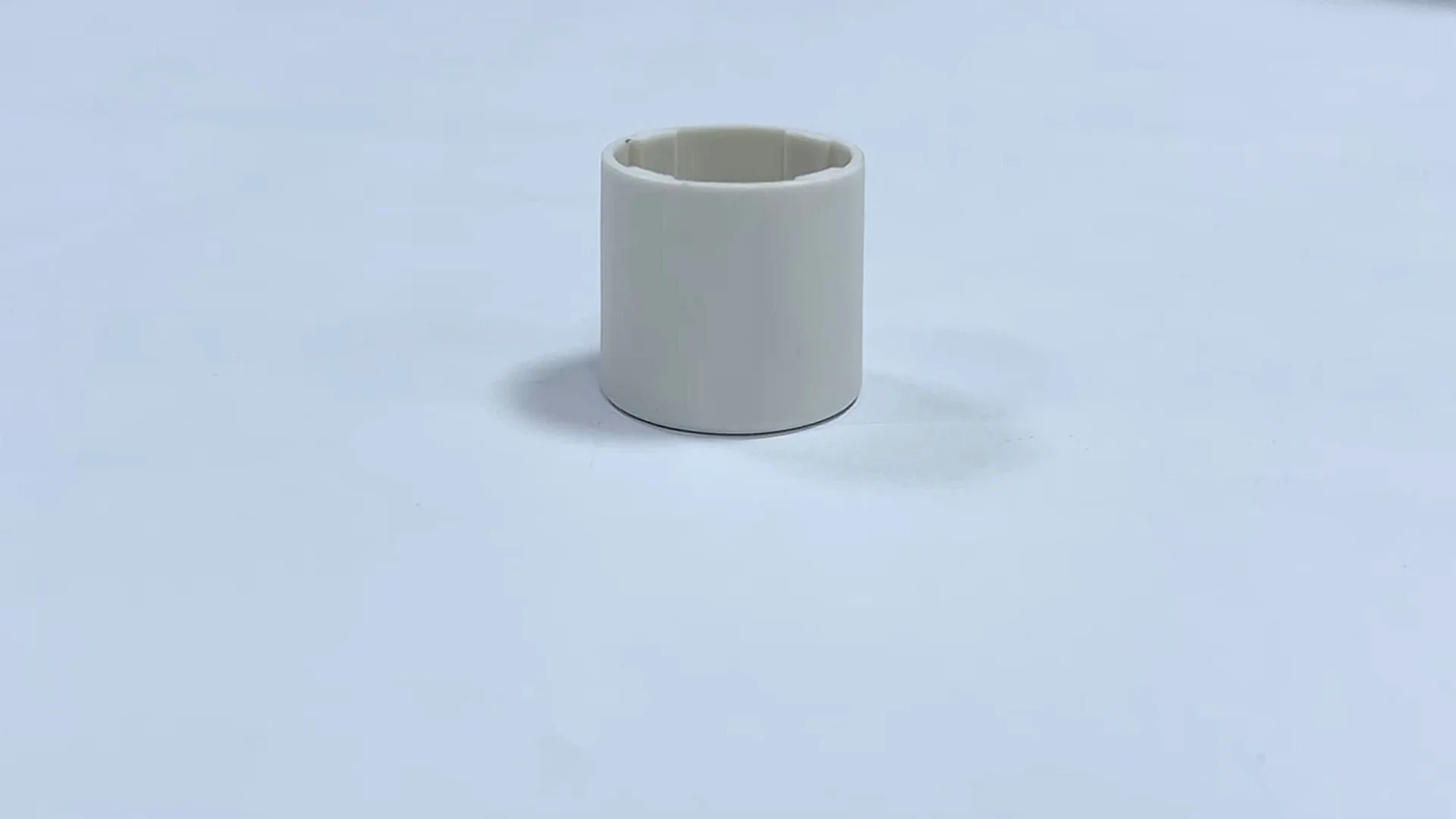
Plastic Pipe Sleeve
Plastic pipe sleeve to cover dia 28MM aluminum pipe end to contact with ground.
In today's fast-paced manufacturing world, flexibility isn't just a buzzword—it's the backbone of staying competitive. Production lines need to pivot quickly, adapt to new product designs, and minimize waste to keep up with customer demands. At the heart of this flexibility lies the lean system —a philosophy built on eliminating inefficiencies and maximizing value. But even the best lean strategies falter without the right tools. Enter plastic pipe sleeves: a small, often overlooked component that punches far above its weight in keeping production lines running smoothly, durably, and cost-effectively.
What Are Plastic Pipe Sleeves, and Why Do They Matter?
Before diving into their benefits, let's clarify what plastic pipe sleeves are. Simply put, these are protective coverings designed to fit snugly over lean pipe —the lightweight, modular tubes used to build everything from workbenches and material racks to turnover trolleys and conveyor systems. Made from durable plastics like polyethylene (PE) or polypropylene (PP), these sleeves act as a buffer between the lean pipe and the chaos of daily production life: scratches, impacts, chemical spills, and constant friction.
You might wonder, "Why not just use bare metal pipes?" Here's the thing: lean pipes, often made of aluminum or steel, are strong but not invincible. Without protection, they're prone to dents, rust, and wear—all of which chip away at the efficiency of your production line. Plastic sleeves solve this problem by adding a layer of defense that's both flexible and tough, ensuring your lean system components last longer and perform better.
Durability: Built to Withstand the Hustle of Production
Production floors are unforgiving environments. Think about the daily grind: workers sliding parts across a workbench , a turnover trolley and rack bumping into a material shelf, or chemicals from cleaning agents splashing onto equipment. Plastic pipe sleeves are engineered to stand up to all of this—and more.
1. Resistance to Wear and Tear
Bare metal pipes scratch easily. A single drag of a heavy tool across a workbench edge can leave a groove, which over time collects dirt, jams moving parts, or even damages delicate products. Plastic sleeves, on the other hand, are naturally scratch-resistant. Their smooth surface repels scuffs, so even after months of use, your lean pipe structures stay looking—and functioning—like new. This is especially critical for areas where materials slide across pipes, such as roller tracks or flow racks; the sleeve's low-friction surface actually improves material flow while protecting the pipe underneath.
2. Corrosion and Chemical Resistance
Humidity, oils, coolants, and cleaning solutions are part of life in manufacturing. Metal pipes, even stainless steel, can corrode when exposed to these elements over time. Rust doesn't just look bad—it weakens the pipe, leading to structural failures and costly replacements. Plastic sleeves act as a barrier, preventing moisture and chemicals from reaching the metal. PE and PP are inherently resistant to most industrial chemicals, so you won't have to worry about cracks, warping, or degradation, even in harsh environments like automotive or food processing plants.
3. Impact Absorption
Accidents happen. A worker might accidentally knock a turnover trolley into a material rack, or a heavy component could slip and hit a pipe. In these moments, plastic sleeves shine. Unlike rigid metal, plastic has some "give"—it absorbs the shock of impact, reducing the risk of dents or bends in the lean pipe. This not only protects the pipe itself but also prevents damage to nearby equipment or products. For example, a sleeve on a workbench leg can mean the difference between a minor bump and a cracked tabletop that halts production.
4. Temperature Stability
Production lines often operate in fluctuating temperatures—from hot assembly areas to cold storage zones. Plastic pipe sleeves maintain their integrity across a wide temperature range, unlike some materials that become brittle in the cold or soft in the heat. This stability ensures consistent performance, no matter what your factory floor throws at them.

Cost Savings: More Than Just a One-Time Expense
Durability is impressive, but for most manufacturers, the bottom line matters most. Plastic pipe sleeves deliver here, too, by cutting costs in ways that add up over time. Let's break down how:
1. Lower Initial and Replacement Costs
Plastic sleeves are significantly cheaper than metal alternatives like stainless steel or aluminum sleeves. Even better, they're easy to replace individually—if a sleeve gets damaged, you don't have to swap out the entire lean pipe, just the sleeve. Compare that to metal pipes, where a single dent or rust spot might mean replacing the whole section. Over time, this translates to big savings on material costs.
2. Reduced Maintenance Downtime
Maintenance is a necessary evil, but it doesn't have to be a productivity killer. Bare metal pipes require regular upkeep: sanding rust, painting, or lubricating moving parts. Plastic sleeves eliminate most of this work. They're easy to clean with a damp cloth, resist stains, and don't need painting or sealing. This frees up your maintenance team to focus on bigger issues, keeping your production line running longer with fewer interruptions.
3. Extended Lifespan of Lean System Components
By protecting lean pipes from damage, plastic sleeves extend the life of your entire lean system. A workbench that might have needed replacement in 2 years can last 5 or more with sleeves. The same goes for turnover trolleys, material racks, and conveyor rails. Longer-lasting equipment means you're not constantly reinvesting in new components, which is one of the biggest cost drivers in manufacturing.
4. Improved Efficiency and Reduced Waste
In a lean system, waste is the enemy. Damaged pipes cause waste in two ways: first, by requiring repairs or replacements, and second, by slowing down workflows. A bent pipe on a conveyor might jam materials, or a rusted workbench edge might scratch products, leading to defects. Plastic sleeves prevent these issues, keeping your line moving smoothly and reducing waste from start to finish.

How Plastic Pipe Sleeves Compare to Other Materials
To truly understand the value of plastic pipe sleeves, it helps to see how they stack up against common alternatives. The table below compares plastic sleeves with metal (stainless steel) and rubber sleeves across key factors:
| Factor | Plastic Pipe Sleeves | Metal (Stainless Steel) Sleeves | Rubber Sleeves |
|---|---|---|---|
| Durability (Scratch/Impact Resistance) | High—resists scratches and absorbs impacts well | High—scratch-resistant but dents under heavy impact | Medium—prone to tearing and degradation over time |
| Corrosion Resistance | Excellent—impervious to moisture and most chemicals | Good—resists rust but can corrode in harsh chemicals | Good—resists moisture but swells in oils/chemicals |
| Initial Cost | Low—affordable even for large-scale use | High—3–5x more expensive than plastic | Medium—slightly more than plastic but less than metal |
| Maintenance Requirements | Low—no painting, rust treatment, or lubrication | Medium—may require polishing to prevent discoloration | High—needs regular cleaning to prevent mold/breakdown |
| Lifespan (Average) | 3–5 years in heavy use | 5–7 years but with higher replacement costs | 1–2 years—prone to wear and tear |
| Weight | Lightweight—adds minimal bulk to lean pipes | Heavy—increases load on lean system structures | Medium—heavier than plastic but lighter than metal |
As the table shows, plastic sleeves offer the best balance of durability, cost, and low maintenance—making them the ideal choice for most flexible production lines.

Real-World Applications: Plastic Sleeves in Action
To bring this to life, let's look at a real-world example. A mid-sized automotive parts manufacturer in Michigan was struggling with frequent breakdowns in their assembly line workbenches. Their metal workbenches, made with bare lean pipes, were rusting in the humid factory air, and the edges were scratched from daily use, leading to damaged parts and costly rework. After switching to lean pipes with plastic sleeves, they saw immediate results:
- Rust-related maintenance dropped by 60% in the first year.
- Product defects from scratched workbench edges decreased by 35%.
- Workbench replacement cycles stretched from 2 years to over 4 years.
- Workers reported the sleeves made the workbenches quieter—less clanging when tools were set down—and easier to clean, supporting their 5S (sort, set in order, shine, standardize, sustain) lean initiatives.
Another example: a electronics manufacturer using turnover trolley and rack systems to move circuit boards between stations. The metal racks were prone to chipping the delicate boards, and the trolleys often got stuck on rusted pipe joints. Adding plastic sleeves to the racks and trolley frames eliminated chipping and reduced friction, cutting trolley jams by 70% and speeding up material flow by 20%.
Choosing the Right Plastic Pipe Sleeves for Your Line
Not all plastic pipe sleeves are created equal. To get the most out of them, consider these factors when selecting sleeves for your production line:
1. Material Type
PE sleeves are great for general use—they're flexible, impact-resistant, and affordable. PP sleeves are stiffer and more chemical-resistant, making them ideal for lines with exposure to oils or cleaning agents. For extreme conditions, look for sleeves with additives like UV stabilizers (for outdoor use) or anti-static properties (for electronics manufacturing).
2. Thickness
Thicker sleeves (2–3mm) offer more protection for high-traffic areas like workbenches and trolley frames. Thinner sleeves (1–1.5mm) work well for low-impact applications like overhead racks or light-duty conveyor rails.
3. Fit
Sleeves should fit snugly over your lean pipes to prevent slipping. Most manufacturers offer sleeves in standard lean pipe diameters (e.g., 28mm, 30mm), but custom sizes are available for specialized pipes.
4. Color
While color doesn't affect performance, it can boost efficiency. Use different colors to zone work areas (e.g., red for hazardous materials, blue for finished products) or to identify tool locations, supporting your lean 5S efforts.
Conclusion: Small Sleeves, Big Impact
In the world of lean manufacturing, success lies in the details. Plastic pipe sleeves might seem like a minor component, but their impact on durability and cost savings is undeniable. By protecting your lean pipes from wear, corrosion, and impact, they extend equipment life, reduce maintenance, and keep your production line running smoothly—all while keeping costs low.
Whether you're building a new lean system or upgrading an existing one, don't overlook the power of plastic pipe sleeves. They're a simple, affordable investment that pays off in efficiency, reliability, and a stronger bottom line. After all, in manufacturing, the best solutions are often the ones that work quietly behind the scenes—making sure everything else runs like clockwork.