- Company Articles
- Products and Technology
- Procurement Guidelines
- Key Considerations When Buying 38 Aluminum Roller Track White with Side Guide

Key Considerations When Buying 38 Aluminum Roller Track White with Side Guide
Related Product
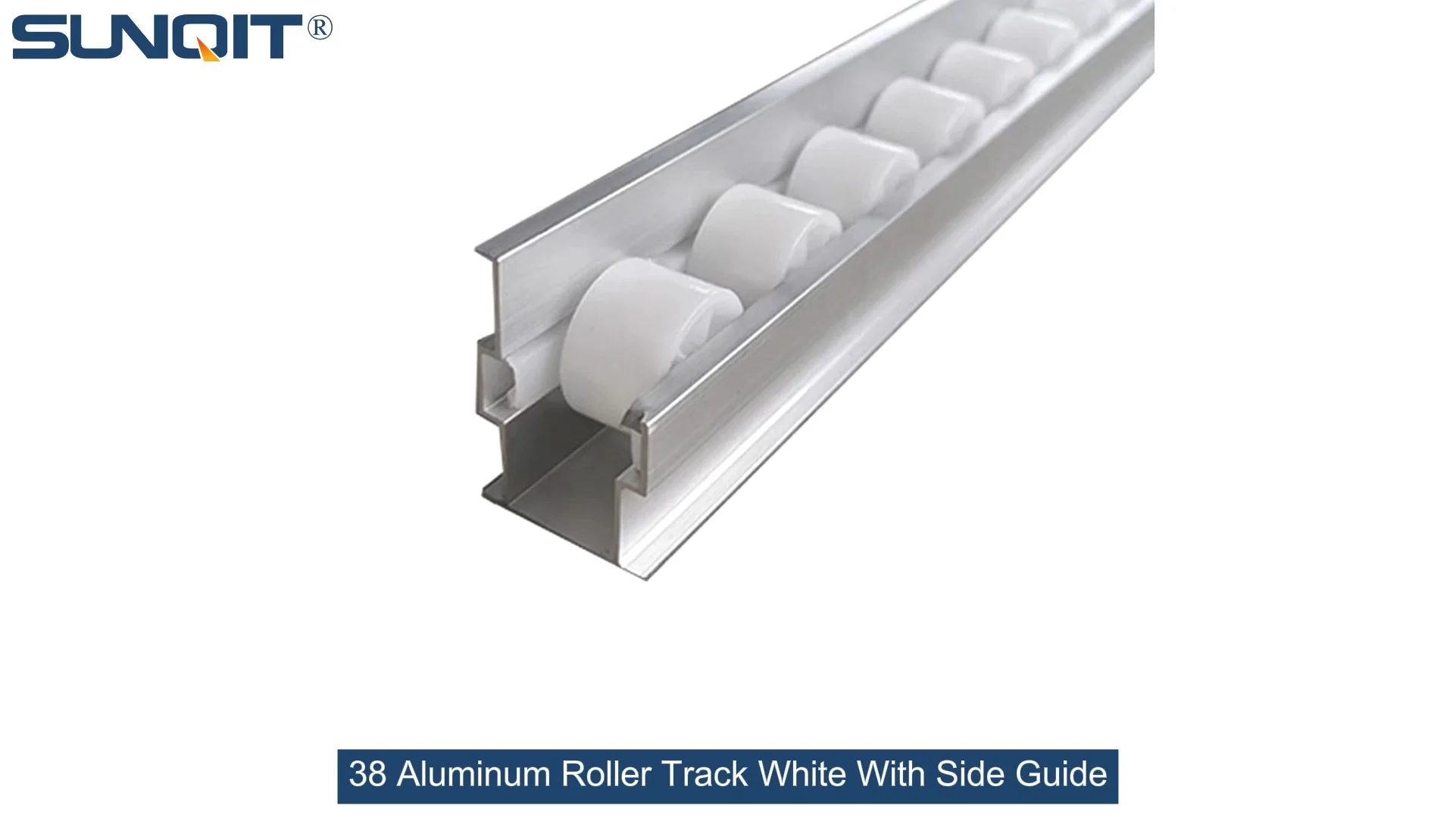
38 Aluminum Roller Track White with Side Guide
Heavy duty roller tracks, aluminum frame with plastic wheel, one side with guide keeps goods and materials on the track to prevent bin move to other direction.Aluminum frame makes the rail ani-corrision when the environment are humid.
Key Considerations When Buying 38 Aluminum Roller Track White with Side Guide
When you're setting up or upgrading a production line, every component counts—especially something as foundational as a roller track. The 38 Aluminum Roller Track White with Side Guide is a workhorse in many lean manufacturing setups, but choosing the right one isn't just about picking a product off the shelf. It's about understanding how it fits into your overall lean system, works with your flow racks and conveyors, and supports your team's daily operations. Whether you're a small workshop or a large factory, getting this decision right can boost efficiency, reduce downtime, and even cut long-term costs. In this guide, we'll walk you through everything you need to know before buying this specific roller track—from its key features to how to pick a reliable supplier.
1. Key Feature Breakdown of the 38 Aluminum Roller Track White with Side Guide
Let's start by breaking down what makes this roller track stand out. Each feature plays a role in its performance and suitability for your needs.
Material: Aluminum Alloy 6063-T5
The core material here is aluminum alloy 6063-T5, a popular choice in lean manufacturing for good reason. Unlike steel, aluminum is lightweight—this means you can install the track without heavy lifting equipment, saving time and labor during setup. It's also corrosion-resistant, so it holds up well in humid environments or areas where there's occasional exposure to moisture, like warehouses near coastal regions. The T5 temper gives it the right balance of strength and flexibility: it can handle heavy loads without bending, but it's not so rigid that it cracks under impact. The 38mm diameter is a standard size that aligns with many industry norms, making it easy to integrate with other components like lean pipe workbenches and aluminum profile accessories.
White Powder-Coated Finish
The white finish isn't just an aesthetic choice. Powder coating is a durable, eco-friendly process that creates a smooth, scratch-resistant surface. This is ideal for clean environments—think medical equipment assembly lines, where dust and debris can compromise product quality, or food processing facilities (though always confirm if the coating is food-grade if you're using it in such settings). The white color also makes it easier to spot dirt or damage, so you can maintain the track more effectively. Unlike paint, powder coating doesn't chip or peel easily, so the track will look good and perform well for years.
Integrated Side Guides
The side guides are a game-changer for stability. Unlike tracks without guides, this model keeps items from slipping off during movement—critical in fast-paced conveyor systems or flow racks where bins are sliding down to workers. The guides are integrated into the track frame, not attached as separate pieces, which means they're more stable and less likely to come loose over time. The height of the guides is typically around 15mm to 20mm (depending on the supplier), tall enough to prevent small to medium-sized items from falling off but not so tall that they block access when loading or unloading. If you need taller guides for larger items, many suppliers offer customization options.
Roller Performance
The rollers themselves are usually made of high-quality plastic or nylon, chosen for their smooth operation and quiet performance. Plastic rollers are gentle on delicate items—perfect for 3C assembly lines where small electronic parts need to be moved without scratching. They also require less lubrication than metal rollers, reducing maintenance time. The spacing between rollers is a key detail: too far apart and small items might get stuck; too close and the track becomes more expensive. For the 38mm track, a standard spacing of 50mm to 60mm works well for most applications. The load capacity per meter is another important factor—look for a track that can handle at least 100kg per meter if you're moving heavy parts, or 50kg per meter for lighter items.
Standard Specifications
| Feature | Details |
|---|---|
| Material | Aluminum Alloy 6063-T5 |
| Diameter | 38mm |
| Finish | White Powder Coat |
| Roller Material | High-Density Nylon |
| Roller Spacing | 50mm (adjustable) |
| Load Capacity per Meter | 120kg |
| Side Guide Height | 18mm |
| Compatibility | Lean pipes, flow racks, conveyors, lean pipe workbenches |
2. Application Scenarios: Where Does This Roller Track Shine?
The 38 Aluminum Roller Track White with Side Guide is versatile, but it's especially effective in certain settings. Let's look at some real-world uses:
Flow Racks for Picking Operations
In warehouses and distribution centers, flow racks are used to store bins of parts or products. The roller track allows bins to slide down to the picking area as the top bins are emptied, following the FIFO (First-In-First-Out) principle. This reduces the need for workers to climb ladders or reach into deep shelves, cutting down on fatigue and increasing picking speed. The side guides ensure bins don't slip off the track, even when they're full—critical for heavy items like automotive components or medical supplies.
Conveyor Systems in Production Lines
Conveyors are the backbone of many production lines, and this roller track can be a key component. For example, in an appliance manufacturing plant, it might be used to move metal panels from the cutting station to the painting station. The smooth rollers ensure panels glide without scratching, and the side guides keep them aligned so they enter the painting booth correctly. In a lean system, this kind of efficiency means fewer errors and faster throughput.
Lean Pipe Workbenches for Assembly Stations
Lean pipe workbenches are common in 3C assembly lines (phone, laptop, tablet production). The roller track can be attached to the workbench as a feeding station: parts like screws, connectors, or small components are placed in bins on the track, sliding down to the worker as needed. This eliminates the need for the worker to reach across the bench or walk to a storage area, keeping their focus on assembly. The white finish is perfect here because it matches the clean, organized look of modern assembly lines.
Medical Equipment Manufacturing
Medical equipment requires precision and cleanliness, and this roller track delivers both. It's used to move delicate parts like syringes, catheters, or diagnostic device components between stations. The corrosion-resistant aluminum and smooth finish make it easy to sanitize, and the side guides prevent parts from falling and getting damaged. Many medical manufacturers also appreciate that the track is compatible with aluminum profile accessories, allowing them to build custom workstations tailored to their specific needs.
3. Critical Buying Factors to Consider
Now that you know the features and applications, let's dive into the factors that will help you choose the right track for your needs.
Compatibility with Existing Lean Components
Your roller track doesn't exist in a vacuum. Before buying, check if it's compatible with the components you already have. For example: Can it be attached to your current lean pipe workbench without extra adapters? Does it fit into the slots of your flow rack? Will it work with your conveyor's motor system? If you're unsure, ask the supplier for a compatibility chart or a sample kit. Using compatible components saves you from having to modify parts or buy new ones, which can add unexpected costs and delays.
Customization Options
Standard lengths are great, but what if you need a track that's 2.5 meters long instead of the usual 2 meters? Or taller side guides for larger bins? Look for a supplier that offers customization services. Cut-to-length options are common and can save you from wasting material. Some suppliers also offer end caps to protect the track ends, or connectors to join multiple tracks together. If you work with sensitive electronics, ask if they can add ESD (anti-static) rollers—though this specific track is white, many suppliers have ESD versions available as related products.
Load Capacity and Durability
Don't just take the supplier's word for load capacity—ask for test reports. A reliable supplier will have data showing how much weight the track can handle per meter, and how it performs under repeated use. Durability is also key: check if the aluminum wall thickness is at least 1.2mm (thicker walls mean better load-bearing capacity). The rollers should be made of high-quality plastic or nylon that doesn't wear down quickly. If you're using the track in a high-traffic area, look for rollers with reinforced edges to prevent chipping.
Supplier Reliability and Wholesale Options
Choosing the right supplier is as important as choosing the right product. Here's what to look for:
- Wholesale Capabilities: If you need multiple tracks, buying wholesale can save you a significant amount of money. Look for suppliers that offer bulk discounts—many will reduce the price per unit when you order 10 or more tracks.
- Product Range: A supplier that sells other lean components (like flow racks, conveyors, and aluminum profile accessories) is ideal. This way, you can get all your parts from one place, ensuring compatibility and simplifying logistics.
- After-Sales Support: What happens if a roller breaks or the track gets damaged? A good supplier will offer replacement parts and troubleshooting help. Some even provide on-site installation support if you need it.
- Lead Time: How long will it take for the track to arrive? If you're in a hurry, look for suppliers with short lead times (1-3 days for standard orders). For custom orders, ask for an estimated delivery date upfront.
- Customer Reviews: Check online reviews or ask for references. Are other customers happy with the quality and service? Positive reviews are a good sign that you're making the right choice.
4. How to Choose the Right Supplier for Your 38 Aluminum Roller Track
Let's expand on supplier selection—this is a step many buyers skip, but it can make or break your experience.
Look for Specialization in Lean Systems
A supplier that specializes in lean systems will understand your needs better than a general hardware store. They'll know how the 38 Aluminum Roller Track White with Side Guide fits into a lean manufacturing setup, and they can offer advice on how to optimize your line. For example, they might suggest pairing it with a specific flow rack or conveyor to boost efficiency. Avoid suppliers that sell everything from tools to furniture—they're unlikely to have the expertise to help you with lean manufacturing-specific questions.
Check for Customization Expertise
If you have unique requirements (like a non-standard length or special roller material), make sure the supplier can handle custom orders. Ask about their design process: do they use CAD software to create custom tracks? Can they provide a prototype before you place a large order? A supplier with customization expertise will work with you to create a track that fits your exact needs, not just a one-size-fits-all solution.
Verify Quality Control Processes
Quality control is non-negotiable. Ask the supplier about their testing procedures: do they inspect each track for defects before shipping? Do they test load capacity and roller smoothness? A reliable supplier will have a documented quality control process and be willing to share it with you. If they can't provide details about their QC, it's a red flag—you don't want to end up with a track that fails after a few weeks of use.
Consider Location and Shipping
Local suppliers often offer faster delivery and easier returns, but international suppliers might have lower prices. If you choose an international supplier, factor in shipping costs and time—for example, a supplier in China might take 2-4 weeks to deliver to the US, but the price per unit could be 30% lower. Also, check if they offer door-to-door shipping or if you'll need to handle customs clearance yourself. For urgent orders, a local supplier is usually the better choice.
5. Maintenance Tips to Extend the Life of Your Roller Track
Once you've bought the track, proper maintenance will keep it working well for years. Here are some simple tips:
Clean Regularly
Dust and debris can get stuck between the rollers, causing them to jam. Wipe the track down with a soft cloth every week (or more often if it's in a dusty environment). For stubborn dirt, use a mild detergent and warm water—avoid harsh chemicals that could damage the powder coating.
Lubricate Rollers Occasionally
Plastic rollers don't need much lubrication, but metal rollers (if you choose them) do. Use a silicone-based lubricant every 3-6 months to keep rollers rolling smoothly. Avoid oil-based lubricants—they attract dust and can cause rollers to stick.
Inspect for Wear and Damage
Check the track monthly for signs of wear: bent aluminum frames, cracked rollers, or loose side guides. replace any damaged parts immediately—small issues can turn into big problems if left unaddressed. For example, a cracked roller can scratch products or cause bins to get stuck, leading to downtime.
Store Properly When Not in Use
If you have extra tracks, store them in a dry, cool place. Avoid stacking heavy items on top of them—this can bend the aluminum frame. If you're storing them for a long time, cover them with a dust sheet to prevent dirt buildup.
6. Cost-Benefit Analysis: Why Investing in Quality Pays Off
It's tempting to choose the cheapest roller track available, but let's look at the long-term costs. A low-quality track might cost $50 per meter, while a high-quality one costs $80 per meter. At first glance, the cheap one seems better—but let's break it down:
- Downtime: A low-quality track might jam or break every few months, leading to 1-2 hours of downtime each time. If your production line runs at $100 per hour, that's $100-$200 per incident. Over a year, that could add up to $1,000 or more.
- Replacement Parts: Cheap rollers wear out quickly—you might need to replace them every 6 months. High-quality rollers last 2-3 years, saving you money on parts.
- Labor Costs: Installing a new track or replacing parts takes time. A high-quality track requires less maintenance, so your team spends less time fixing it and more time on productive tasks.
In the end, the high-quality track might cost more upfront, but it saves you money over its lifespan. It's an investment in your business's efficiency and profitability.
7. Conclusion: Making an Informed Decision
The 38 Aluminum Roller Track White with Side Guide is more than just a piece of metal—it's a key component of your lean system, helping you boost efficiency, reduce downtime, and support your team. By understanding its features, checking compatibility with your existing components (like flow racks, conveyors, and lean pipe workbenches), and choosing a reliable supplier that offers quality products and customization options, you can make an informed decision that benefits your business for years. Remember to prioritize quality over price—cheaper tracks might save you money upfront, but they'll cost more in the long run due to frequent replacements and downtime. Whether you're using it in a flow rack, conveyor system, or lean pipe workbench, this roller track is a versatile, durable choice that will help you achieve your lean manufacturing goals. Take your time, do your research, and choose the track that's right for you.