- Company Articles
- Products and Technology
- Procurement Guidelines
- Key Considerations When Buying Two Way Lean Pipe Joint for Your Factory

Key Considerations When Buying Two Way Lean Pipe Joint for Your Factory
Related Product
Two Way Lean Pipe Joint
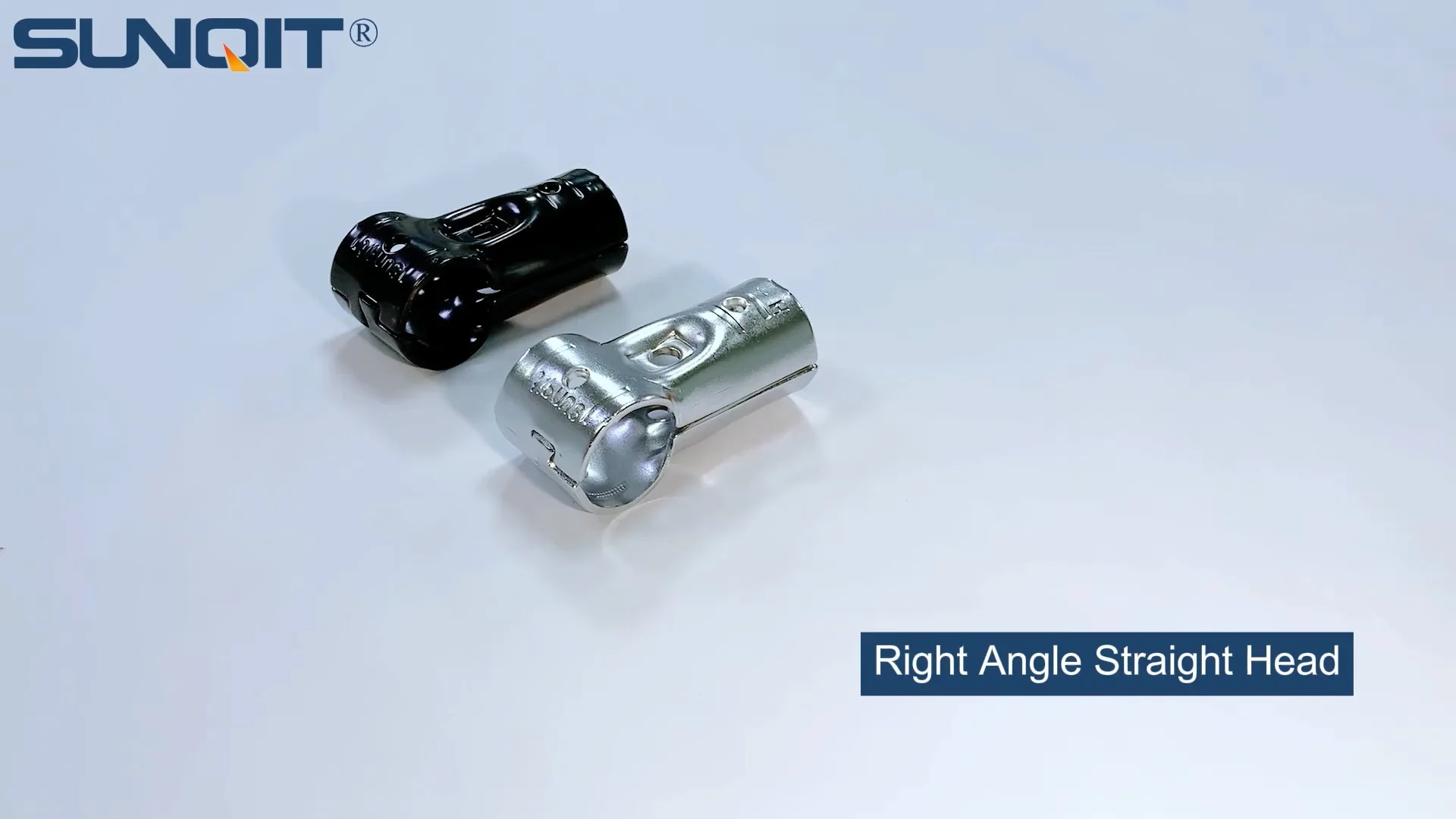
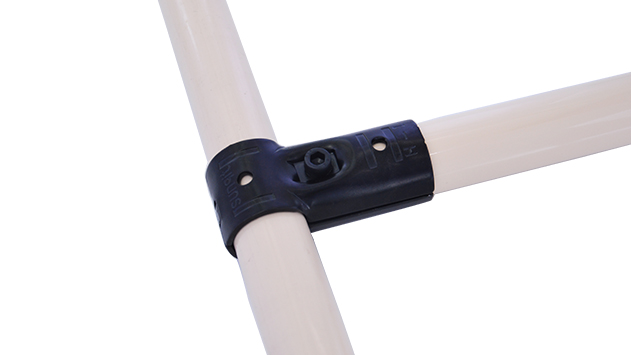
Two way lean pipe joint for 2 pcs 28MM lean pipe connection in straight angle, which used widely in workbench, flow rack, hand trolley frame connection.
Imagine walking through a bustling factory floor: assembly lines hum with activity, workers move seamlessly between stations, and materials glide from one process to the next without a hitch. Behind this efficiency lies a well-designed lean system—an ecosystem of workbenches, flow racks, conveyors, and trolleys, all working in harmony to minimize waste and maximize productivity. At the heart of this ecosystem? The humble yet critical two way lean pipe joint. These small but mighty components are the unsung heroes that hold your lean system together, ensuring stability, flexibility, and adaptability. But choosing the wrong two way lean pipe joint can turn that smooth assembly line into a source of frustration: wobbly workbenches, stuck conveyors, and unexpected downtime. So, how do you pick the right joint for your factory's unique needs? Let's dive into the key considerations that will help you make an informed decision.
1. Material Quality: The Foundation of Durability
The first thing to evaluate when selecting a two way lean pipe joint is the material it's made from. Why does this matter? Because the material directly impacts the joint's strength, weight, corrosion resistance, and lifespan—all critical factors in a factory environment where daily wear and tear are inevitable. Let's break down the most common materials used in lean pipe joints and their pros and cons.
Steel joints are known for their brute strength, making them ideal for heavy-duty applications like supporting loaded flow racks or industrial workbenches. However, uncoated steel is prone to rust, so if your factory deals with moisture (e.g., food processing, automotive washing stations), you'll need galvanized or stainless steel options. On the flip side, aluminum lean pipe joints offer a compelling balance of strength and lightness. They're corrosion-resistant by nature, which is a game-changer in humid or outdoor settings, and their lighter weight makes installation and reconfiguration a breeze—perfect for factories that frequently adjust their lean system layout. Plastic joints, while affordable, are best reserved for light-duty tasks, as they lack the structural integrity to handle heavy loads over time.
Pro tip: If your factory uses aluminum lean pipe for its frames (a popular choice for its versatility), opt for aluminum two way joints to ensure compatibility and uniform weight distribution. Mixing materials (e.g., steel joints with aluminum pipes) can lead to uneven stress and premature failure.
| Material | Strength (1-10) | Weight (1-10, 10=Lightest) | Corrosion Resistance | Cost | Best For |
|---|---|---|---|---|---|
| Steel | 9 | 4 | Low (unless coated) | Medium | Heavy-load applications, dry environments |
| Aluminum (Aluminum Lean Pipe) | 7 | 9 | High | Medium-High | Light to medium loads, humid/clean rooms |
| Plastic | 5 | 10 | High | Low | Light loads, temporary setups, non-industrial use |
Steel joints are known for their brute strength, making them ideal for heavy-duty applications like supporting loaded flow racks or industrial workbenches. However, uncoated steel is prone to rust, so if your factory deals with moisture (e.g., food processing, automotive washing stations), you'll need galvanized or stainless steel options. On the flip side, aluminum lean pipe joints offer a compelling balance of strength and lightness. They're corrosion-resistant by nature, which is a game-changer in humid or outdoor settings, and their lighter weight makes installation and reconfiguration a breeze—perfect for factories that frequently adjust their lean system layout. Plastic joints, while affordable, are best reserved for light-duty tasks, as they lack the structural integrity to handle heavy loads over time.
Pro tip: If your factory uses aluminum lean pipe for its frames (a popular choice for its versatility), opt for aluminum two way joints to ensure compatibility and uniform weight distribution. Mixing materials (e.g., steel joints with aluminum pipes) can lead to uneven stress and premature failure.
2. Compatibility with Your Existing Lean System
You wouldn't buy a puzzle piece without checking if it fits the puzzle, right? The same logic applies to two way lean pipe joints. Your factory likely already has a lean system in place—lean pipes, workbenches, flow racks, and maybe even conveyors. The new joints must seamlessly integrate with these existing components to avoid costly rework or inefficiencies.
Start by checking the diameter of your current lean pipes. Most factories use standard sizes (e.g., 28mm for steel lean pipes, 30mm for aluminum lean pipe), but there are variations. A joint designed for a 28mm pipe won't fit a 30mm pipe, and forcing it will result in a loose connection that wobbles or fails under pressure. Next, consider the connection mechanism. Are your existing joints threaded, press-fit, or secured with bolts? Two way lean pipe joints come in different styles—some require tools for tightening, others use quick-connect levers—and mismatched mechanisms can slow down assembly or compromise stability.
Another compatibility factor is the type of lean pipe accessories you use. If your system relies on roller tracks, casters, or workbench brackets, the two way joint should have pre-drilled holes or slots to accommodate these accessories. For example, if you plan to attach a flow rack to a workbench using a two way joint, the joint must have mounting points that align with the rack's brackets. A reputable lean pipe supplier will provide detailed specs (diameter, thread size, accessory compatibility) to help you verify fit—don't hesitate to ask for this information before purchasing.
Case in point: A electronics manufacturer once ordered two way joints without confirming pipe diameter, assuming "standard" meant the same across all suppliers. Their existing aluminum lean pipes were 30mm, but the new joints were sized for 28mm steel pipes. The result? A week of delays while they waited for replacement joints, and a costly lesson in the importance of compatibility checks.
Start by checking the diameter of your current lean pipes. Most factories use standard sizes (e.g., 28mm for steel lean pipes, 30mm for aluminum lean pipe), but there are variations. A joint designed for a 28mm pipe won't fit a 30mm pipe, and forcing it will result in a loose connection that wobbles or fails under pressure. Next, consider the connection mechanism. Are your existing joints threaded, press-fit, or secured with bolts? Two way lean pipe joints come in different styles—some require tools for tightening, others use quick-connect levers—and mismatched mechanisms can slow down assembly or compromise stability.
Another compatibility factor is the type of lean pipe accessories you use. If your system relies on roller tracks, casters, or workbench brackets, the two way joint should have pre-drilled holes or slots to accommodate these accessories. For example, if you plan to attach a flow rack to a workbench using a two way joint, the joint must have mounting points that align with the rack's brackets. A reputable lean pipe supplier will provide detailed specs (diameter, thread size, accessory compatibility) to help you verify fit—don't hesitate to ask for this information before purchasing.
Case in point: A electronics manufacturer once ordered two way joints without confirming pipe diameter, assuming "standard" meant the same across all suppliers. Their existing aluminum lean pipes were 30mm, but the new joints were sized for 28mm steel pipes. The result? A week of delays while they waited for replacement joints, and a costly lesson in the importance of compatibility checks.
3. Load Capacity: Don't Underestimate the Weight
"How much weight will this joint need to support?" This is perhaps the most critical question to answer before buying two way lean pipe joints. Every joint has a maximum load capacity—the amount of weight it can safely hold without bending, breaking, or loosening. Exceeding this limit is a recipe for disaster: collapsed workbenches, damaged materials, or even worker injuries.
To determine the right load capacity, calculate the total weight the joint will bear. This includes the weight of the lean pipe itself, any attached accessories (e.g., roller tracks, tool holders), and the materials or products that will rest on the structure. For example, a two way joint holding up a workbench with a 50kg toolbox and 30kg of components needs to support at least 80kg (plus the pipe's weight). But don't stop there—factor in dynamic loads too. If workers will be leaning on the workbench or materials will be dropped onto it, add 20-30% to your static load estimate to account for sudden impacts.
Reputable suppliers test their two way lean pipe joints for load capacity and publish these ratings (e.g., "200kg per joint" or "150kg vertical load"). Always choose a joint with a rating higher than your calculated needs—this "safety margin" protects against unexpected stress. Avoid generic joints with no load capacity data; they're often untested and risky for industrial use.
Remember: Load capacity isn't just about the joint itself. It also depends on how the joint is installed. A joint rated for 200kg will fail if it's loosely connected or paired with a weak pipe. Always follow the supplier's installation guidelines, and inspect connections regularly to ensure they're tight and secure.
To determine the right load capacity, calculate the total weight the joint will bear. This includes the weight of the lean pipe itself, any attached accessories (e.g., roller tracks, tool holders), and the materials or products that will rest on the structure. For example, a two way joint holding up a workbench with a 50kg toolbox and 30kg of components needs to support at least 80kg (plus the pipe's weight). But don't stop there—factor in dynamic loads too. If workers will be leaning on the workbench or materials will be dropped onto it, add 20-30% to your static load estimate to account for sudden impacts.
Reputable suppliers test their two way lean pipe joints for load capacity and publish these ratings (e.g., "200kg per joint" or "150kg vertical load"). Always choose a joint with a rating higher than your calculated needs—this "safety margin" protects against unexpected stress. Avoid generic joints with no load capacity data; they're often untested and risky for industrial use.
Remember: Load capacity isn't just about the joint itself. It also depends on how the joint is installed. A joint rated for 200kg will fail if it's loosely connected or paired with a weak pipe. Always follow the supplier's installation guidelines, and inspect connections regularly to ensure they're tight and secure.

4. Ease of Installation and Adjustability: Time is Money
In a fast-paced factory, downtime equals lost revenue. That's why the ease of installing and adjusting two way lean pipe joints matters. A joint that takes 10 minutes to install per connection will slow down your entire lean system setup, while one that can be adjusted without tools will let you reconfigure workstations in minutes to adapt to new production needs.
Look for joints with user-friendly features like tool-free assembly. Quick-connect joints, for example, use levers or clips that can be tightened by hand, eliminating the need for wrenches or screwdrivers. This is especially valuable for factories that frequently reposition workbenches or flow racks (e.g., seasonal product lines or prototype development). On the other hand, if your lean system is permanent (e.g., a fixed assembly line), a bolted two way joint may be preferable for its superior stability—just ensure your team has the tools and training to install it efficiently.
Adjustability is another key factor. Lean manufacturing thrives on flexibility, so your two way joints should allow for minor tweaks. Can the joint be rotated 360 degrees to align pipes at different angles? Can it be loosened and repositioned without damaging the pipe or joint? For example, if you need to adjust the height of a workbench by 5cm, a joint with a sliding collar or adjustable clamp will make this quick work, whereas a fixed joint would require disassembling and rebuilding the entire structure.
Ask your lean pipe supplier for a demo or installation video. This will give you a sense of how easy (or difficult) the joint is to work with. If the supplier can't provide this, it may be a red flag—reputable suppliers stand behind their products and want to ensure you can install them correctly.
Look for joints with user-friendly features like tool-free assembly. Quick-connect joints, for example, use levers or clips that can be tightened by hand, eliminating the need for wrenches or screwdrivers. This is especially valuable for factories that frequently reposition workbenches or flow racks (e.g., seasonal product lines or prototype development). On the other hand, if your lean system is permanent (e.g., a fixed assembly line), a bolted two way joint may be preferable for its superior stability—just ensure your team has the tools and training to install it efficiently.
Adjustability is another key factor. Lean manufacturing thrives on flexibility, so your two way joints should allow for minor tweaks. Can the joint be rotated 360 degrees to align pipes at different angles? Can it be loosened and repositioned without damaging the pipe or joint? For example, if you need to adjust the height of a workbench by 5cm, a joint with a sliding collar or adjustable clamp will make this quick work, whereas a fixed joint would require disassembling and rebuilding the entire structure.
Ask your lean pipe supplier for a demo or installation video. This will give you a sense of how easy (or difficult) the joint is to work with. If the supplier can't provide this, it may be a red flag—reputable suppliers stand behind their products and want to ensure you can install them correctly.

5. Supplier Reliability: Your Partner in Productivity
Finally, don't overlook the importance of choosing a trustworthy lean pipe supplier. A reliable supplier isn't just a vendor—they're a partner who can help you select the right two way lean pipe joints, provide technical support, and ensure timely delivery. Here's what to look for:
To vet a supplier, check online reviews, ask for references from other factories in your industry, and request samples of their two way lean pipe joints. Testing a sample allows you to inspect the material quality, fit, and ease of installation firsthand before committing to a large order.
Quality Control
A good supplier invests in quality control, testing each batch of two way lean pipe joints for strength, durability, and consistency. Ask about their manufacturing process: Do they use automated machinery to ensure uniform dimensions? Do they perform load tests on finished joints? Avoid suppliers who cut corners—cheap, poorly made joints may save you money upfront, but they'll cost more in replacements and downtime later.Consistency
In lean manufacturing, consistency is key. You need every two way joint in a batch to be identical—same dimensions, same strength, same finish. Inconsistent joints can lead to uneven structures (e.g., a workbench that tilts because one joint is slightly shorter than the others) or compatibility issues with accessories. A reputable supplier will have strict quality standards and can provide certificates of compliance if needed.Customer Support
Even the best products may require troubleshooting. Does the supplier offer technical support via phone, email, or chat? Can they help you calculate load capacities or recommend accessories? A supplier with responsive support can save you hours of frustration when questions arise.Delivery Times
Factory schedules wait for no one. If your production line is down because you're missing two way joints, every day of delay costs money. Choose a supplier with a track record of on-time deliveries, and ask about their lead times for custom orders (if you need specialized joints). Some suppliers even offer rush shipping for emergencies—this can be a lifesaver during peak production seasons.To vet a supplier, check online reviews, ask for references from other factories in your industry, and request samples of their two way lean pipe joints. Testing a sample allows you to inspect the material quality, fit, and ease of installation firsthand before committing to a large order.
Conclusion: Invest in the Right Joints for Long-Term Success
Choosing the right two way lean pipe joint may seem like a small decision, but it has a big impact on your factory's efficiency, safety, and bottom line. By prioritizing material quality (like durable aluminum lean pipe joints), ensuring compatibility with your existing lean system, verifying load capacity, valuing ease of installation, and partnering with a reliable supplier, you'll build a lean system that's not just functional today, but adaptable for tomorrow's challenges.
Remember: A lean system is only as strong as its weakest link. Don't cut corners on two way lean pipe joints—invest in quality, and you'll reap the rewards of smoother operations, fewer disruptions, and a more productive workforce. After all, in the world of lean manufacturing, every component counts—and the right joint can turn a good system into a great one.
Remember: A lean system is only as strong as its weakest link. Don't cut corners on two way lean pipe joints—invest in quality, and you'll reap the rewards of smoother operations, fewer disruptions, and a more productive workforce. After all, in the world of lean manufacturing, every component counts—and the right joint can turn a good system into a great one.