- Company Articles
- Products and Technology
- Procurement Guidelines
- Key Considerations When Sourcing 3030b EU Standard Aluminum Profile in Bulk

Key Considerations When Sourcing 3030b EU Standard Aluminum Profile in Bulk
Related Product
3030B EU Standard Aluminum Profile
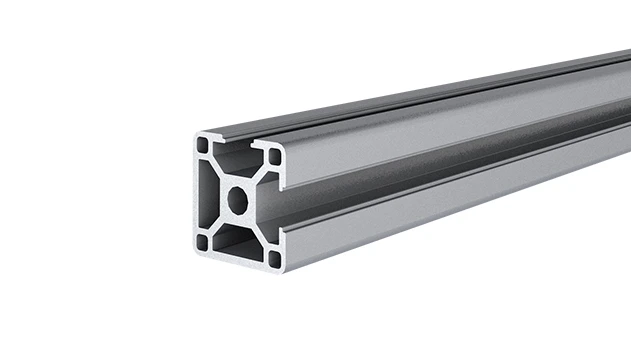
3030 is a 3.00 x 3.00CM fractional 30 series square extrusion T-slot profile with two side open T-slots, each side with 3.00cm face, 2 side with open slot, 2 side with closed face. The profile has align-a-grooves to assist in aligning connecting profiles.
In the fast-paced world of manufacturing, warehousing, and lean production, the right tools and materials can make or break operational efficiency. Among these, aluminum profiles stand out as the unsung heroes—quietly forming the backbone of workbenches, material racks, conveyor systems, and even custom machinery. And when it comes to versatility, durability, and compliance with global standards, the 3030b EU Standard Aluminum Profile is a top contender. But sourcing this profile in bulk? That's a whole different ballgame. Whether you're a small workshop scaling up or a large enterprise streamlining your supply chain, getting bulk 3030b sourcing right requires more than just comparing prices. It's about balancing quality, reliability, and long-term value. Let's dive into the key considerations that will help you navigate this process with confidence.
Understanding the 3030b EU Standard Aluminum Profile: More Than Just a "30x30"
First things first: What exactly is a 3030b EU standard aluminum profile, and why does it matter? Let's start with the basics. The "3030" refers to its cross-sectional dimensions—30mm by 30mm—a size that strikes a sweet spot between strength and flexibility. But the "b" suffix? That's where the EU standard comes into play. Unlike generic 30x30 profiles, the 3030b adheres to strict European union guidelines, which dictate everything from material composition to tolerance levels and surface finish. This isn't just red tape; these standards ensure consistency, safety, and compatibility across European markets.
At its core, the 3030b is typically extruded from 6063-T5 aluminum alloy, a material prized for its excellent strength-to-weight ratio and corrosion resistance. The extrusion process—where molten aluminum is pushed through a die to form the profile's shape—gives it uniform structural integrity, making it ideal for load-bearing applications like workbench frames or material racks. But what really sets the EU standard apart is the precision. Tolerances for dimensions, straightness, and wall thickness are tight—often within ±0.1mm—so you can trust that every profile in your bulk order will fit together seamlessly, whether you're building a single workstation or an entire production line.
Why does this matter for bulk sourcing? Imagine ordering 500 profiles for a large-scale project, only to find that some are slightly warped or have inconsistent hole placements. Suddenly, assembly times skyrocket, and your "cost-effective" bulk order becomes a logistical nightmare. That's the peace of mind the EU standard brings: predictability. And in manufacturing, predictability is gold.
Material Quality: The Foundation of Reliable Bulk Orders
When sourcing aluminum profiles in bulk, "quantity over quality" is a dangerous mindset. Even a single subpar profile can compromise an entire structure, leading to safety risks or costly rework. So, how do you ensure the material quality of your 3030b order?
Start with the alloy grade. As mentioned, 6063-T5 is the industry standard for profiles like the 3030b, but not all 6063-T5 is created equal. Reputable suppliers will provide alloy certificates, detailing the exact composition (e.g., silicon, magnesium content) and heat treatment process. T5 tempering—where the profile is solution-heat-treated and then artificially aged—enhances its mechanical properties, giving it a tensile strength of around 180-220 MPa. Ask your supplier for test reports; a quick check of tensile strength or yield strength can reveal if corners were cut in production.
Next, surface finish. Most 3030b profiles come with anodized or powder-coated finishes. Anodizing creates a protective oxide layer, boosting corrosion resistance and giving a sleek, matte appearance. Powder coating adds color and extra durability but can mask surface imperfections if not applied properly. In bulk orders, consistency is key—you don't want some profiles with a glossy finish and others dull. Request samples first; run your hand along the surface to check for scratches, dents, or uneven coating. Even minor flaws can indicate poor quality control in the production line.
Another often-overlooked aspect is internal structure. The 3030b typically features T-slots—longitudinal grooves along its length—that allow for easy attachment of accessories like brackets or panels. These slots must be cleanly formed, with no burrs or debris, to ensure compatibility with aluminum profile accessories. A quick test: Slide a standard T-slot nut through the slot. If it jams or fits loosely, the slot dimensions are off, and that's a red flag for bulk orders.
Finally, consider environmental factors. If your profiles will be used in humid or corrosive environments (e.g., food processing or outdoor applications), ask about additional treatments like chromate conversion coating. A reliable supplier will tailor the finish to your needs, ensuring longevity even in tough conditions.

Choosing a Lean System Supplier: More Than Just a Vendor
When you're sourcing 3030b EU standard aluminum profiles in bulk, you're not just buying materials—you're partnering with a lean system supplier. And this partnership can make or break your project. A "lean system supplier" isn't just someone who sells parts; they understand the intricacies of lean manufacturing, from optimizing material flow to reducing waste. So, what should you look for in this partner?
First, track record. How long have they been supplying aluminum profiles? Do they have case studies or references from clients in your industry? A supplier with 10+ years of experience in EU markets is more likely to navigate regulatory hurdles and understand the nuances of bulk orders than a newcomer. Don't be afraid to ask for client testimonials—specifically from businesses that ordered 3030b in bulk. Did they deliver on time? Was the quality consistent? Were there any post-delivery issues, and how were they resolved?
Certifications matter, too. Look for ISO 9001 (quality management), ISO 14001 (environmental management), and CE marking—proof that their production processes meet international standards. For EU markets, CE compliance is non-negotiable; it ensures the profiles meet health, safety, and environmental requirements. A supplier who can't provide these certifications is a risk, especially if you're selling your end products in Europe.
Production capacity is another critical factor. Bulk orders require a supplier with the infrastructure to handle large volumes without sacrificing quality. Ask about their extrusion press sizes, daily production output, and inventory levels. Can they fulfill a 1,000-profile order within your timeline? Do they have backup suppliers for raw materials to avoid delays if there's a shortage? A supplier with limited capacity might offer lower prices, but missed deadlines can cost you far more in the long run.
Communication is the glue that holds the partnership together. From the initial quote to post-delivery support, your supplier should be responsive and transparent. Do they provide detailed order confirmations with specs, delivery dates, and quality guarantees? Are they proactive about updating you on production progress? A supplier who ghosted you during the quoting phase is unlikely to be reliable when issues arise with your bulk shipment.
Aluminum Profile Accessories: The Unsung Heroes of Compatibility
You've nailed the profile quality and chosen a great lean system supplier—now, don't overlook the accessories. Aluminum profile accessories might seem like small fry, but they're the difference between a functional structure and a rickety one. And in bulk sourcing, compatibility is everything.
The 3030b relies on accessories like brackets, connectors, end caps, and T-slot nuts to bring projects to life. For example, a 90° aluminum profile connector joins two profiles at a right angle, while an end cap protects the profile's edges and gives a clean finish. The problem? Not all accessories are created equal. A bracket designed for a generic 30x30 profile might not fit the 3030b's T-slots, or a connector might have a slightly different diameter, leading to loose joints.
When sourcing in bulk, it's often tempting to mix and match accessories from different suppliers to save money. Resist that urge. Instead, ask your lean system supplier if they offer a full line of compatible accessories for the 3030b. This ensures that every component—from the profile to the smallest nut—is engineered to work together. For example, their 3030 aluminum profile end caps should snap into place without force, and their T-slot nuts should slide smoothly and lock securely. Incompatible accessories don't just slow down assembly; they can weaken the structure over time, putting workers at risk.
Another tip: Order a small batch of accessories with your first profile sample. Test them out—assemble a simple frame, check for fit and stability, and see how easy they are to install. If the accessories feel flimsy or require excessive force, it's a sign that the supplier cuts corners, and you should look elsewhere. Remember, in bulk orders, even a 1% defect rate in accessories can translate to dozens of useless parts, wasting time and money.
Customization: Tailoring Bulk Orders to Your Needs
Bulk sourcing doesn't mean you're stuck with "one-size-fits-all" profiles. In fact, the best lean system suppliers offer customization options to make your 3030b order work harder for your specific project. Whether you need custom lengths, pre-drilled holes, or special surface finishes, the ability to tailor profiles can save you significant time and labor downstream.
Let's start with length. Standard 3030b profiles often come in 2m or 3m lengths, but maybe your project requires 2.5m sections to minimize waste. A supplier with in-house cutting capabilities can trim profiles to your exact specifications, reducing the need for on-site cutting (which is time-consuming and can lead to errors). Just be sure to clarify tolerance for cut lengths—even a ±2mm variance can add up in large orders.
Pre-drilled holes are another game-changer. If your design requires holes for bolts or hinges, having them drilled at the factory ensures precision and consistency. Imagine drilling 500 profiles by hand versus receiving them ready to assemble— the time savings alone justify the small upcharge for pre-drilling. Similarly, custom surface finishes like color-matched powder coating can brand your workbenches or align with your facility's aesthetics.
But customization comes with trade-offs, mainly cost and lead time. Special finishes or non-standard lengths may require minimum order quantities (MOQs) or longer production times. Be upfront with your supplier about your needs and timeline. A good supplier will work with you to balance customization and feasibility—maybe suggesting a slight design tweak to use standard lengths, or offering a phased delivery to meet your project deadlines.
Pro tip: Ask for a sample of your customized profile before placing the full bulk order. This lets you test the fit, finish, and functionality, ensuring that the final product matches your expectations. It's a small step that can prevent big headaches later.
Cost-Efficiency: Beyond the Per-Unit Price
Let's talk numbers. Bulk sourcing is supposed to save money, right? But the lowest per-unit price isn't always the best deal. To truly gauge cost-efficiency, you need to look at the total cost of ownership—including hidden costs like shipping, handling, defects, and rework.
Start with the base price. Suppliers often offer tiered pricing: the more profiles you order, the lower the per-unit cost. But be wary of rock-bottom prices. A supplier selling 3030b profiles significantly cheaper than competitors might be cutting corners on material quality or skipping EU compliance checks. Remember: A profile that costs 10% less but fails prematurely will cost you far more in replacements and downtime.
Shipping is another major factor. Bulk orders are heavy, and international shipping costs can eat into your savings. Ask your supplier about shipping options—sea freight is slower but cheaper for large volumes, while air freight is faster but pricier. Also, check if they offer consolidated shipping if you're ordering accessories alongside profiles; combining shipments can reduce costs. Don't forget to factor in import duties and taxes if sourcing from outside the EU—these can add 10-20% to the total cost.
Defect rates are a hidden cost that's easy to overlook. A supplier with a 5% defect rate on a 1,000-profile order means 50 unusable profiles—wasting money and delaying your project. Ask about their quality control processes and defect policy. Do they offer replacements for defective profiles? What's their turnaround time? A supplier who stands behind their products will have clear policies to address issues, minimizing your risk.
Finally, consider long-term savings. A slightly more expensive but higher-quality profile might last twice as long, reducing replacement costs. Or a supplier who offers free technical support can help you optimize your design, reducing material waste. These "soft" savings add up over time, making them worth the initial investment.
| Cost Factor | Low-Cost Supplier | Quality-Focused Supplier |
|---|---|---|
| Per-unit price | €8.50 | €10.00 |
| Defect rate | 8% | 1% |
| Shipping cost (per 100 units) | €200 (uninsured) | €250 (insured, tracked) |
| Total cost (100 units) | €850 + €200 + €68 (replacements) = €1,118 | €1,000 + €250 + €10 (replacements) = €1,260 |
| Long-term value | Profiles may warp; higher rework | Consistent quality; lower maintenance |
Example cost comparison for 100 units of 3030b EU standard aluminum profile. Note: Long-term value favors quality-focused suppliers despite higher upfront costs.
After-Sales Support: What Happens After the Shipment Arrives?
Bulk orders don't end when the profiles arrive at your facility. What if a box is damaged during shipping? Or you discover a batch has inconsistent finishes? That's where after-sales support comes in—and it's a make-or-break factor for bulk sourcing.
A reliable lean system supplier should offer clear channels for support, whether via phone, email, or a dedicated account manager. They should respond to inquiries promptly (ideally within 24 hours) and take ownership of issues. For example, if a shipment is damaged, they should arrange a replacement batch at no extra cost and work with the carrier to recoup losses. If you're struggling to assemble a structure, they should provide technical diagrams or even virtual support to troubleshoot.
Warranties are another key part of after-sales support. A good supplier will back their 3030b profiles with a warranty—typically 1-5 years—covering defects in material or workmanship. Read the fine print, though: Some warranties exclude damage from improper installation or misuse, so make sure your team is trained on proper handling.
Finally, consider the supplier's commitment to long-term partnership. Do they follow up after delivery to ensure you're satisfied? Do they share new product updates or cost-saving tips? A supplier who sees you as a partner, not just a customer, will go the extra mile to help you succeed.
Final Thoughts: Your Bulk Sourcing Checklist
Sourcing 3030b EU standard aluminum profile in bulk is a big decision, but it doesn't have to be overwhelming. By focusing on quality, supplier reliability, compatibility, and long-term value, you can ensure your order meets your project's needs and budget. To recap, here's a quick checklist to guide you:
- Verify the profile meets EU standards (dimensions, tolerances, certifications).
- Inspect material quality: alloy grade, surface finish, and structural consistency.
- Choose a lean system supplier with a proven track record, certifications, and production capacity.
- Ensure accessories (connectors, end caps, etc.) are compatible with the 3030b profile.
- Evaluate customization options and balance them with cost and lead time.
- Calculate total cost of ownership, including shipping, defects, and long-term savings.
- Check for strong after-sales support, including warranties and technical assistance.
- Request samples (profiles and accessories) before placing a bulk order.
At the end of the day, bulk sourcing is about more than buying profiles—it's about investing in the efficiency and safety of your operations. With the right approach, your 3030b EU standard aluminum profile order can be the foundation of a smoother, more productive workflow. So take your time, ask questions, and choose wisely. Your team, your projects, and your bottom line will thank you.