- Company Articles
- Products and Technology
- Product knowledge
- Key Differences: Single Side Aluminum Pipe vs Traditional Lean Steel Pipes

Key Differences: Single Side Aluminum Pipe vs Traditional Lean Steel Pipes
Related Product
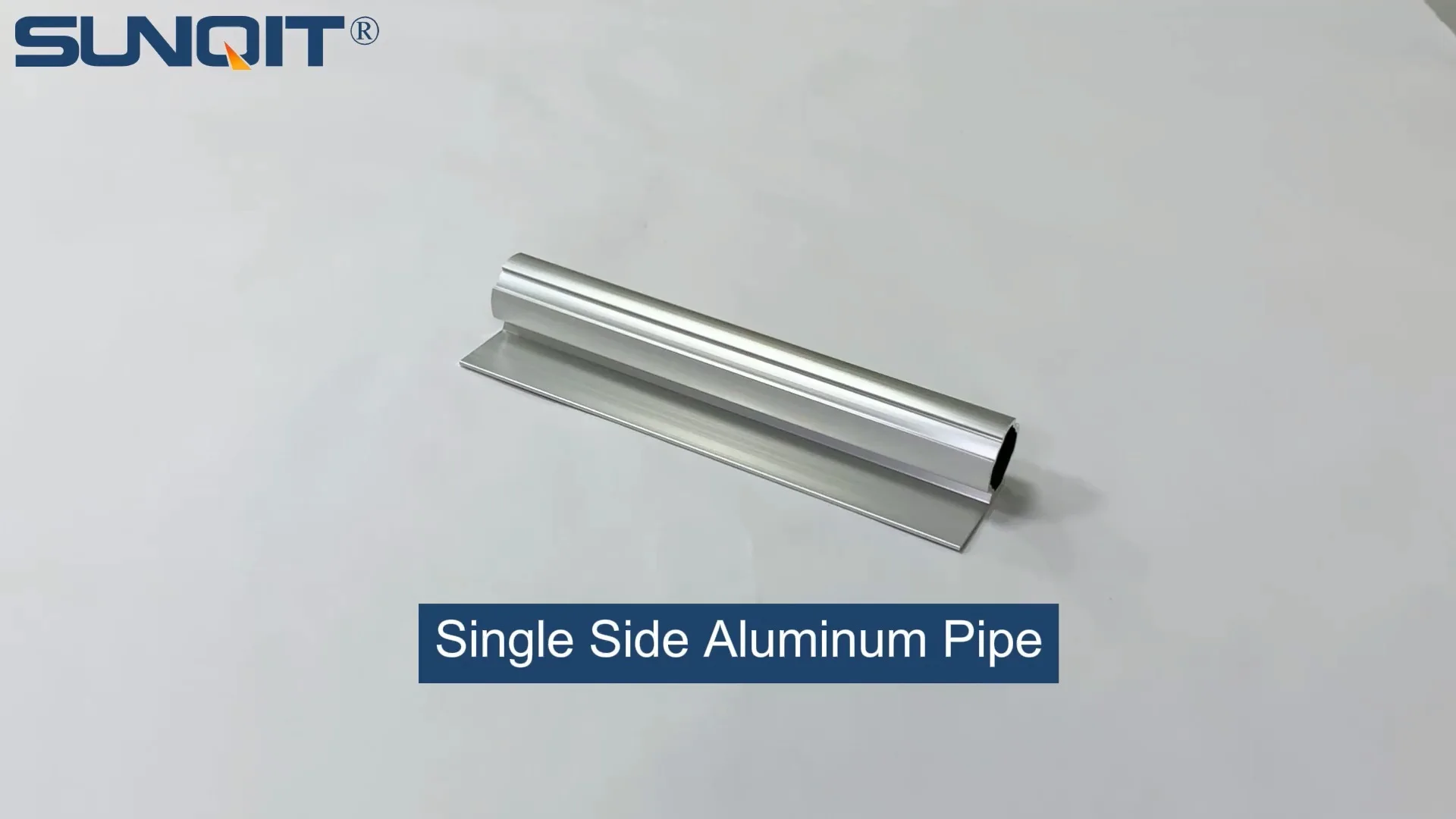
Single Side Aluminum Pipe
The single-sided plane can be installed with a back-mounted material box, and can also be used as a sidewall or partition.
In the fast-paced world of manufacturing, where every second counts and efficiency is the name of the game, the tools we choose to build our workspaces can make or break productivity. Lean manufacturing isn't just a buzzword—it's a philosophy that hinges on eliminating waste, streamlining processes, and creating environments that adapt as quickly as your production needs do. At the heart of many lean setups lie the unsung heroes: the pipes and tubes that form the backbone of workbenches, material racks, flow racks, and turnover trolleys. For decades, traditional lean steel pipes have been the go-to, but in recent years, a new contender has emerged: the single side aluminum pipe. If you've ever stood in a warehouse, squinting at a rickety old steel rack that's starting to rust, or struggled to reconfigure a heavy steel workbench, you might have wondered if there's a better way. Today, we're diving deep into the showdown between single side aluminum pipes and traditional lean steel pipes—breaking down their differences, weighing their pros and cons, and helping you figure out which one deserves a spot in your facility.
Understanding the Basics: What Are We Actually Comparing?
Before we jump into the nitty-gritty, let's make sure we're all on the same page. What exactly are single side aluminum pipes and traditional lean steel pipes? Let's start with the veteran: traditional lean steel pipes. These are typically made from steel—often coated with a layer of plastic (like PE coating) to prevent rust—or stainless steel for more demanding environments. They're sturdy, no-nonsense tools designed to hold up under heavy loads, and they've been a staple in factories, warehouses, and assembly lines for decades. You'll recognize them as the backbone of those familiar material racks, the frames of workbenches, and the tracks of flow racks that keep materials moving smoothly from one station to the next.
Now, the newcomer: single side aluminum pipes. These are part of the broader family of aluminum lean pipe systems, crafted from aluminum extrusion profiles—think of them as lightweight, precision-engineered tubes with a sleek, modern design. Unlike their steel counterparts, they're often made from high-grade aluminum, which gives them a unique set of properties: they're lighter, resistant to corrosion, and often come with specialized aluminum profile accessories that make assembly and reconfiguration a breeze. You'll find them in environments where cleanlines, flexibility, and weight matter—think electronics manufacturing, pharmaceutical labs, or any space where workers need to adjust setups on the fly without breaking a sweat.
At first glance, they might look similar—both are tubes used to build structures—but dig a little deeper, and the differences start to pile up. Let's break them down, one by one.
Material Matters: The Core of the Difference
The first, and most obvious, difference between single side aluminum pipes and traditional lean steel pipes is what they're made of. And that material difference ripples out to affect everything from how they feel in your hands to how they perform in the long run.
Traditional Lean Steel Pipes: The Heavyweights
Traditional lean steel pipes are, as the name suggests, made primarily of steel. Depending on the manufacturer and the intended use, they might be plain carbon steel (often coated with PE or another plastic to resist rust) or stainless steel for environments where corrosion is a major concern (like food processing or chemical plants). Steel is known for its strength—this stuff can take a beating. If you need to build a material rack that holds hundreds of pounds of raw materials day in and day out, steel is the kind of material that gives you peace of mind. It's dense, rigid, and when properly maintained, it can last for years.
But that strength comes with a trade-off: weight. Steel pipes are heavy. Even a short section can feel cumbersome, especially when you're trying to assemble a workbench or reconfigure a rack by yourself. And while the plastic coating helps with rust, it's not foolproof. Scratches or chips in the coating can expose the steel underneath, leading to corrosion over time—especially in humid or damp environments. I've visited factories where steel racks, only a few years old, are already showing signs of rust around the lean pipe joints , which are often the weak points in the coating. It's not just an aesthetic issue, either—rust can weaken the structure over time, making it less reliable.
Single Side Aluminum Pipes: The Lightweight Innovators
Single side aluminum pipes, on the other hand, are made from aluminum—specifically, aluminum extrusion profiles. Extrusion is a manufacturing process where aluminum is pushed through a die to create a specific shape, resulting in a tube that's not just strong, but also incredibly consistent in size and structure. This precision is one of the reasons aluminum pipes have become so popular: they fit together seamlessly with aluminum profile accessories , making assembly feel almost like building with a high-quality set of modular blocks.
Aluminum's biggest claim to fame? Its weight—or lack thereof. Aluminum is about one-third the weight of steel, which might not sound like a lot until you're carrying a 10-foot section across the factory floor. Suddenly, that difference means you can assemble a workbench by yourself instead of needing a partner, or reconfigure a flow rack in half the time. But don't let the light weight fool you—aluminum is surprisingly strong, especially when reinforced with the right design. Modern aluminum lean pipes are engineered to handle substantial loads, making them more than capable for most manufacturing and warehouse needs.
Another standout feature of aluminum is its natural resistance to corrosion. Unlike steel, aluminum doesn't rust. When exposed to air, it forms a thin layer of aluminum oxide on its surface, which acts as a protective barrier, preventing further oxidation. This makes aluminum pipes ideal for environments where moisture is a concern—think food processing facilities, clean rooms, or even outdoor storage areas. I once worked with a client who switched from steel to aluminum pipes in their beverage bottling plant, and they were shocked at how much less time they spent sanding rust off racks and repainting them. "It's like the pipes take care of themselves," one of their facility managers told me.

Durability and Longevity: Which One Stands the Test of Time?
When you're investing in equipment for your facility, durability isn't just a nice-to-have—it's a must. After all, the last thing you want is to replace your racks, workbenches, or flow rails every few years because they've worn out. So how do single side aluminum pipes and traditional lean steel pipes stack up when it comes to longevity?
Steel Pipes: Tough, but High-Maintenance
There's no denying that steel is tough. A well-maintained steel pipe system can last for decades, even in heavy-use environments. I've seen steel racks in automotive factories that have been in place since the 1990s, still holding up under the weight of engine parts and tools. But here's the catch: "well-maintained" is doing a lot of work in that sentence. Steel pipes require regular upkeep to stay in good shape. As mentioned earlier, the plastic coating can chip or scratch, exposing the steel to moisture and leading to rust. In some cases, you might need to repaint or re-coat the pipes every few years to prevent corrosion, which adds to the long-term cost and labor.
Another factor to consider is impact resistance. Steel is rigid, which means it can handle heavy loads, but it's also prone to denting if hit with enough force. A wayward forklift or a dropped pallet can leave a permanent bend in a steel pipe, weakening the structure. In contrast, aluminum has a bit more "give" to it—it's more malleable, which means it might bend under extreme impact, but it's also less likely to crack or shatter. Of course, neither material is indestructible, but steel's rigidity can be a double-edged sword in high-traffic areas.
Aluminum Pipes: Low-Maintenance, Long-Lasting
Aluminum pipes, on the other hand, are the definition of "set it and forget it." Because they don't rust, they require almost no maintenance beyond the occasional wipe-down to remove dust or debris. This low-maintenance nature translates directly to longevity—without the need for repainting, sanding, or replacing corroded sections, aluminum systems tend to stay in good shape for years, if not decades. I recently visited a electronics manufacturing plant that installed aluminum lean pipes in their assembly area back in 2015, and those pipes look almost brand-new today. The only signs of wear? A few minor scuffs on the corners, which the facility manager told me they've never bothered to fix because they don't affect performance.
But what about strength over time? Does aluminum weaken with age? The short answer is no. Aluminum is a stable material that doesn't degrade under normal conditions, and its protective oxide layer only gets stronger over time. In fact, aluminum systems often outlast their steel counterparts in environments where corrosion is a concern, simply because they don't suffer from the same structural weakening caused by rust. Even in dry environments, where steel might not rust, aluminum still has an edge: its lightweight nature means less stress on the joints and connections, which can extend the life of the entire system.
Of course, there are exceptions. If you're dealing with extremely heavy loads—think 1,000+ pounds per linear foot—steel might still be the better choice. But for the vast majority of manufacturing, warehousing, and assembly applications, aluminum pipes offer a durability that's hard to beat, especially when you factor in the time and money saved on maintenance.

Installation and Flexibility: Building for the Future
In today's fast-paced manufacturing world, flexibility is key. Production lines change, new products are introduced, and workflows evolve—your equipment needs to keep up. That's why installation ease and reconfigurability are such important factors when choosing between aluminum and steel pipes. Let's take a closer look at how each material handles the process of building and adapting structures.
Traditional Steel Pipes: Sturdy, but Slow
Installing a traditional steel pipe system is a bit like putting together a very heavy puzzle—one that requires tools, muscle, and patience. Steel pipes are heavy, so even assembling a simple material rack often requires two people: one to hold the pipe in place, and another to tighten the lean pipe joint with a wrench. Speaking of joints, steel systems typically use metal or plastic connectors that require significant force to tighten, and once they're in place, they're not the easiest to adjust. If you make a mistake during assembly, taking it apart and starting over can be a frustrating, time-consuming process.
Reconfigurability is another area where steel struggles. Because the pipes are heavy and the joints are tight, changing the layout of a steel workbench or flow rack often feels like a major project. I once worked with a client who wanted to adjust the height of their steel workbenches to accommodate taller operators, and the process took an entire weekend—dragging the heavy benches to the maintenance area, disassembling them, cutting new pipe sections, and reassembling. By Monday, production was behind schedule, and the team was exhausted. "We should have just bought new benches," the production manager joked (though I could tell he wasn't really joking).
Aluminum Pipes: Fast, Flexible, and User-Friendly
Aluminum pipes, by contrast, are designed with flexibility in mind. From the moment you unbox them, you'll notice the difference: lightweight sections that can be carried with one hand, and aluminum profile accessories that snap, slide, or tighten with a simple twist of a lever. Many aluminum systems use T-slot designs, where accessories like shelves, brackets, or guides can be added or removed without disassembling the entire structure. Want to add a new shelf to your aluminum workbench? Just slide a bracket into the T-slot, tighten a screw, and you're done—no cutting, no welding, no hassle.
Installation time is where aluminum really shines. A single person can assemble a basic aluminum workbench in under an hour, compared to 2-3 hours for a similar steel workbench. Part of this is due to the weight, but it's also because aluminum joints are designed to be intuitive. Many aluminum lean pipe systems use internal rotary joints or quick-connect brackets that require minimal tools—often just a hex key or a Phillips screwdriver. I recently watched a team of three install a 20-foot aluminum flow rack in a electronics plant, and they finished the entire project in a morning. "We thought it would take all day," one of the technicians told me. "Now we have time to actually test it before the afternoon shift starts."
Reconfigurability is where aluminum truly pulls ahead. Because the pipes are lightweight and the joints are easy to adjust, changing the layout of an aluminum system is almost fun. Need to shorten a material rack to make space for a new machine? Loosen a few joints, remove the excess pipe, and tighten everything back up—done. Want to turn a straight flow rack into an L-shape? Add a few elbow joints and extra pipes, and you're good to go. This flexibility is a game-changer for facilities that need to adapt quickly to new production demands. As one factory manager put it: "With aluminum, we don't have to plan our workflows around our equipment—our equipment adapts to our workflows."

Cost-Effectiveness: The Price Tag vs. the Big Picture
Let's talk about the elephant in the room: cost. At first glance, traditional steel pipes almost always have a lower upfront price tag than aluminum pipes. It's not uncommon to see steel pipes selling for 30-50% less per foot than their aluminum counterparts. But here's the thing: cost isn't just about what you pay at the register. To truly understand which material is more cost-effective, you need to look at the total cost of ownership (TCO)—which includes installation labor, maintenance, reconfiguration costs, and replacement expenses over time.
Steel Pipes: Lower Upfront Cost, Higher Long-Term Expenses
There's no denying that steel is cheaper to buy initially. If you're on a tight budget and need to build a few racks or workbenches right away, steel might seem like the obvious choice. But let's break down the hidden costs:
- Labor Costs: Installing steel pipes takes longer and requires more people, which means higher labor costs. A steel workbench that takes two people 3 hours to install costs more in labor than an aluminum workbench that one person can install in 1 hour.
- Maintenance Costs: As we discussed earlier, steel requires regular maintenance—repainting, sanding rust, replacing corroded joints. Over time, these costs add up. One study I read estimated that maintenance for steel pipe systems can add 15-20% to the total cost over a 10-year period.
- Reconfiguration Costs: Changing a steel system often requires new pipes, new joints, and more labor. If you need to adapt your layout frequently, these costs can spiral quickly.
- Replacement Costs: Steel systems may need to be replaced sooner than aluminum systems, especially in harsh environments. Rust, dents, and wear and tear can weaken the structure, making replacement a necessity.
I worked with a small manufacturing company a few years ago that chose steel pipes to save money upfront. Two years later, they came to me frustrated: they'd already spent twice the initial cost on maintenance and repairs, and they needed to replace several racks that had rusted through. "We thought we were being smart by saving money," the owner told me. "Instead, we just kicked the can down the road—and now the can is hitting us in the face."
Aluminum Pipes: Higher Upfront Cost, Lower Long-Term Investment
Aluminum pipes do have a higher initial price tag, but when you factor in the total cost of ownership, they often end up being the more economical choice. Let's break down the savings:
- Lower Labor Costs: Faster installation with fewer people means immediate labor savings. A facility that installs 10 aluminum workbenches instead of steel ones could save thousands in labor costs alone.
- Minimal Maintenance: No rust, no repainting, no sanding—aluminum systems practically maintain themselves. Over 10 years, the maintenance savings can easily outweigh the initial price difference.
- Easy Reconfiguration: With aluminum, reconfiguring a system often means just moving pipes and joints around, not buying new parts. This flexibility saves money on new materials and labor.
- Longer Lifespan: Aluminum systems last longer, so you won't need to replace them as often. A well-made aluminum lean pipe system can easily last 15-20 years, compared to 10-15 for steel (in harsh environments, the gap is even wider).
One client I worked with, a mid-sized electronics manufacturer, did the math and found that aluminum pipes would save them over $50,000 over 10 years compared to steel—even with the higher upfront cost. "It was a no-brainer once we looked at the numbers," their CFO told me. "We're not just buying pipes—we're investing in a system that grows with us and saves us money in the long run."
Real-World Applications: Where Each Material Shines
So far, we've talked about the theoretical differences between aluminum and steel pipes, but let's get practical. Where does each material perform best? The answer depends on your specific needs, environment, and workflow. Let's explore some common scenarios and see which pipe comes out on top.
Heavy-Duty Industrial Environments: Steel Still Reigns
If you're working in an environment with extremely heavy loads—think automotive manufacturing, where you're storing engine blocks or transmission parts—steel pipes might still be the way to go. Steel's higher weight capacity and rigidity make it ideal for structures that need to hold thousands of pounds without bending or flexing. For example, a material rack designed to store 500-pound pallets of metal parts would likely be better served by steel, as aluminum might not provide the same level of stability under such extreme weight.
Clean Rooms and Corrosive Environments: Aluminum Takes the Lead
In clean rooms, pharmaceutical labs, food processing facilities, or any environment where cleanliness and corrosion resistance are critical, aluminum is the clear winner. Its rust-proof nature means it won't contaminate products with rust particles, and its smooth surface is easy to clean and sanitize. I visited a medical device manufacturer last year that had switched to aluminum workbenches and flow racks, and their quality control manager couldn't stop raving about the difference: "Before, we were constantly wiping rust off steel surfaces, worried it would get into our products. Now, the aluminum stays clean, and we've had zero contamination issues since the switch."
Highly Dynamic Workflows: Aluminum's Flexibility Shines
If your facility needs to reconfigure layouts frequently—for example, a contract manufacturer that produces different products for different clients—aluminum is the obvious choice. Its lightweight design and easy-to-adjust joints make it simple to tear down, rebuild, and adapt structures as needed. A clothing manufacturer I worked with uses aluminum pipes to build temporary assembly lines for seasonal products. "In the summer, we need racks for swimwear materials; in the winter, we switch to heavy coats," their operations manager explained. "With aluminum, we can reconfigure the entire line in a day, instead of a week like we used to with steel."
Ergonomic Workspaces: Aluminum's Light Weight Improves Safety
Ergonomics and worker safety are top priorities in modern facilities, and aluminum pipes can play a big role here. Because they're lightweight, aluminum structures are easier to move and adjust, reducing the risk of back injuries from lifting heavy steel pipes. Additionally, aluminum workbenches and trolleys are easier to maneuver, which can reduce fatigue and improve productivity. A warehouse that switched to aluminum turnover trolleys reported a 30% reduction in worker complaints about sore backs—proof that sometimes, the little differences in weight can have a big impact on employee well-being.
The Verdict: Which Pipe Is Right for You?
At the end of the day, there's no one-size-fits-all answer to the aluminum vs. steel pipe debate. Both materials have their strengths and weaknesses, and the best choice depends on your specific needs. To help you decide, here's a quick recap of the key differences:
| Feature | Single Side Aluminum Pipe | Traditional Lean Steel Pipe |
|---|---|---|
| Weight | Lightweight (1/3 the weight of steel) | Heavy |
| Corrosion Resistance | Excellent (no rust) | Poor (prone to rust without coating/maintenance) |
| Installation Time | Fast (one person, minimal tools) | Slow (requires two people, more tools) |
| Reconfigurability | Highly flexible (easy to adjust and adapt) | Limited (difficult to adjust once assembled) |
| Maintenance | Low (no painting, rust removal) | High (regular repainting, rust maintenance) |
| Upfront Cost | Higher | Lower |
| Long-Term Cost | Lower (due to lower labor and maintenance costs) | Higher (due to maintenance and replacement costs) |
| Best For | Clean rooms, light-to-medium loads, dynamic workflows, ergonomic workspaces | Extremely heavy loads, static environments with low reconfiguration needs |
If you're still on the fence, consider starting small. Many facilities find success by testing aluminum pipes in one area—like a single workbench or flow rack—and seeing how they perform before committing to a full switch. You might be surprised by how much of a difference lightweight, corrosion-resistant, and flexible aluminum pipes can make in your daily operations.
At the end of the day, both single side aluminum pipes and traditional lean steel pipes have their place in the world of manufacturing and warehousing. But as facilities continue to prioritize flexibility, efficiency, and worker safety, it's clear that aluminum lean pipe systems are becoming the go-to choice for forward-thinking operations. Whether you're building a new workspace from scratch or upgrading your existing equipment, aluminum pipes offer a combination of durability, flexibility, and cost-effectiveness that's hard to beat. So why not give them a try? Your back (and your bottom line) might thank you.