- Company Articles
- Products and Technology
- Procurement Guidelines
- Key Factors to Consider When Investing in Aluminum Workbench B for Your Workshop

Key Factors to Consider When Investing in Aluminum Workbench B for Your Workshop
Related Product
Aluminum Workbench B
Aluminum tube workbench is more flexible and durable, compared with traditional PE/ABS coated steel tube. It is easy to assemble, anti corrosion, rust protection, and recycle use after disassemble.
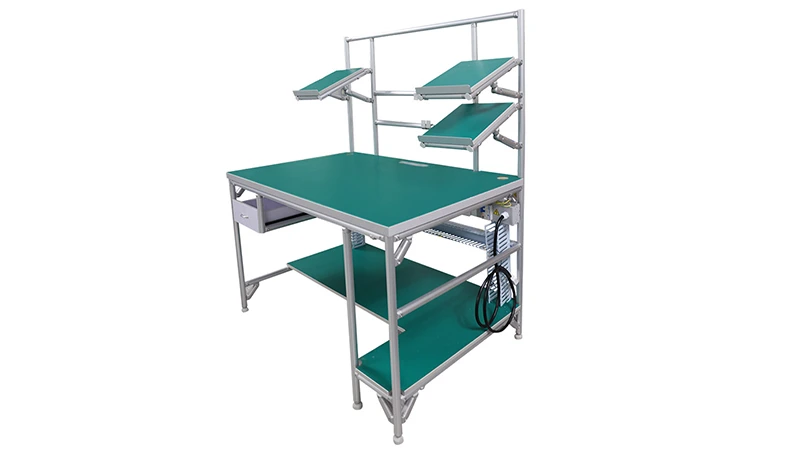
Walk into any busy workshop—whether it's a small garage startup or a large-scale production facility—and you'll notice one thing immediately: the workbench is the heartbeat of the space. It's where ideas take shape, parts get assembled, and projects cross the finish line. But not all workbenches are created equal. If you've been researching options, you've probably come across Aluminum Workbench B as a top contender. Sleek, durable, and designed with modern workshops in mind, it's no wonder it's a favorite among manufacturers and DIY enthusiasts alike. But before you sign the check, there are critical factors to weigh. After all, a workbench isn't just a piece of furniture; it's an investment in efficiency, safety, and long-term productivity. Let's dive into what you need to know to make the right choice.
Understanding Aluminum Workbench B: More Than Just a Table
First, let's get clear on what Aluminum Workbench B actually is. Unlike generic wooden or steel tables, this workbench is engineered for purpose. It's part of a broader lean system approach to workshop design—meaning it's built to reduce waste, streamline workflows, and adapt to changing needs. Think of it as a flexible foundation that grows with your business. Common in production assemble lines, electronics manufacturing, and even automotive repair shops, Aluminum Workbench B typically features a sturdy aluminum frame, a flat work surface (often a single deck, though configurations vary), and compatibility with a range of accessories. But what sets it apart? Let's break down the key factors that should guide your decision.
1. Material Quality: Why Aluminum Profile Matters
At the core of Aluminum Workbench B is its construction material: aluminum profile . Not all aluminum is the same, and the quality of this profile will make or break your workbench's performance. Here's what to look for:
Aluminum Extrusion Profile Basics : Most high-quality workbenches use aluminum extrusion profiles—hollow, lightweight beams shaped through a process that ensures uniform strength. These profiles aren't just strong; they're designed with precision. Look for profiles with clean, consistent walls (avoid those with dents or uneven thickness). The extrusion process also creates T-slots along the length of the profile, which are game-changers for customization (more on that later).
Thickness and Load Capacity : The thickness of the aluminum profile directly impacts how much weight the workbench can handle. For example, a 1.2mm thick profile might be fine for light assembly tasks, but if you're working with heavy machinery or bulky parts, you'll want 2.0mm or thicker. Don't just take the supplier's word for it—ask for load capacity specs. A good Aluminum Workbench B should comfortably support 200-500kg, depending on size, without bending or warping over time.
Corrosion Resistance : Aluminum naturally resists rust, but workshops can be harsh environments—oils, chemicals, and humidity can take a toll. Opt for profiles with anodized or powder-coated finishes. Anodization creates a protective oxide layer, while powder coating adds color and extra durability. Both treatments ensure your workbench stays looking sharp and functional for years, even in messy conditions.
Weight vs. Strength : One of aluminum's biggest perks is its strength-to-weight ratio. Unlike steel, which is heavy and hard to move, aluminum profiles keep the workbench lightweight enough to reposition (if needed) while still supporting heavy loads. This balance is crucial for workshops where space rearrangements are common or where workers need to adjust their setup quickly.

2. Ergonomics: Designing for People, Not Just Parts
A workbench might look sturdy on paper, but if it's uncomfortable to use, it'll slow down your team and increase the risk of injury. Ergonomics is all about designing tools and spaces that fit the people using them, and Aluminum Workbench B should excel here. Here's what to prioritize:
Height Adjustability : The average workshop has workers of different heights, and a one-size-fits-all bench height is a recipe for back pain and fatigue. Look for Aluminum Workbench B models with adjustable legs or leveling feet. Even a few inches of adjustment can make a huge difference—aim for a range that lets users set the surface between 70-90cm (standard elbow height for most adults when standing). Some advanced models even offer electric height adjustment, though these come at a premium.
Work Surface Size and Layout : How much space do you really need? Measure your typical projects. If you're assembling small electronics, a 120x60cm surface might suffice. For larger tasks like engine parts or furniture building, you'll want 180x80cm or more. Also, consider the edge design—rounded edges reduce the risk of cuts, while a slightly textured surface prevents parts from sliding around during assembly.
Integration with Lean System Workflows : Remember, Aluminum Workbench B is part of a lean system , so it should fit seamlessly into your workflow. For example, if your team uses a "U-shaped" production line, the bench should align with adjacent workstations and material racks. Look for features like cutouts for cables (to keep power tools organized) or built-in bins for small parts storage. The goal is to minimize unnecessary movement—if a worker has to reach across the bench or bend down repeatedly, you're wasting time and energy.

3. Mobility and Stability: The Caster Wheel Dilemma
Workshops are dynamic spaces. One day you might need the bench against the wall; the next, you might rearrange for a team project. That's where mobility comes in—but it can't come at the cost of stability. Here's how to balance the two:
Caster Wheels: Optional but Impactful : Some Aluminum Workbench B models come with caster wheels (swivel wheels with brakes), while others are stationary. If mobility is key, prioritize high-quality casters. Look for wheels made of polyurethane or rubber—these roll smoothly on concrete floors without marking them. Each caster should have a load rating (e.g., 50kg per wheel), and the total capacity should exceed your workbench's maximum load by 20% to be safe. Don't forget the brakes! A good brake should lock both the wheel and the swivel mechanism to prevent unwanted movement during use.
Base Stability : If you opt for a stationary model, check the base design. A wide, low-profile base with cross-bracing will resist tipping, even when heavy items are placed on one side. For mobile benches, ensure the casters are mounted close to the corners of the base—this distributes weight evenly and reduces wobble. Test it out if you can: gently push the bench from different angles. It should feel solid, not tippy.
Leveling Feet for Uneven Floors : Even the best workshops have uneven floors. Look for workbenches with adjustable leveling feet (sometimes called "anti-slip foot adjusters"). These small, threaded feet screw into the base, letting you tweak each corner to keep the bench stable and the work surface perfectly flat. This isn't just about comfort—an unlevel bench can cause parts to roll off or tools to wobble during precision work.
4. Customization and Accessories: Making It Your Own
Your workshop is unique, and your workbench should reflect that. The best Aluminum Workbench B models aren't rigid—they're blank canvases for customization, thanks to aluminum profile accessories . Here's how to maximize this flexibility:
Aluminum Profile Accessories Essentials : The T-slots in the aluminum profile are where the magic happens. These slots let you attach accessories without drilling or welding. Common options include:
- Shelves and Racks : Add upper shelves for tool storage or lower racks for material bins. Look for adjustable shelf heights to different item sizes.
- Tool Rails and Hooks : Keep frequently used tools (screwdrivers, wrenches, tape measures) within arm's reach with wall-mounted rails or hooks that slide into the T-slots.
- Lighting : Under-shelf LED lights illuminate the work surface, reducing eye strain during detailed tasks.
- Power Strips : Integrated power strips with USB ports keep chargers and tools plugged in without messy cables trailing across the floor.
Compatibility with Other Systems : If you already use other lean system components—like flow racks, conveyor belts, or turnover trolleys—ensure your Aluminum Workbench B can connect to them. Many suppliers offer compatible connectors or adapter plates that let you link the bench to adjacent equipment, creating a seamless workflow from material intake to finished product.
Future-Proofing : Your needs will change over time. Maybe you'll expand your team, take on larger projects, or shift to new production methods. Choose a workbench with a modular design—one where you can add (or remove) accessories, extend the surface, or reconfigure the layout as needed. Avoid proprietary systems that lock you into a single supplier's accessories; opt for standard aluminum profile sizes (like 2020, 3030, or 4040 series) that are widely available.
5. Cost vs. Long-Term Value: Investing Wisely
Let's talk money. Aluminum Workbench B isn't the cheapest option on the market—you'll pay more upfront than for a basic wooden table or a flimsy steel bench. But this is where the "investment" part comes in. Here's how to evaluate cost versus value:
Initial Cost Breakdown : Expect to pay anywhere from $300 to $1,500 for Aluminum Workbench B, depending on size, material thickness, and accessories. While this might seem steep, compare it to the alternatives: a steel bench of similar quality could cost 20% more (and be heavier), while a wooden bench will need replacement every 2-3 years in a busy workshop.
Maintenance Costs : Aluminum is low-maintenance. Unlike steel, it won't rust, so you won't need to repaint or treat it. Wooden benches warp with humidity and stain easily, requiring regular sanding and sealing. Over 5 years, the maintenance savings alone can offset the higher initial cost of aluminum.
Productivity Gains : A well-designed workbench saves time. Think about it: if your team spends less time searching for tools (thanks to built-in storage), adjusting to an uncomfortable height, or moving parts between stations (because the bench integrates with your lean system ), those minutes add up to hours of extra productivity each week. Over a year, that's thousands of dollars in saved labor costs.
Resale Value : If you ever need to upgrade or downsize, a high-quality Aluminum Workbench B holds its value. Used aluminum benches are in demand, especially if they're from a reputable supplier. Wooden or cheap steel benches, on the other hand, often end up in the scrap heap.
| Factor | Aluminum Workbench B | Wooden Workbench | Steel Workbench |
|---|---|---|---|
| Material | Aluminum profile (extruded, anodized/powder-coated) | Solid wood or plywood | Mild steel (often painted) |
| Weight | Lightweight (50-80kg for standard size) | Medium (60-100kg) | Heavy (100-150kg+) |
| Durability | High (10-15+ years with minimal maintenance) | Low (2-5 years, prone to warping/staining) | High (10+ years, but prone to rust without maintenance) |
| Customization | Excellent (T-slots, compatible with aluminum profile accessories) | Limited (requires drilling, hard to modify later) | Moderate (some pre-drilled holes, but heavy to modify) |
| Ergonomics | High (adjustable height, lightweight for repositioning) | Low (fixed height, heavy) | Moderate (adjustable legs available, but heavy) |
| Cost (Standard Size) | $500-$1,200 | $200-$400 | $600-$1,500 |
Conclusion: Your Workbench, Your Success
Investing in Aluminum Workbench B is about more than buying a place to work—it's about investing in your team's efficiency, your workshop's adaptability, and your business's long-term success. By prioritizing material quality (focus on aluminum profile ), ergonomics, mobility, customization, and cost-value balance, you'll choose a workbench that doesn't just meet today's needs but grows with tomorrow's challenges. Remember, the best workbench is the one that feels like an extension of your workflow—seamless, reliable, and ready to tackle whatever you throw at it. So take your time, evaluate your options, and choose wisely. Your workshop (and your bottom line) will thank you.