- Company Articles
- Products and Technology
- Product knowledge
- Key Factors to Consider When Selecting 40 Roller Track Placon Mount drop High

Key Factors to Consider When Selecting 40 Roller Track Placon Mount drop High
Related Product
40 Roller Track Placon Mount drop High
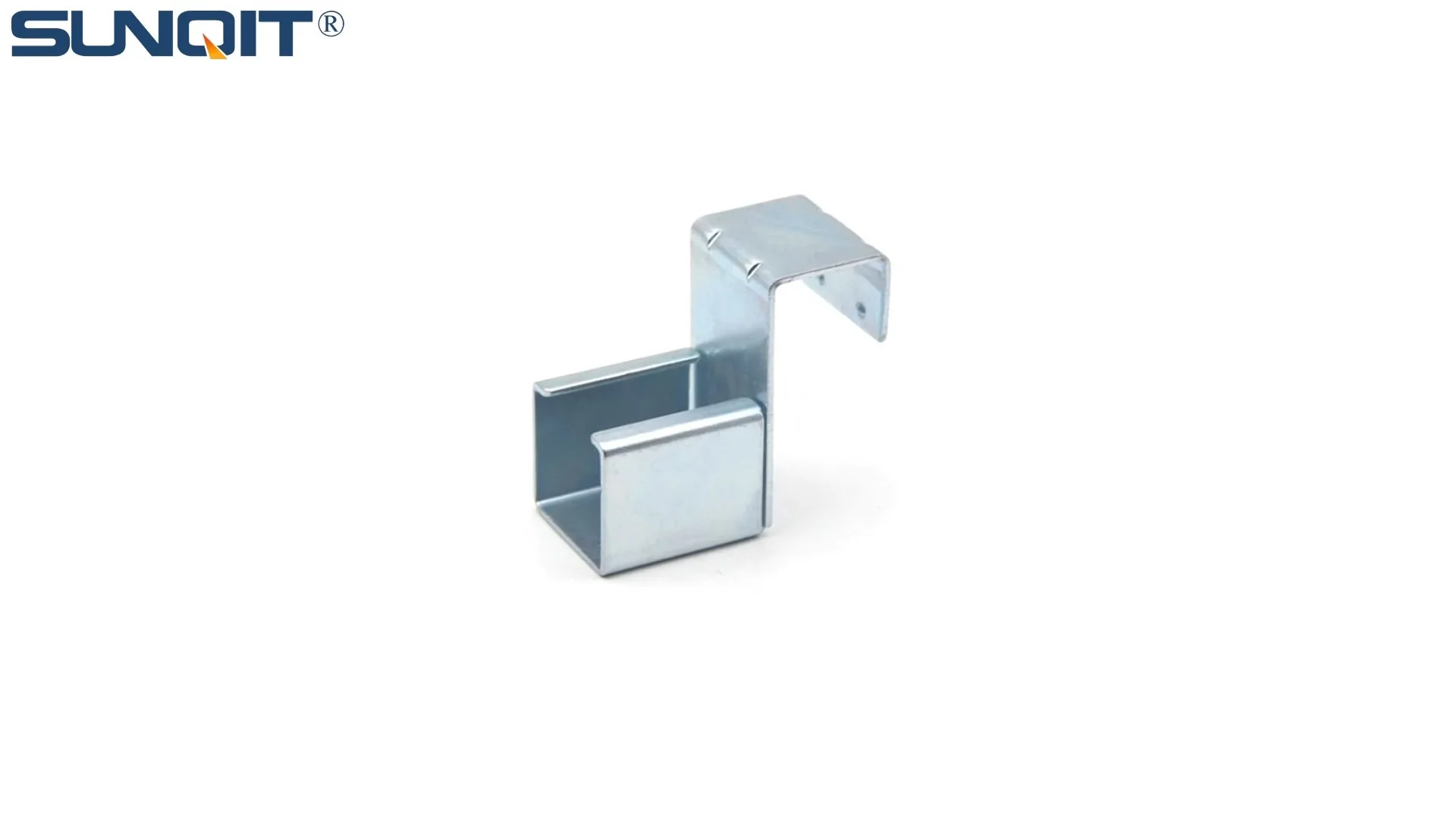
Roller track placon mount work as a connector for roller track and pipe or aluminum profile in rack syetem, it is a necessary parts in rack system which widely used in industrial plant and logistic,warehouse storage.
In the fast-paced world of manufacturing and logistics, every component in your production line plays a silent but critical role in keeping operations running smoothly. Among these unsung heroes, the 40 Roller Track Placon Mount drop High stands out as a workhorse—quietly facilitating the flow of materials, reducing manual labor, and ensuring that your assembly lines or warehouses operate with the precision of a well-tuned orchestra. But here's the thing: not all roller tracks are created equal. Choosing the right one isn't just about picking a product off a shelf; it's about finding a solution that aligns with your unique workflow, budget, and long-term goals. Whether you're setting up a new lean production cell for 3C assembly or upgrading a warehouse's material handling system, the choices you make now will impact efficiency, durability, and even your bottom line for years to come. Let's dive into the key factors that should guide your decision, so you can select a roller track that doesn't just meet your needs today, but grows with you tomorrow.
1. Load Capacity: The Backbone of Reliable Material Flow
Imagine a busy electronics manufacturing floor where small components zip along conveyor lines, or a automotive plant moving heavy engine parts—either way, the roller track's ability to handle weight without faltering is non-negotiable. For the 40 Roller Track Placon Mount drop High, load capacity isn't just a number on a spec sheet; it's the difference between seamless operations and costly downtime.
First, start by asking: What exactly will this roller track be carrying? If you're in the 3C assembly industry (think smartphones, laptops), your loads might be lightweight—small circuit boards, plastic casings, or delicate sensors—often weighing less than 10kg per unit. But if you're in automotive or heavy machinery, you could be moving metal parts, tooling, or even sub-assemblies that tip the scales at 50kg or more. Mismatching load capacity to your needs is like using a bicycle to tow a truck: it might work temporarily, but sooner or later, the system will strain, bend, or break.
Durability plays hand-in-hand with load capacity. Even if a track meets your current weight requirements, how will it hold up over time? Frequent use, especially with heavy loads, can cause metal fatigue, warping, or wear on the rollers themselves. Look for tracks with reinforced frames, high-quality bearings, and rollers designed for low friction—these features reduce stress on the system and extend its lifespan. For example, steel rollers with sealed bearings are a solid choice for heavy-duty applications, while aluminum rollers might be better for lighter, high-speed scenarios where weight reduction matters.
| Industry | Typical Load per Unit (kg) | Recommended Roller Material | Expected Lifespan (Years) |
|---|---|---|---|
| 3C Assembly (Electronics) | 5–15 | Aluminum/Plastic | 5–7 |
| Automotive Parts | 20–50 | Steel | 7–10 |
| Medical Device Manufacturing | 8–25 | Stainless Steel (ESD-safe) | 8–12 |
| Warehouse Logistics | 15–40 | Steel/Aluminum Hybrid | 6–9 |
Pro tip: Always factor in a 20% safety margin above your maximum expected load. This buffer accounts for unexpected spikes—like a worker accidentally placing an extra-heavy item—or long-term wear that might slightly reduce load capacity over time. It's a small precaution that goes a long way in preventing accidents and ensuring consistent performance.
2. Material Selection: Balancing Strength, Weight, and Environment
When it comes to roller tracks, the materials used aren't just about looks—they directly impact performance, cost, and how well the track fits into your workspace. The 40 Roller Track Placon Mount drop High is available in several material options, each with its own strengths and weaknesses. Let's break them down so you can pick the one that aligns with your environment and goals.
Aluminum: Lightweight and Corrosion-Resistant
Aluminum is a popular choice for modern manufacturing, and for good reason. It's lightweight, which makes installation easier (no need for heavy lifting equipment!) and reduces strain on supporting structures like workbenches or racks. This is especially useful in lean setups where flexibility and quick reconfiguration are key—imagine being able to disassemble and rearrange your roller track in hours instead of days. Aluminum also resists corrosion, making it ideal for environments with moisture, like food processing or pharmaceutical facilities, or even just busy shops where spills and cleaning are part of daily life.
But aluminum isn't all sunshine and rainbows. While it's strong enough for most light to medium loads (think 3C assembly or small parts handling), it might not hold up as well as steel under extreme weights. It's also slightly more expensive upfront than plastic, though its durability often makes it a better long-term investment. If you're working with aluminum profiles elsewhere in your system—like lean pipe workbenches or modular racks—an aluminum roller track will blend seamlessly, creating a cohesive, integrated setup that's easy to maintain.
Steel: Heavy-Duty Strength for Demanding Jobs
Steel is the workhorse of the material world. If your operation involves heavy loads, high-impact use, or constant vibration (looking at you, automotive and machinery manufacturing), steel roller tracks are likely your best bet. They're tough, rigid, and built to withstand years of abuse without bending or warping. Steel also offers better heat resistance, which can be crucial in environments with high temperatures, like foundries or welding stations.
The downside? Steel is heavy. Installing a steel roller track might require extra manpower or equipment, and it's less forgiving if you ever need to reconfigure your layout. It's also prone to rust if not treated, so you'll need to factor in maintenance like painting or galvanizing—especially if your workspace is humid or exposed to chemicals. For many heavy-industry managers, though, the trade-off is worth it: steel's reliability means fewer replacements and less downtime in the long run.
Plastic: Cost-Effective and Gentle on Delicate Parts
Plastic roller tracks are often overlooked, but they shine in specific scenarios. They're the most budget-friendly option upfront, making them great for startups or temporary setups. Plastic is also non-abrasive, which is a big plus if you're handling delicate items like glass components, polished metal parts, or electronics that scratch easily. And since plastic is naturally resistant to many chemicals, it's a solid choice for labs or cleanrooms where harsh cleaners are used.
However, plastic has limits. It can't handle heavy loads, and it's more prone to warping under heat or UV exposure. Over time, plastic rollers might crack or wear down faster than metal ones, leading to more frequent replacements. For low-stress, lightweight applications—like moving small plastic parts in a toy factory or organizing inventory in a retail warehouse—plastic works. But for anything beyond that, you'll probably want to upgrade to aluminum or steel.
| Material | Best For | Load Capacity | Corrosion Resistance | Weight | Cost (Upfront) |
|---|---|---|---|---|---|
| Aluminum | Light to medium loads, clean environments, lean setups | Medium | High | Light | Moderate |
| Steel | Heavy loads, high-impact use, extreme temperatures | High | Low (unless treated) | Heavy | High |
| Plastic | Light loads, delicate parts, budget setups | Low | High | Lightest | Low |

3. Compatibility: Fitting Into Your Existing Lean Ecosystem
Your roller track doesn't exist in a vacuum—it's part of a larger ecosystem of workbenches, racks, conveyors, and tools. Choosing a 40 Roller Track Placon Mount drop High that plays well with your existing setup isn't just convenient; it's critical for maintaining efficiency and avoiding costly overhauls. Here's how to ensure compatibility from day one.
Check the "Placon Mount" Fit: Mounting Systems Matter
The term "placon mount" refers to how the roller track attaches to its base—usually a frame, workbench, or rack. Before buying, you'll need to confirm that this mounting style aligns with what you already have. For example, if your facility uses lean pipe structures (those modular, easy-to-assemble tubes and joints), does the roller track come with brackets that clamp onto lean pipes? If you're using aluminum profile racks with T-slots, are there compatible bolts or connectors to secure the track without drilling extra holes?
Mismatched mounting systems can lead to wobbly, unstable tracks that shift during use—bad news for precision work like electronics assembly. Worse, you might end up buying expensive adapters or even replacing perfectly good existing equipment just to make the track fit. Ask the supplier for detailed mounting specs, and if possible, request a sample bracket to test with your setup before placing a large order.
Integration with Conveyors and Flow Racks
Many operations use roller tracks in tandem with other material-handling equipment, like conveyors or flow racks . For example, a roller track might feed parts into a conveyor belt that carries them to the next workstation, or it might be built into a flow rack to enable first-in, first-out (FIFO) inventory management. In these cases, alignment is everything: even a tiny height difference between the roller track and conveyor can cause parts to jam or fall off, bringing production to a halt.
Look for roller tracks with adjustable height features ("drop high" might refer to this!) so you can fine-tune the alignment. Also, check the roller spacing and diameter—if your conveyor uses 1.5-inch rollers, a track with 1-inch rollers might not transfer parts smoothly. Compatibility here isn't just about physical fit; it's about creating a seamless flow that keeps materials moving without interruptions.
Future-Proofing: Can It Grow With Your Business?
Today's needs might not be tomorrow's. Maybe you're currently handling small batches of parts, but next year you plan to scale up production. Or perhaps you're thinking of adding a new product line that requires different load capacities or environmental controls. A roller track that's "good enough" now might become a bottleneck later—so it's smart to choose one that can adapt.
Modular designs are your friend here. Can you add extra rollers or extend the track length if needed? Are replacement parts (like bearings or brackets) easy to source? Does the supplier offer upgrades, like swapping plastic rollers for steel ones, without replacing the entire track? These features might cost a bit more upfront, but they save you from buying a whole new system when your needs change. Think of it as investing in a track that grows with your team, not against them.

4. Application Scenarios: Matching the Track to Your Unique Workflow
Not all roller tracks are created equal, and neither are workspaces. A track that works brilliantly in a 3C assembly plant might flop in a warehouse, and vice versa. The key is to match the 40 Roller Track Placon Mount drop High to your specific workflow, industry, and daily challenges. Let's walk through some common scenarios to help you spot the right fit.
3C Assembly: Precision and Speed for Small Parts
In 3C manufacturing (computers, communications, consumer electronics), every second counts. Assembly lines move fast, and parts are often small, lightweight, and sensitive to static (ESD). Here, a roller track needs to be smooth, quiet, and gentle—no jostling that could damage delicate components like circuit boards or microchips. Aluminum tracks with plastic or rubber-coated rollers are ideal here: they're lightweight for quick line changes, corrosion-resistant to handle cleaning agents, and gentle enough to protect fragile parts.
ESD protection is non-negotiable in electronics. Look for tracks labeled "ESD-safe," which means they're made with materials that dissipate static electricity, preventing it from zapping sensitive components. Many aluminum tracks can be treated for ESD, making them a versatile choice. And since 3C lines often require frequent reconfiguration (think switching from phone assembly to tablet assembly), a modular, easy-to-move track will save your team hours of downtime.
Automotive Manufacturing: Heavy Loads and Rugged Use
Automotive plants are tough environments. Between heavy metal parts, constant vibration, and exposure to oils and greases, equipment takes a beating. For roller tracks here, durability and load capacity are king. Steel tracks with reinforced frames and large-diameter steel rollers are the way to go—they can handle the weight of engine blocks, transmission parts, or full tire assemblies without breaking a sweat.
Heat resistance is another plus. If your track is near welding stations or paint ovens, steel's ability to withstand high temperatures will prevent warping. And since automotive lines often run 24/7, low-maintenance tracks are a must—look for sealed bearings that keep out dirt and grease, reducing the need for frequent cleaning or repairs.
Warehouse Logistics: FIFO Flow and Space Efficiency
Warehouses live and die by efficiency. Whether you're managing raw materials, finished goods, or work-in-progress inventory, a roller track needs to keep items moving smoothly while maximizing space. Flow racks are a common application here, where roller tracks are sloped to let gravity feed items forward—perfect for FIFO systems. In this case, the "drop high" feature of the 40 Roller Track Placon Mount drop High might refer to the slope angle, which determines how fast items flow.
For warehouses, versatility matters. You might need to handle everything from small boxes to large, irregularly shaped packages. Look for adjustable roller spacing—wider spacing for bulky items, tighter spacing for small boxes—to avoid jams. Also, consider noise: plastic or rubber rollers can reduce the clatter of metal-on-metal, making the warehouse a more pleasant place to work (and reducing hearing strain for your team).
Medical Device Production: Cleanliness and Compliance
Medical device manufacturing is all about precision and cleanliness. From surgical tools to diagnostic equipment, parts must meet strict, and contamination risks are high. Roller tracks here need to be easy to clean, corrosion-resistant, and non-porous (no cracks or crevices where bacteria can hide). Stainless steel is a top choice—it's durable, stands up to harsh disinfectants, and can be polished to a smooth finish that's easy to wipe down.
Like electronics, some medical parts are sensitive to static, so ESD-safe tracks might be necessary. And since medical production often involves small batches and frequent changeovers, a lightweight, modular track (aluminum or stainless steel) will let your team reconfigure lines quickly to meet shifting demand—say, switching from producing syringes to IV stands.
| Industry | Key Needs | Recommended Track Material | Special Features |
|---|---|---|---|
| 3C Assembly | Light loads, ESD protection, quick reconfiguration | Aluminum (ESD-treated) | Plastic/rubber rollers, modular design |
| Automotive | Heavy loads, high impact, heat resistance | Steel (galvanized or painted) | Sealed bearings, reinforced frame |
| Warehouse Logistics | Space efficiency, FIFO flow, mixed load sizes | Aluminum or steel | Adjustable roller spacing, sloped design |
| Medical Devices | Cleanliness, corrosion resistance, compliance | Stainless steel or ESD aluminum | Smooth, non-porous surface, ESD-safe |

5. Sustainability and Lean Principles: Building for the Long Term
In today's manufacturing landscape, "sustainability" isn't just a buzzword—it's a business imperative. Lean principles like "reduce, reuse, recycle" are more than just cost-cutting strategies; they're about building resilient, future-proof operations. The right 40 Roller Track Placon Mount drop High should align with these goals, helping you minimize waste, maximize resource use, and adapt to changing needs without constantly buying new equipment.
Reusability: A Track That Grows With Your Goals
One of the core tenets of lean solution is reusability. Instead of buying a single-purpose track that gets thrown away when your needs change, look for one that can be repurposed. For example, a track used in phone assembly today could be disassembled and rebuilt as part of a flow rack in your warehouse next year. Aluminum tracks are champions here: they're lightweight, easy to take apart, and their components (rollers, brackets, frames) can often be mixed and matched with other lean equipment.
Steel tracks, while heavier, are also reusable—their durability means they can be repurposed for heavier loads elsewhere in the facility. Even plastic tracks, though less durable, can find second lives in low-stress applications like office supply storage. The key is to choose a track with standardized, easy-to-source parts so you're not stuck with a "one-and-done" system when your business evolves.
Energy Efficiency: Low Effort, High Flow
Lean isn't just about materials—it's about energy, too. A roller track that requires constant manual pushing or power-hungry motors adds unnecessary costs and labor. Instead, opt for gravity-fed designs, where the track is sloped slightly to let items glide forward on their own (this is where "drop high" might come into play, allowing you to set the perfect slope for smooth flow). Low-friction rollers with high-quality bearings reduce the effort needed to move items, making it easier for your team to keep things moving without exhaustion or strain.
For powered systems, look for tracks compatible with energy-efficient motors or variable-speed drives that only use power when needed. Over time, these small efficiency gains add up—lower electricity bills, less wear on equipment, and a team that can focus on value-adding tasks instead of pushing heavy loads.
Waste Reduction: From Packaging to Maintenance
Sustainable choices start before the track even arrives at your facility. Ask suppliers about their packaging—do they use recyclable materials, or do they ship with excessive plastic and foam? Can they consolidate orders to reduce delivery trips (and carbon emissions)? These might seem like small details, but they add up to a greener supply chain.
Once the track is installed, maintenance plays a role in waste reduction too. A track with easy-to-replace parts (like individual rollers instead of entire assemblies) means you won't have to throw out the whole track when one component wears out. Look for suppliers that offer repair kits or recycled/remanufactured parts—this keeps old components out of landfills and saves you money on replacements.
Conclusion: Your Roller Track, Your Success
Choosing a 40 Roller Track Placon Mount drop High might seem like a small decision in the grand scheme of your manufacturing or logistics operation. But as we've explored, it's a decision that ripples through your workflow: affecting efficiency, safety, cost, and even sustainability. By focusing on load capacity, material selection, compatibility, application fit, and lean principles, you're not just buying a piece of equipment—you're investing in a tool that will support your team, streamline your processes, and grow with your business.
Remember, there's no "one-size-fits-all" track. The best choice depends on your unique needs: the parts you handle, the space you work in, the challenges you face daily. Take the time to test, ask questions, and align the track with your long-term goals. When you do, you'll end up with a system that doesn't just move parts—it moves your business forward.
So go ahead: evaluate your load needs, check your existing setup, and dream a little about how a well-chosen roller track could make your team's days smoother, safer, and more productive. Your future self (and your bottom line) will thank you.