- Company Articles
- Products and Technology
- Product knowledge
- Key Factors to Consider When Selecting Three Way Aluminum Pipe Joints

Key Factors to Consider When Selecting Three Way Aluminum Pipe Joints
Related Product
Three Way Aluminum Pipe Joint
Aluminum 3 way pipe joint for 28mm aluminum pipe connection in 3 direction.
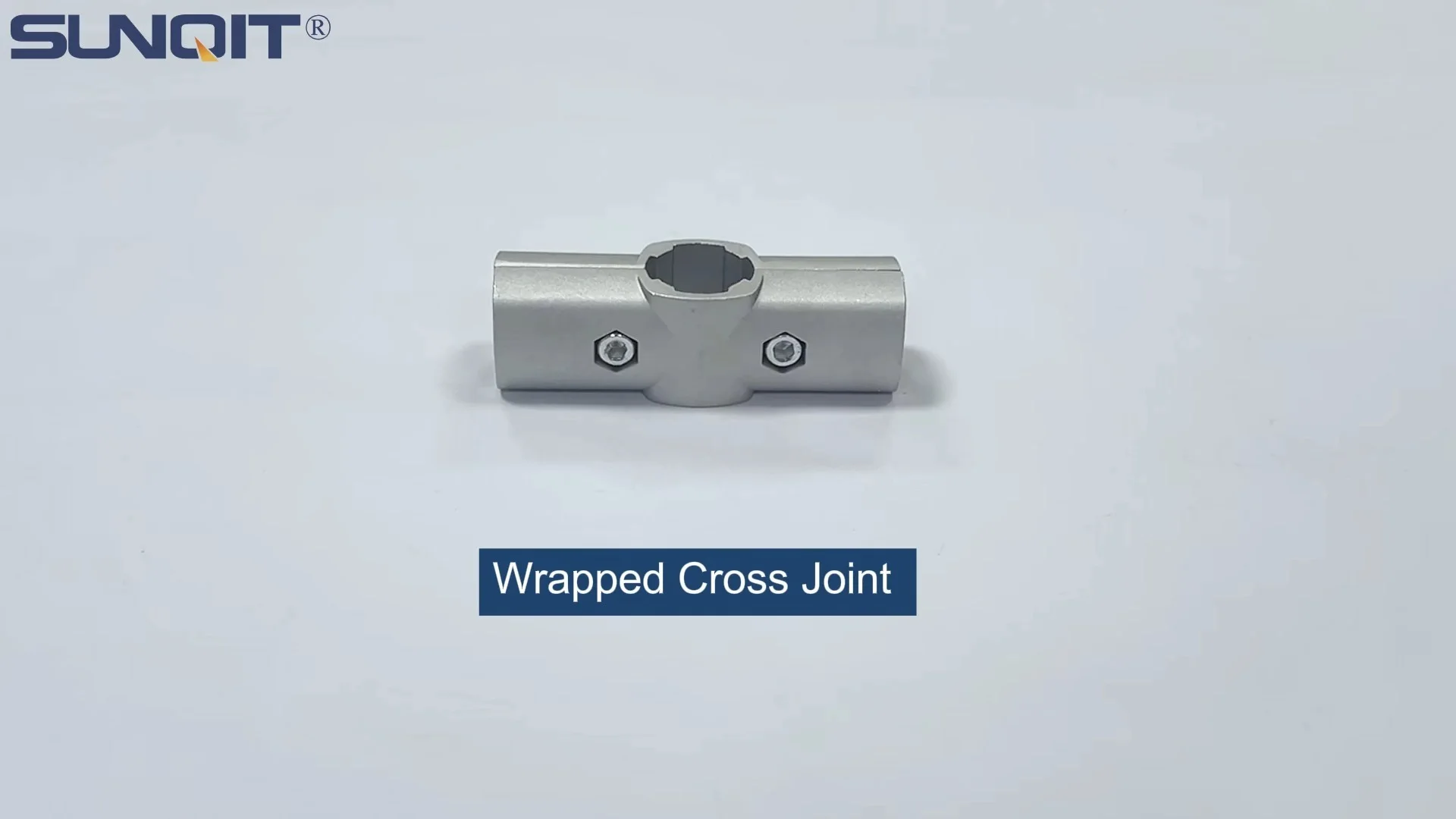
Walk into any modern workshop, manufacturing plant, or assembly line, and you'll likely spot a network of aluminum pipes and joints holding everything together—from workbenches and material racks to conveyor systems and turnover trolleys. At the heart of these structures, often unassuming but critically important, are three way aluminum pipe joints . These small but mighty components are the unsung heroes of lean systems, enabling the flexibility, durability, and efficiency that today's operations demand. Whether you're building a simple workbench E (single deck-without caster) or a complex multi-tiered material rack B (3 row and 3 floor), the right three way joint can make or break your system's performance. In this guide, we'll walk through the key factors you need to consider to choose joints that don't just fit your pipes, but elevate your entire operation.
1. Material Quality: The Foundation of Durability
When it comes to three way aluminum pipe joints, the first thing to scrutinize is the material itself. Aluminum is chosen for these joints for good reason—its lightweight nature, corrosion resistance, and strength-to-weight ratio make it ideal for lean environments. But not all aluminum is created equal. The best joints are typically made from high-grade aluminum alloys, often with added elements like magnesium or silicon to boost strength and durability.
Why does this matter? Imagine installing a joint made from low-quality aluminum in a busy warehouse. Over time, constant vibrations from material handling, temperature fluctuations, and the weight of loaded shelves could cause inferior joints to warp or crack. This isn't just a maintenance headache; it's a safety risk. A failed joint in a material rack holding heavy components could lead to collapsed shelves, damaged inventory, or worse. High-quality aluminum alloys, on the other hand, stand up to these stresses, ensuring your structures remain stable for years.
Look for joints that specify their alloy grade—6061 or 6063 are common choices in industrial applications, known for their excellent mechanical properties and corrosion resistance. Additionally, check if the joints have a protective finish, like anodizing, which adds a layer of defense against rust and wear. This is especially important if your workspace is humid, exposed to chemicals, or located in a coastal area where salt air accelerates corrosion.
2. Load Capacity: Matching Joints to Your Workload
"How much weight can this joint handle?" It's the most practical question you'll ask, and the answer should never be a guess. Load capacity isn't just about the joint's ability to hold a static weight; it's about how it performs under dynamic stress—like when a heavy turnover trolley slams into a material rack or when workers repeatedly place and remove parts from a workbench.
Start by calculating the maximum load your structure will bear. For example, a workbench used for light assembly might only need to support 50kg, but a material rack storing metal components could require joints rated for 200kg or more. Reputable manufacturers will provide load ratings for their joints, often tested under standardized conditions. Don't just take the "max load" number at face value, though. Look for details like static load (weight at rest) vs. dynamic load (weight in motion), as dynamic loads exert more force on joints.
Joint design plays a huge role here. A well-engineered three way joint will distribute weight evenly across all three connection points, reducing stress on any single area. Features like reinforced corners, thicker walls at the base, and precision-machined connection ports all contribute to higher load capacity. Avoid joints with thin, flimsy construction—even if they're made from aluminum, a weak design will buckle under pressure.
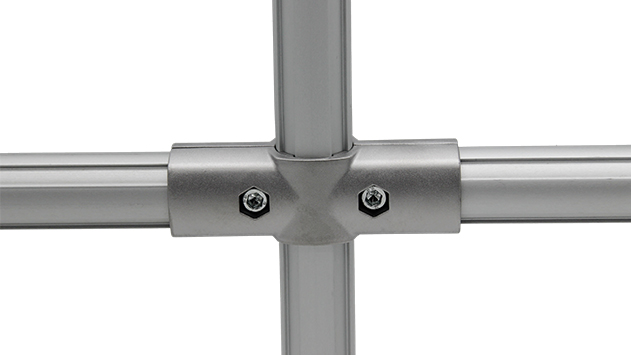
3. Compatibility: Fitting Seamlessly with Your Aluminum Pipes and Accessories
There's nothing more frustrating than ordering a batch of joints only to find they don't fit your existing aluminum pipes. Compatibility is key, and it goes beyond just pipe diameter. Three way aluminum pipe joints need to work with your specific aluminum lean pipe or basic aluminum tube , as well as the array of aluminum profile accessories that make your system functional.
First, check the pipe size. Most aluminum pipes come in standard diameters—common sizes include 28mm, 30mm, or 40mm. Your joint's connection ports must match this diameter precisely. A loose fit can lead to wobbling structures, while a tight fit might require excessive force during assembly, damaging both the pipe and the joint. Some joints are designed with slight taper or grip rings to ensure a snug, secure connection without over-tightening.
But compatibility doesn't stop at pipes. Think about the other accessories in your system: gusset plates (like gusset alp 4040 or 3030), end caps (4040 aluminum profile end cap, 2020 aluminum profile end cap), and even roller track components. For example, if you're integrating roller track placon mount brackets into your structure, your three way joints should leave enough space for these accessories to attach without interference. A joint that's too bulky might block access to T-slots or mounting points, limiting your system's versatility.

4. Ease of Installation and Adjustability: Saving Time and Boosting Flexibility
In lean environments, time is money—and nowhere is that truer than during setup and reconfiguration. A three way joint that takes 10 minutes and specialized tools to install is a bottleneck you don't need. Look for joints designed for quick, tool-free assembly whenever possible. Many top-tier joints use friction-fit designs, snap-on mechanisms, or simple set screws that can be tightened with a standard hex key, cutting assembly time in half.
Adjustability is another critical factor. Workspaces evolve—today's material rack might need to be reconfigured into a conveyor system next month. The best three way joints allow for easy disassembly and reuse, without damaging the pipe or the joint itself. Avoid joints that require welding or permanent adhesives; these lock you into a fixed structure, violating the core lean principle of flexibility. Instead, opt for joints with rotatable ports (like the internal rotatary aluminum joint) that let you adjust angles on the fly, or those with removable pins for quick repositioning.
Consider the learning curve, too. If your team is assembling the system, a joint with intuitive design will reduce errors and speed up the process. Clear markings, color-coded parts, or simple instructions printed on the joint itself can make a big difference in day-to-day usability.

5. Environmental Resistance: Thriving in Real-World Conditions
Your workshop isn't a sterile lab—and your three way joints shouldn't act like they need one. From humid warehouses to dusty assembly lines, these components face a barrage of environmental challenges. The right joint will stand up to whatever your operation throws at it.
Corrosion resistance is a top priority, especially if your workspace deals with moisture, chemicals, or frequent cleaning. Anodized aluminum joints are a great choice here; the anodizing process creates a protective oxide layer that resists rust and wear. For even harsher environments, look for joints with added coatings or stainless steel components (though stainless steel swivel roller balls are more common in conveyor systems, some joints integrate stainless steel screws for extra durability).
Temperature fluctuations can also take a toll. If your facility experiences extreme heat or cold, ensure the joint's aluminum alloy can handle those conditions without becoming brittle or losing strength. Similarly, if you're working with electronics or sensitive components (like in an ESD workbench), consider joints that support electrostatic discharge (ESD) protection. Some manufacturers offer ESD-safe joints, often with conductive coatings that prevent static buildup—a small detail that can save you from costly component damage.
6. Cost vs. Value: Investing in Long-Term Performance
It's tempting to opt for the cheapest three way joints on the market, but this is one area where cutting corners can cost you more in the long run. A low-cost joint might save you a few dollars upfront, but if it fails after six months, you'll end up replacing it—and possibly repairing the damage it caused to your structure. Instead of focusing solely on price, think about value: the joint's lifespan, maintenance needs, and impact on your system's overall efficiency.
High-quality joints often come with a higher initial price tag, but they pay dividends through reduced downtime, fewer replacements, and better performance. For example, a durable joint might cost 30% more than a budget option but last five times longer. When you factor in the cost of labor to replace failed joints and the risk of production delays, the premium option becomes the smarter investment.
Don't forget to consider the total cost of ownership, including maintenance. Joints that require frequent tightening, lubrication, or part replacements will eat into your savings over time. Look for low-maintenance designs with self-locking mechanisms or corrosion-resistant materials that stay tight and functional with minimal upkeep.
7. Comparing Joint Variants: A Quick Reference Table
To help you visualize the differences between common three way aluminum pipe joints, here's a comparison of three popular variants:
| Joint Type | Material Thickness | Compatible Pipe Size | Max Static Load | Installation Time | Adjustability |
|---|---|---|---|---|---|
| Internal Rotary Aluminum Joint | 3mm (reinforced base) | 28mm-30mm aluminum lean pipe | Up to 150kg | 2-3 minutes (tool-free) | 360° rotatable ports |
| External Straight Aluminum Joint | 2.5mm | 30mm-40mm basic aluminum tube | Up to 200kg | 5-7 minutes (requires hex key) | Fixed angles (90°/180°) |
| 90° Three Way Crossing Joint | 4mm (thick walls) | 40mm aluminum profile | Up to 250kg | 3-4 minutes (set screws) | Fixed 90° angles, removable ports |
*Note: Load capacities are approximate and may vary by manufacturer. Always verify with supplier specifications.
8. Choosing a Reliable Supplier: Your Partner in Quality
Even the best joint design is only as good as the supplier behind it. When selecting three way aluminum pipe joints, take the time to vet your aluminum pipe supplier thoroughly. A reputable supplier will prioritize quality control, offering joints that meet industry standards and come with clear specifications. They'll also provide technical support—whether you need help choosing the right joint for your material rack or troubleshooting a compatibility issue.
Look for suppliers with a proven track record in lean systems and industrial applications. Check reviews from other customers, ask for case studies, and don't hesitate to request samples before placing a large order. A supplier who stands behind their products will offer warranties, ensuring you're covered if a joint fails prematurely. Avoid suppliers with vague product descriptions, inconsistent pricing, or slow response times—these are red flags for poor quality or unreliable service.
Conclusion: Joints That Power Your Success
Three way aluminum pipe joints might seem like small components, but they're the backbone of your lean system. By prioritizing material quality, load capacity, compatibility, ease of installation, environmental resistance, and a reliable supplier, you'll choose joints that don't just connect pipes—they connect your operation to greater efficiency, durability, and flexibility. Whether you're building a simple workbench or a complex conveyor system, the right joints will help you create a workspace that adapts, performs, and grows with your business. So take the time to evaluate your options, test samples when possible, and never settle for joints that don't meet your standards. Your team, your products, and your bottom line will thank you.