- Company Articles
- Products and Technology
- Procurement Guidelines
- Key Factors to Evaluate When Selecting One Way Rotatory Straight Lean Pipe Joint Chrome Suppliers

Key Factors to Evaluate When Selecting One Way Rotatory Straight Lean Pipe Joint Chrome Suppliers
Related Product
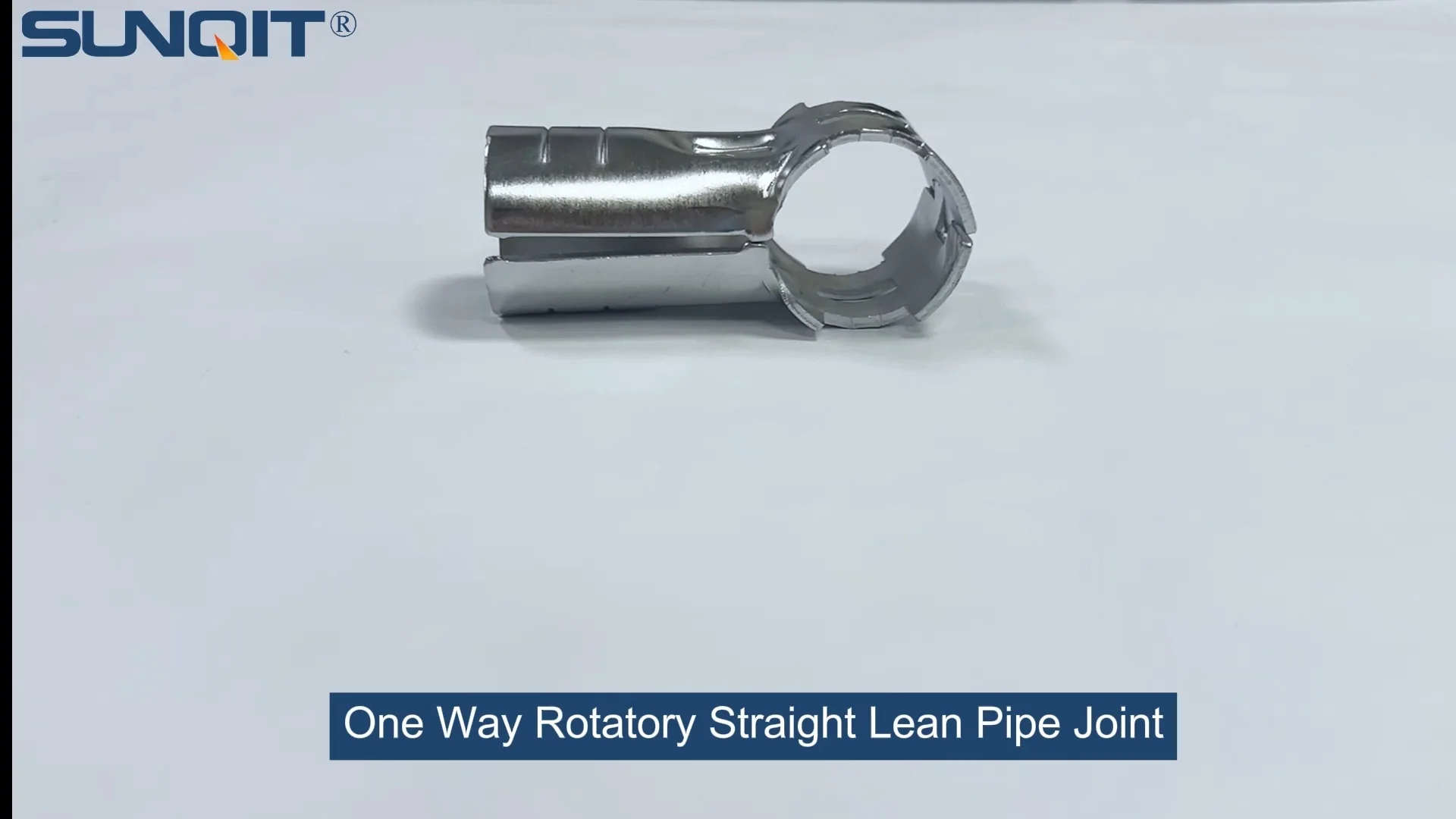
One Way Rotatory Straight Lean Pipe Joint Chrome
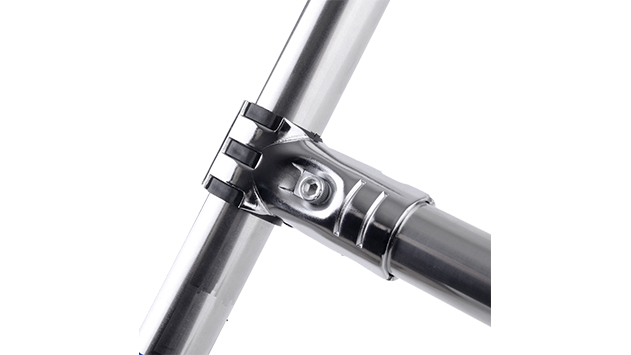
Two way lean pipe joint for 2 pcs 28MM lean pipe connection in straight angle with rotatory fucntion, which used widely in workbench, flow rack, hand trolley frame connection.
Introduction: The Critical Role of Quality Lean Pipe Joints
When you're building or upgrading a lean manufacturing system, every component counts—but few are as yet vital as the one way rotatory straight lean pipe joint chrome. These small, unassuming parts are the connectors that hold your workbenches, flow racks, and conveyor systems together. They're what allow for flexibility in design, smooth movement of materials, and the adaptability that makes lean systems so effective. But here's the catch: not all suppliers are created equal. A subpar joint can turn your well-oiled production line into a frustrating mess of jams, delays, and unexpected costs. So, how do you separate the reliable suppliers from the ones that'll leave you scrambling for replacements? Let's dive into the key factors you need to evaluate to make the best choice for your operation.
1. Product Quality: Beyond the Chrome Plating
At first glance, most one way rotatory straight lean pipe joints chrome might look similar—shiny, metallic, and ready to connect pipes. But dig deeper, and the differences in quality become clear. Start with the basics: the chrome plating itself. A high-quality joint will have a thick, uniform layer of chrome that resists chipping, scratching, and corrosion. Why does this matter? In a busy factory, joints get bumped, tools scrape against them, and they're exposed to oils, coolants, and even humidity. Thin or poorly adhered chrome will peel off quickly, leaving the underlying metal vulnerable to rust. Once rust sets in, the joint's rotation mechanism can seize up, making it impossible to adjust your setup or slowing down material flow.
Ask suppliers about their plating process. Reputable ones will use electroplating techniques with strict quality controls, ensuring a plating thickness of at least 8-10 microns. They should also be able to provide test reports—like salt spray tests—that demonstrate resistance to corrosion (look for results of 48 hours or more without red rust). But chrome is just the surface; the base material matters too. Most lean pipe joints are made from steel, but not all steel is the same. Low-carbon steel might be cheaper, but it's prone to bending under heavy loads. Opt for suppliers who use high-strength steel alloys, which offer the durability needed to support the weight of materials, tools, and daily wear and tear.
Don't forget the rotation mechanism itself. The one-way rotatory function is what makes these joints unique—they should rotate smoothly in one direction but lock securely in place when needed. A poorly designed mechanism might either stick (making adjustment a struggle) or slip (causing instability in your structure). Ask suppliers about the tolerance levels in their machining process. Precision is key here: even a 0.1mm deviation in the axle or bearing can lead to a joint that doesn't rotate evenly. Some suppliers use automated testing equipment to check each joint's rotation smoothness before shipping—this is a red flag if a supplier can't confirm they do this step.
2. Compatibility with Your Lean Pipe System
Your lean pipe joint is only as good as its ability to work with the rest of your system. If it doesn't fit your existing lean pipes, aluminum pipe accessories, or other components, it's useless—no matter how well-made it is. Start by confirming the pipe diameter. Most lean systems use pipes with outer diameters of 28mm or 30mm, but there are variations. A joint designed for 28mm pipes won't snugly fit a 30mm pipe, leading to wobbling or instability. Worse, forcing a mismatched joint can damage both the pipe and the joint, creating safety hazards.
But compatibility goes beyond just pipe size. If you're using aluminum lean pipes or aluminum profile accessories, the joint's design should account for the material's properties. Aluminum is lighter than steel, so the joint's clamping mechanism shouldn't be so tight that it deforms the pipe. Similarly, if your system includes roller track and accessories—like flow racks with roller tracks—the joint should align with the track's height and spacing to ensure materials glide smoothly. A supplier who offers a range of compatible components (not just joints) is a plus; it means you can source everything from one place, reducing the risk of mismatched parts.
Ask for physical samples before placing a large order. Test the joint with your existing pipes and accessories. Does it clamp securely without slipping? Does the rotation mechanism work even when the joint is under load (like when supporting a shelf full of parts)? If a supplier hesitates to provide samples, that's a warning sign—they might be hiding compatibility issues.

3. Manufacturing Expertise and Quality Control
A great joint starts with great manufacturing. Suppliers with in-house machining capabilities and strict quality control processes are far more likely to deliver consistent, reliable products than those who outsource production to unknown factories. Ask about their production facilities: Do they use CNC machines for precision cutting and shaping? CNC machining ensures that every joint meets exact specifications, reducing variations between units. For example, the hole where the pipe inserts should have a consistent diameter, and the rotational axle should be centered perfectly—small errors here can lead to big problems in the field.
Quality control (QC) is equally important. Even the best machines can produce defects, so look for suppliers with multi-step QC checks. This might include visual inspections for chrome plating flaws, dimensional checks with calipers or gauges, and functional tests for rotation smoothness and locking strength. Some suppliers even use automated vision systems to detect tiny imperfections that the human eye might miss. A supplier that can walk you through their QC process in detail—including how many units are inspected (aim for 100% for critical components like joints)—is showing they take quality seriously.
Don't be afraid to ask about failure rates. Every manufacturer has some defective parts, but the best ones keep this number extremely low (less than 0.5%). If a supplier can't provide data on defect rates or how they handle defective products, it's a sign they don't track this information closely—which means you might end up with those defects in your order.
4. Supplier Reliability: Can They Deliver When You Need Them?
Imagine this: You're in the middle of a production line upgrade, and your schedule depends on receiving a shipment of one way rotatory straight lean pipe joints. The supplier promised delivery in two weeks, but three weeks later, your order is still stuck in transit. Now your team is idle, deadlines are slipping, and frustration is mounting. This scenario is all too common with unreliable suppliers—and it's avoidable if you evaluate delivery performance upfront.
Start by asking for metrics: What's their on-time delivery rate? Aim for suppliers with a rate of 95% or higher. Also, inquire about lead times for standard vs. custom orders. Standard joints should typically ship within 5-7 business days, while custom designs might take 2-3 weeks. But be wary of suppliers who promise unrealistically short lead times—this could mean cutting corners in production or QC. It's better to work with a supplier who gives a realistic timeline and meets it consistently than one who overpromises and underdelivers.
Inventory management is another key factor. Does the supplier keep stock of common joint sizes, or do they manufacture to order? A supplier with a well-stocked warehouse can quickly fulfill urgent orders, which is crucial if you need to replace a broken joint to get your line back up. Ask about their safety stock levels and how they handle unexpected spikes in demand. For example, if a major customer places a large order, will your shipment get delayed? A supplier with a robust supply chain and backup production capacity is less likely to let this happen.
To make this tangible, let's look at a quick evaluation table to compare potential suppliers:
| Evaluation Factor | Ideal Benchmark | Questions to Ask Suppliers |
|---|---|---|
| On-Time Delivery Rate | >95% | "What was your on-time delivery rate for the last 6 months?" |
| Lead Time (Standard Orders) | 5-7 business days | "How long does it take to ship a standard order of 100 joints?" |
| Emergency Order Handling | 24-48 hour rush options | "If I need a replacement joint urgently, can you ship it within 2 days?" |
| Backorder Frequency | <2% of orders | "How often do you experience backorders, and how do you notify customers?" |
5. Technical Support: More Than Just a Sales Pitch
You've received your joints, but when you try to assemble them, you realize the rotation mechanism isn't working as expected. Who do you call? A supplier with strong technical support will guide you through troubleshooting, whether over the phone, via email, or with video tutorials. But a supplier that leaves you to figure it out on your own? That's a recipe for frustration.
Ask about the availability of technical resources. Do they provide detailed installation guides, CAD drawings, or 3D models to help with system design? Some suppliers even offer free design consultations, helping you choose the right joints and accessories for your specific application. For example, if you're building a heavy-duty material rack, they might recommend reinforced joints or specific aluminum pipe accessories to ensure stability.
On-site support is another bonus, especially for large installations. If you're setting up a new production line with hundreds of joints, a supplier who sends a technician to oversee the initial assembly can save you time and prevent mistakes. Even if on-site support isn't needed, responsive customer service is critical. Test this by reaching out with a technical question before placing an order—how quickly do they respond? A supplier that takes 48 hours to answer an email might not be there when you need them in a crisis.
6. Pricing Transparency: Avoid Hidden Costs
Let's talk about money. It's tempting to choose the supplier with the lowest price per joint, but this can backfire spectacularly. A $2 joint might seem like a steal until you realize it fails after a month, requiring replacements and downtime. On the flip side, the most expensive supplier isn't always the best—they might be charging a premium for branding, not better quality. The key is to look for value, not just cost.
Start by asking for a detailed quote that breaks down all costs: the price per unit, shipping fees, taxes, and any minimum order requirements. Watch out for hidden fees, like "handling charges" or "processing fees" that aren't mentioned upfront. A transparent supplier will include all costs in their initial quote, so you know exactly what you're paying for.
Bulk discounts are another consideration. If you're ordering large quantities (100+ joints), most suppliers will offer a lower per-unit price. Ask about tiered pricing: "What's the price if I order 500 joints vs. 100?" But don't let bulk discounts pressure you into ordering more than you need—excess inventory ties up cash and takes up storage space. A good supplier will work with you to find the right balance between cost savings and practicality.
Finally, consider the total cost of ownership (TCO). TCO includes not just the purchase price, but also costs like replacements, downtime, and maintenance. A slightly more expensive joint that lasts 5 years will have a lower TCO than a cheap joint that needs replacing every 6 months. Ask suppliers for durability data—how long do their joints typically last in industrial environments? A supplier that can provide case studies or customer testimonials about long-term performance is more likely to deliver value.
7. Industry Reputation: What Do Other Customers Say?
In today's connected world, a supplier's reputation is easy to check—if you know where to look. Start with online reviews on platforms like Google, Alibaba, or industry-specific forums. Look for patterns: Are customers consistently praising the quality of the joints, or complaining about delivery delays? One or two negative reviews are normal, but a string of complaints about the same issue (e.g., "joints rusted after a month") is a red flag.
Case studies and customer references are even more valuable. Ask the supplier for contact information of customers in your industry—preferably those with similar needs (e.g., automotive manufacturing, electronics assembly). Reach out to these references and ask specific questions: "How long have you been using their joints?" "Have you experienced any quality issues?" "How responsive is their customer service?" A supplier that's hesitant to share references might have something to hide.
Industry certifications can also speak to a supplier's reputation. Look for certifications like ISO 9001 (quality management), ISO 14001 (environmental management), or compliance with ESD standards if you work in electronics manufacturing. These certifications show that the supplier follows international best practices and is committed to continuous improvement.
8. After-Sales Service: What Happens When Things Go Wrong?
No matter how careful you are, sometimes a joint will fail. Maybe it was defective from the start, or maybe it wore out faster than expected. When this happens, you need a supplier who stands behind their product. That's where after-sales service comes in.
Start with the warranty. Most lean pipe joint suppliers offer a warranty of 12-24 months, but read the fine print. What's covered? Manufacturing defects? Normal wear and tear? A good warranty should cover defects in materials or workmanship, but not damage caused by misuse (e.g., overloading the joint beyond its weight capacity). Ask how the warranty claim process works: Do you need to ship the defective joint back? How long does it take to get a replacement? A supplier that offers a "no-hassle" warranty—sending a replacement before receiving the defective part—shows they trust their products and value your time.
Repairs and replacements are another aspect. If a joint breaks outside the warranty period, can the supplier repair it, or do you have to buy a new one? Some suppliers offer repair services for a fraction of the cost of a new joint, which is more sustainable and cost-effective. Additionally, ask about the availability of spare parts—like replacement bearings or locking mechanisms. If a joint's rotation mechanism fails, being able to replace just the bearing instead of the entire joint saves money and reduces waste.
9. Environmental and Ethical Practices
In today's business landscape, sustainability and ethics matter—not just for your brand reputation, but for long-term resilience. When evaluating suppliers, consider their environmental practices: Do they use eco-friendly materials? Is their manufacturing process energy-efficient? Do they recycle waste from production? For example, a supplier that uses recycled steel in their joints or implements water-saving measures in chrome plating is reducing their environmental footprint, which can align with your company's sustainability goals.
Ethical labor practices are equally important. Do they ensure safe working conditions for their employees? Are they transparent about their supply chain? A supplier with fair labor practices is less likely to face disruptions from strikes or regulatory issues, which can impact your orders. Look for certifications like SA8000 (social accountability) or membership in industry associations that promote ethical manufacturing.
10. Long-Term Partnership Potential
Finally, think beyond the immediate order. A good supplier isn't just a vendor—they're a partner in your success. As your business grows, your needs might change: You might need custom-designed joints, larger quantities, or new accessories like specialized aluminum pipe accessories. A supplier who takes the time to understand your long-term goals can adapt to these changes, offering tailored solutions and proactive advice.
Look for suppliers who invest in innovation. Are they developing new joint designs to improve durability or functionality? Do they stay up-to-date with industry trends, like the shift toward aluminum lean pipes for lighter, more flexible systems? A supplier that's forward-thinking can help you stay ahead of the curve, ensuring your lean system remains efficient and competitive.
Conclusion: Making the Right Choice for Your Lean System
Selecting a supplier for one way rotatory straight lean pipe joint chrome might seem like a small decision, but it has a big impact on your production efficiency, costs, and peace of mind. By evaluating factors like product quality, compatibility, reliability, technical support, and after-sales service, you can narrow down your options to suppliers that align with your needs. Remember, the best supplier isn't necessarily the cheapest or the most well-known—it's the one that consistently delivers high-quality products, supports your operations, and grows with your business.
Take the time to research, ask questions, and test samples. Your lean system deserves nothing less than a supplier who understands the critical role these small joints play in your success. With the right partner, you'll build a lean system that's not just efficient today, but adaptable and resilient for years to come.