- Company Articles
- Products and Technology
- Product knowledge
- Key Features of 3060 Aluminum Angle Yards: Lightweight & Durable

Key Features of 3060 Aluminum Angle Yards: Lightweight & Durable
Related Product
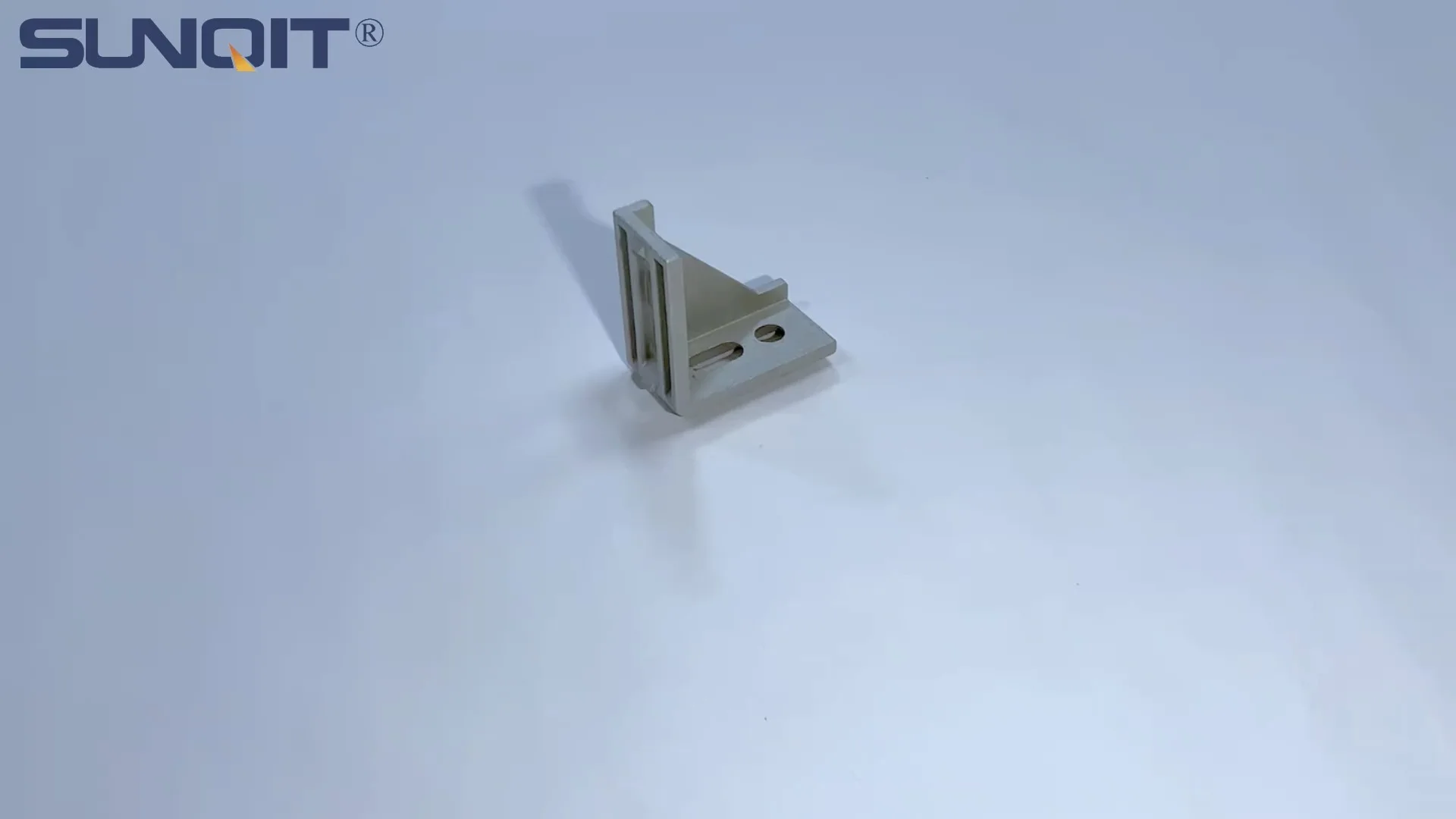
3060 Aluminum Angle Yards
It used for 90° flat connection for 20 series aluminum profile.
In the fast-paced world of manufacturing, warehousing, and lean production, every component in your workflow setup matters. From the workbenches where your team assembles products to the racks that hold materials, the right tools can mean the difference between smooth operations and frustrating bottlenecks. One component that's been quietly revolutionizing how teams build and adapt their workspaces is the 3060 aluminum angle yard. If you've ever struggled with heavy, rigid setups that take hours to reconfigure or rust-prone materials that wear down over time, this might just be the solution you've been looking for. Let's dive into what makes these aluminum angle yards stand out—specifically their lightweight design, impressive durability, and how they fit into the bigger picture of efficient, adaptable work environments.
Why Aluminum Angle Yards Matter in Modern Workspaces
Before we get into the nitty-gritty of the 3060 model, let's take a step back. What even is an aluminum angle yard, and why should you care? Simply put, it's a structural component—think of it as a building block—designed to connect, support, and frame other elements in your workspace. Unlike generic metal brackets or wooden planks, aluminum angle yards are engineered with precision, often as part of a larger aluminum profile system. They're used to build everything from workbenches and material racks to machine guards and flow racks. The "3060" in the name refers to its dimensions: typically 30mm in one leg and 60mm in the other, making it a versatile size that balances strength and flexibility.
Here's the thing: modern workspaces don't stay the same. A factory floor might need to reconfigure a production line next month to accommodate a new product. A warehouse might shift from storing small parts to larger components, requiring racks that can adjust on the fly. Traditional materials like steel or wood struggle here. Steel is strong but heavy—try moving a steel-framed workbench across the shop floor without a forklift. Wood is cheap but prone to warping, rotting, or splintering, especially in humid or busy environments. Aluminum, though? It's a game-changer. And within the aluminum profile family, the 3060 angle yard has emerged as a favorite for teams that need both reliability and adaptability.
Lightweight Design: Easy to Handle, Quick to Assemble
Let's start with the first big advantage: weight. Aluminum is naturally lighter than steel—about one-third the density, in fact. For a 3060 aluminum angle yard, that translates to a component that's easy to carry, easy to maneuver, and easy to install, even for a single person. Imagine this: you're setting up a new assembly station, and you need to attach angle yards to a frame to create a shelf. With steel, you might need two people to lift and hold the bracket while someone else drills or welds. With aluminum? You can pick it up with one hand, position it, and secure it with a few simple fasteners—no heavy lifting, no strained muscles, no wasted time.
But lightweight doesn't mean flimsy. The 3060 aluminum angle yard gets its strength from the way it's made: through aluminum extrusion. Extrusion is a process where heated aluminum is pushed through a die, shaping it into the precise cross-section needed. This method creates a uniform, continuous structure with no weak points—unlike steel brackets that might be cut, bent, or welded, introducing potential stress fractures. The result? A bracket that's light enough to carry but strong enough to support tools, materials, or even small machinery. We've seen teams use 3060 angle yards to build workbenches that hold 200+ kg of equipment without so much as a wobble, all while being light enough for two people to relocate in under 10 minutes.
Another perk of that lightweight design? Lower transportation costs. If you're ordering components from a lean system supplier, shipping heavy steel parts can add up quickly. Aluminum angle yards, being lighter, cut down on those freight bills. And when it comes to on-site storage, they take up less space and are easier to stack, so you won't have a cluttered warehouse full of bulky brackets waiting to be used.

Durability: Built to Last, Even in Tough Environments
Okay, so it's light—but how long will it actually hold up? That's where durability comes in. Aluminum has a few natural advantages here. First, it's resistant to corrosion. Unlike steel, which rusts when exposed to moisture, aluminum forms a thin oxide layer on its surface when it reacts with air. This layer acts like a protective shield, preventing further oxidation. That means even in humid factories, outdoor warehouses, or areas where spills are common (we're looking at you, food processing plants), your 3060 angle yards won't start eating away from the inside out. We've visited facilities that installed these angle yards over five years ago, and they still look almost new—no rust, no pitting, just the same smooth finish they started with.
But what about dents or scratches? Let's be real: workshops are busy places. Forklifts might bump into racks, tools might get dropped, and pallets might scrape against brackets. Aluminum is softer than steel, so it can scratch, but here's the kicker: those scratches don't compromise the structural integrity. A steel bracket with a deep scratch might start rusting from that spot, weakening over time. An aluminum angle yard? That scratch might look unsightly, but it won't spread or cause the bracket to fail. Plus, many manufacturers offer anodized finishes for their aluminum profiles—an electrochemical process that thickens that protective oxide layer, making the surface even harder and more scratch-resistant. It's like adding a armor coating without adding weight.
Temperature resistance is another underrated benefit. Aluminum handles extreme temperatures better than plastic (which can warp) or wood (which can crack or expand). Whether your workspace is a sweltering foundry or a chilled warehouse storing pharmaceuticals, 3060 aluminum angle yards maintain their shape and strength. We once worked with a client in the automotive industry who used these angle yards near a paint curing oven—temperatures regularly hit 80°C (176°F)—and after two years of daily use, the brackets showed no signs of warping or degradation. That's the kind of reliability you can build a business on.

Versatility: Works Seamlessly with Aluminum Profile Accessories
A great component isn't just strong on its own—it should play well with others. The 3060 aluminum angle yard shines here because it's part of a larger ecosystem of aluminum profile accessories. Think of it like building with Legos: the angle yard is the base brick, and there are hundreds of compatible pieces that snap (or bolt) right into place. This compatibility is a huge deal for teams that need to adapt quickly.
For example, let's say you start with a simple workbench frame using 3060 angle yards. A month later, you realize you need a shelf above it to hold tools. Instead of buying a whole new bench, you can grab some aluminum profile brackets, attach them to the angle yards, and add a shelf panel—done. Need to add a light bar? There are accessories for that. A cable management tray to keep wires organized? Yep, that too. Even specialized parts like roller track guides or caster wheels can be mounted directly to the angle yards, turning a static workbench into a mobile cart in minutes.
This versatility stems from the design of the aluminum profile itself. Most 3060 angle yards have T-slots—long, narrow grooves running along their length—that allow accessories to be attached without drilling or welding. You just slide a bolt or connector into the slot, tighten it, and you're good to go. It's a far cry from the old days of measuring, drilling, and hoping your holes line up. We've seen teams reconfigure entire production lines using these angle yards and accessories in a single weekend, something that would have taken days (or weeks) with traditional steel setups.

A Closer Look: How 3060 Aluminum Angle Yards Compare to Other Materials
You might be thinking, "Sure, aluminum sounds good, but how does it stack up against other options I'm familiar with?" Let's break it down with a quick comparison. Below is a table comparing 3060 aluminum angle yards to two common alternatives: steel angle brackets and plastic angle strips. We'll look at weight, strength, corrosion resistance, and ease of assembly—factors that matter most in day-to-day operations.
| Feature | 3060 Aluminum Angle Yard | Steel Angle Bracket (Mild Steel) | Plastic Angle Strip (PVC) |
|---|---|---|---|
| Weight (per meter) | ~0.8 kg (light enough to carry with one hand) | ~2.5 kg (requires two people to maneuver) | ~0.3 kg (very light, but prone to bending) |
| Max Load Capacity | Up to 300 kg (when properly supported in a frame) | Up to 500 kg (higher, but overkill for most light-to-medium tasks) | Up to 50 kg (too weak for heavy tools or materials) |
| Corrosion Resistance | Excellent (natural oxide layer; no rust) | Poor (rusts without paint/coating; needs regular maintenance) | Good (resistant to moisture, but can degrade in UV light) |
| Ease of Assembly | Very easy (T-slots accept bolts/connectors; no welding) | Hard (requires drilling, welding, or heavy-duty fasteners) | Easy (snaps together, but connections loosen over time) |
| Reusability/Reconfiguration | High (easily disassembled and reassembled with new accessories) | Low (welded joints are permanent; drilled holes limit adjustments) | Medium (can be reused, but bending weakens the material) |
As you can see, 3060 aluminum angle yards hit a sweet spot. They're lighter than steel but stronger than plastic, corrosion-resistant without the hassle of maintenance, and easy to assemble and reconfigure. For most workshops, warehouses, and lean production lines, they offer the best balance of performance and practicality.
Real-World Applications: Where 3060 Aluminum Angle Yards Shine
Theory is great, but let's talk about real life. Where are teams actually using these 3060 aluminum angle yards, and what results are they seeing? Let's walk through a few examples.
1. Lean Manufacturing Workbenches
In lean manufacturing, workbenches are the heart of the operation. They need to be sturdy enough for assembly tasks, flexible enough to adapt to new products, and ergonomic enough to keep teams comfortable. A leading electronics manufacturer we worked with recently replaced their old steel workbenches with frames built using 3060 aluminum angle yards. The result? Workbenches that are 40% lighter, so they can be moved to different production cells as needed. The T-slots let them add tool holders, ESD mats (for static-sensitive electronics), and even small conveyors for moving parts—all without modifying the bench itself. Their team reported a 25% reduction in setup time when switching between product lines, just from being able to reconfigure the bench accessories quickly.
2. Material Racks and Flow Systems
Warehouses and distribution centers deal with constant turnover of materials, so their storage solutions need to be both durable and adaptable. A food and beverage distributor we know uses 3060 aluminum angle yards to build flow racks for storing bottles and cans. The angle yards form the frame, while roller tracks (another aluminum profile accessory) are mounted to them, allowing products to slide forward as items are picked—no more reaching to the back of the shelf. Because the angle yards are corrosion-resistant, they hold up well in the cool, humid environment of the warehouse. And when the distributor added a new product line with taller bottles, they simply adjusted the shelf heights using T-slot connectors—no need to buy new racks.
3. Mobile Carts and Trolleys
Mobility is key in many workplaces, from hospitals to factories. A automotive parts supplier used 3060 aluminum angle yards to build mobile trolleys for transporting components from the warehouse to the assembly line. The lightweight design means a single worker can push the trolley, even when fully loaded. The angle yards are paired with heavy-duty casters (another accessory) that lock in place when the trolley is at the assembly station. Since switching to these aluminum trolleys, they've reduced the number of workplace injuries from lifting and pushing heavy steel carts by 60%—a win for both safety and productivity.
Why Choosing the Right Lean System Supplier Matters
Okay, so you're sold on the benefits of 3060 aluminum angle yards. Now, where do you get them? Not all aluminum angle yards are created equal, and the supplier you choose can make a big difference in the quality, reliability, and support you receive. This is where partnering with a reputable lean system supplier comes into play.
A good lean system supplier doesn't just sell parts—they understand your workflow challenges. They can help you select the right components (like 3060 angle yards) for your specific needs, offer advice on design, and even provide samples to test before you commit. They'll also have a full range of aluminum profile accessories in stock, so you're not waiting weeks for a single bracket to ship. And if something goes wrong? They stand behind their products with warranties and responsive customer service.
On the flip side, buying from a discount supplier or a generic online store might save you a few dollars upfront, but the risks are real. We've heard horror stories of angle yards with uneven T-slots that make accessories impossible to attach, or aluminum that's too thin and bends under minimal weight. These issues lead to wasted time, frustrated teams, and ultimately, higher costs when you have to replace subpar parts.
When evaluating a supplier, ask about their manufacturing process. Do they use high-quality aluminum alloys? Do they test their products for strength and durability? Can they provide case studies or references from other customers in your industry? A reliable supplier will be happy to answer these questions and show you why their 3060 aluminum angle yards are worth the investment.
Final Thoughts: Investing in Workspace Efficiency
At the end of the day, 3060 aluminum angle yards are more than just brackets—they're building blocks for efficient, adaptable workspaces. Their lightweight design makes them easy to handle and reconfigure, their durability ensures they'll last through years of heavy use, and their compatibility with aluminum profile accessories means they can grow with your needs. Whether you're setting up a new production line, upgrading your warehouse storage, or simply looking to make your team's daily tasks easier, these angle yards deliver on the promise of lean manufacturing: doing more with less waste, less effort, and less frustration.
So, if you're tired of wrestling with heavy, rigid setups or replacing rusted, worn-out components, it might be time to give 3060 aluminum angle yards a closer look. Talk to a lean system supplier, ask for a demo, and see how they can transform your workspace. Your team (and your bottom line) will thank you.