- Company Articles
- Products and Technology
- Product knowledge
- Key Features of 4080 Aluminum Profile End Caps: Durability & Design

Key Features of 4080 Aluminum Profile End Caps: Durability & Design
Related Product
4080 Aluminum Profile End Cap
The aluminum profile end cap adds a finishing touch to your project and closes off profile ends to limit dust and debris buildup, also it can avaid some scratch for material and labor during the assemble work.
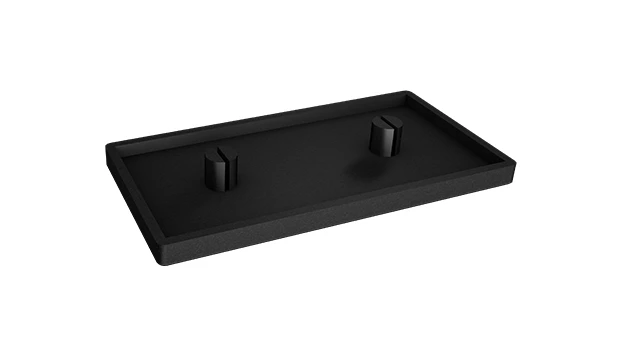
In the world of manufacturing, assembly lines, and workspace design, the unsung heroes often make the biggest difference. Take aluminum extrusion profiles, for example—these versatile, lightweight structures form the backbone of everything from workbenches and material racks to conveyor systems and lean manufacturing setups. But what truly elevates their functionality, safety, and longevity? It's the small, often overlooked components that complete the picture: aluminum profile accessories. Among these, the 4080 aluminum profile end cap stands out as a critical piece, blending practicality with precision to enhance both the performance and aesthetics of aluminum extrusion profiles.
If you've ever worked with aluminum profiles, you know their appeal lies in their modularity. They're easy to cut, connect, and reconfigure, making them ideal for dynamic environments where adaptability is key. But raw aluminum profiles have sharp edges, exposed ends that collect dust, and a tendency to wear at the corners over time. That's where end caps come in. Specifically designed to fit snugly over the open ends of profiles, they solve these problems and more. Today, we're diving deep into the 4080 aluminum profile end cap—exploring its design nuances, durability features, and why it's an indispensable part of any aluminum profile system.
Understanding Aluminum Extrusion Profiles and the Role of End Caps
Before we zoom in on the 4080 end cap, let's take a step back to appreciate the broader context: aluminum extrusion profiles. These profiles are created by pushing heated aluminum through a die, shaping it into consistent cross-sections—think T-slots, squares, rectangles, or custom shapes. The result? A material that's strong yet lightweight, resistant to corrosion, and infinitely customizable. It's no wonder they're the go-to choice for industries ranging from automotive and electronics to aerospace and retail.
Now, within this family of profiles, the 4080 aluminum extrusion profile is a heavyweight (pun intended). Named for its dimensions—40mm in width and 80mm in height—it's larger than smaller profiles like the 2020 or 3030, making it perfect for heavy-duty applications. Picture a manufacturing workbench that needs to support bulky machinery, a material rack holding hundreds of pounds of inventory, or a conveyor frame that endures constant vibration. The 4080 profile handles these demands with ease, but its open ends? They're a vulnerability waiting to be addressed.
Enter aluminum profile accessories, the unsung team that turns raw profiles into fully functional systems. Brackets, connectors, hinges, and yes, end caps—each plays a role. End caps, in particular, are the finishing touch. They're not just about looks (though they do clean up a profile's appearance); they're about safety (no more sharp edges to cut hands), protection (preventing dust, debris, or moisture from seeping into the profile's interior), and longevity (reducing wear on the profile's ends from repeated handling or impact).
Design Features: More Than Just a "Cap"
At first glance, a 4080 aluminum profile end cap might seem simple—a small, molded piece of plastic or metal that snaps onto the end of a profile. But look closer, and you'll see a design that's been refined through years of industry feedback and engineering ingenuity. Let's break down its key design features.
1. Precision Fit for 4080 Profiles
The most obvious (and critical) design feature is its tailored fit for 4080 aluminum extrusion profiles. Manufacturers don't take this lightly—even a 1mm gap can compromise the end cap's effectiveness. The 4080 end cap is engineered with exacting measurements, ensuring it slides over the profile's end and locks into place without wiggle room. This precision is achieved through tight tolerances in molding or machining, whether the end cap is made of plastic, aluminum, or another material. The result? A seamless connection that stays put, even in high-vibration environments like assembly lines.
2. Ergonomic Edge: Rounded Corners and Smooth Surfaces
Safety is non-negotiable in any workspace, and the 4080 end cap's design prioritizes this. Raw aluminum profiles have sharp, 90-degree corners that can snag clothing, scratch skin, or damage tools. End caps eliminate this hazard by featuring rounded edges and smooth surfaces. Run your hand along a capped profile, and you'll feel the difference—no more rough edges, just a clean, safe finish. This is especially important in settings where workers interact with profiles daily, like in electronics manufacturing or warehouse picking stations.
3. Aesthetic Integration
While functionality is king, aesthetics matter too. Aluminum profiles are often visible in workspaces, and mismatched or low-quality end caps can detract from a clean, professional look. 4080 end caps are designed to complement the profile's finish—whether it's a matte silver, black anodized, or colored coating. Many manufacturers offer end caps in matching colors, so the cap blends in rather than sticking out. This attention to detail might seem minor, but it elevates the overall appearance of the system, making it suitable for customer-facing areas like retail displays or office partitions, not just back-of-house factories.
4. Versatility in Attachment Styles
Not all 4080 profiles are used the same way, so end caps need to adapt. That's why you'll find different attachment styles to suit various needs:
- Snap-fit end caps: The most common type, these rely on flexible tabs or friction to secure themselves. They're easy to install and remove, making them ideal for temporary setups or profiles that need frequent reconfiguration.
- Screw-on end caps: For heavy-duty applications where vibration or weight might dislodge a snap-fit cap, screw-on versions use small screws (often M3 or M4) to anchor the cap to the profile. They're more permanent but offer extra security.
- Adhesive-backed end caps: These use strong, industrial-grade adhesive to bond the cap to the profile. They're a good choice for profiles that won't be disassembled, as they leave no visible hardware.
This versatility ensures there's a 4080 end cap for every scenario, from light-duty shelving to heavy machinery frames.

Durability: Built to Last in Tough Environments
A well-designed end cap is useless if it cracks, warps, or falls off after a few months. That's why durability is the second pillar of the 4080 aluminum profile end cap's appeal. Let's explore the materials and engineering that make these caps tough enough to handle real-world conditions.
1. Material Selection: Plastic, Aluminum, or Nylon?
The choice of material depends on the application, but 4080 end caps are typically made from one of three options, each with its own durability benefits:
- Polypropylene (PP): A popular choice for general-purpose end caps, PP is lightweight, chemical-resistant, and impact-absorbent. It stands up well to oils, solvents, and mild acids—common in manufacturing environments. It's also cost-effective, making it a go-to for bulk installations.
- Nylon: For applications needing extra strength, nylon is the way to go. It's more rigid than PP, has a higher melting point, and resists wear from friction (important if the end cap is in contact with moving parts). Nylon end caps are often used in conveyor systems or material handling setups where durability under stress is key.
- Aluminum: When you need a cap that matches the profile's strength and heat resistance, aluminum end caps are the answer. They're ideal for high-temperature environments (like near ovens or welding stations) or where the end cap might be subject to heavy impact. They're also recyclable, adding a sustainability angle.
No matter the material, manufacturers subject end caps to rigorous testing—drop tests, temperature cycling, and chemical exposure—to ensure they hold up over time.
2. Resistance to Wear and Tear
In busy workplaces, profiles are moved, bumped, and repositioned constantly. The end cap takes the brunt of these impacts. A quality 4080 end cap is designed to absorb shock without cracking. For example, plastic end caps often have a slight flex to them—they'll bend under impact and return to shape, rather than shattering. Aluminum end caps, while rigid, are thick enough to withstand dents from minor collisions.
Another wear factor is UV exposure. If the profile is used outdoors or near windows, sunlight can degrade some plastics over time, causing them to become brittle. Many 4080 end caps are formulated with UV stabilizers to prevent this, ensuring they stay intact even after years of sun exposure.
3. Protection Against Contaminants
Aluminum profiles have hollow interiors (especially T-slot profiles), which can become magnets for dust, dirt, or liquids if left uncapped. Over time, this buildup can corrode the profile from the inside or jam T-slot accessories like bolts or brackets. The 4080 end cap forms a tight seal, blocking contaminants from entering. Some end caps even have a lip or gasket-like edge that enhances this seal, making them suitable for cleanrooms or food processing facilities where hygiene is critical.

How 4080 End Caps Compare to Other Sizes: A Quick Overview
Not all end caps are created equal—and that's by design. End caps are sized to match specific aluminum profiles, and the 4080 version has unique features that set it apart from smaller caps (like those for 2020 or 3030 profiles). To illustrate this, let's compare key attributes across common profile sizes:
| Profile Size | End Cap Material (Common) | Key Design Focus | Durability Rating* | Best For |
|---|---|---|---|---|
| 2020 | Polypropylene | Lightweight, cost-effective | Medium (suitable for light-duty use) | Shelving, small workbenches, 3D printer frames |
| 3030 | Nylon or PP | Balanced strength and flexibility | Medium-High (good for moderate loads) | Assembly stations, retail displays, machine guards |
| 4080 | Nylon, Aluminum, or PP | Heavy-duty fit, impact resistance | High (ideal for heavy loads/vibration) | Industrial workbenches, material racks, conveyor frames |
*Durability ratings are subjective and based on typical industry use cases.
The 4080 end cap's larger size means it has more surface area to distribute impact, and its thicker walls (especially in aluminum versions) provide added strength. This makes it the top choice for applications where the profile is under constant stress—like supporting a workbench with a 500-pound load or a material rack holding heavy tooling.
Real-World Applications: Where 4080 End Caps Shine
To truly appreciate the 4080 aluminum profile end cap, let's look at how it performs in everyday scenarios. These caps aren't just theoretical—they're hard at work in factories, warehouses, and workshops around the world.
1. Industrial Workbenches
A typical industrial workbench built with 4080 profiles sees constant use: tools are dropped, parts are assembled, and workers lean on it throughout the day. Without end caps, the bench's corners would become chipped, and the profile ends would collect grease and debris. A 4080 end cap protects the bench's structure, keeps it clean, and ensures no one gets cut on sharp edges. Screw-on nylon end caps are popular here, as they withstand the daily wear and tear without loosening.
2. Material Racks and Storage Systems
Material racks built with 4080 profiles store everything from raw materials to finished products. These racks are often loaded and unloaded with forklifts or pallet jacks, increasing the risk of bumps and scrapes. Aluminum end caps on the rack's uprights prevent dents, while plastic end caps on the crossbars keep dust out of the profiles. In food warehouses, where hygiene is critical, UV-stabilized PP end caps with tight seals ensure no contaminants build up inside the profiles.
3. Conveyor Frames
Conveyor systems are the arteries of manufacturing, moving products around the clock. Their frames, often made of 4080 profiles, vibrate constantly and are exposed to oils, coolants, and cleaning agents. Nylon end caps are a favorite here—their chemical resistance and impact absorption keep the frames in top shape, even in messy environments. Plus, their smooth surfaces prevent debris from catching, ensuring the conveyor runs smoothly.
4. Lean Manufacturing Cells
Lean manufacturing relies on efficiency, and 4080 profiles are a staple in lean cells (think kanban boards, work-in-progress racks, or assembly stations). These setups are reconfigured often, so snap-fit 4080 end caps are ideal—they're easy to remove when reconfiguring and just as easy to reattach. Their clean, uniform look also aligns with lean principles of visual management, keeping the workspace organized and distraction-free.
Why the 4080 Aluminum Profile End Cap Matters
At the end of the day, the 4080 aluminum profile end cap is a small component with a big impact. It turns a functional aluminum extrusion profile into a safe, durable, and professional system. Its design—precision-fit, ergonomic, and aesthetically integrated—addresses real-world needs, while its durability ensures it stands up to the rigors of industrial, commercial, and even residential use.
Whether you're a manufacturer building workbenches, a warehouse manager organizing storage, or a hobbyist designing a custom project, don't overlook the end cap. It's the finishing touch that protects your investment, enhances safety, and elevates the overall quality of your aluminum profile system. After all, in a world where details matter, the 4080 aluminum profile end cap proves that great things really do come in small packages.