- Company Articles
- Products and Technology
- Product knowledge
- Key Features of a High-Quality Aluminum Pipe with Board Holder

Key Features of a High-Quality Aluminum Pipe with Board Holder
Related Product
Aluminum Pipe with Board Holder
The linear rolling assembly can be arbitrarily connected in the protruding part of the card slot to increase the rigidity of the track.
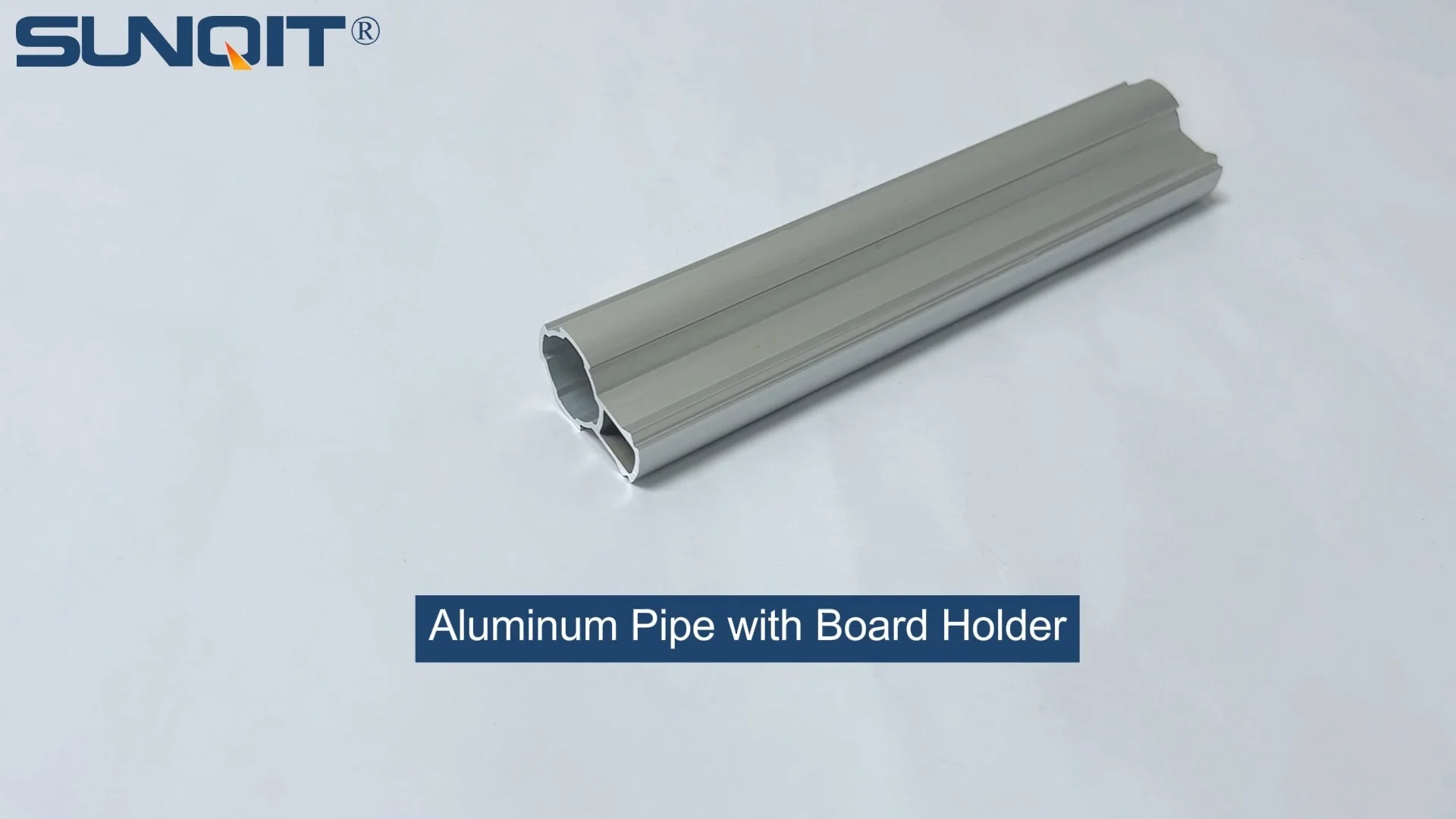
In the fast-paced world of modern manufacturing and industrial operations, efficiency isn't just a buzzword—it's the backbone of success. Every tool, every workspace, and every component plays a role in keeping workflows smooth, teams productive, and costs in check. Among the unsung heroes of this ecosystem is a seemingly simple yet incredibly versatile solution: the aluminum pipe with board holder. Far more than just a combination of metal and wood or plastic, this tool embodies the principles of adaptability, durability, and practicality that define today's lean system environments. Whether you're setting up a new assembly line, revamping a workshop, or looking to optimize material handling, understanding what makes a high-quality aluminum pipe with board holder stand out can transform how your team works.
In this article, we'll dive deep into the key features that separate average products from exceptional ones. From the quality of the aluminum itself to the design of the board holder, from compatibility with accessories to real-world performance, we'll explore why this tool has become a staple in factories, warehouses, and workshops worldwide. We'll also touch on how it integrates with broader systems, such as aluminum profile accessories and workbench setups, to create cohesive, efficient workspaces that grow with your needs.
Understanding the Aluminum Pipe with Board Holder: More Than Just Pipes and Boards
Before we jump into features, let's clarify what an aluminum pipe with board holder actually is. At its core, it's a modular system consisting of lightweight yet sturdy aluminum pipes (often part of an aluminum extrusion profile) and a holder designed to secure a flat board—typically wood, plywood, or composite material. The magic lies in how these components work together, supported by a range of aluminum profile accessories like joints, clamps, and T-slot covers, to create everything from workbenches to material racks.
Unlike fixed, one-size-fits-all furniture, this system is built for flexibility. The aluminum pipes, often featuring a T-slot design, allow for easy attachment of accessories without drilling or welding. The board holder, meanwhile, can be adjusted in height, angle, or position to suit specific tasks, whether that's holding tools, parts, or documentation at an assembly station. This adaptability is why it's a cornerstone of lean system setups, where minimizing waste and maximizing efficiency are top priorities.
But not all aluminum pipes with board holders are created equal. A high-quality version isn't just about putting a board on a pipe—it's about engineering a solution that can withstand daily use, adapt to changing needs, and integrate seamlessly with other tools. Let's break down the features that matter most.
Key Feature 1: Premium Aluminum Extrusion Profile for Unmatched Durability
The foundation of any reliable aluminum pipe with board holder is the aluminum itself. High-quality products use aluminum extrusion profiles made from alloys like 6063-T5, a material renowned for its strength, corrosion resistance, and lightweight properties. Here's why this matters:
- Strength Without the Weight: Aluminum extrusion profiles are created by forcing heated aluminum through a die, resulting in a uniform, dense structure that can support significant weight without being bulky. A typical 30mm diameter aluminum pipe can easily hold 50-100kg of distributed weight, making it ideal for heavy tools or stacks of materials on the board holder.
- Resistance to the Elements: Unlike steel, aluminum naturally forms a protective oxide layer, shielding it from rust and corrosion. This is critical in industrial environments where moisture, oils, or chemicals might be present. Even in humid warehouses or outdoor loading areas, a quality aluminum pipe will maintain its integrity for years.
- Consistency in Manufacturing: Reputable suppliers use precision extrusion processes, ensuring each pipe has consistent dimensions and wall thickness. This consistency means accessories like aluminum pipe clamps or joints will fit perfectly every time, reducing assembly frustration and ensuring a stable final structure.
Avoid products made from thin, low-grade aluminum or "pot metal" alloys—these may bend under load, corrode quickly, or fail to hold accessories securely. When evaluating options, ask suppliers about the aluminum grade and extrusion process; a little due diligence here prevents costly replacements down the line.

Key Feature 2: T-Slot Design for Endless Flexibility
If the aluminum profile is the foundation, the T-slot design is the secret to the system's versatility. Look closely at a high-quality aluminum pipe, and you'll notice a long, narrow slot running along its length (the "T-slot"). This slot isn't just for show—it's a gateway to customization, allowing you to attach almost any accessory without modifying the pipe itself.
How does this benefit the board holder specifically? Imagine you need to adjust the height of the board to suit a taller worker, or add a side shelf for extra tools, or even mount a small monitor above the board. With T-slots, you can slide in T-nuts, bolts, or specialized brackets (like those used for aluminum pipe clamps) and secure them in seconds. No drilling, no welding, no waiting for a maintenance team—just quick, tool-free adjustments that keep your workflow on track.
Moreover, T-slot compatibility means your aluminum pipe with board holder can grow with your needs. Today it's a simple workbench; tomorrow, you can add casters to turn it into a mobile cart, or attach roller tracks to create a mini conveyor system. This adaptability aligns perfectly with lean system principles, where waste is minimized by reusing and repurposing existing tools rather than buying new ones.

Key Feature 3: Precision-Engineered Board Holder for Stability and Customization
The board holder is where the rubber meets the road—literally, as it's the surface your team interacts with daily. A high-quality holder should balance stability, adjustability, and compatibility with different board materials. Here's what to look for:
- Secure Grip, No Slippage: The holder should firmly clamp the board in place, even when tools are slammed down or materials are shifted. Look for designs with rubberized or textured grips that prevent slipping, and adjustable tension knobs to accommodate different board thicknesses (from thin plywood to thick MDF or metal sheets).
- Multi-Angle Adjustment: Not all tasks require a flat surface. A top-tier board holder lets you tilt the board from 0° (horizontal) to 90° (vertical), making it easier to read documents, access parts, or work on angled assemblies. Some models even lock into place at specific angles, ensuring stability during use.
- Compatibility with Board Materials: Whether you prefer wood for a warm, workable surface, plastic for chemical resistance, or metal for ESD (electrostatic discharge) protection in electronics manufacturing, the holder should accommodate it. Look for universal mounting brackets or adjustable jaws that fit boards 10-50mm thick.
A poorly designed board holder, on the other hand, might wobble, scratch the board, or limit your angle options—frustrating workers and slowing down tasks. Invest in a holder that feels solid when adjusted and inspires confidence that your tools and materials are secure.
Key Feature 4: Compatibility with a Wide Range of Aluminum Profile Accessories
A standalone aluminum pipe with board holder is useful, but its true power shines when paired with compatible accessories. High-quality systems are designed to work with a ecosystem of parts, from joints and clamps to casters and roller tracks, turning a basic setup into a fully functional workstation. Here are some must-have accessories and how they enhance the board holder:
- Aluminum Pipe Clamps: These secure the pipe to frames, workbenches, or other structures, ensuring the entire system stays stable. Look for clamps with rubberized jaws to prevent scratching the pipe and adjustable tension for a snug fit.
- Swivel Casters: Add mobility to your board holder by attaching casters to the base pipes. Lockable casters keep the setup stationary when in use, then release for easy repositioning—perfect for moving materials between workstations or clearing floor space.
- Joint Connectors: Need to build a multi-level workstation? Use 90° or 135° joints to connect pipes at angles, creating shelves above or below the board holder for extra storage.
- T-Slot Covers: When not using the T-slots, covers keep out dust, debris, and moisture, maintaining the pipe's integrity and ensuring smooth accessory attachment later.
The best suppliers offer a full line of aluminum profile accessories, so you're not stuck piecing together parts from different brands. This compatibility ensures a seamless, rattle-free assembly that performs reliably under pressure.
Key Feature 5: Load Capacity and Safety Engineering for Peace of Mind
In industrial settings, safety is non-negotiable—and that starts with ensuring your aluminum pipe with board holder can handle the demands of daily use without failing. High-quality products are engineered with load capacity in mind, and they include safety features to prevent accidents:
- Clearly Stated Load Ratings: Reputable manufacturers provide detailed load capacity data, such as "100kg max on the board holder" or "50kg per linear meter of pipe." Never exceed these ratings, but choosing a product with a higher capacity than you need adds a safety buffer.
- Reinforced Joints: The points where the pipe connects to the board holder or other accessories are stress points. Look for reinforced joints with thickened walls or gussets (support plates) to distribute weight evenly and prevent bending or snapping.
- Non-Slip Board Surfaces: Many board holders come with optional non-slip mats or textured boards that prevent tools or parts from sliding off, reducing the risk of falls or damage.
These features aren't just about compliance—they're about building trust. When workers know their tools are designed to handle the job safely, they can focus on productivity rather than worrying about equipment failure.
How It All Comes Together: Real-World Benefits in Lean System Environments
Now that we've explored the key features, let's connect them to the real-world benefits—especially in lean system setups, where efficiency and adaptability are critical. A high-quality aluminum pipe with board holder delivers in spades:
- Reduced Waste: Instead of buying a new workstation every time needs change, you adapt the existing system with new accessories—cutting down on material waste and costs.
- Faster Setup Times: Assembly takes minutes, not hours, so new workstations can be operational the same day a need arises. This agility is a game-changer for scaling production or responding to urgent orders.
- Improved Ergonomics: Adjustable board heights and angles reduce strain on workers' backs, necks, and shoulders, lowering injury rates and boosting morale.
- Space Optimization: The modular design lets you build compact, custom workstations that fit tight spaces, maximizing usable floor area in crowded factories.
Comparing Materials: Why Aluminum Beats Steel and Plastic for Board Holders
You might be wondering: Why not use steel pipes for more strength, or plastic for lower cost? Here's how aluminum stacks up, based on key criteria:
| Feature | Aluminum Pipe with Board Holder | Steel Pipe with Board Holder | Plastic Pipe with Board Holder |
|---|---|---|---|
| Weight | Lightweight (1/3 the weight of steel) | Heavy (hard to move without assistance) | Very light (but prone to flexing) |
| Corrosion Resistance | Excellent (natural oxide layer) | Poor (requires painting/coating) | Good (but UV-sensitive outdoors) |
| Load Capacity | High (50-100kg per pipe) | Very high (100-200kg per pipe) | Low (20-30kg max) |
| Assembly Ease | Easy (T-slots, no welding) | Hard (requires welding or heavy tools) | Easy (but joints may loosen over time) |
| Cost | Moderate (higher upfront, lower long-term) | High (material + coating + labor) | Low (but needs frequent replacement) |
For most industrial applications, aluminum strikes the perfect balance: strong enough for daily use, light enough for mobility, and durable enough to last years—all at a reasonable cost. Steel may be stronger, but its weight and corrosion issues make it overkill for most board holder setups. Plastic is cheap but lacks the stability and longevity needed in busy environments.
Choosing the Right Aluminum Pipe with Board Holder: What to Look For
Ready to invest in a high-quality system? Keep these tips in mind:
- Check the Aluminum Grade: Insist on 6063-T5 or equivalent alloy for the pipe.
- Test the T-Slot Fit: Bring a sample accessory (like an aluminum pipe clamp) to ensure it slides smoothly into the T-slot and tightens securely.
- Review Load Ratings: Match the system's capacity to your needs (e.g., 75kg for light assembly, 100kg+ for heavy tools).
- Ask About Accessories: Choose a supplier with a full line of compatible parts (joints, casters, etc.) to avoid compatibility issues.
- Read Reviews: Look for feedback from other industrial users—did the system hold up over time? Were adjustments easy?
Maintenance Tips to Extend Your System's Lifespan
A quality aluminum pipe with board holder is built to last, but a little maintenance goes a long way:
- Clean Regularly: Wipe down pipes and board holders with a damp cloth to remove dust, oil, and debris. Avoid abrasive cleaners that scratch the aluminum.
- Inspect Joints Monthly: Tighten any loose bolts or joints to prevent wobbling, which can stress the system over time.
- Lubricate Moving Parts: If using casters or adjustable board holders, apply a small amount of silicone lubricant to keep movements smooth.
- replace Worn Accessories: Cracked T-slot covers or damaged clamps should be replaced promptly to maintain system integrity.
Final Thoughts: Investing in Quality for Long-Term Success
The aluminum pipe with board holder may not be the most glamorous tool in your workshop, but its impact on efficiency, safety, and adaptability is undeniable. By prioritizing features like premium aluminum extrusion profiles, T-slot flexibility, precision board holders, and compatible accessories, you're not just buying a workstation—you're investing in a system that grows with your business, supports your team, and embodies the lean system principles that drive modern manufacturing forward.
So the next time you're evaluating workspace tools, remember: the right aluminum pipe with board holder isn't just a purchase. It's a partner in productivity, a foundation for innovation, and a testament to the power of thoughtful, human-centered design. Choose wisely, and it will serve your team for years to come.