- Company Articles
- Products and Technology
- Product knowledge
- Key Features to Consider When Selecting Plastic Pipe Sleeves for Flexible Production Lines

Key Features to Consider When Selecting Plastic Pipe Sleeves for Flexible Production Lines
Related Product
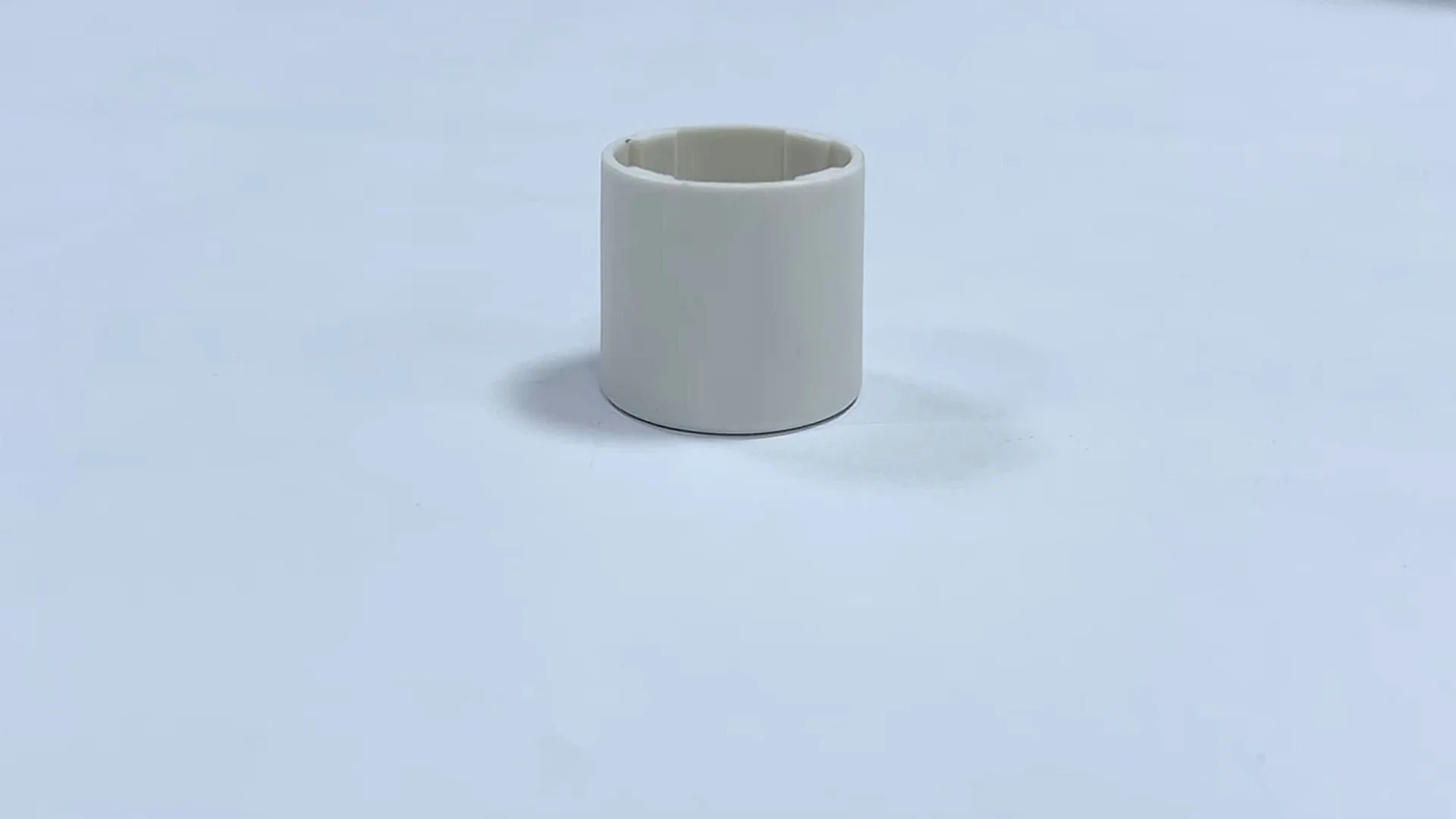
Plastic Pipe Sleeve
Plastic pipe sleeve to cover dia 28MM aluminum pipe end to contact with ground.
In today's fast-paced manufacturing world, flexibility isn't just a buzzword—it's the backbone of staying competitive. Lean systems, with their emphasis on minimizing waste and maximizing efficiency, have become the gold standard for production lines across industries. At the heart of these systems lie humble yet critical components: lean pipes, workbenches, caster wheels, and the often-overlooked plastic pipe sleeves that hold them all together. Whether you're setting up a new assembly line, upgrading an existing workbench, or reconfiguring a lean pipe structure, choosing the right plastic pipe sleeve can make or break your operation's efficiency, durability, and adaptability. In this guide, we'll walk through the key features you need to consider to ensure your plastic pipe sleeves don't just fit your lean pipe—they elevate your entire production system.
1. Material Composition: The Foundation of Durability
The first thing to ask when evaluating a plastic pipe sleeve is: What's it made of? Not all plastics are created equal, and the material composition directly impacts how well the sleeve will hold up in your production environment. Let's break down the most common options and why they matter.
PVC (Polyvinyl Chloride) is a popular choice for its affordability and rigidity. It's resistant to moisture and many chemicals, making it a solid pick for dry or moderately humid factories. However, PVC can become brittle in extreme cold or degrade under prolonged exposure to UV light—so if your production line is near windows or outdoor areas, you might want to think twice. Polypropylene, on the other hand, offers better impact resistance and flexibility, even at lower temperatures. It's also lighter than PVC, which can reduce the overall weight of lean pipe structures, making them easier to move (especially when paired with caster wheels). For environments where oil, grease, or solvents are present—think automotive or machinery shops—nylon sleeves are a game-changer. Nylon has excellent chemical resistance and a low coefficient of friction, meaning it won't wear down quickly when lean pipes are adjusted or repositioned.
Real-World Scenario:
A electronics manufacturer in Texas switched from PVC to polypropylene sleeves after noticing their summer production line reconfigurations were causing PVC sleeves to crack. The polypropylene sleeves, being more heat-resistant, reduced replacement costs by 40% in the first year alone.
Don't forget to check for additives, too. Some sleeves include glass fiber reinforcement for extra strength or flame-retardant properties for safety-critical areas. If your facility has strict fire codes, a flame-retardant plastic pipe sleeve isn't just a nice-to-have—it's a necessity.
2. Compatibility with Lean Pipe and Joints: No Room for Guesswork
A plastic pipe sleeve is only useful if it fits seamlessly with your existing lean pipe and joints. Lean pipe systems rely on precision: the sleeve needs to grip the pipe tightly enough to prevent wobbling (especially in workbenches or overhead structures) but not so tightly that it cracks when you need to disassemble or reconfigure the setup. Most lean pipes come in standard diameters—1.5 inches is common—but there are variations, so always measure your pipe first.
Look for sleeves with a consistent inner diameter (ID) and smooth inner surface. A rough interior can scratch the lean pipe's coating (like the PE coating on many lean pipes), leading to rust or corrosion over time. Additionally, check if the sleeve is designed to work with the specific joints in your lean system. For example, some sleeves have a slightly tapered design to accommodate swivel joints or 90-degree lean pipe joints, ensuring a snug fit even when the structure is under load. If you're unsure, ask the supplier for compatibility charts or sample sleeves to test with your existing lean pipe and joints—better to spend a little time testing than to order 500 sleeves that don't fit.

3. Flexibility and Adaptability: Keeping Up with Lean System Changes
Lean systems are all about adaptability—production lines that can be reconfigured in hours, not days. Your plastic pipe sleeve should support that flexibility, not hinder it. A rigid sleeve might work for a static workbench, but if you're using caster wheels to move lean pipe structures around the factory floor, you need a sleeve that can handle minor vibrations and adjustments without cracking.
Look for sleeves with a moderate level of flexibility—something that can bend slightly under pressure but returns to its shape. This "give" is crucial when assembling or disassembling lean pipe structures; a too-stiff sleeve might snap when you're trying to angle a pipe into a joint, while a too-soft one could compress over time, leading to loose connections. Nylon sleeves often excel here, as they balance flexibility with tensile strength. Polypropylene is a close second, offering good "memory" (the ability to return to shape after bending).
Pro Tip:
If your production line involves frequent reconfigurations (e.g., seasonal product changes), opt for sleeves with a slightly textured outer surface. This makes them easier to grip when manually adjusting lean pipe positions, reducing the risk of slips and worker fatigue.

4. Environmental Resistance: Thriving in Your Unique Workspace
Your factory isn't a controlled lab—and your plastic pipe sleeve shouldn't act like it is. From temperature fluctuations to exposure to oils, coolants, or dust, the sleeve needs to hold up against whatever your production line throws at it. Let's break down the most common environmental factors:
- Moisture: If your workspace is humid (e.g., food processing, washing stations) or uses water-based coolants, look for sleeves labeled "water-resistant" or "moisture-proof." Nylon and polypropylene both perform well here; avoid PVC if condensation is constant, as it can absorb moisture over time.
- Chemicals: Automotive and aerospace facilities often use harsh solvents or lubricants. Check the sleeve's chemical resistance chart—nylon is generally resistant to oils and greases, while PVC may degrade when exposed to strong acids or bases.
- Temperature Extremes: Freezer warehouses, foundries, or facilities with unregulated heating/cooling need sleeves that handle temperature swings. Polypropylene remains flexible down to -20°C (-4°F), while nylon can withstand higher temperatures (up to 120°C/248°F) without melting.
- Dust and Abrasion: In woodworking or metalworking shops, dust and debris can wear down sleeve surfaces. Look for sleeves with a thick wall (at least 1.5mm) and a smooth outer layer that resists scratching—this prevents dust from embedding and causing friction during adjustments.

5. Cost vs. Long-Term Value: Avoiding the "Cheap Sleeve Trap"
It's tempting to opt for the lowest-priced plastic pipe sleeve, especially when ordering in bulk. But here's the harsh truth: a cheap sleeve can cost you far more in the long run. A $0.50 sleeve that cracks after 3 months will require frequent replacements, downtime for repairs, and potential damage to your lean pipe or workbench. A $1.00 sleeve that lasts 2 years? That's a steal in comparison.
To balance cost and value, calculate the "cost per use" rather than just the upfront price. For example, if a sleeve costs $0.75 and lasts 6 months, versus $1.25 and lasts 24 months, the pricier option actually costs 70% less over time. Also, consider the cost of downtime: if a sleeve failure causes a workbench to collapse, halting production for an hour, that's thousands of dollars in lost output—money that could have bought a lifetime supply of quality sleeves.
Don't forget to factor in supplier reliability, too. A reputable supplier might charge a bit more but offer consistent quality, on-time delivery, and warranties. If a no-name supplier's sleeve fails, you might be stuck with no recourse—whereas a trusted partner will replace defective products and help troubleshoot issues.
Comparing Common Plastic Pipe Sleeve Types: A Quick Reference
| Sleeve Material | Key Features | Best For | Potential Drawbacks | Cost Range (Per Unit) |
|---|---|---|---|---|
| PVC | Rigid, moisture-resistant, affordable | Dry, indoor workbenches; static lean pipe structures | Brittle in cold; poor UV resistance | $0.40–$0.75 |
| Polypropylene | Flexible, impact-resistant, good memory | Moderate humidity; frequent reconfigurations | Less chemical resistance than nylon | $0.60–$1.00 |
| Nylon | High tensile strength, chemical/oil-resistant, heat-tolerant | Automotive, aerospace, high-temperature areas | More expensive; can absorb moisture in extreme humidity | $1.00–$1.50 |
6. Safety Features: Protecting Workers and Products
Safety should never be an afterthought—and plastic pipe sleeves play a subtle but critical role here. Sharp edges, loose fits, or degraded materials can lead to snags, cuts, or even structural failures. Look for sleeves with:
- Smooth edges: No burrs or rough spots that could catch on gloves, clothing, or products (especially important for workbenches handling small parts).
- Non-slip grip: A textured inner surface ensures the sleeve stays tight on the lean pipe, reducing the risk of sudden shifts or collapses—vital for overhead structures or mobile units with caster wheels.
- Flame resistance: As mentioned earlier, if your facility uses flammable materials, opt for sleeves rated UL94 V-2 or higher to slow flame spread in case of accidents.
Remember: A safe workspace is an efficient workspace. Workers who trust their tools and equipment (including the humble plastic pipe sleeve) are more productive and less likely to experience injuries.
7. Installation Ease: Saving Time and Labor
Even the best sleeve is useless if it takes 10 minutes to install. In lean systems, every second counts, so look for sleeves designed for quick, tool-free assembly. Features like a slight taper (to guide the lean pipe into place), a flexible opening (to snap onto the pipe without forcing), or pre-lubricated inner surfaces (to reduce friction during installation) can cut assembly time in half.
If your team is installing sleeves on a large scale (e.g., a new lean pipe production line with hundreds of joints), consider sleeves that come in bulk packaging with easy dispensing—no more fumbling with tangled bags or individually wrapped sleeves. Some suppliers even offer color-coded sleeves (e.g., yellow for standard use, grey for high-temperature zones) to reduce errors during installation, ensuring the right sleeve goes in the right place the first time.
8. Supplier Reliability: Your Partner in Lean Success
Last but never least: the supplier. Even the best plastic pipe sleeve design falls flat if your supplier can't deliver on time, provide consistent quality, or offer support when issues arise. When vetting suppliers, ask:
- Do they specialize in lean system components (e.g., lean pipe, workbenches, caster wheels)? A supplier who understands the full ecosystem is more likely to recommend sleeves that integrate seamlessly with your existing setup.
- What's their lead time? Can they handle rush orders if your production line needs a quick replacement?
- Do they offer samples or a return policy? A supplier confident in their product will let you test before you buy.
- What's their quality control process? Look for certifications like ISO 9001, which ensures consistent manufacturing standards.
Your supplier should be more than a vendor—they should be a partner invested in your lean system's success. A quick chat with their customer service team can reveal a lot: Are they knowledgeable about their products? Do they ask about your specific needs, or just push the cheapest option?
Conclusion: Your Plastic Pipe Sleeve, Your Lean System's Secret Weapon
At first glance, a plastic pipe sleeve might seem like a small, component in your lean system. But as we've explored, it's a linchpin that connects your lean pipe, workbenches, caster wheels, and joints into a cohesive, efficient whole. By prioritizing material composition, compatibility, flexibility, environmental resistance, cost-value balance, safety, installation ease, and supplier reliability, you're not just choosing a sleeve—you're investing in a production line that adapts, endures, and thrives. Whether you're a small manufacturer just starting with lean principles or a large facility looking to optimize existing systems, the right plastic pipe sleeve will quietly but powerfully elevate your operations, one joint at a time.
So the next time you're browsing catalogs or comparing quotes, remember: the best plastic pipe sleeve isn't the cheapest or the fanciest—it's the one that fits your unique production needs, supports your lean goals, and grows with your business. Your team, your bottom line, and your entire lean system will thank you.