- Company Articles
- Products and Technology
- Product knowledge
- Key Features to Look for in 2040 Aluminum Profile End Caps

Key Features to Look for in 2040 Aluminum Profile End Caps
Related Product
2040 Aluminum Profile End Cap
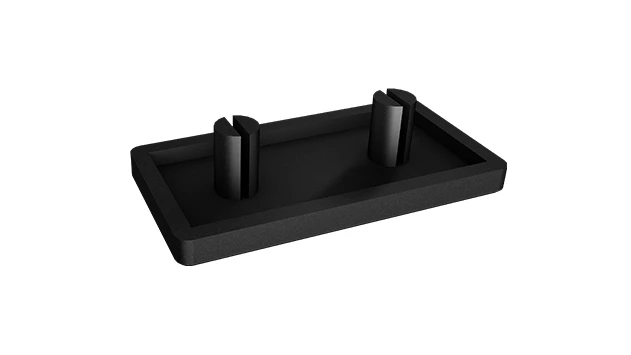
The aluminum profile end cap adds a finishing touch to your project and closes off profile ends to limit dust and debris buildup, also it can avaid some scratch for material and labor during the assemble work.
If you've ever worked with aluminum extrusion profiles, you know the devil is in the details. Those sleek, groove-lined structures form the backbone of everything from workbenches and machine frames to shelving units and conveyor systems. But for all their strength and versatility, aluminum profiles have one tiny vulnerability: their open ends. That's where 2040 aluminum profile end caps come in. These small but mighty aluminum profile accessories might seem like an afterthought, but they play a critical role in protecting your investment, ensuring safety, and even enhancing the overall functionality of your setup. In this guide, we'll walk through the key features you should prioritize when choosing 2040 aluminum profile end caps—because when it comes to building with aluminum extrusion profiles, the right accessories make all the difference.
Understanding the Basics: What Are 2040 Aluminum Profile End Caps?
First, let's get clear on what we're talking about. 2040 aluminum profile end caps are specialized covers designed to fit snugly over the exposed ends of 2040-series aluminum extrusion profiles. The "2040" designation refers to the profile's cross-sectional dimensions: 20mm in width and 40mm in height. These profiles are incredibly popular in industrial, commercial, and even DIY projects thanks to their balance of strength, lightweight design, and compatibility with a wide range of aluminum profile accessories.
At first glance, end caps might seem purely cosmetic. After all, they cover up the raw, cut edges of the profile, giving your project a polished, professional look. But their purpose goes far beyond aesthetics. Imagine assembling a workbench using 2040 profiles—without end caps, those sharp, unfinished edges could catch on clothing, scratch tools, or even cause minor injuries. Over time, dust, debris, and moisture could also seep into the profile's internal channels, leading to corrosion or buildup that weakens the structure. End caps act as a barrier, sealing off these vulnerable points and extending the life of your aluminum extrusion profiles.
But not all end caps are created equal. Depending on your project's needs—whether it's a heavy-duty industrial workstation or a lightweight home garage setup—the right end cap will vary. Let's break down the features that matter most.
1. Material Quality: Durability That Stands the Test of Time
The first thing to consider when evaluating 2040 aluminum profile end caps is the material they're made from. Since end caps are tasked with protecting the profile and withstanding daily wear and tear, their material directly impacts their performance and lifespan. Here's a closer look at the most common materials and what to expect from each:
| Material Type | Durability | Temperature Resistance | Chemical Resistance | Best For |
|---|---|---|---|---|
| PVC (Polyvinyl Chloride) | Moderate; prone to brittleness in cold temperatures | Good for indoor use (10°C to 50°C); degrades in extreme heat | Resistant to mild chemicals; avoid strong solvents | Light-duty projects, indoor use, budget-friendly setups |
| Nylon | High; flexible even in low temperatures, resistant to impact | Excellent (-40°C to 80°C); suitable for outdoor or industrial environments | Resistant to oils, greases, and most industrial chemicals | Heavy-duty workbenches, conveyor systems, outdoor applications |
| Aluminum | Exceptional; matches the profile's strength and longevity | Extreme (-200°C to 300°C); ideal for high-heat environments | Highly resistant to corrosion and chemicals (especially anodized aluminum) | Aerospace, automotive, or high-precision industrial setups |
Nylon end caps are often the sweet spot for most users. They offer a great balance of flexibility, impact resistance, and cost-effectiveness. Unlike PVC, which can crack if dropped or exposed to freezing temperatures, nylon remains pliable even in cold garages or warehouses, reducing the risk of breakage during installation or use. For industrial settings where exposure to oils, coolants, or cleaning agents is common, nylon's chemical resistance is a major advantage—you won't have to worry about the end cap degrading or becoming brittle over time.
Aluminum end caps, while more expensive, are the top choice for applications where strength and heat resistance are non-negotiable. If your 2040 aluminum extrusion profiles are part of a machine that operates at high temperatures (like a packaging line with heat-sealing equipment) or needs to support heavy loads, aluminum end caps won't warp or lose their shape. Plus, they blend seamlessly with the profile itself, creating a sleek, uniform look that's perfect for visible installations.
Avoid cheap plastic end caps that feel flimsy or have visible seams—these are likely made from low-grade materials that will crack, fade, or loosen after minimal use. A good rule of thumb: if the end cap bends easily in your hand or has a strong chemical smell, it's probably not built to last.

2. Fit and Compatibility: Precision That Prevents Headaches
Even the highest-quality end cap is useless if it doesn't fit your 2040 aluminum extrusion profile properly. Aluminum profiles are manufactured to strict tolerances, and end caps must match those tolerances to create a secure, gap-free seal. Here's what to look for to ensure a perfect fit:
Sizing Accuracy
2040 profiles have a standardized cross-section, but minor variations can exist between manufacturers. A well-designed end cap should account for these nuances, with internal dimensions that match the profile's outer dimensions exactly. For example, a 2040 profile has a width of 20mm and height of 40mm, so the end cap's inner cavity should measure 20mm x 40mm with a tolerance of +/- 0.1mm. This precision ensures the end cap snaps into place firmly without being too tight (which can damage the profile) or too loose (which allows dust and debris to enter).
To check sizing, look for end caps explicitly labeled as "2040 compatible." Some manufacturers also provide dimensional drawings or product specs that list the inner and outer measurements—don't hesitate to compare these to your profile's actual dimensions (a quick caliper measurement can save you from ordering the wrong part).
Attachment Mechanism
How the end cap attaches to the profile is another critical factor. Most end caps use a friction-fit design, meaning they snap into place by compressing slightly as they're pushed onto the profile's end. This type of attachment is quick and tool-free, making installation a breeze—ideal for projects where you might need to disassemble and reconfigure the profile later.
However, for high-vibration environments (like near heavy machinery) or vertical installations where gravity might pull the end cap loose, a friction fit alone might not be enough. In these cases, look for end caps with additional securing features, such as small screws that thread into the profile's T-slots or adhesive backing for a permanent bond. Just be mindful: adhesive-backed end caps are great for permanent setups but make reusing the profile or end cap difficult if you need to make changes later.
Compatibility with Profile Features
Many 2040 aluminum extrusion profiles come with additional features, like T-slots (the grooves that run along the profile's length) or chamfered edges. A quality end cap should accommodate these features without blocking or damaging them. For example, if your profile has T-slots on all four sides, the end cap should have cutouts or recesses that align with these slots, ensuring you can still use T-slot nuts and bolts to attach accessories like brackets or shelves.
Similarly, profiles with rounded or beveled edges require end caps with matching contours to maintain a smooth, uniform finish. Mismatched edges can create gaps where debris collects or, worse, sharp corners that pose a safety risk.

3. Design and Functionality: More Than Just a Cover
While protection is the primary job of 2040 aluminum profile end caps, a thoughtful design can add functionality and convenience to your project. Here are the design features that elevate a good end cap to a great one:
Ergonomic Edges for Safety
One of the biggest safety hazards of uncovered aluminum profiles is their sharp, raw ends. A well-designed end cap should eliminate this risk with smooth, rounded edges that feel comfortable to the touch. Run your finger along the end cap's outer perimeter—if you feel any burrs, rough spots, or sharp corners, keep looking. Even minor imperfections can catch on gloves, clothing, or skin, leading to irritation or injury over time.
Some end caps take ergonomics a step further with contoured designs that blend seamlessly with the profile's shape. For example, if your profile has a square cross-section, the end cap should mirror that shape with gently rounded edges, creating a cohesive look that's as safe as it is attractive.
Load-Bearing and Impact Resistance
In applications where the end cap might bear weight—such as when a profile is used as a leg for a workbench or shelving unit—impact resistance is key. Nylon and aluminum end caps excel here, as they can absorb shocks without cracking or deforming. PVC end caps, on the other hand, are more likely to shatter if the profile is dropped or bumped, leaving the profile's end exposed.
If your project involves heavy loads, look for end caps with reinforced bases or thicker walls. Some manufacturers even design end caps with internal ribbing, which adds structural support without adding significant weight.
Color Options for Organization and Branding
While color might seem like a purely aesthetic choice, it can play a practical role in organization. Many manufacturers offer end caps in a range of colors, from standard black and white to bright red, blue, or yellow. This allows you to color-code profiles by function—for example, using red end caps for safety-critical components or blue for profiles that hold tools. In industrial settings, color-coding can reduce errors and speed up workflows by making it easy to identify different parts of a system at a glance.
Color can also help with branding. If you're building a display or customer-facing setup, matching the end cap color to your company's logo or brand palette can add a professional touch that sets your project apart.
4. Environmental and Application-Specific Considerations
Your project's environment and intended use will dictate additional features to look for in 2040 aluminum profile end caps. Here are some scenarios where specialized end caps might be necessary:
Indoor vs. Outdoor Use
If your aluminum extrusion profiles will be used outdoors or in damp environments (like a garage with poor ventilation), moisture resistance is a must. Nylon and aluminum end caps are both good choices here, as they resist water and won't degrade from humidity. PVC end caps, however, can absorb moisture over time, leading to swelling or mold growth—best avoided for outdoor setups.
UV resistance is another consideration for outdoor use. Prolonged exposure to sunlight can cause some materials (especially low-quality plastics) to fade or become brittle. Look for end caps labeled as "UV stabilized" if your project will be in direct sunlight—these are formulated with additives that slow down UV degradation, ensuring the end cap retains its color and strength for years.
ESD-Safe Environments
In electronics manufacturing or labs where electrostatic discharge (ESD) can damage sensitive components, ESD-safe end caps are essential. These end caps are made from conductive materials (like carbon-filled nylon) that dissipate static electricity, preventing it from building up on the profile and potentially harming equipment. While ESD workbenches are a more well-known component of ESD-safe setups, end caps play a small but important role in maintaining a static-free environment.
High-Temperature or Chemical-Exposed Areas
For projects near ovens, furnaces, or other heat sources, aluminum end caps are the best choice—their ability to withstand temperatures up to 300°C makes them far more durable than plastic alternatives. In chemical plants or workshops where exposure to solvents, oils, or acids is common, look for end caps with chemical resistance ratings. Nylon end caps, for example, are resistant to most industrial chemicals, while PVC can degrade when exposed to strong solvents like acetone or MEK.
5. Cost vs. Value: Investing in Quality Pays Off
It's tempting to opt for the cheapest 2040 aluminum profile end caps you can find, especially if you're working on a tight budget. But as with most aluminum profile accessories, you get what you pay for. A low-cost end cap might save you a few dollars upfront, but it could cost you more in the long run—whether through frequent replacements, damage to your aluminum extrusion profiles, or even safety risks.
Consider this: a pack of 10 PVC end caps might cost $5, while a pack of 10 nylon end caps costs $15. If the PVC end caps crack after six months of use, you'll need to buy another pack, bringing the total cost to $10. Meanwhile, the nylon end caps could last 5+ years, making them the better value over time. Add in the cost of replacing a damaged profile (which can run $20–$50 per meter) if a cheap end cap fails to protect it, and the savings of buying quality end caps become even clearer.
That said, there's no need to overspend. If you're building a lightweight, indoor project with minimal wear and tear, a mid-range PVC or basic nylon end cap might be sufficient. The key is to match the end cap's quality to your project's needs—don't pay for industrial-grade features if you're just building a garage shelf, but don't skimp on durability for a heavy-duty workstation.
Conclusion: The Small Part That Makes a Big Difference
2040 aluminum profile end caps might be small, but their impact on your project's safety, durability, and functionality is significant. By prioritizing material quality, fit and compatibility, design, and application-specific features, you can choose end caps that protect your aluminum extrusion profiles, enhance your setup's performance, and stand the test of time.
Remember: end caps are more than just covers—they're an investment in the longevity of your project. Whether you're building a workbench, a conveyor system, or a custom shelving unit, taking the time to choose the right end caps will ensure your aluminum extrusion profiles stay strong, safe, and looking great for years to come. And when paired with other high-quality aluminum profile accessories, they'll help you create a setup that's not just functional, but built to last.