- Company Articles
- Products and Technology
- Product knowledge
- Key Features to Look for in High-Quality Vertical Lean Pipe Joints

Key Features to Look for in High-Quality Vertical Lean Pipe Joints
Related Product
Vertical Lean Pipe Joint
Vertical lean pipe joint is used for 28mm lean pipe fixed on ground and keep it stable.
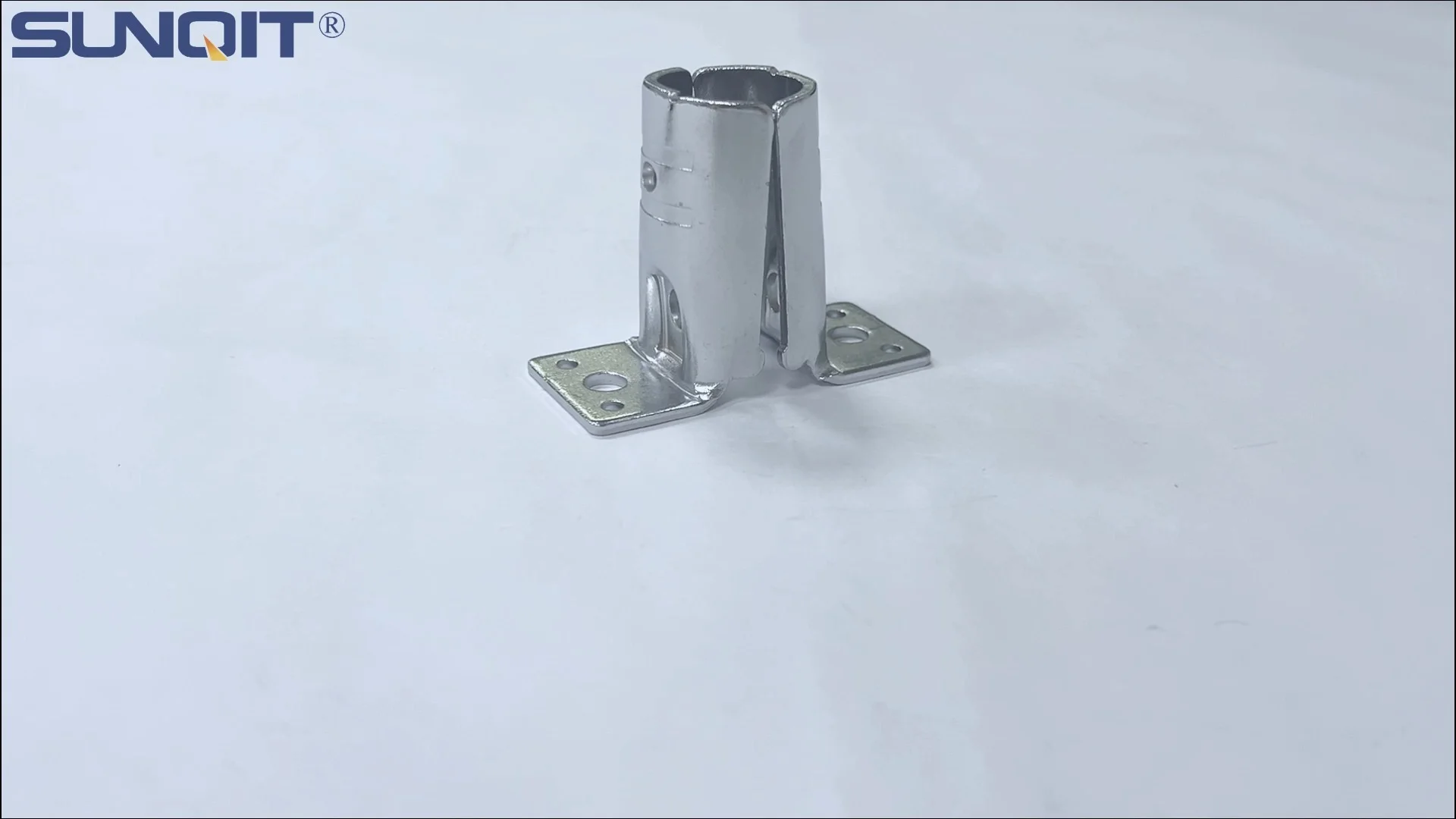
In the world of lean manufacturing and modular workspace design, every component plays a silent but critical role in keeping operations running smoothly. Among these, vertical lean pipe joints might not grab headlines, but they're the unsung heroes holding everything together—literally. Whether you're building a lean pipe workbench, a material rack, or an entire production line, the vertical joints you choose can make or break the system's stability, durability, and adaptability. But with so many options on the market, how do you separate the reliable workhorses from the flimsy pretenders? Let's dive into the key features that define a high-quality vertical lean pipe joint, and why they matter for your workspace.
1. Material Quality: The Foundation of Strength
When it comes to vertical lean pipe joints, the first thing to inspect is the material. These joints are tasked with bearing weight, resisting wear, and maintaining structural integrity day in and day out—so cutting corners on material quality is never a good idea. Most high-quality vertical joints are made from heavy-duty steel, chosen for its exceptional strength-to-weight ratio. But not all steel is created equal: look for joints forged from low-carbon steel or alloy steel, which offer better resistance to bending and impact compared to cheaper, thinner alternatives.
For environments where corrosion is a concern—think factories with high humidity, frequent cleaning, or exposure to chemicals—chrome-plated options like the vertical lean pipe joint chrome are a game-changer. Chrome plating adds a protective layer that shields the steel from rust and tarnish, extending the joint's lifespan significantly. I've visited workshops where non-chrome joints started showing signs of corrosion within months, while their chrome-plated counterparts remained intact after years of use. It's a small upgrade that pays off in longevity, especially if your workspace can't afford downtime for replacements.
Another material to consider is aluminum, though it's less common for vertical joints due to its lower weight capacity. However, if your application requires lightweight components (like in some assembly line setups), aluminum lean pipe joints can be a viable option—just ensure they're reinforced with alloying elements like magnesium or silicon to boost strength.
2. Load-Bearing Capacity: More Than Just Numbers
Every vertical lean pipe joint will come with a load rating, but don't let that number be the end of your evaluation. A joint's ability to support weight isn't just about raw strength—it's about how evenly it distributes that weight across the entire lean system. A poorly designed joint might claim to handle 500 lbs, but if it concentrates stress on a single point, it could fail under far less weight when paired with other components like a material rack or workbench.
To assess true load-bearing capacity, look for joints that feature a broad, stable base and reinforced stress points. For example, vertical joints with a larger contact area where they connect to the lean pipe will spread weight more effectively, reducing the risk of bending or cracking. I once worked with a client who upgraded from generic vertical joints to a chrome-plated model with a reinforced collar; overnight, their workbench's stability improved, and they could load an additional 200 lbs of tools without any wobbling.
It's also wise to factor in dynamic loads—not just static weight. If your setup involves moving parts (like a conveyor or turnover trolley), the joint will experience sudden jolts and vibrations. High-quality joints are tested for these conditions, with manufacturers often providing data on fatigue resistance (how well they hold up under repeated stress). Don't hesitate to ask suppliers for test reports—reputable ones will be happy to share.

3. Precision Engineering: The Art of a Perfect Fit
There's a reason why "precision" is a buzzword in manufacturing: even a fraction of a millimeter can make a difference in how well components work together. Vertical lean pipe joints are no exception. A joint that's poorly machined—with misaligned holes, rough edges, or inconsistent dimensions—will never form a tight, secure connection with the lean pipe. This isn't just a minor annoyance; loose joints lead to wobbly structures, increased noise, and even safety hazards.
So, what does precision look like in practice? Start by examining the joint's inner diameter. It should match the outer diameter of your lean pipe exactly—no gaps, no forcing required. When you slide the joint onto the pipe, it should fit snugly, with no play or rattling. High-quality joints are often CNC-machined, ensuring that every unit meets the same strict tolerances. I've seen facilities waste hours trying to assemble workbenches with off-the-shelf joints that required filing or tapping to fit; investing in precision-machined options saves time and frustration from day one.
Another sign of precision is the finish of the joint's threads (if it uses screws or bolts to secure the pipe). Clean, sharp threads will grip the pipe firmly, while dull or mismatched threads will strip easily, leaving you with a joint that can't be tightened properly. Chrome-plated joints often have the added benefit of smoother threading, as the plating process fills in minor imperfections, reducing friction during installation.

4. Corrosion Resistance: Fighting the Elements
Factories, warehouses, and workshops are tough environments for metal components. Humidity, oils, chemicals, and even regular cleaning can take a toll, leading to rust and degradation. That's why corrosion resistance is non-negotiable for vertical lean pipe joints—especially if you want them to last more than a year or two.
Chrome plating is one of the most effective ways to protect steel joints. The vertical lean pipe joint chrome, for example, undergoes a process where a thin layer of chromium is electroplated onto the steel surface. This layer acts as a barrier, preventing moisture and corrosive substances from reaching the underlying metal. In addition to protection, chrome plating also gives the joint a smooth, easy-to-clean finish—perfect for environments where hygiene is important, like electronics assembly lines using esd workbenches.
If chrome isn't right for your setup (maybe due to budget constraints or aesthetic preferences), look for joints with other protective coatings, such as zinc plating or powder coating. Zinc provides sacrificial protection (it corrodes before the steel does), while powder coating offers a durable, scratch-resistant finish in various colors. Just note that these coatings may not be as long-lasting as chrome in harsh environments—so weigh your workspace conditions carefully.

5. Compatibility: Playing Well With Others
Lean systems are all about modularity—being able to reconfigure components quickly as your needs change. But that flexibility only works if every part is compatible with the others. A vertical lean pipe joint that only fits one brand of lean pipe or a specific type of accessory (like a caster or roller track) will limit your options down the line.
The best vertical joints are designed to work with standard lean pipe sizes (typically 28mm or 30mm outer diameter), as well as common accessories like T-joints, elbows, and brackets. This means you can mix and match components from different suppliers without worrying about compatibility issues. For example, a vertical joint that uses a universal clamping mechanism (instead of a proprietary one) will let you swap out pipes or add a new shelf without buying an entire new system.
I once consulted with a small manufacturer that had invested in a cheap, proprietary vertical joint system. When they wanted to expand their production line, they discovered the joints only worked with the supplier's overpriced lean pipes—costing them twice as much as if they'd chosen a standard, compatible option from the start. Don't make that mistake: prioritize joints with open, industry-standard designs.
6. Ease of Installation: Time Is Money
In a busy workshop, downtime is the enemy. The last thing you need is a vertical lean pipe joint that requires special tools, complex instructions, or a team of engineers to install. High-quality joints are designed with simplicity in mind, letting you assemble or reconfigure your lean system in minutes—not hours.
Look for features like tool-free clamping mechanisms (e.g., thumb screws or quick-release levers) that let you secure the joint to the pipe without a wrench. Some joints even come with built-in indicators, like a color-changing O-ring, to show when they're properly tightened—eliminating guesswork. I've seen teams cut assembly time by 50% after switching to such joints; what used to take a morning now takes an hour, freeing up staff for more important tasks.
Another plus is reusability. If you need to disassemble and move your lean system (say, to rearrange your factory floor), the joint should release easily without damaging the pipe or the joint itself. Cheap joints often seize up or strip threads after one use, turning a simple move into a costly replacement project. High-quality ones, though, can be reused dozens of times, making them a sustainable choice too.
7. Durability: Built to Outlast the Workday
A vertical lean pipe joint isn't something you want to replace every few months. Durability is about more than just material—it's about how well the joint holds up to daily wear and tear, from accidental bumps with a forklift to constant adjustments by workers. Here's what to look for:
- Impact resistance: The joint should absorb minor impacts without deforming. Steel joints with a thick wall (at least 1.5mm) or a reinforced outer shell are best here.
- Scratch resistance: Chrome plating or powder coating helps prevent scratches, which can lead to corrosion over time. A scratch on a non-coated joint might seem minor, but it's an open door for rust.
- Thread longevity: If the joint uses screws, the threads should be deep and well-defined, so they don't wear down after repeated tightening/loosening. Look for joints with heat-treated threads for added durability.
I once visited a warehouse that had been using the same set of vertical lean pipe joint chrome units for over five years. Despite being in a high-traffic area (workers brushed against them daily, and pallets occasionally knocked into them), the joints still looked and functioned like new. The secret? High-quality chrome plating and a robust steel core that stood up to the abuse.
Comparing Vertical Lean Pipe Joint Options: A Quick Guide
| Feature | Standard Steel Vertical Joint | Vertical Lean Pipe Joint Chrome | Aluminum Vertical Joint |
|---|---|---|---|
| Material | Low-carbon steel | Chrome-plated steel | Aluminum alloy |
| Load Capacity (Static) | 300–400 lbs | 400–600 lbs | 200–300 lbs |
| Corrosion Resistance | Low (prone to rust) | High (chrome barrier) | Medium (natural oxide layer) |
| Best For | Low-budget, dry environments | Heavy loads, humid/chemical environments | Lightweight, temporary setups |
| Price Range | Economical | Mid-to-high | Mid-range |
As the table shows, the vertical lean pipe joint chrome stands out for its balance of strength, corrosion resistance, and versatility—making it a top choice for most industrial applications. Aluminum is better suited for lightweight needs, while standard steel is a budget option but requires extra maintenance in harsh environments.
Conclusion: Invest in Quality, Reap the Rewards
Vertical lean pipe joints may not be the most glamorous part of your workspace, but they're a critical investment in efficiency, safety, and longevity. By prioritizing material quality, load-bearing capacity, precision, corrosion resistance, compatibility, ease of installation, and durability, you'll choose joints that support your lean system for years to come—saving you time, money, and headaches down the line.
Remember: the best vertical lean pipe joint isn't just a component—it's a partner in your productivity. Whether you're outfitting a small workshop or a large manufacturing plant, don't settle for anything less than the best. Your team, your bottom line, and your peace of mind will thank you.